
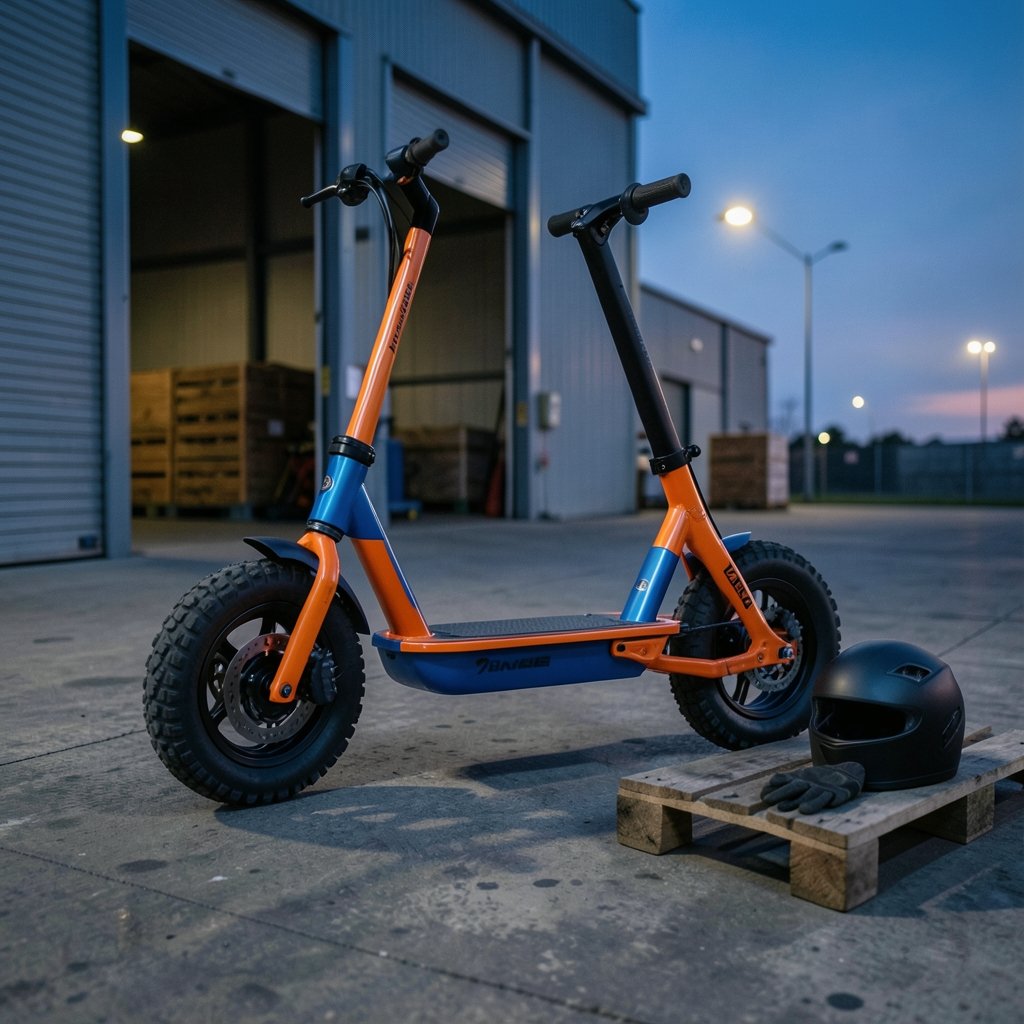
What makes a scooter heavy enough to need two people to lift it, yet fast enough to keep up with city traffic? The Kaabo King GTR sits in that odd, exciting corner of the electric scooter market where commuting stops being the point and raw performance takes over. Kaabo has built a reputation around high-power dual-motor machines, and the King GTR is one of its most talked-about flagships. But talk is cheap, and spec sheets are cheaper. This article walks through what this class of scooter actually delivers, where the marketing numbers bend reality, and what buyers should check before handing over a large sum of money.
What the Kaabo King GTR Is Designed For
Kaabo’s lineup has long leaned toward performance-first scooters rather than featherweight commuters. The King GTR follows that pattern: a large deck, substantial battery capacity, dual hub motors, and hydraulic braking hardware. It is built for riders who want speed, torque, and range in one package, and who accept the weight and bulk that come with it.
That design philosophy shapes everything about ownership. A scooter in this class is not something a rider folds up and carries onto a bus. It is closer to a light motorcycle in spirit, even if the legal classification varies by region. Buyers should think of it as a vehicle with storage and maintenance needs, not a toy that fits in a closet.
It also means the King GTR competes less with commuter scooters and more with other premium dual-motor models. If the goal is a five-kilometer trip to the train station, this is overkill. If the goal is long weekend rides, hill climbing, and sustained speed on open roads, the category starts to make sense.
Performance Expectations Versus Real-World Results
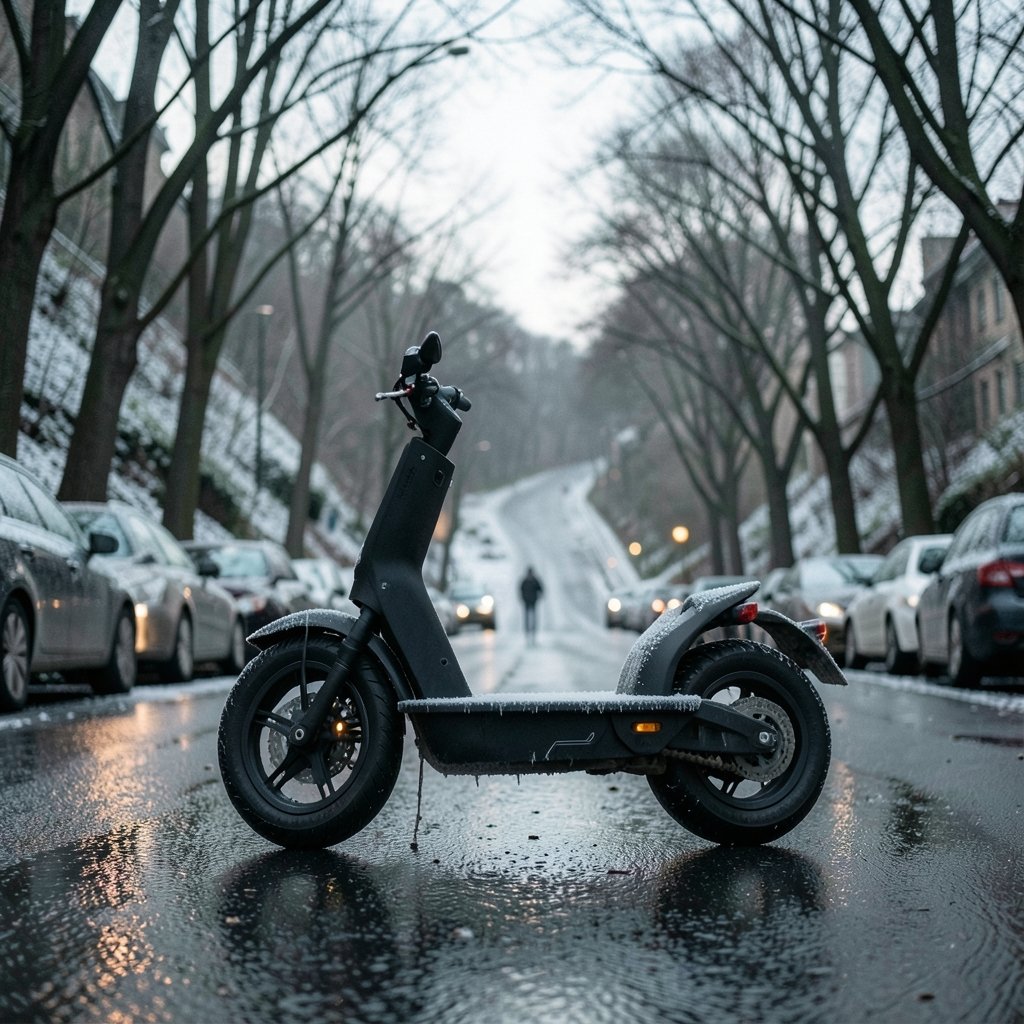
Published performance figures for scooters in this class are almost always measured under favorable conditions: a lighter rider, flat terrain, moderate temperatures, a fresh battery, and a steady cruising speed rather than full throttle. That is not dishonesty so much as a standard test protocol. The problem is that buyers read peak numbers as everyday numbers.
A few practical corrections matter more than any single spec:
- Range drops sharply at high speed. Aerodynamic drag rises with the square of velocity, so cruising near top speed can cut range dramatically compared with a gentle cruise.
- Cold weather reduces usable capacity. Battery packs lose output in low temperatures, and riders notice it first in acceleration and then in range.
- Rider weight and terrain change everything. A heavy rider on hilly ground will see numbers that look nothing like the brochure.
- Tire pressure is a silent range killer. Underinflated tires cost speed and battery, and many owners never check.
The honest way to evaluate any claimed figure is to discount it. If a manufacturer claims a range, assume real-world mixed riding lands meaningfully below it. If it claims a top speed, confirm whether that figure applies to the model sold in your region, because speed-limited variants are common.
Weight, Portability, and Daily Practicality
The single most underestimated factor in premium scooter ownership is weight. Dual-motor scooters with large battery packs are heavy, and the King GTR class is no exception. Owners quickly learn that “portable” is relative.
| Consideration | What to expect in this class | Practical workaround |
|---|---|---|
| Carrying up stairs | Difficult for one person | Store at ground level or use a ramp |
| Folding for a car trunk | Possible but awkward | Measure the trunk before buying |
| Public transport | Usually impractical | Treat it as a standalone vehicle |
| Parking | Needs secure space | Use a heavy lock and a fixed anchor |
| Charging | Requires a nearby outlet | Plan charging around where it lives |
The lesson from experienced owners is simple: decide where the scooter will live before you buy it. A machine that has to be hauled up three flights of stairs every day will end up unused. That is a common and expensive mistake.
Brakes, Tires, and Safety Hardware
Speed without stopping power is a liability. Scooters in this tier typically use hydraulic disc brakes, which offer better modulation and heat handling than mechanical discs, plus electronic braking that recovers some energy. Riders should test both systems separately and understand which lever does what before riding in traffic.
Tires deserve equal attention. Small wheels magnify the effect of every pothole, and tire quality strongly influences grip and comfort. Tubeless tires with decent puncture resistance reduce roadside headaches. Riders who commute on rough streets often upgrade to wider or more durable tires early.
Protection matters more here than on a slow commuter. A full-face helmet, gloves, and abrasion-resistant clothing are reasonable for a machine capable of sustained high speed. Many regions also regulate where such scooters may be ridden, whether they need registration, and what speed limits apply. Checking local rules before purchase avoids unpleasant surprises.
Battery Care and Charging Habits That Actually Work
Battery packs are the most expensive component to replace, and most premature failures trace back to charging habits rather than manufacturing defects. The practical rules are not complicated.
- Avoid storing the pack at full charge or near empty for long periods. A mid-range charge is kinder to the cells.
- Let the pack cool before charging after a hard ride. Heat plus charging accelerates wear.
- Use the charger the scooter shipped with. Mismatched chargers are a frequent cause of damage.
- Charge indoors at moderate temperatures when possible, and never leave charging unattended for long stretches.
- Check the charge level monthly during off-season storage and top up as needed.
Fast charging is convenient but generates heat. Riders who rely on it daily may see faster capacity loss over years of use. There is a trade-off between convenience now and pack longevity later, and it is worth deciding deliberately.
Build Quality, Water Resistance, and Maintenance
Premium scooters are not maintenance-free, and the King GTR class is no different. The moving parts that wear are predictable: brake pads, tires, bearings, and the folding mechanism. A monthly check of bolts and fasteners is not paranoia; vibration loosens hardware on any powerful scooter.
Water resistance ratings on scooters are often optimistic. Seals protect against splashes, not submersion or sustained rain at speed. Riders who commute year-round should plan for wet-weather care: drying the deck, checking connectors, and avoiding deep puddles. If you are comparing how manufacturers describe durability claims across product categories, the same skepticism helps. A similar pattern shows up in how much the scooter word really means when you choose one, where labels often outrun the hardware.
Suspension setup is another area where small adjustments pay off. Preload and damping settings that suit a light rider will feel harsh or wallowy for a heavier one. Taking twenty minutes to tune the suspension to your weight and usual terrain improves comfort and control more than most accessories.
Who Should Buy This Class of Scooter
The King GTR category suits a specific rider: someone with secure storage, a tolerance for maintenance, a helmet habit, and routes that reward speed and range. It does not suit someone who wants a light, foldable last-mile solution or who lives somewhere the scooter cannot legally be ridden at its capable speeds.
The financial picture deserves honesty too. Purchase price is only the entry ticket. Budget for protective gear, a sturdy lock, replacement tires and brake pads, and eventually a battery. Riders who plan for total cost of ownership make better decisions than those who compare sticker prices alone. The same principle applies to many big-ticket purchases, from appliances to entertainment careers; even a breakdown of how much money Michael Jackson made across his career shows how headline figures hide the real structure underneath.
For riders weighing a scooter against other powered options, it helps to compare like with like. A scooter is not a motorcycle, and a premium dual-motor model is not a commuter. The right comparison is against other premium scooters on the same routes, with the same rider, under the same conditions.
Buying Checklist Before You Commit
Before purchasing, work through a short, concrete checklist. It prevents most regrets.
- Confirm the exact model variant sold in your region, including any speed or power limits.
- Verify the warranty terms, especially what the battery coverage actually includes.
- Check that spare parts, tires, and brake pads are available locally or by reliable shipping.
- Confirm local regulations on speed, helmet use, insurance, and permitted riding areas.
- Measure your storage space, doorway widths, and any stairs the scooter must clear.
- Test the brakes, lights, and folding mechanism on delivery, and photograph any damage.
Shoppers researching other high-power home equipment often find that specification language hides real-world compromises. The same discipline applies here. If you have ever compared how to choose the best electric pressure washers for real household work, you already know the pattern: peak ratings impress, but sustained performance and serviceability decide satisfaction.
The Verdict on the Kaabo King GTR
The Kaabo King GTR belongs to a class of scooter built for riders who prioritize speed, range, and presence over portability. It rewards owners who plan storage, respect maintenance, and ride within their skill level. It punishes those who buy on headline numbers alone.
The balanced view is this: the category is genuinely exciting and genuinely demanding. Real-world range will trail claimed range, weight will matter more than expected, and battery care will determine long-term value. Buyers who accept those terms get a capable machine. Buyers who expect a lightweight commuter will be disappointed. The decision comes down to honest self-assessment about routes, storage, and riding style, not to whichever spec sheet looks most impressive.
Frequently Asked Questions
How fast can a Kaabo King GTR go?
Published top speeds for scooters in this class are typically measured under favorable conditions and vary by region-specific firmware and legal limits. Riders should confirm the exact figure for the variant sold where they live, and should never test top speed on public roads without checking local regulations.
What is the realistic range of a premium dual-motor scooter?
Real-world range depends heavily on rider weight, terrain, temperature, tire pressure, and cruising speed. Expect meaningfully less than the manufacturer’s claim during mixed riding, and considerably less when riding near top speed in cold weather.
Is a heavy performance scooter practical for daily commuting?
It can be, provided the rider has secure ground-level storage, a charging point, and routes that suit the scooter. It is impractical for anyone who must carry it up stairs or lift it into a vehicle regularly. Weight is the most common source of buyer regret in this category.
How long do scooter batteries last?
Battery life depends on charging habits, storage temperatures, and how hard the pack is worked. Avoiding long periods at full or near-empty charge, letting the pack cool before charging, and using the original charger all extend service life. Replacement packs are the most expensive maintenance item.
Do I need special insurance or a license?
Rules vary widely by country and city. Some regions treat high-speed scooters like mopeds or light motorcycles, requiring registration, insurance, or a license, while others restrict them to private land. Check local rules before purchase rather than after.
What maintenance does this type of scooter need?
Expect regular checks of brake pads, tire pressure and wear, bearings, and fasteners loosened by vibration. Clean and dry the scooter after wet rides, inspect seals periodically, and tune the suspension to your weight. A monthly ten-minute inspection prevents most breakdowns.



