
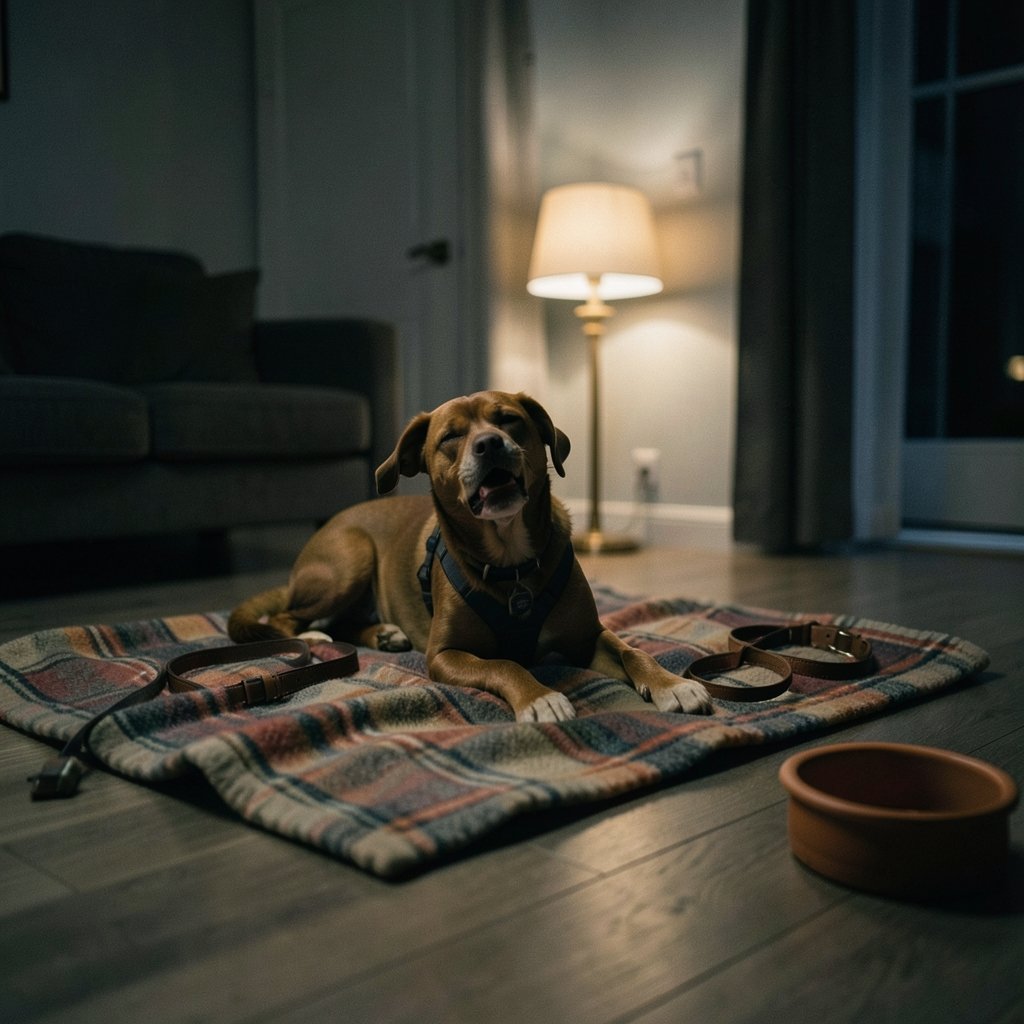
That sudden, dry, honking cough coming from your dog at 2 a.m. is hard to mistake for anything else. It sounds like something is stuck in the throat, and it often ends with a gag or a retch that produces nothing. If your dog has been around other dogs recently, there is a good chance you are hearing kennel cough, the common name for a group of respiratory infections that spread fast wherever dogs gather.
The good news is that most dogs recover fully. The trickier part is knowing when a mild cough is something to monitor and when it has turned into something that needs treatment. This article walks through what kennel cough actually is, how it spreads, what recovery usually looks like, and the practical steps that make a real difference.
What Is Kennel Cough?
Kennel cough is an umbrella term for canine infectious respiratory disease complex (CIRD). It is not one germ. It is a cluster of bacteria and viruses that produce similar symptoms, often in combination.
The most frequently cited bacterial cause is Bordetella bronchiseptica, and it is the main target of the common intranasal vaccines. Other players include canine parainfluenza virus, canine adenovirus type 2, and canine respiratory coronavirus. Mycoplasma species are also implicated in some cases.
Because several pathogens can cause it, the exact mix varies between outbreaks. That is one reason two dogs with kennel cough can sound and behave quite differently. One may cough for a week and barely slow down. Another may run a fever, go off food, and need veterinary support.
The name itself is a bit of a misnomer. Dogs pick it up at kennels, yes, but also at day care, grooming salons, training classes, dog shows, busy parks, and any home where a new dog has recently arrived.
How Kennel Cough Spreads
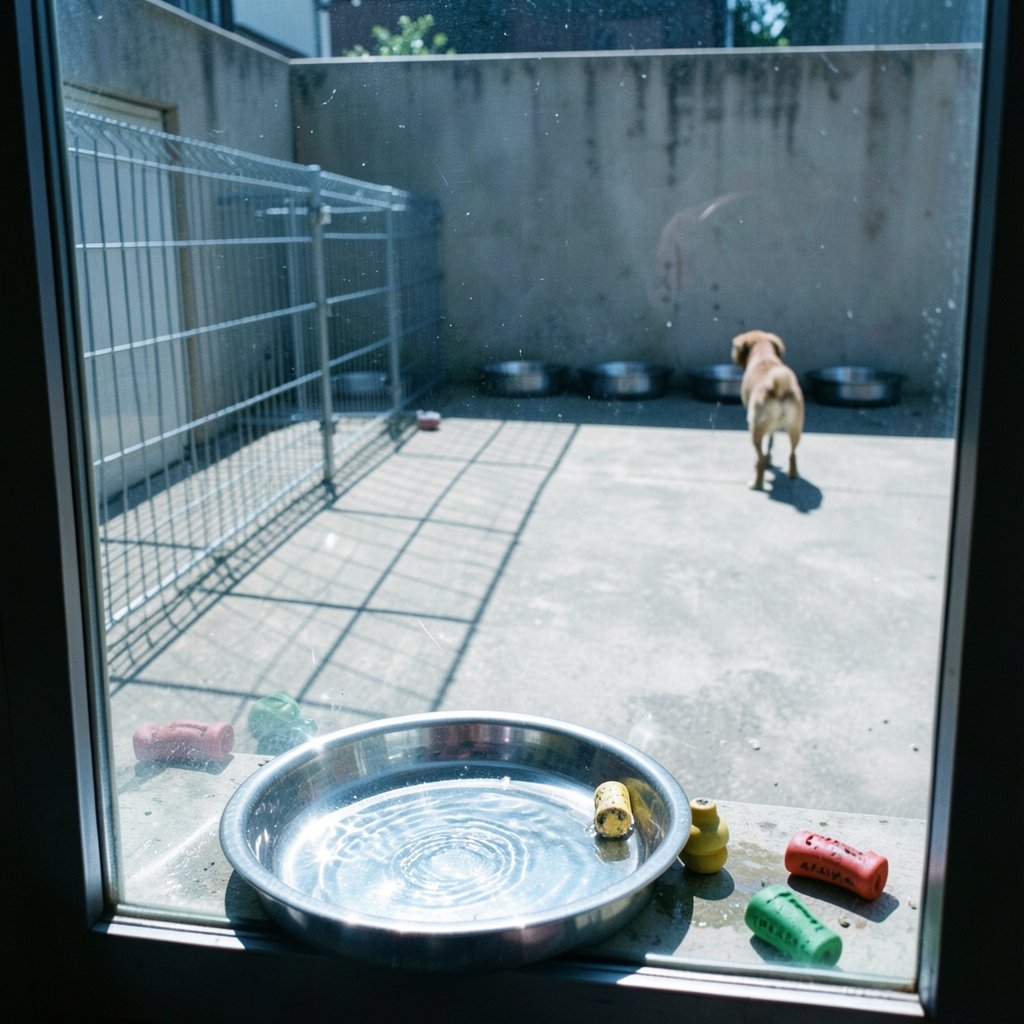
Transmission happens mainly through respiratory droplets and direct contact between dogs. A cough or a sneeze launches infectious particles a short distance, and a nearby dog breathes them in.
There is also an indirect route that owners underestimate. Contaminated surfaces, food and water bowls, toys, and handlers’ hands or clothing can carry pathogens from one dog to another. This is why outbreaks can sweep through a facility even when dogs are not directly touching.
Crowded settings raise risk sharply. The more dogs in one space, the more chances for a pathogen to find a new host. Stress and poor ventilation add to the problem.
Incubation is commonly cited as roughly 2 to 10 days. In uncomplicated cases, illness typically lasts about 1 to 3 weeks. Those figures vary by pathogen and by the individual dog, so treat them as a general guide rather than a schedule.
Symptoms: What Kennel Cough Actually Looks Like
The signature sign is a harsh, dry, honking cough, often followed by retching or gagging. Some owners describe it as a goose honk. Coughing tends to worsen with excitement, exercise, or pressure on the windpipe, which is why pulling on a collar and leash can trigger a fit.
Here is what owners commonly notice, and how it usually compares to more serious disease:
| Sign | Typical in mild kennel cough | Worth urgent veterinary attention |
|---|---|---|
| Cough | Dry, honking, comes in fits | Wet, productive, or persistent at rest |
| Appetite | Normal or slightly reduced | Refusing food for more than a day |
| Energy | Bright and active between coughs | Lethargic, reluctant to move |
| Breathing | Normal rate and effort | Fast, labored, or noisy breathing |
| Temperature | Normal | Fever, or a dog that feels hot |
| Discharge | None or clear | Thick yellow or green nasal discharge |
| Gum color | Pink | Pale, blue, or gray |
Many dogs stay otherwise bright and eat normally. That is the classic picture. The concerning version involves young puppies, senior dogs, or immunocompromised dogs, who can develop pneumonia as a secondary complication. A dog that is coughing but still stealing snacks and asking for walks is in a very different category from one that is flat out on the floor.
One practical warning: do not press on your dog’s throat to “test” for kennel cough. It is a common owner instinct, and it can trigger a coughing fit and add discomfort. Let the vet do the exam.
How Vets Diagnose It
In many cases, diagnosis is based on history and physical exam. If a dog has been at day care or a boarding facility in the past week and shows the classic honking cough while otherwise looking well, the picture is fairly clear.
Vets may still recommend tests when the case is severe, atypical, or slow to resolve:
- Airway swabs or washes to identify the pathogen involved
- Chest X-rays to check for pneumonia
- Bloodwork in more unwell dogs
Testing matters most in outbreaks, in shelters, and in dogs that are not improving as expected. It also helps reduce unnecessary antibiotic use, since many cases are viral.
Treatment: What Works and What Doesn’t
Most cases are managed supportively. The goal is comfort, rest, and letting the immune system do its job.
Practical supportive care
- Restrict exercise and excitement. A dog that sprints after a ball will cough harder and heal slower. Short, calm leash walks are usually fine.
- Swap the collar for a walking vest. Pressure on the neck irritates the windpipe. A vest with a front or back clip takes the load off the throat.
- Keep the air clean. Avoid cigarette smoke, strong cleaning fumes, and dusty rooms. Run a humidifier if the air is dry.
- Offer soft, tempting food. A sore throat makes kibble less appealing. Slightly warmed food or a little low-sodium broth can help.
- Separate the patient. Keep the coughing dog away from other dogs until the cough has fully settled, which often means a couple of weeks.
- Wash everything. Bowls, toys, bedding, and your own hands and clothes. This is the step owners skip most often, and it is the one that protects the rest of the household.
What about antibiotics?
Antibiotics are generally reserved for severe, persistent, or high-risk cases, because many infections are viral and antimicrobial stewardship matters. A dog with a mild cough, normal appetite, and good energy often does not need them. A dog with fever, thick discharge, or pneumonia does.
Cough suppressants are sometimes prescribed when coughing is preventing sleep or causing distress. Never reach for human cough medicine. Several common human products are unsafe for dogs.
Vaccination: What It Does and Doesn’t Do
Vaccines exist for Bordetella, often combined with parainfluenza, and are available as intranasal or injectable options. They reduce but do not eliminate the risk of illness. This is the single most misunderstood point about kennel cough vaccination.
A vaccinated dog can still catch kennel cough. What vaccination generally improves is the severity and duration of illness. Many boarding facilities, day cares, and training classes require proof of vaccination, which is why the intranasal version is so common.
The practical takeaway: if your dog is heading to a boarding facility for the holidays, plan the vaccine well ahead. Immunity is not instant, and many facilities want it administered at least a week or two before arrival. Check the specific requirement with the facility and your vet rather than assuming.
How Long Is Kennel Cough Contagious?
Dogs are generally considered contagious while they are coughing and for a period afterward. A sensible rule used by many facilities is to keep the dog home until the cough has been gone for several days, often around one to two weeks after symptoms resolve.
That means no day care, no dog park, no training class, and no meeting up with the neighbor’s puppy. It is frustrating, especially for a high-energy dog, but it is the difference between one sick dog and a whole street of them.
Common Mistakes Owners Make
A few patterns show up again and again in how kennel cough is handled at home.
Assuming the collar is fine. A dog that coughs every time the leash tightens is being irritated dozens of times a day. Switching to a walking vest is a small change with an outsized effect.
Rushing back to normal activity. Owners often feel guilty about restricting a dog that seems mostly fine. But exercise and excitement trigger coughing, and coughing delays healing. A week of calm is faster than three weeks of on-and-off setbacks.
Skipping the isolation. A dog that seems better can still be shedding. Waiting a few extra days protects other dogs, especially puppies and seniors.
Using leftover antibiotics. Antibiotics from a previous illness are the wrong drug, the wrong dose, and often unnecessary. They also contribute to resistance.
Ignoring a change for the worse. The key signal is not the cough itself but the dog behind it. A cough plus a dog that stops eating, runs a fever, or breathes fast is a different situation.
When to Call the Vet
Contact a vet promptly if a dog shows any of the following:
- A cough that lasts more than two to three weeks or keeps getting worse
- Fever, lethargy, or refusal to eat
- Fast, labored, or noisy breathing
- Thick yellow or green nasal discharge
- A puppy, senior, pregnant, or immunocompromised dog with any symptoms
- Any dog that seems to be struggling for air
For a healthy adult dog with a mild honking cough, a phone call to the clinic is often enough to plan a sensible approach. For a dog in the second list, an exam is worth it.
Preventing Kennel Cough in the First Place
There is no way to guarantee a dog never catches kennel cough, but risk can be meaningfully reduced:
- Vaccinate according to your vet’s advice, especially before boarding or day care
- Ask about health policies at any facility before booking
- Keep sick dogs home and encourage others to do the same
- Avoid shared water bowls at parks and events
- Wash hands after handling other people’s dogs
- Reduce stress around boarding and travel where possible
None of these is a force field. Together, they lower the odds and, just as importantly, slow the spread when an outbreak does start. If you want a broader reference on canine health and care topics, resources like OCCCY cover related guides for dog owners.
Conclusion
Kennel cough sounds worse than it usually is. For most healthy adult dogs, it means a week or two of honking coughs, a bit of rest, and a full recovery. The owners who handle it best tend to do three things: they swap the collar for a walking vest, they keep the dog quiet and away from other dogs for longer than feels necessary, and they watch the dog rather than the cough. If the dog stays bright, eats well, and breathes normally, patience is usually the right treatment. If the dog changes, that is the signal to call the vet. Knowing the difference is most of the battle.
Frequently Asked Questions
Is kennel cough dangerous for dogs?
For most healthy adult dogs, kennel cough is mild and resolves on its own within one to three weeks. It becomes dangerous when it develops into pneumonia, which is a bigger risk for puppies, senior dogs, and immunocompromised dogs. Fast or labored breathing, fever, and refusal to eat are the signs that warrant prompt veterinary attention.
Can humans catch kennel cough from dogs?
Bordetella bronchiseptica, one of the main causes, can in rare cases infect people with severely weakened immune systems. Healthy people are generally not at risk. Basic hygiene, such as washing hands after handling a coughing dog and keeping its bowls separate, is a sensible precaution, especially in households with immunocompromised members.
How long does kennel cough last?
Uncomplicated cases typically last about one to three weeks, with the cough often peaking in the first week and gradually easing. Some dogs have a lingering dry cough for a bit longer. A cough that lasts beyond two to three weeks, or that worsens instead of improving, should be checked by a vet.
Should I walk my dog with kennel cough?
Short, calm leash walks are usually fine and can help keep a dog sane during recovery. Avoid intense exercise, dog parks, day care, training classes, and any place where other dogs gather. A walking vest instead of a collar reduces pressure on the irritated windpipe, which makes walks more comfortable.
Does the kennel cough vaccine stop my dog from getting it?
No. The vaccine reduces the risk and generally lessens the severity and duration of illness, but vaccinated dogs can still catch kennel cough. Many boarding facilities and day cares require proof of vaccination, so plan ahead, since immunity is not immediate after the shot.
How is kennel cough treated?
Most cases are managed with rest, restricted activity, clean air, soft food, and isolation from other dogs. Antibiotics are generally reserved for severe, persistent, or high-risk cases, since many infections are viral. Cough suppressants are sometimes prescribed when coughing prevents sleep, but human cough medicines should never be given to dogs.



