
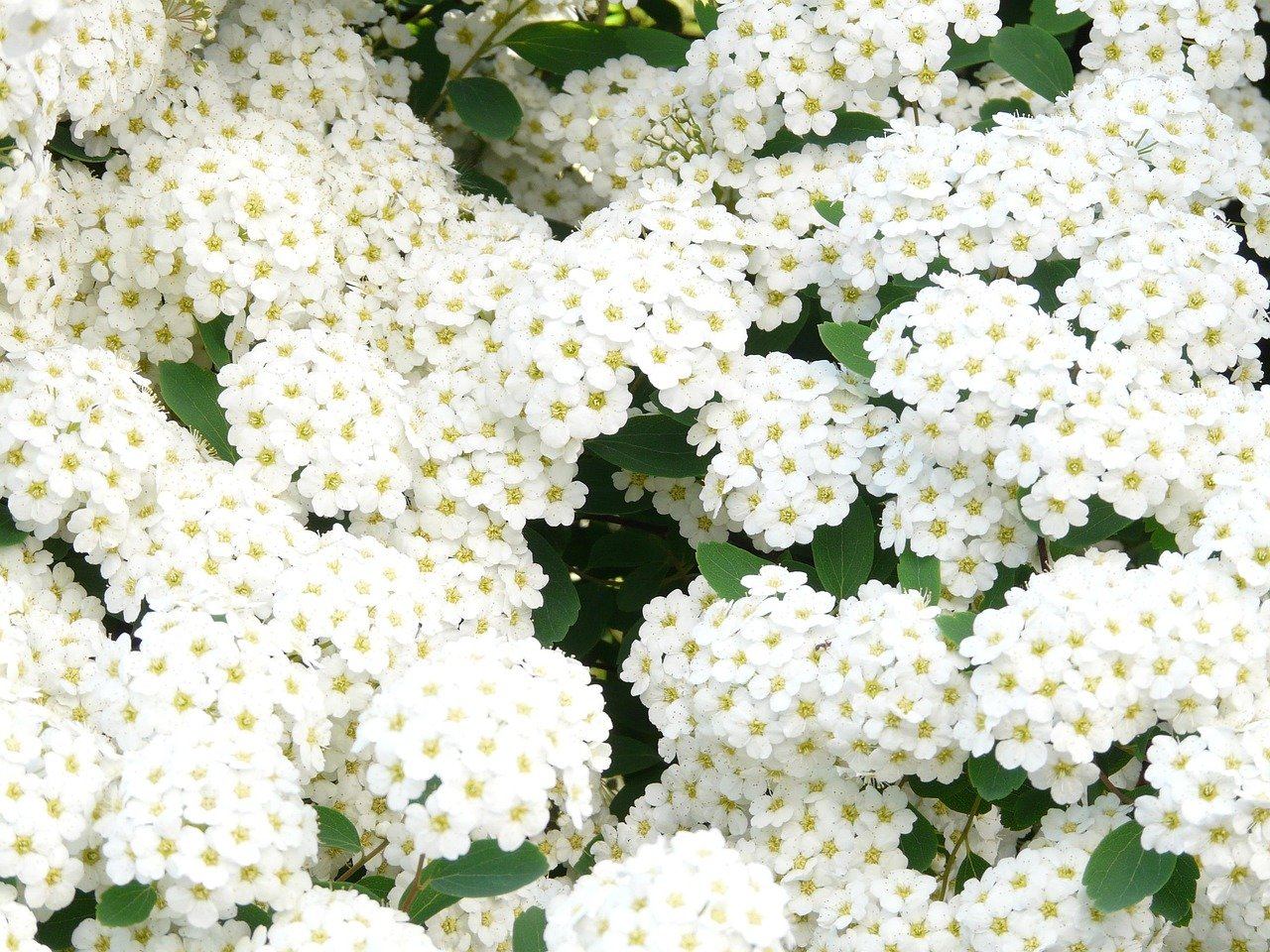
What shrub shrugs off neglect, blooms in its first or second year, feeds bees by the thousands, and still gets confused with a dozen other plants at the garden center? If you guessed spiraea, you already know where this is going. The name gets spelled two ways, the genus covers roughly 80 to 100 species depending on which authority you ask, and the plants range from dainty spring bridal wreaths to tough summer bloomers that will grow in a strip of gravel beside a driveway. This guide sorts out what spiraea actually is, which types are worth planting, how to prune them without wrecking the flower show, and where the plant crosses the line from garden asset to invasive headache.
What Is Spiraea, Exactly?
Spiraea is a genus of deciduous shrubs in the rose family, Rosaceae. The name traces back to the Greek word speiraia, which referred to a plant used for garlands, and Linnaeus formally established the genus in his 1753 work Species Plantarum. Most species are native to the temperate Northern Hemisphere, which is why so many of them handle cold winters without complaint.
Botanically, spiraea sits in the subfamily Spiraeoideae, though modern classification systems have shuffled that placement around within the broader rose family. For gardeners, the practical takeaway is simple: these are woody shrubs with alternate leaves, clusters of small five-petaled flowers, and a reputation for being among the least fussy flowering plants you can buy.
The spelling confusion is worth clearing up early. “Spiraea” is the scientific genus name. “Spirea” is a common Americanized spelling you will see on nursery tags and in older garden books. Both refer to the same plants, and no plant called spirea exists outside this genus. Search either spelling and you will land in the same place.
The Main Types and What Each One Does
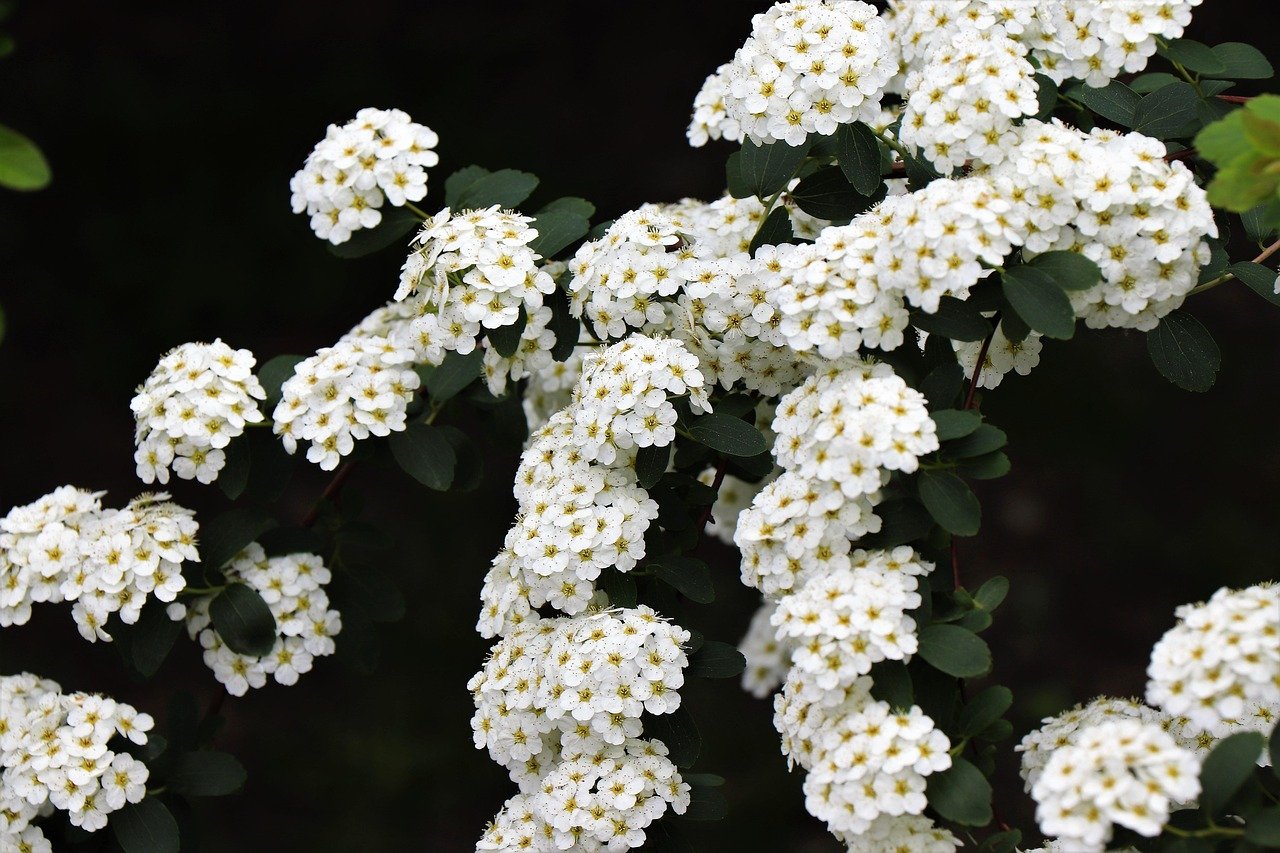
Not all spiraeas behave the same way, and picking the wrong one for your spot is the most common mistake people make. The genus splits fairly cleanly into spring bloomers and summer bloomers, and that timing determines almost everything about how you prune and where you plant.
| Type | Bloom Time | Flower Color | Best For | Watch Out For |
|---|---|---|---|---|
| Bridal wreath (Spiraea prunifolia) | Early spring | Double white | Spring display, cut branches | Blooms on old wood, so prune right after flowering |
| Vanhoutte spiraea (Spiraea x vanhouttei) | Late spring | White | Hedges, cascading form | Gets large, needs room |
| Japanese spiraea (Spiraea japonica) | Summer | Pink, red, white | Low borders, color | Can spread and naturalize |
| White meadowsweet (Spiraea alba) | Mid to late summer | White | Wet spots, native plantings | Wants moisture, not drought |
| Bumald spiraea (Spiraea x bumalda) | Summer | Pink to red | Small gardens, mass plantings | Same spread concerns as Japanese types |
Spring Bloomers: The Bridal Wreath Group
Spiraea prunifolia, the bridal wreath spiraea, is the classic arching shrub covered in double white flowers before the leaves fully open. It arrived in Western gardens from East Asia during the 19th century, and it has stayed popular because almost nothing else blooms that early with that much flower density. Vanhoutte spiraea is the other big spring name, a hybrid with a graceful fountain shape that makes a fine informal hedge.
The catch with spring bloomers is that they set their flower buds the previous season. Prune them in late winter or early spring and you cut off the entire year’s bloom. The fix is easy but requires patience: prune immediately after the flowers fade, never before.
Summer Bloomers: The Japanese Spiraea Group
Spiraea japonica and its many cultivars bloom on new wood, which means they flower in summer on growth produced that same spring. This is why the standard advice is to cut Japanese spiraea back hard in late winter or early spring. You lose nothing, because the flowers come on the new stems, and you gain a tidier, more compact plant with larger flower clusters.
This group is where most of the colorful foliage lives. Cultivars with chartreuse, gold, or reddish new growth are almost all Japanese spiraea selections. They are also the group most likely to escape the garden, which is covered further down.
Native Options: White Meadowsweet
Spiraea alba, white meadowsweet, is native to eastern North America and grows naturally in wet meadows and along stream margins. If you have a low, damp spot that drowns more delicate shrubs, this is a strong candidate. It blooms white in mid to late summer and supports pollinators when many other shrubs have finished. It is not a plant for dry, baking sites, so match it to moisture and it will thrive.
Why Spiraea Earns Its Place in the Garden
The case for spiraea rests on three things: reliability, pollinator value, and speed.
Reliability comes first. These shrubs tolerate poor soil, road salt, air pollution, and serious cold. They flower in their first or second season after planting, which is fast for a woody shrub. Few plants deliver that much bloom for that little effort.
Pollinator value is real, not marketing. Spiraea flowers are small and shallow, which makes them accessible to a wide range of insects, including short-tongued bees and hoverflies that struggle with deep tubular flowers. A summer-blooming spiraea in full flower is genuinely loud with insect activity. Some spiraea species also serve as larval host plants for certain moths and butterflies, though the exact list varies by region and species.
Speed matters for new gardens. Spiraea fills space quickly, which cuts both ways. It gives you a finished-looking border in two years instead of five. It also means you need to stay on top of pruning if you want a tidy shape.
How to Plant and Grow Spiraea
Spiraea is close to foolproof, but a few details separate a plant that merely survives from one that looks spectacular.
- Pick the right species for your spot. Spring bloomers want room to arch. Summer bloomers want full sun for the heaviest flower set. Meadowsweet wants moisture. Getting this wrong is the number one cause of disappointing plants.
- Plant in full sun for best flowering. Spiraea tolerates part shade, but flower counts drop noticeably. In hot climates, a little afternoon shade helps prevent leaf scorch on the gold-leaved cultivars.
- Improve the soil only modestly. These shrubs handle average to poor soil. Rich, heavily amended soil pushes soft growth that flops and invites disease. A modest amount of compost at planting is plenty.
- Water deeply during establishment. The first season matters most. Once rooted, most species handle short dry spells without help, though meadowsweet is the exception and wants consistent moisture.
- Mulch to keep roots cool. Two to three inches of mulch keeps weeds down and moisture in. Keep it pulled back from the stems.
- Skip the fertilizer. Spiraea rarely needs it, and excess nitrogen produces floppy growth with fewer flowers.
Pruning Without Losing the Show
Pruning is where spiraea separates the careful gardener from the frustrated one. The single rule that solves most problems: prune spring bloomers right after flowering, and prune summer bloomers in late winter or early spring before growth starts.
For summer bloomers, cut the plant back to roughly 6 to 12 inches above the ground every year or two. This sounds brutal, but it produces a compact, floriferous plant instead of a leggy, woody mess. For spring bloomers, remove a third of the oldest stems at the base right after bloom, which renews the shrub gradually while keeping the arching shape. A hard renovation cut on an overgrown spring bloomer costs you one year of flowers but resets the plant for a decade.
One more practical note: deadheading summer spiraea after the first flush often triggers a second, lighter bloom. It takes ten minutes and extends the season by weeks.
Common Problems and What Actually Works
Spiraea is tough, but a few issues come up repeatedly.
Aphids cluster on new growth in spring, especially on Japanese spiraea. A strong blast of water knocks them back, and beneficial insects usually finish the job. Reach for insecticide only if the population is genuinely out of hand, because sprays also kill the predators that would have solved the problem for free.
Fire blight, caused by the bacterium Erwinia amylovora, is the more serious concern. It turns shoot tips black as if scorched and can spread down branches. The standard response is to prune out infected wood well below the visible damage, sterilizing tools between cuts. Avoid heavy nitrogen feeding, which makes plants more susceptible.
Deer browse spiraea, particularly the softer new growth. It is not a deer-proof plant, despite what some tags claim. If deer pressure is heavy, protect young plants until they size up.
Spent flowers on some cultivars look brown and messy rather than dropping cleanly. Shear them off if the look bothers you, or choose cultivars that drop their flowers naturally.
The Invasive Question
This is the part of the spiraea story that deserves honest attention. Spiraea japonica has naturalized in parts of North America and Europe, and it appears on invasive plant lists in several U.S. states. Status varies by jurisdiction and changes over time, so check your own state or region rather than assuming.
Why does it spread? Japanese spiraea produces lots of seed and colonizes disturbed ground, roadsides, and woodland edges readily. In a garden it stays put if you deadhead, but where seed escapes, it can form dense stands that crowd out native vegetation.
What actually works in practice:
- Deadhead summer-blooming spiraea before seed sets, especially if you garden near natural areas.
- Choose cultivars described as low-fertility or seedless where available, though claims vary and are worth verifying.
- Plant native Spiraea alba in wet-site gardens where you want the ecological benefits without the spread risk.
- Skip spiraea entirely if you garden directly adjacent to a high-value natural area and cannot commit to deadheading.
None of this means you should rip out an existing Japanese spiraea. It means plant it with eyes open, and manage the seed.
Spiraea Design Ideas That Work
Spiraea shines in specific roles, and knowing them saves you from awkward plantings.
As a flowering hedge, Vanhoutte spiraea is hard to beat. It knits together into a dense screen, handles shearing, and delivers a white spring display. Plant it where you can let it arch rather than clipping it into a tight box.
As a low border, dwarf Japanese spiraea cultivars work well along paths and driveways. Their gold and lime foliage carries color all season, beyond the bloom period. Shear them lightly after the first bloom to keep them dense.
As a pollinator plant, a drift of summer-blooming spiraea near a vegetable garden pulls in beneficial insects. This is one of the most practical uses and one of the least discussed.
As an erosion control plant, spiraea’s fibrous roots and tolerance of poor soil make it useful on banks, though check local guidance before planting non-native species on sensitive sites.
For more on shrub selection and garden planning, useful reference material is available through OCCCY.
Conclusion
Spiraea is one of those plants that rewards a little knowledge with a lot of flower. Get the bloom timing right and pruning becomes obvious. Match the species to your soil and moisture, and the plant does the rest. Watch the seed set on Japanese types, and you get the garden benefits without the spread problem. Whether you spell it spiraea or spirea, this is a genus that earns its place: fast, tough, generous with pollinators, and forgiving of the mistakes most gardeners make. Plant one this season, prune it at the right time, and it will make the case for itself better than any description can.
Frequently Asked Questions
What is the difference between spiraea and spirea?
They are the same plant. Spiraea is the scientific genus name, and spirea is the common Americanized spelling used on many nursery tags. No separate plant called spirea exists.
When should spiraea be pruned?
It depends on bloom time. Spring bloomers like bridal wreath should be pruned immediately after flowering, because they set buds the previous year. Summer bloomers like Japanese spiraea should be pruned in late winter or early spring, since they flower on new growth.
Is Japanese spiraea invasive?
It has naturalized in parts of North America and Europe and appears on invasive plant lists in several U.S. states. Status varies by jurisdiction, so check locally. Deadheading before seed set greatly reduces spread risk in gardens.
Does spiraea need full sun?
Full sun produces the heaviest flowering. Spiraea tolerates part shade, but flower counts drop. In hot climates, a little afternoon shade helps prevent leaf scorch on gold-leaved cultivars.
Why is my spiraea not blooming?
The most common cause is pruning at the wrong time, which removes flower buds on spring-blooming types. Other causes include too much shade, excessive nitrogen fertilizer producing leafy growth at the expense of flowers, and very young plants still establishing.
Is spiraea good for pollinators?
Yes. The small, shallow flowers are accessible to short-tongued bees, hoverflies, and many other insects. Summer-blooming species are especially valuable because they flower when many other shrubs have finished.



