
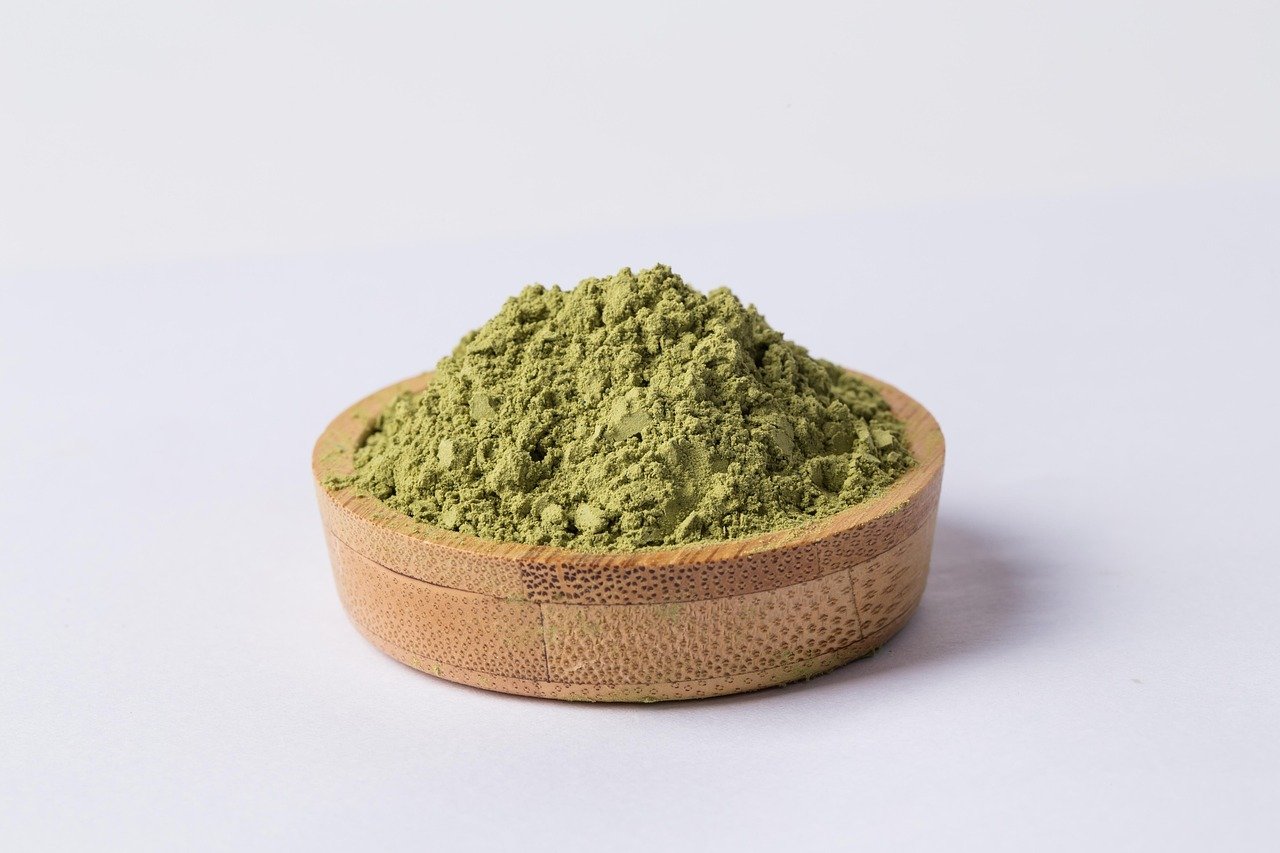
Quick Answer: What is matcha?
Matcha is a bright green powder made from shade-grown tea leaves that are steamed, dried, and ground fine enough to whisk into water and drink whole. You will find it served as a frothy ceremonial bowl, blended into lattes and smoothies, and used as a flavoring in desserts and snacks.
It differs from ordinary green tea because the leaf itself is consumed rather than steeped and thrown away, which is why a small scoop delivers more caffeine and more leaf compounds. It is also not the same as matcha-style powders or generic “green tea powder,” which may skip the shading step entirely.
Before you buy or brew, compare grade (ceremonial vs. culinary), origin and producer, color and aroma, caffeine per serving, price per gram, and how you plan to drink it.
A Powder You Drink, Not a Tea You Steep
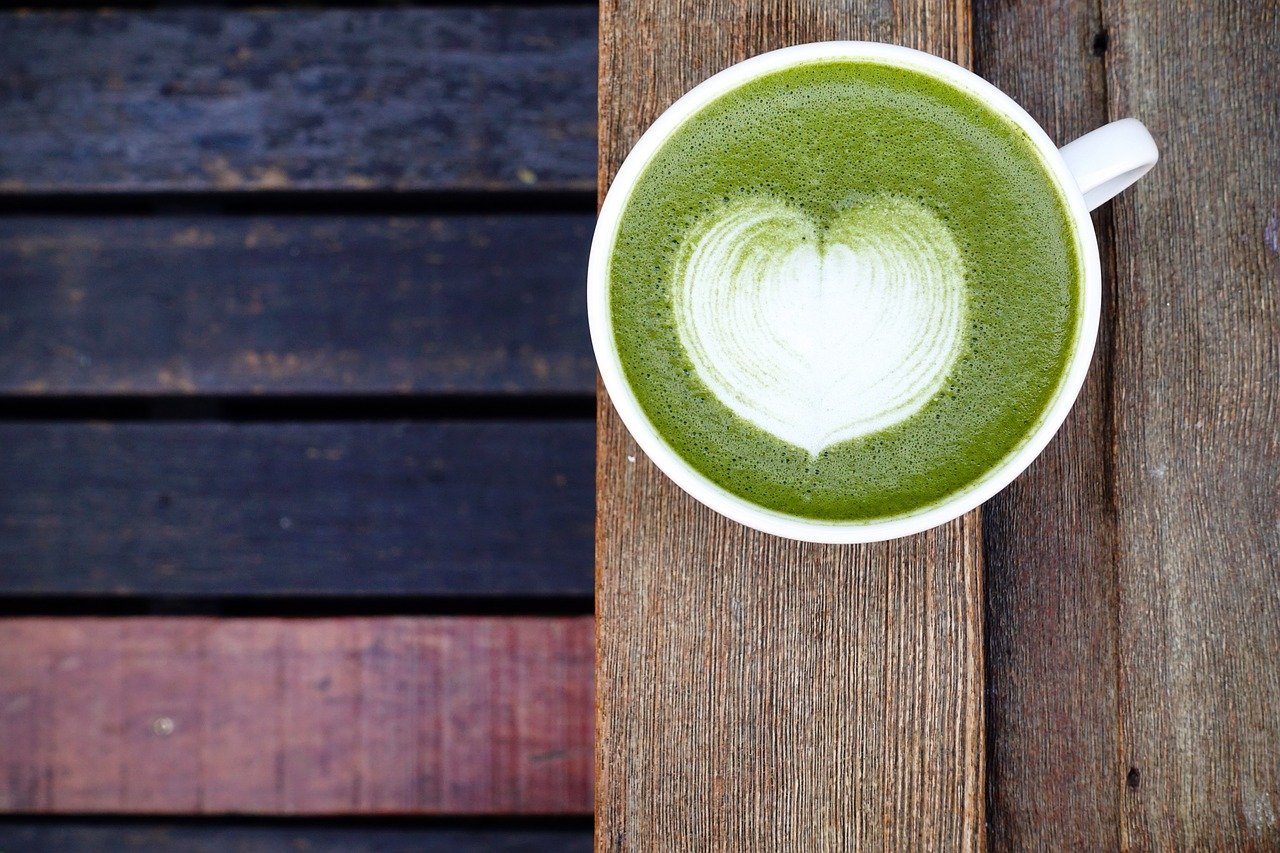
Have you ever ordered a green latte and watched the barista scoop bright powder from a small tin, sift it, and whisk it into a froth? That powder is matcha, and it works nothing like a tea bag.
Matcha is finely milled green tea made from Camellia sinensis, the same plant behind black tea and oolong. What sets it apart is how it is grown and finished. The leaves are shaded before harvest, steamed to stop oxidation, stripped of stems and veins, and then ground into a powder fine enough to suspend in water. You drink the leaf, not an infusion of it.
That single fact explains most of what follows: the vivid color, the price, the caffeine punch, and why a cheap tin can taste like grass clippings while a good one tastes sweet and oceanic.
How Matcha Gets Its Color, Sweetness, and Price
Shading changes the leaf
Roughly the last 20 to 30 days before picking, growers cover the plants to cut sunlight. The plant responds by making more chlorophyll, which deepens the green, and more L-theanine, an amino acid linked to the calm-but-alert feeling people describe after drinking matcha. Shading also reduces catechins, the compounds responsible for bitterness. The day range varies by region and producer, so treat it as approximate.
That shading step is the dividing line between real matcha and ordinary green tea powder. Skip it and you get a duller, harsher powder that costs less and tastes flatter.
Stone grinding is slow on purpose
After steaming and drying, the leaf becomes tencha, the raw material for matcha. Then comes the bottleneck: stone mills turn slowly, traditionally producing on the order of tens of grams per hour per mill. That throughput, not marketing, is a big reason authentic matcha costs what it does. Throughput figures vary by source, but the principle holds.
Grades are trade terms, not law
You will see ceremonial grade and culinary grade on tins everywhere. Ceremonial generally means younger leaves intended for drinking plain; culinary means later leaves meant for blending into food and milk drinks. These are trade labels, not a formal legal standard, so definitions shift between producers. A “ceremonial” tin from one brand may not match another’s.
Matcha vs. Loose-Leaf Green Tea vs. Green Tea Powder
| Feature | Matcha | Loose-leaf green tea | Generic green tea powder |
|---|---|---|---|
| What you consume | The whole ground leaf | Steeped water only | Milled leaf, often unshaded |
| Color | Bright, vivid green | Pale yellow-green liquor | Dull, olive, or brownish green |
| Caffeine per serving | Higher, since you drink the leaf | Lower, depends on steep time | Variable, often lower grade |
| Flavor | Sweet, grassy, umami, low bitterness | Light, vegetal, can turn bitter | Harsh, astringent, flat |
| Typical use | Whisked tea, lattes, baking | Everyday drinking | Blending, bulk food production |
| Price per gram | Highest | Low to moderate | Lowest |
The caffeine point matters. Because the whole leaf is consumed, matcha delivers more caffeine and catechins per gram than steeped green tea. Exact numbers swing widely by grade and scoop size, so read the label rather than trusting a generic figure.
A Short History of Shaded Tea
Powdered tea did not begin in Japan. Earlier Chinese practice involved whisking powdered tea, and the technique traveled east, where Japanese growers refined shading and stone grinding into what we now call matcha. The method is generally traced to roughly the 14th to 16th centuries in Japan, building on that older foundation.
From there, matcha became central to chanoyu, the Japanese tea ceremony, where whisking, serving, and receiving a bowl are choreographed with care. If you want the cultural context in depth, the background on the Japanese tea ceremony explains the ritual’s structure and philosophy far better than a paragraph here could.
How to Prepare Matcha So It Actually Tastes Good
Here is where most people go wrong. They dump powder into boiling water, stir with a spoon, and get a bitter, clumpy drink. Matcha is forgiving once you know the moves.
- Sift the powder. A small fine-mesh sieve breaks up clumps that a whisk cannot reach. Skip this and you get dry pockets floating on top.
- Use hot, not boiling, water. Around 70 to 80 °C is the common convention. Boiling water pushes bitterness forward.
- Whisk, don’t stir. A chasen (bamboo whisk) in a zigzag motion builds foam. A fork works in a pinch; a spoon does not.
- Measure deliberately. A typical bowl uses about one to two grams of powder in roughly 60 to 70 ml of water. More powder means thicker, stronger tea, not better tea.
- Drink it fresh. Ground matcha loses aroma and color with air and light. Store it sealed, cool, and dark.
For cold drinks, the technique changes slightly. If you want a cold glass that stays smooth instead of gritty, this guide to making iced matcha that stays smooth, bright, and clump free walks through the sifting and shaking order that prevents sludge at the bottom.
Milk drinks have their own failure mode: too much heat and too much powder. A method for making a matcha latte that tastes smooth, not bitter covers ratios and temperature so the drink tastes like matcha rather than sweetened grass. (Matcha)
Common Mistakes and What Actually Works
Beyond brewing, a few habits quietly ruin matcha for people.
Buying culinary grade for drinking. Culinary matcha is built for cakes and blends. Drunk plain, it often tastes sharp. If you want to sip it, spend on ceremonial.
Judging by color alone. Bright green is a good sign, but some producers add color or use young leaves with little flavor. Smell the tin: fresh matcha smells sweet and green, not dusty or fishy.
Storing it in the fridge door. Condensation and temperature swings degrade powder fast. Keep it sealed in a cool cupboard, or in the fridge only if the tin is airtight and you let it come to room temperature before opening.
Expecting a caffeine-free drink. Matcha contains caffeine. If you are sensitive, drink it earlier in the day and start with a small scoop.
Ignoring contaminants. Because the whole leaf is consumed, some testing has found lead in matcha, with levels varying by product and origin. Public-health bodies have not issued matcha-specific limits that are easy to cite, so buy from producers who publish testing and rotate brands rather than drinking one tin for years.
Matcha in Food, Drink, and Everyday Ritual
Matcha’s reach goes well beyond the tea bowl. It flavors ice cream, mochi, cakes, and chocolate; it appears in smoothies, protein shakes, and cocktails; and it has become a fixture in café menus worldwide. In the EU and UK, “matcha” is not a protected designation, so it is sold simply as green tea powder, which means the label tells you less than you might hope.
The ritual side is part of the appeal too. Whisking a bowl takes two minutes, forces you to slow down, and produces something that feels more deliberate than pressing a button on a machine. That small ceremony, more than any health claim, is why many people keep a tin in the cupboard.
Does Matcha Really Deliver Calm Energy?
This is the claim you see everywhere, so it deserves a careful answer. Matcha contains both caffeine and L-theanine, and theanine is well documented in tea. The pairing is often credited with the “calm alertness” people report. Theanine’s presence in tea is not in dispute; what is less settled is how much of the matcha-specific cognitive effect comes from theanine versus expectation, dose, and the ritual itself.
The honest summary: matcha does contain caffeine and does contain theanine, and many people find the combination smoother than coffee. Treat dramatic claims about focus or metabolism with skepticism until you see the dose and the study design.
Buying Matcha Without Wasting Money
A few practical checks make the decision easier. Ask what you plan to do with it. Sipping plain calls for ceremonial grade; lattes and baking tolerate culinary grade at a much lower price. Compare price per gram, not per tin, since tin sizes vary wildly. Look for a harvest date rather than a vague best-before. And buy small first: a 30-gram tin is enough to learn whether you like a producer’s style before committing to a larger order.
If you are building out a kitchen setup and comparing gear generally, the same logic that applies to picking equipment for a hobby applies here, whether that means a proper whisk or a monitor that matches how you actually play, as laid out in this guide to choosing a gaming monitor that matches the panel you actually play on. Buy for the use you have, not the one you imagine.
Sports fans comparing performance data face a similar discipline of reading numbers carefully rather than skimming headlines, whether they are checking Packers vs Lions player stats in this 2026 match guide, reading Tennessee Titans vs Cleveland Browns match player stats, working through Bengals vs Ravens match player stats without getting misled, or reviewing Arizona Cardinals vs Dallas Cowboys match player stats. The same patience pays off with matcha labels: read closely, compare like with like, and ignore the loudest claim.
Conclusion
Matcha is not a mysterious superfood or a marketing invention. It is shade-grown tea, steamed, de-stemmed, and stone-ground into a powder you drink whole. That process explains the color, the sweetness, the caffeine, and the cost. Once you know to sift the powder, use water well below boiling, and match the grade to the job, the drink stops being fussy and starts being genuinely good. Start with a small tin of ceremonial grade, whisk one bowl properly, and judge for yourself.
Frequently Asked Questions
Is matcha the same as green tea?
They come from the same plant, but the processing differs. Matcha is shade-grown, ground into powder, and consumed whole. Ordinary green tea is steeped and the leaves are discarded, so you extract flavor and caffeine rather than ingesting the leaf itself.
How much caffeine is in a bowl of matcha?
It varies widely by grade and scoop size, since you are consuming the whole leaf. Matcha generally delivers more caffeine per serving than steeped green tea, but published figures swing enough that the label on your tin is a better guide than a generic number.
Can I drink matcha every day?
Many people do. The main considerations are caffeine intake, which adds up if you also drink coffee, and contaminants such as lead, which have been found in some products at varying levels. Buying from producers who publish testing and rotating brands are reasonable precautions.
What is the difference between ceremonial and culinary matcha?
Ceremonial grade is made from younger leaves and intended for drinking plain. Culinary grade comes from later leaves and is meant for baking, smoothies, and milk drinks. These are trade terms rather than a legal standard, so quality varies between producers using the same label.
Does matcha need to be organic?
Not necessarily, but organic certification is one signal among several. More useful checks are a visible harvest date, a sealed and light-blocking tin, a fresh sweet smell, and a producer who is transparent about origin and testing.
Why is good matcha so expensive?
Stone grinding is slow, traditionally producing only tens of grams per hour per mill, and shading the plants adds cost and lowers yield. Add small harvests and careful grading, and the price per gram climbs well above ordinary loose-leaf tea.



