Quick Answer: Matter and Thread in 2027: Did Smart Home Standards Finally Unify?
The smart home has moved much closer to real cross-brand compatibility, but it has not reached full unification. Matter now acts as a shared application layer that lets certified devices talk to Apple Home, Google Home, Amazon Alexa, and other controllers, while Thread 1.4 finally lets devices from different brands join the same low-power mesh network.
The distinction matters because the two standards solve different halves of the same problem. Matter handles how devices describe themselves and accept commands, and Thread handles how they stay connected without Wi-Fi. Neither one erases every quirk, and older gear such as Zigbee devices still needs a bridge.
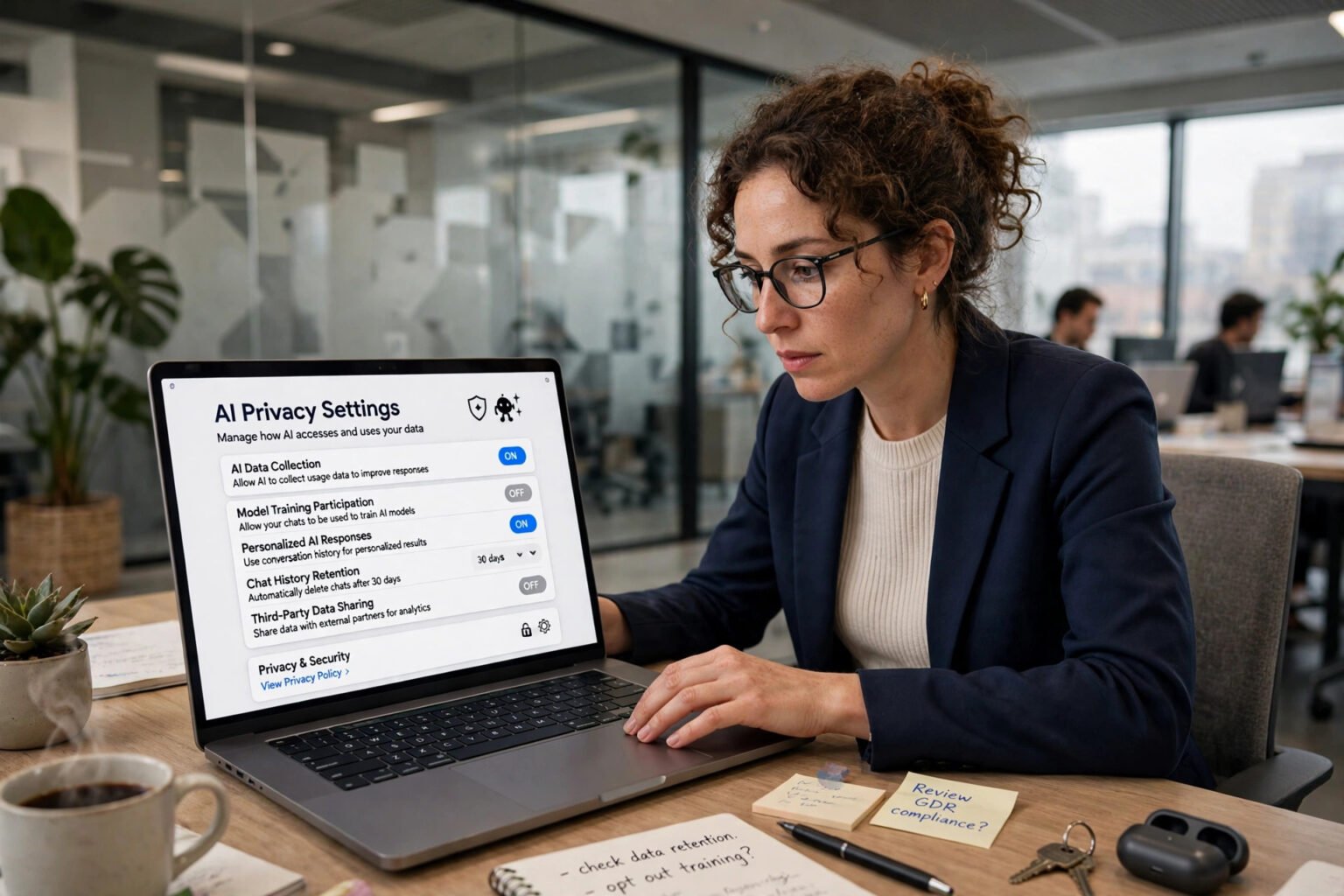
Before buying anything, check the certification badge on the box, whether the device runs over Thread, Wi-Fi, or Ethernet, which hubs or border routers the home already has, how many separate networks the setup will create, and whether the product supports multi-admin control across platforms.
Walk into any electronics store and the shelves tell a confusing story. A smart bulb box says “Works with Matter.” The lock next to it says “Thread.” The hub on the endcap says “Works with Alexa, Google, and Apple Home.” Three logos, three promises, and a shopper standing there wondering whether any of it actually means the same thing.
That confusion is exactly what Matter and Thread were built to end. The question worth asking in 2027 is whether they delivered. The honest answer sits somewhere between “much better than it used to be” and “not quite the plug-and-play dream the marketing implies.”
What Matter and Thread Actually Do, and Why They Get Confused

Matter and Thread get mentioned in the same breath so often that people assume they are the same thing. They are not, and separating them clears up most of the confusion.
Matter is an open, IP-based connectivity standard developed by the Connectivity Standards Alliance, or CSA. It sits above networking technologies such as Wi-Fi, Ethernet, and Thread rather than replacing them. Think of it as a common language: instead of every manufacturer inventing its own dialect, Matter-certified products get a shared way to communicate. A Matter device can potentially join different Matter-compatible ecosystems rather than locking its buyer into one brand.
Thread is the low-power wireless mesh that most Matter devices ride on. It handles the plumbing, keeping battery-powered sensors and locks connected without draining their cells or clogging the Wi-Fi network.
So Matter is the translator and Thread is the road. A device can be Matter-certified and run over Wi-Fi instead of Thread. A device can use Thread without being Matter. The magic only happens when both are in place.
For anyone building a system around voice control, the practical upside is that Matter has loosened the grip of any single platform. That shift is why the best smart speaker for multiple smart home devices now gets judged on how gracefully it handles devices it did not make.
The Thread 1.4 Breakthrough That Changed the Math
For years, Thread had an embarrassing flaw. Each Thread network could only connect devices from the same brand. A Google mesh network accepted Google devices. Amazon and Apple networks did the same, and each kept to its own corner. That limitation carried through version after version, including Thread 1.3 released in 2022.
Thread 1.4 broke the wall. Through a credential-sharing mechanism, devices from Amazon, Apple, Google, Samsung, or any other Thread Group member can now join the same mesh network. From January 1, 2026, Thread 1.4 became the only certified standard in the program.
That is a bigger deal than it sounds. It means a household can stop running parallel networks for every brand it owns. It also means border routers from different companies can cooperate instead of competing for the same airwaves.
The wider picture is that three technologies matured at roughly the same time: Thread 1.4 for low-power mesh, Wi-Fi 7 for high-bandwidth work, and Matter as the cross-network translator. Together they turned mesh networking from a concept into something that works in real homes. Not every expert expects the arrangement to last forever. Mihail Sichitiu, a professor of electrical and computer engineering at North Carolina State University, predicted that eventually one mesh technology will absorb or integrate the others. His reasoning was simple: that is how other fields have evolved, and it is only a matter of time.
Compatibility Is Not the Same as Interoperability
Here is where the story gets less tidy. Every major platform now ships products labeled “Matter-compatible,” and shoppers reasonably read that as “it will just work.” Compatibility and interoperability are not the same promise.
A widely reported example made the gap concrete: one home ended up running nine separate Thread networks, all nominally part of the same smart home ecosystem. The homeowner had not broken anything. The systems were doing exactly what they were designed to do. That was the problem.
The pattern repeats in smaller ways. A device pairs smoothly with one controller but exposes fewer features in another. A sensor shows up in Apple Home but not in a third-party dashboard. Setup wizards vary wildly between platforms, so the same bulb can take thirty seconds on one app and ten frustrating minutes on another.
None of this means Matter failed. It means the standard standardized the plumbing, not the entire experience. The layer where manufacturers still differentiate, through apps, automations, and feature depth, is precisely the layer Matter does not control.
What This Means for Apple, Google, Amazon, and the Rest
The biggest signal of change is what the giants did with their own proprietary systems. Apple stopped advancing the underlying HomeKit protocol years ago and shifted fully onto Matter as its foundation. In October 2026, Apple released its Apple Home Collection, a line of accessories it designed but had built by partners including LG and Schneider Electric. Nearly all of it supports Matter and communicates over Thread.
Read that again: Apple, the company most associated with walled gardens, now sells hardware whose entire premise is cross-platform operation. That is a strategic turn, not a marketing tweak.
Amazon and Google followed the same current, joining the CSA alongside Samsung and sitting on a council where no single company can dictate terms. That neutrality is the reason Matter earned support across rival ecosystems in the first place.
The practical result for buyers is real choice. A Matter-certified device can appear in Apple Home, Google Home, and Amazon Alexa at the same time, with multi-admin support and local-first communication. The best smart home hub is increasingly judged by how well it manages that multi-platform reality rather than by how many devices it locks in.
Where Matter and Thread Still Fall Short
The most honest way to describe 2027 is this: the standards unified the network layer and left the messy parts alone.
Older protocols still need bridges. Zigbee and Thread both run on the same IEEE 802.15.4 radio, but Zigbee uses its own protocol stack while Thread runs on IPv6. Zigbee devices join a Matter setup through a bridge, not natively. Anyone with a drawer full of older sensors will keep that bridge running.
Version support lags. A product can carry the Matter badge and still ship with an older specification. Features announced in newer versions may not appear until firmware updates land, and some manufacturers are quicker than others.
Professional systems stay separate. Building automation lives in a different world. KNX, the veteran standard for hotels, offices, and high-end residences, answers a different question: whether a building will run reliably for decades. Matter solves the breadth problem of consumer interoperability; KNX solves the depth problem of building reliability. The two are more likely to coexist than to merge.
Multiple ecosystems still mean multiple apps. Matter lets a device talk to several controllers. It does not give you one dashboard to rule them all, which is why so many households still lean on a platform-agnostic tool for the daily view. The best smart speakers for home automation help here, but they are a convenience layer, not a cure.
Common Mistakes Buyers Make With Matter and Thread
First-hand reports from early adopters keep surfacing the same errors. Avoiding them saves hours.
Assuming the logo means full support. Check the specific device type and the Matter version it ships with. A badge on the box does not guarantee every feature works in every app.
Skipping the border router question. Thread devices need a border router, often built into a speaker or hub. Buying Thread sensors before confirming a router exists in the home leads to a pile of unpaired gadgets.
Mixing too many controllers too early. Multi-admin is a feature, not a requirement. Start with one platform, confirm everything works, then add a second.
Forgetting the Wi-Fi side. High-bandwidth devices like cameras still ride Wi-Fi, and Wi-Fi 7 helps there. Treating every device as a Thread device leads to disappointment.
Ignoring firmware update habits. A manufacturer that ships updates is worth more than one that ships a shiny spec sheet. This is the same lesson that shows up in software tooling, where workflow differences between options like Gorm, sqlc, and ent matter more than feature lists. Hardware is no different.
A Practical Way to Plan a 2027 Setup
The good news is that planning a coherent smart home is now simpler than it was five years ago. A sensible sequence looks like this.
- Pick the controller platform the household will actually use daily, whether that is Apple Home, Google Home, Alexa, or a local-first option.
- Confirm a Thread border router is present, usually inside a speaker or hub already owned.
- Buy Matter-certified devices for anything new, and prefer Thread for battery-powered sensors and locks.
- Keep Wi-Fi for cameras and anything that streams video.
- Bridge legacy Zigbee gear rather than replacing it wholesale.
- Add a second platform only after the first is stable.
That order avoids the nine-network scenario. It also keeps costs sane, which matters because the upgrade cycle for smart home gear is slower than for phones. The same discipline applies elsewhere in the home tech stack, whether someone is choosing storage drives and weighing CMR versus SMR in a NAS or deciding between note-taking tools and comparing Notion versus OneNote workflows. The pattern is consistent: standards reduce friction, but the buyer still has to match the tool to the job.
Conclusion
Did smart home standards finally unify in 2027? They unified the part that was always hardest to fix. Matter gave devices a shared language, Thread 1.4 let rival brands share one mesh, and the biggest platforms stopped pretending their walls were permanent. A household can now buy a bulb, a lock, and a thermostat from three different makers and reasonably expect them to cooperate.
What remains is the human layer. Apps still differ, versions still lag, and older protocols still need bridges. The smart home of 2027 is not a single seamless organism. It is a set of standards that finally agree on the basics, wrapped around products that still compete on everything else.
That is a genuine victory, just a more modest one than the marketing suggests. Buy certified hardware, keep one border router in the mix, and the setup will hold together far better than it did in the years of protocol wars.
FAQ
Is Matter the same thing as Thread?
No. Matter is the application layer that defines how devices communicate and get certified across ecosystems. Thread is the low-power wireless mesh that many Matter devices use to stay connected. A device can use one without the other, though the combination delivers the smoothest experience.
Do I need a hub to use Thread devices?
Thread devices need a border router, which is often built into a smart speaker or smart home hub. You do not need a dedicated box if you already own a compatible device, but you do need at least one border router on the network before Thread accessories will pair.
Can Matter devices work with Apple Home, Google Home, and Alexa at once?
Yes, Matter supports multi-admin control, so a certified device can appear in multiple ecosystems simultaneously. In practice, feature depth varies by platform, and setup steps differ between apps. Start with one controller, confirm everything works, then add a second.
Will my older Zigbee devices work with a Matter setup?
They can, but not natively. Zigbee runs its own protocol stack, so those devices join through a bridge rather than connecting directly. Keeping the bridge running is usually cheaper than replacing a house full of working sensors.
Why do some people still end up with several separate networks?
Because compatibility does not guarantee coordination. Devices and platforms can each create their own network even when everyone followed the rules. Planning around one controller and one border router, and adding platforms deliberately, prevents most of that sprawl.
Does Thread 1.4 mean every brand’s devices now share one network?
Thread 1.4 introduced credential sharing so devices from different manufacturers can join the same mesh, and it became the only certified standard from January 1, 2026. That removes the old brand-by-brand barrier, but real homes still depend on which border routers and platforms are in place.