OpenAI has accused Apple of pressuring shared suppliers to shun its devices, turning a summer trade-secrets dispute into a two-way fight over who builds the next generation of AI hardware. The claim was filed as counterclaims in federal court in San Jose, California, on Friday 27 November 2026, and it says Apple used its weight with vendors and its employment agreements to slow OpenAI down.
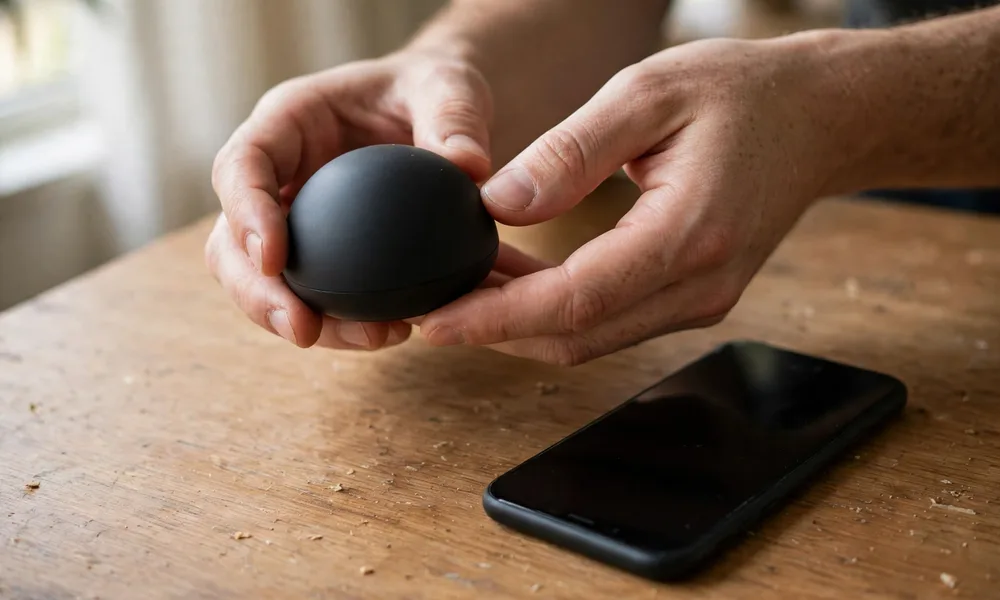
The filing lands at an awkward moment for both companies. Apple and OpenAI were partners as recently as 2024, when ChatGPT was woven into the iPhone, iPad and Mac, yet they are now on course to become direct rivals in connected devices. OpenAI is working with Jony Ive, Apple’s former design chief, on a family of AI devices, the first widely expected to be a doughnut-shaped smart speaker.
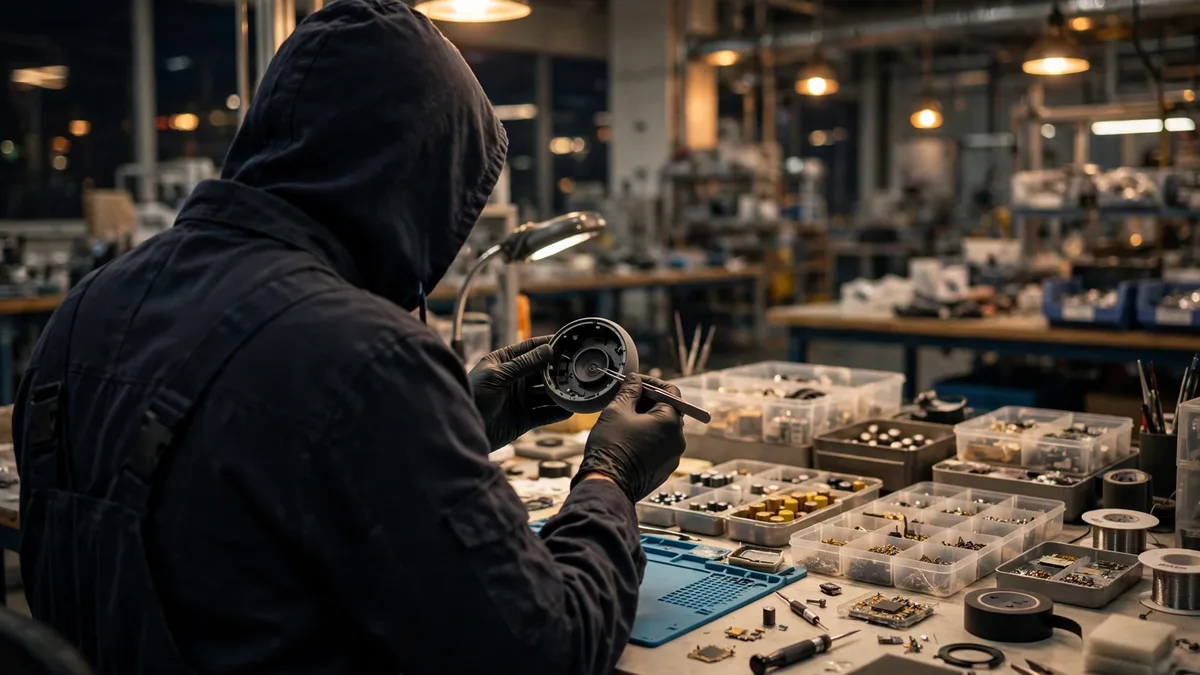
What makes this round different is that it is no longer only about documents changing hands. OpenAI’s counterclaims describe suppliers moving work to night shifts, rescheduling meetings so Apple would not see them, and in one case walking away from planned work. None of those allegations has been tested in court, and the suppliers have not been publicly named.
Key takeaways
- OpenAI filed counterclaims against Apple on 27 November 2026 in San Jose, accusing Apple of unlawfully pressuring vendors not to work with it.
- Apple sued OpenAI in July 2026, alleging trade-secret theft through job candidates and hires, including chief hardware officer Tang Tan.
- OpenAI says one supplier moved its finishing work to the night shift, raising OpenAI’s costs, while another dropped planned work.
- The counterclaims also accuse Apple of stealing OpenAI trade secrets through a former employee who returned to Apple, allegedly sending more than 100 files to personal accounts.
- OpenAI is challenging Apple’s employment agreements, including a one-year bar on recruiting Apple workers and a broad definition of confidential information.
| Item | What is known |
|---|---|
| Counterclaims filed | Friday 27 November 2026, federal court in San Jose, California |
| Apple’s original case | Filed July 2026 against OpenAI and two former Apple employees, alleging trade-secret theft |
| Case name and number | Apple v. Liu, 5:26-cv-07078, US District Court, Northern District of California |
| OpenAI’s hardware plan | A family of AI devices with Jony Ive’s studio, first product expected to be a doughnut-shaped smart speaker |
| Supplier claim | Vendors allegedly pressured, asked to identify OpenAI projects and staff, and discouraged from committing workers to OpenAI |
| Employment claim | Apple’s agreements allegedly use an overly broad definition of confidential information and a one-year non-solicitation rule |
| Apple’s response | Apple calls the countersuit a distraction and says OpenAI has already been ordered to stop using its confidential information |
How a partnership became a courtroom fight
The two companies did not start out as enemies. In 2024 they worked together to bring ChatGPT into Apple’s software, a deal that put OpenAI’s chatbot in front of hundreds of millions of iPhone, iPad and Mac users and gave Apple a credible AI assistant while its own efforts caught up.
The relationship cooled as OpenAI’s ambitions widened. Instead of remaining a software supplier, OpenAI began building its own hardware, hiring heavily from Apple and working with Ive on devices designed around AI from the start. Apple’s July filing alleged that OpenAI leaders, including Tang Tan, asked candidates to bring Apple hardware components to job interviews and coached them on how to evade security procedures.
OpenAI has denied wrongdoing and says it has no interest in other companies’ trade secrets. It asked a judge to throw out Apple’s case, then in October voluntarily agreed not to use the information Apple claims was stolen after a judge indicated he was likely to order that. On the same day it filed its counterclaims, OpenAI withdrew its motion to dismiss, without giving a reason.
What OpenAI says Apple did to its suppliers
The heart of the new filing is the supplier claim. OpenAI says Apple responded to its anticipated entry into hardware by unlawfully pressuring vendors not to work with it and using expansive employment restraints to limit its access to talented engineers. In OpenAI’s words, Apple’s power over suppliers and engineers cannot lawfully be used to exclude competitors from the market.
The filing gives concrete examples, though it does not name the suppliers. OpenAI alleges Apple pressures shared suppliers to identify their OpenAI projects and the names, locations and assignments of workers with Apple experience. Apple then seeks to exclude workers with OpenAI experience from doing further work for Apple, which OpenAI says effectively discourages suppliers from committing workers to its projects at all.
Two episodes stand out. One supplier that provides specialist finishing services moved its manufacturing work for OpenAI products to the night shift to avoid overlapping with work for Apple, increasing costs for OpenAI, according to the filing. Another supplier withdrew from planned work after communicating concerns about pressure from Apple. OpenAI also says suppliers have moved or rescheduled meetings to avoid Apple seeing them.
These are allegations, not findings: the suppliers have not been publicly identified, and Apple’s alleged conduct has not been established in court. For a specialist manufacturer, Apple is often the largest customer by a wide margin, so even a hint of disapproval can change a production schedule.
The trade-secrets claim in the other direction
OpenAI’s counterclaims also accuse Apple of stealing OpenAI’s trade secrets. The focus is a former employee who left Apple for OpenAI, worked there for six months, and then returned to Apple in June. OpenAI alleges that person sent more than 100 highly confidential files about at least one unreleased OpenAI device to personal accounts.
Apple’s answer, as reported, is that it has policies to prevent the use of confidential information from former employers, that it found no evidence to substantiate OpenAI’s claims, and that OpenAI is trying to distract from the evidence against its own employees. Apple told the Financial Times the countersuit is a transparent attempt to distract from its own case.
The original case also names former iPhone engineer Chang Liu, who joined OpenAI in January. Apple claims Liu accessed confidential hardware files over several weeks while developing devices for OpenAI, after finding an authentication bug. The two cases are mirror images of each other.
Why the employment agreements matter as much as the suppliers
The second pillar of OpenAI’s counterclaims concerns people rather than factories. OpenAI is challenging provisions in Apple’s intellectual property agreements, known as IPAs, which employees must sign. It argues the agreements use an overly broad definition of the company’s private information, essentially covering all nonpublic information employees learn at Apple, even if it is not a trade secret.
OpenAI is also challenging provisions that bar former Apple employees from soliciting or recruiting Apple workers for one year. It argues that the threat of litigation, however meritless, gives the provisions teeth, because even if a former employee’s rights are vindicated, the process is expensive and invasive, and may involve Apple examining personal devices and accounts.
For OpenAI, the employment and supplier issues are two halves of one problem: hardware needs factory capacity and experienced engineers, and Apple can influence both. For a useful comparison of how AI companies are building hardware, see our guide to the chip war and who is building what in AI.
What this means for OpenAI’s devices
For consumers, the short-term effect is likely to be small. No OpenAI device is on sale yet, and Apple’s existing products are unaffected. The longer-term effect could be larger: a genuinely different AI device would challenge the idea that a phone is the centre of personal computing.
How to read the claims without taking sides
Legal filings are advocacy documents, not neutral accounts, and both sides have an interest in presenting the other as the aggressor. The filing date, the case number, the July start of Apple’s case and the October agreement not to use disputed information are matters of court record. The supplier episodes and the 100-plus files are OpenAI’s version of events, which Apple disputes and a court has not yet decided.
It also helps to keep the two trade-secrets claims separate. Apple says OpenAI took its information through hires and interviews; OpenAI says Apple took its information through a returning employee. The supplier-pressure claim is different again: it does not depend on who took what, but on whether Apple used its buying power to keep vendors away from a rival.
Anyone following the case should watch whether the judge allows the counterclaims to proceed, whether any supplier is named or gives evidence, and whether either side seeks an order affecting hiring or production while the case continues.
- Check the filing date and court before repeating a claim: this round is the 27 November 2026 counterclaims, not the July case.
- Separate allegations from findings: supplier pressure and file theft are claimed by OpenAI, disputed by Apple, and unproven in court.
- Supplier names are not public: do not name a supplier as involved unless a court document or the supplier confirms it.
- Watch the employment-agreement challenge: the one-year non-solicitation rule and broad confidentiality definition may affect other tech workers.
- Do not treat the doughnut-shaped speaker as confirmed: its shape and timing are reported expectations, not an announced product.
- Follow the next steps: whether the counterclaims proceed, whether a supplier gives evidence, and whether any interim order is sought.
Frequently asked questions
What did OpenAI accuse Apple of doing?
OpenAI accused Apple of unlawfully pressuring vendors not to work with it and using expansive employment restraints to limit its access to talented engineers. It also accused Apple of stealing its trade secrets through a former employee who returned to Apple.
When and where were the counterclaims filed?
The counterclaims were filed on Friday 27 November 2026 in San Jose, California, as part of the case Apple brought in July. The case is Apple v. Liu, 5:26-cv-07078, in the US District Court for the Northern District of California.
What did Apple originally allege against OpenAI?
Apple sued OpenAI in July 2026, alleging the company orchestrated a campaign to steal trade secrets through job candidates and hires from Apple. It alleged leaders including chief hardware officer Tang Tan asked candidates to bring Apple hardware components to interviews. OpenAI denies wrongdoing.
Which suppliers were pressured, according to OpenAI?
The suppliers have not been publicly identified in the reporting, so their names should not be repeated as fact. OpenAI says one supplier moved finishing work to the night shift and another dropped planned work, and that other suppliers moved meetings or limited the staff and resources they devoted to OpenAI.
What is OpenAI building with Jony Ive?
OpenAI is working with the studio of Jony Ive, Apple’s former design chief, on a family of AI devices. The first is expected to be a doughnut-shaped smart speaker, though that is a reported expectation, not a confirmed announcement. For context, see the best AI wearables for 2027.
How has Apple responded?
Apple told the Financial Times the countersuit is a transparent attempt to distract from its own case, in which OpenAI has already been ordered to stop using Apple’s confidential information. Apple has also said it found no evidence to substantiate OpenAI’s claims. If you use ChatGPT today, our guide to how to use ChatGPT explains the basics.
The bottom line is that a partnership that once put ChatGPT inside Apple’s devices has become a two-way legal fight over suppliers, secrets and staff. OpenAI’s counterclaims are detailed, but they remain allegations Apple firmly rejects, and the court has not yet ruled on them.
That competition is worth watching because it is not only about these two companies. Every AI start-up that needs factory time and experienced hardware engineers faces the same question: can a dominant buyer use its supplier relationships to keep a rival out? The answer will matter to suppliers, engineers and consumers alike.