
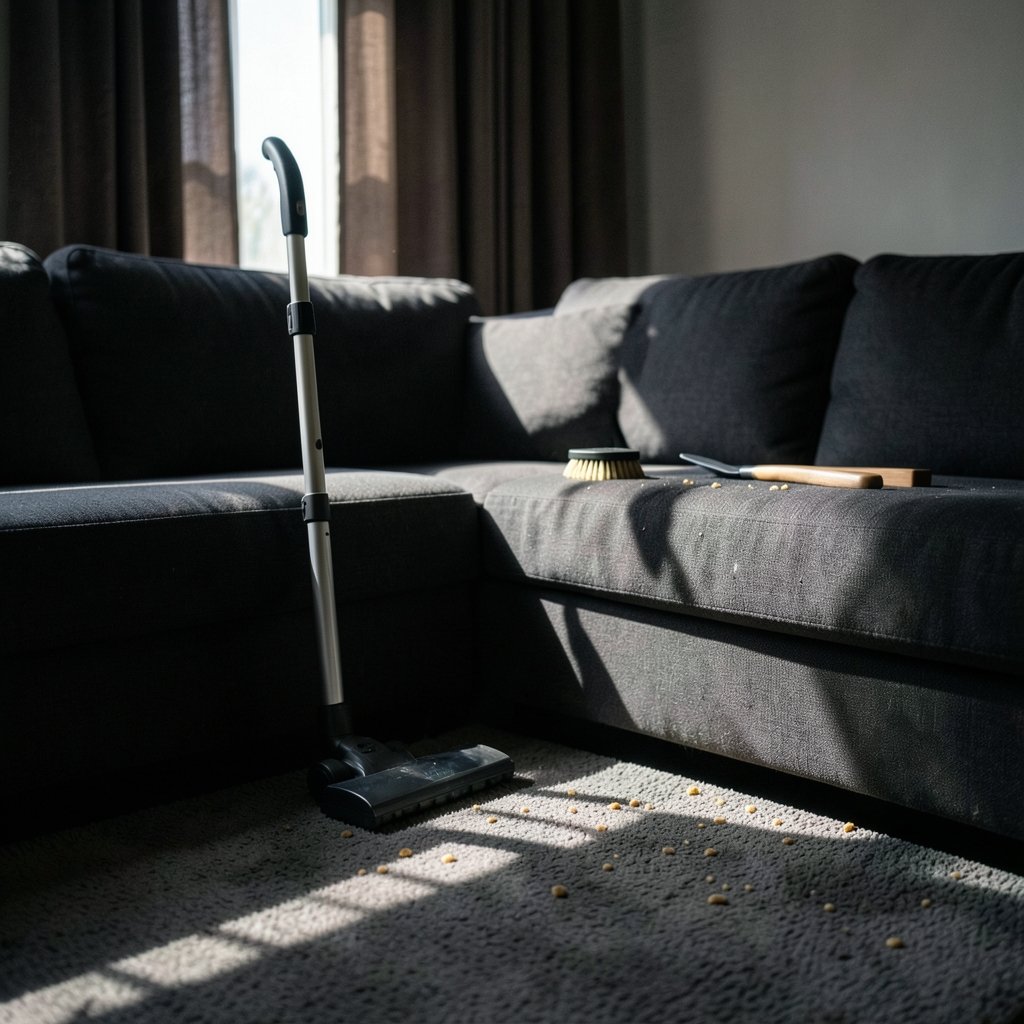
What actually makes a small vacuum good? It is not the biggest number on the box. It is whether the thing fits under a car seat, survives a flight of stairs without dying, and still has enough pull to lift cereal crumbs out of a carpet seam. Small vacuums are a strange category: handhelds, sticks, and mini corded units all get lumped together, yet they solve completely different problems. That is why “best” is impossible without naming the job first.
This guide breaks the category down by real use, explains which specs matter and which are marketing noise, and flags the traps that catch most buyers in the first week.
What counts as a “small vacuum” anyway?
There is no official definition. Retailers and reviewers group cordless handhelds, stick vacuums, and compact corded handhelds under the same label, and the boundaries shift depending on where you shop. That matters because a 2.5 kg stick vacuum and a 0.8 kg handheld are not competitors, even when they sit side by side on the same shelf.
A practical way to sort them:
| Type | Typical weight | Typical bin size | Best for |
|---|---|---|---|
| Cordless handheld | Often under ~1.5 kg | Often under ~0.5 L | Car interiors, sofa crumbs, stairs, pet hair on upholstery |
| Stick vacuum | Heavier, motor and wand add mass | Larger than handhelds | Quick whole-room passes, hard floors, low-pile rugs |
| Compact corded handheld | Light body, tethered | Small to mid | Garage, workshop, car, jobs where runtime does not matter |
The trade-off is baked in. Lighter units usually carry smaller bins, so you empty them more often. Heavier sticks run longer but are awkward overhead on stairs. Neither is “better” in the abstract.
Match the vacuum to the mess, not the marketing
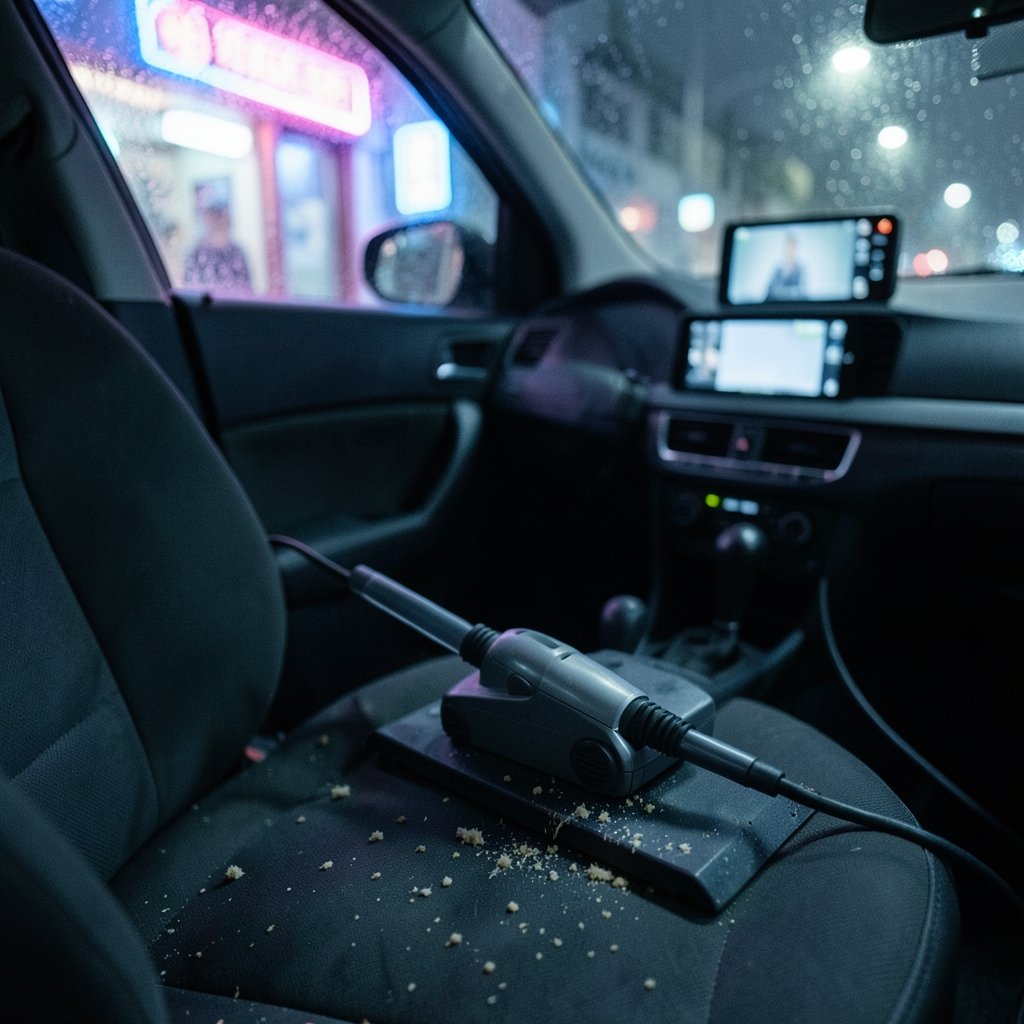
Buyers get into trouble when they shop by category instead of by task. A few scenarios cover most of the market.
Car cleaning. Reach and nozzle shape beat raw suction. A crevice tool that actually fits between seat rails does more than a wider head with a bigger air-watt rating. Corded mini units shine here because a car session often runs past the 10 to 30 minutes a cordless handheld delivers on high power.
Stairs and landings. Weight is everything. A unit you can carry in one hand while holding a dustpan in the other wins. Look for a handle that stays comfortable when the bin is half full, because balance changes as debris accumulates.
Pet hair on upholstery. Hair wraps around brush bars. A motorized mini brush helps, but so does a design you can open and clean without tools. If the brush bar needs a screwdriver to access, hair removal becomes a chore you will postpone.
Kitchen crumbs and entryway grit. This is the five-second job. A handheld that lives on a wall mount and charges continuously gets used. One that lives in a cupboard and needs a two-hour charge does not.
Workshop and garage. Corded compact units usually make more sense than cordless. Runtime anxiety disappears, and you are rarely far from an outlet.
The specs that matter, and the ones that do not
Suction ratings are not comparable across brands
Suction gets quoted in air watts (AW) or pascals (Pa), and those figures are not directly comparable between manufacturers because test methods differ. The international standard for measuring vacuum cleaner performance is IEC 62885-2, and unless a brand states it tested to a common standard, a bigger number on one box tells you very little about how it compares to the box next to it.
The practical move: ignore the headline number and look for evidence of standardized testing, or lean on independent lab results instead.
Energy labels stopped being a shortcut
In the EU, the General Court annulled the vacuum cleaner energy labelling regulation in a November 2018 judgment, and the label was withdrawn. Anyone still comparing small vacuums by an EU energy sticker is working from a dead system. That does not make efficiency irrelevant, but it removes one of the easy cross-brand comparisons buyers used to rely on.
Runtime claims need a reality check
Cordless handhelds typically run 10 to 30 minutes on high power, and often longer in eco mode. Manufacturer figures are usually measured on low power with a fresh battery, so treat the top number as a best case. If a job takes 20 minutes, buy for the high-power figure, not the eco one.
Battery chemistry and replacement matter more than capacity alone
Most cordless small vacuums use lithium-ion cells, rated in mAh or Wh. Capacity affects runtime, but availability of replacement batteries affects how long the whole tool stays useful. A vacuum with a sealed, non-replaceable battery has a fixed lifespan. Check before you buy, because battery coverage in warranties is often shorter than coverage for the rest of the unit.
HEPA claims deserve scrutiny
Some small vacuums claim HEPA-grade filtration. HEPA ratings like H13 and H14 come from EN 1822, the European standard for high-efficiency air filters. The catch: that standard classifies the filter medium, not the whole appliance. A sealed system with a good filter keeps dust in. A leaky housing with the same filter lets fine dust bypass it entirely. Look for language about sealed systems, rather than filter class alone.
Noise figures are loosely standardized
Handhelds are commonly cited around 70 to 80 dB(A), but measurement distance and method vary between brands, so the numbers are not a clean comparison. If quiet operation matters, independent testing is more trustworthy than a spec sheet.
Weight and bin size travel together
This is the single most useful trade-off to internalize. Sub-1.5 kg handhelds usually carry bins under about 0.5 L. That is fine for a car or a sofa. It is miserable for a whole staircase, where you will stop to empty twice.
Where independent testing fits in
Consumer testing organizations such as Which? in the UK, Stiftung Warentest in Germany, and Consumer Reports in the US publish independent vacuum tests. Their methods differ from each other and results are often paywalled, but they remain the best defense against spec-sheet inflation. If you are spending real money, a subscription for one month is cheaper than a bad purchase.
The same logic applies to adjacent purchases. If you are kitting out a small operation and weighing where to spend, the reasoning in this breakdown of outsourcing data analytics consulting worth it for small businesses follows a similar pattern: pay for verified outcomes, not headline promises.
Common mistakes that show up in the first week
These are the errors buyers report most often, and most are avoidable with five minutes of checking.
- Buying for the brochure runtime. The eco-mode figure gets quoted; the high-power figure gets used. Plan around the lower number.
- Skipping the crevice tool test. Check that included attachments actually fit the gaps you care about, especially seat rails and skirting boards.
- Ignoring emptying effort. A small bin with a fiddly release mechanism turns a 30-second job into a two-minute one.
- Assuming HEPA means sealed. Filter class and system sealing are different claims.
- Forgetting charging logistics. A wall dock near where messes happen beats a faster charger in a distant cupboard.
- Overlooking filter washing. Washable filters save money; non-washable ones are a recurring cost nobody budgets for.
- Buying cordless for garage work. Corded compact units usually win where outlets are close and sessions are long.
One more: don’t buy a stick vacuum for stairs unless you have tested the weight overhead. What feels light in a shop aisle feels very different at minute eight of a staircase.
Practical tips that actually work
Keep the battery in its happy zone. Lithium-ion cells last longer when not stored empty or at full charge for months. For a vacuum that lives on a dock, that is a minor compromise, but for a seasonal car vacuum, charge it to roughly half before storage.
Empty after every session, not when full. Small bins lose suction as they fill, and fine dust compacts. Thirty seconds of emptying protects performance.
Clean the brush bar monthly. Hair and thread wrap around the bar and quietly cut efficiency. Scissors and a minute of patience restore it.
Wash filters on schedule and dry them fully. A damp filter smells. A clogged one overheats the motor.
Test reach before you commit. Run the unit along the tightest gap you own. If the nozzle cannot get there, the suction number is irrelevant.
Check warranty terms separately for the battery. One to two years is common for cordless vacuums overall, with battery coverage often shorter. That single line in the fine print predicts how long the tool stays useful.
If you are also equipping a workspace with smarter tools, the same “verify before you buy” discipline applies to software decisions, as this look at best AI coding assistants for small businesses in 2026 shows. Small purchases compound.
How to decide in ten minutes
Work through this in order and the shortlist builds itself.
- Name the primary job in one sentence. Car, stairs, kitchen, or workshop.
- Set a weight ceiling you can carry one-handed for the length of that job.
- Estimate session time, then pick runtime on high power that beats it by a margin.
- Confirm the bin size suits the session length, not the storage cupboard.
- Check battery replaceability and warranty coverage for the battery specifically.
- Verify attachments fit your tightest gap.
- Only then compare suction figures, and prefer independently tested models.
Buyers who follow that sequence rarely regret the purchase. Buyers who start with the suction number often do.
Conclusion
The best small vacuum is not a single model. It is the one that matches a specific mess: light enough to carry up stairs, small enough to reach seat rails, and honest enough about runtime that you are not caught mid-job with a dead battery. Suction ratings are not comparable across brands, EU energy labels no longer help, and HEPA claims describe filters rather than sealed systems. Weight, bin size, battery replacement, and attachment fit tell you far more than any headline figure.
Start with the job. Then buy the tool that does it. For readers weighing other equipment decisions with the same lens, this guide to outsourcing web development worth it for small businesses applies the identical test: match the purchase to the task, and check the fine print before the invoice.
Frequently asked questions
What is the best small vacuum for car interiors?
A cordless handheld with a narrow crevice tool and a motorized mini brush covers most car cleaning. Prioritize reach and attachment fit over suction numbers, and check that runtime on high power exceeds your typical session, since corded compact units are the safer choice for long detailing jobs.
Are handheld vacuum suction ratings comparable between brands?
Generally no. Air watt and pascal figures are not directly comparable across manufacturers because test methods differ. The international performance standard is IEC 62885-2, so unless a brand states it tested to a common standard, treat the number as marketing rather than a cross-brand comparison.
How long do cordless small vacuums actually run?
Typically 10 to 30 minutes on high power, with longer times in eco mode. Manufacturer claims are usually measured on low power with a fresh battery, so plan around the high-power figure if your job involves sustained suction on carpet or upholstery.
Does a HEPA filter mean the vacuum is sealed?
Not necessarily. HEPA classes such as H13 and H14 come from EN 1822, which rates filter media rather than the complete appliance. A vacuum with a high-grade filter but a leaky housing can still release fine dust, so look for explicit claims about a sealed system.
How often should I empty a small vacuum bin?
After every session is the practical answer. Small bins, often under about 0.5 L on light handhelds, lose suction as they fill and fine dust compacts quickly. Emptying takes seconds and protects both airflow and motor temperature.
Is a corded or cordless small vacuum better?
It depends on the job. Cordless handhelds win for cars, stairs, and quick crumbs where portability matters. Compact corded units usually suit garages, workshops, and long sessions where an outlet is close and runtime anxiety is the bigger annoyance.



