What good is a beautiful area rug if every pass of the vacuum just skims the surface and leaves the grit behind? That’s the frustration most rug owners know well. A machine that performs brilliantly on bare hardwood can feel almost useless once it rolls onto a thick wool rug, and the reverse is just as true. The best vacuum for rugs isn’t a single model or a single brand. It’s a set of features matched to the rug in front of you.
This guide breaks down what genuinely matters, where marketing claims fall short, and how to choose a vacuum that cleans deep without chewing up the fibers you paid for.
Why Rugs Are Harder to Vacuum Than Bare Floors
Bare floors are simple. Debris sits on top, and airflow lifts it. Rugs are a different job entirely. Soil works its way down between fibers, and suction alone often can’t reach it. Three things have to work together: agitation, airflow, and filtration.
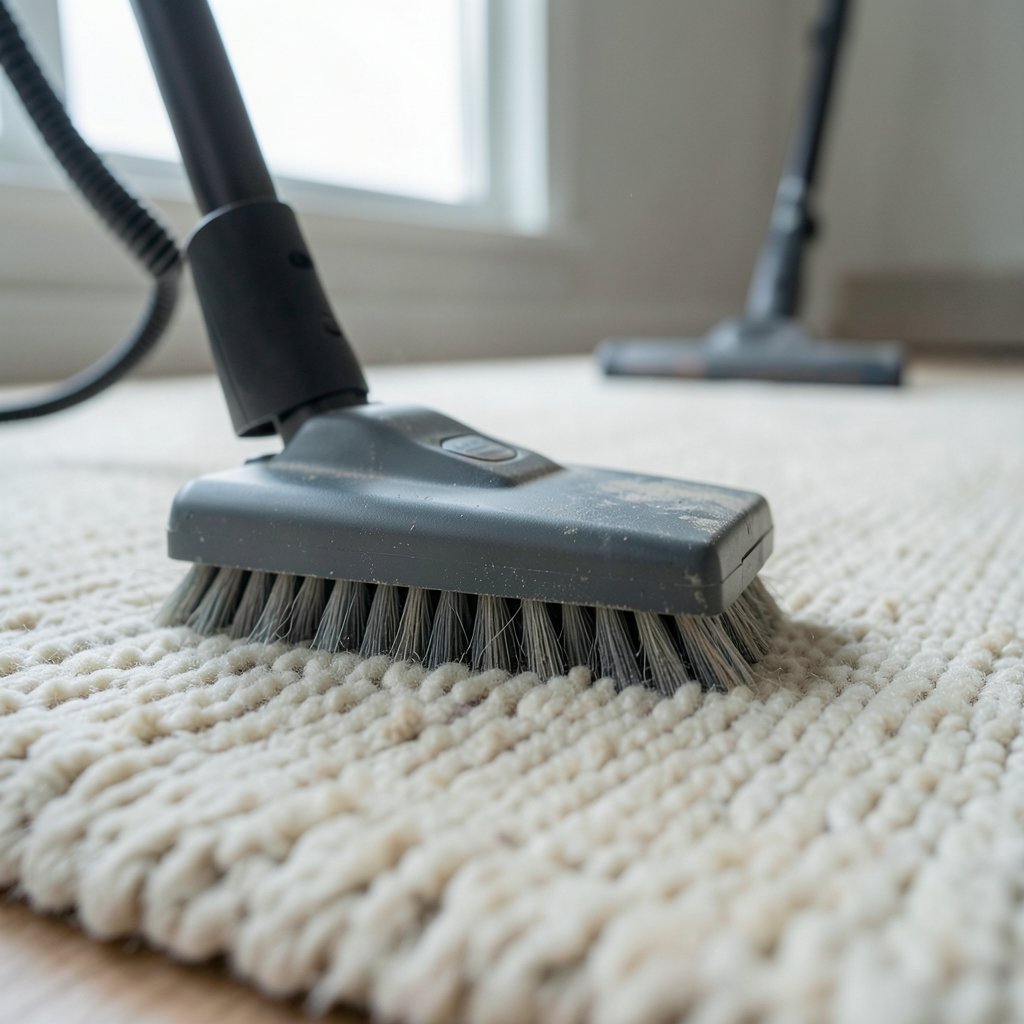
Agitation comes from a powered brush roll, sometimes called a beater bar. It stirs the pile and frees embedded grit so airflow can carry it away. Without that mechanical action, you’re mostly freshening the surface. This is why upright vacuums with a driven brush roll generally outperform canisters and cordless sticks on medium and high pile. It’s also why raw suction numbers tell you so little. A machine rated at higher air watts can lose to a lower-rated one with a better brush design.
Filtration matters too, but for a different reason. Whatever you loosen has to stay captured. A vacuum that leaks fine dust back into the room is only half-solving the problem.
The Features That Actually Matter
A Powered Brush Roll With Height Adjustment
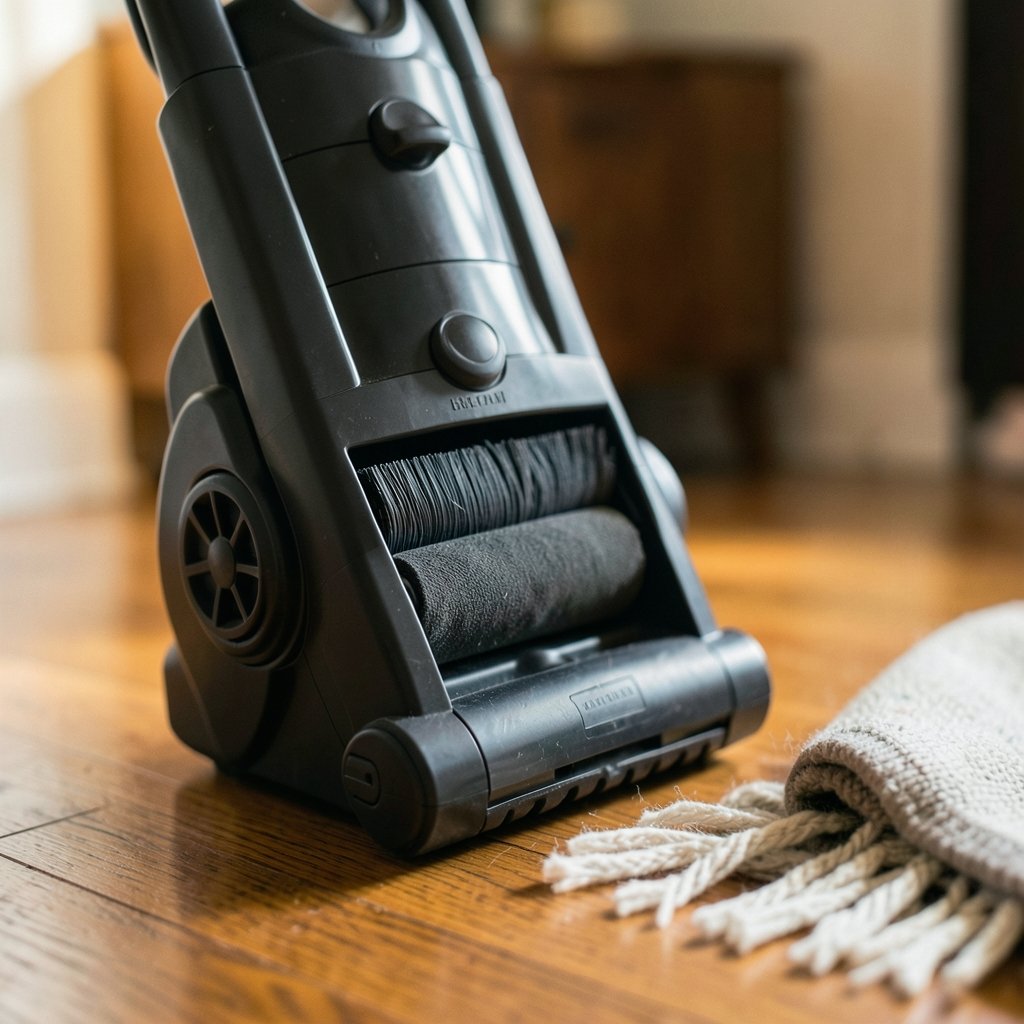
This is the single most important feature for rug cleaning. A brush roll that spins and digs into pile lifts far more soil than suction alone. But height adjustment is the safety net. On plush or hand-knotted rugs, a brush set too low can abrade fibers, cause fuzzing, and wear the rug prematurely. Adjustable height lets you raise the head so the brush agitates without grinding.
A Brush Roll On/Off Switch
Many modern uprights and stick vacuums let you disengage the brush roll. That switch is essential for wool, silk, and antique rugs where aggressive agitation risks damage. On those rugs, suction-only cleaning is the conservative choice.
Real HEPA Filtration
HEPA is a defined standard, not a marketing word. True HEPA filtration captures 99.97% of particles at 0.3 micrometers, the particle size that’s hardest to trap. Plenty of machines claim “HEPA-type” filtration without meeting that bar. If allergies are part of why you’re shopping, check the specification rather than the badge.
Bagged vs. Bagless
Bagged machines generally seal dust more reliably when you empty them. Bagless models require regular filter cleaning, and a clogged filter quietly kills suction. Neither design is wrong, but bagless owners need to stay on top of maintenance.
Matching the Vacuum to the Rug
There’s no universal winner because rugs vary enormously. Pile height, fiber type, size, and age all change the answer.
| Rug Type | Best Approach | What to Avoid |
|---|---|---|
| Low-pile synthetic | Upright with powered brush roll, medium height | Overly stiff bristles on worn areas |
| Medium-pile wool | Upright with adjustable height, gentle brush | Brush set too low, excessive passes |
| High-pile shag | High height setting or suction-only head | Standard brush roll at low height |
| Hand-knotted or antique | Suction-only, brush roll disengaged | Any powered agitation |
| Silk or delicate natural fiber | Suction-only, low power | Moisture, stiff brushes, heavy passes |
If you’re dealing with a shag rug specifically, the technique matters as much as the tool. Working in slow, overlapping passes with the head raised keeps the pile from matting, and a robot vacuum can handle routine upkeep on deep pile if it’s set up correctly, as covered in this guide to whether a robot vacuum and shag rugs actually works on deep pile.
Upright, Canister, Stick, or Robot?
Each format has a real personality, and the right pick depends on how you live.
Uprights are the traditional rug workhorses. The weight of the machine helps the brush roll press into pile, and most models offer height adjustment. They’re the best default for wall-to-wall carpet and large area rugs. The trade-off is bulk and the cord.
Canisters shine on bare floors and stairs, but their suction-only heads are weaker on pile unless you attach a turbo or powered brush. Good for mixed homes, less ideal as a primary rug cleaner.
Cordless sticks trade runtime for convenience. Most run roughly 20 to 60 minutes per charge depending on mode, and many drop to lower power in eco mode. On a large rug, that can mean finishing on a second charge. They’re excellent for quick daily passes and tight spaces.
Robot vacuums handle maintenance cleaning well, but they’re a supplement rather than a replacement. Navigation quality varies a lot between models, and the differences between lidar and camera systems affect how thoroughly a robot covers a rug, which this comparison of robot vacuum lidar vs camera navigation and the key differences to pick breaks down. Robots also struggle with dark rugs, where cliff sensors can misread the surface and cause the machine to stop or back away. That quirk is explained in this look at why robot vacuum cliff sensors fail on black carpet and what works.
For homes that want both vacuuming and mopping, a combo unit can be tempting, but mopping on wool or silk is a bad idea. If you’re considering one, read up on which robot vacuum and mop combos actually clean floors before committing, and keep the mop function away from delicate rugs.
Common Mistakes People Make
A few habits quietly ruin rugs and vacuums alike.
- Trusting suction specs. Air watts and pascals aren’t comparable across brands and don’t predict rug cleaning performance. Brush design and height adjustment matter more.
- Running the brush roll on wool every time. Gentle, suction-only passes are safer for natural fibers. Save the brush for synthetic and low-pile rugs.
- Skipping filter maintenance. A dirty filter chokes airflow. Bagless owners should clean filters on schedule, not when suction feels weak.
- Over-vacuuming delicate rugs. More passes aren’t better on fragile fibers. Slow, deliberate passes beat frantic scrubbing.
- Using the wrong height setting. A brush roll set too low on plush pile causes fuzzing and wear. Raise it.
- Ignoring the care label. When a rug’s label gives instructions, those instructions win over any general advice.
Long hair is its own headache. It wraps around brush rolls and kills performance fast, and the fixes are specific, as this guide to robot vacuum and long human hair and what actually works explains. The same wrapping problem hits uprights, so a pair of scissors and a monthly check of the brush roll goes a long way.
A Practical Buying Checklist
When you’re standing in a store or scrolling a product page, run through this list in order.
- Confirm the vacuum has a powered brush roll rather than only an air-driven turbo head.
- Check for height adjustment or a brush roll on/off switch.
- Verify HEPA filtration meets the 99.97% at 0.3 micrometer definition, or accept that it’s a “HEPA-type” claim.
- Decide between bagged and bagless based on how disciplined you’ll be about filter cleaning.
- For cordless models, confirm runtime in the mode you’ll actually use, not the eco figure.
- Match the machine to your most delicate rug, not your toughest one. A vacuum that’s safe for the antique is safe for the synthetic; the reverse isn’t true.
- Consider a second, lighter tool for daily passes if your main vacuum is heavy.
That last point deserves emphasis. Many rug owners end up happiest with two machines: a full-size upright for deep weekly cleaning and a stick or robot for quick touch-ups. It’s not overkill. It’s matching tools to jobs.
Maintenance That Keeps a Vacuum Performing
A vacuum is only as good as its upkeep. Brush rolls collect hair and fiber, and a matted brush stops agitating effectively. Check it monthly and cut away wrapped strands. Empty or replace bags before they’re packed solid. Wash or replace filters on the manufacturer’s schedule. Inspect the belt on belt-driven uprights for cracks.
There’s a practical side to cleaning solutions too. Using the wrong detergent on a rug can leave residue that attracts dirt, and some formulas are harsher than the fibers can handle. If you’re weighing options, this breakdown of robot vacuum cleaning solution alternatives that actually work is a useful starting point, though for most rugs plain dry vacuuming remains the default.
And if a wheel ever jams mid-clean, don’t panic. It’s usually hair or a stray thread around the axle, and the fix is quick, as this guide on what to do when a robot vacuum wheel gets stuck and how to fix it fast covers.
How to Judge Performance Without a Lab
You don’t need testing equipment to tell whether a vacuum is doing its job. A few simple checks work well.
Vacuum a section of rug, then look at what’s in the bin or bag. If it’s mostly surface lint and very little grit, the machine isn’t reaching deep. Try a slower pass with the brush engaged and the height lowered one notch, then compare. You can also lift a corner of the rug and tap the back. Fine sand sifting out means soil is still trapped in the pile.
Another tell is how the pile looks afterward. A good pass leaves fibers lifted and the rug feeling fuller underfoot. A bad pass leaves them flattened or, worse, fuzzed. If you see fuzzing on wool, the brush is too aggressive.
Conclusion
The best vacuum for rugs isn’t the one with the biggest suction number or the flashiest marketing. It’s the one with a powered brush roll, adjustable height, and filtration that genuinely captures what it loosens, matched to the fiber and pile in your home. Uprights remain the strongest default for deep cleaning, cordless sticks win on convenience, and robots are best treated as maintenance helpers rather than replacements.
Start with your most delicate rug and work backward. If a machine is safe and effective there, it’ll handle everything else. Keep the brush roll clean, respect the care label, and don’t let spec sheets make the decision for you. Your rug will look better for it, and it’ll last longer too.
FAQ
What is the best type of vacuum for high-pile rugs?
An upright with a powered brush roll and adjustable height is the strongest choice for most high-pile rugs. Raise the head so the brush agitates without grinding the fibers. For very deep shag, a suction-only head or a high height setting is safer than a standard brush roll at low height.
Can I use a regular vacuum on a wool rug?
Yes, with care. Use a gentle brush or suction-only head, keep the height raised, and avoid aggressive repeated passes. Wool can shed and felt under rough treatment, so slow, deliberate cleaning beats fast scrubbing. Always check the rug’s care label first.
Is HEPA filtration necessary for rug cleaning?
Not strictly necessary for cleaning performance, but valuable if allergies or dust sensitivity are concerns. True HEPA captures 99.97% of particles at 0.3 micrometers. Be aware that “HEPA-type” claims don’t always meet that standard, so check the specification rather than the badge.
Do cordless stick vacuums work well on rugs?
They can, especially for quick daily passes and low-pile rugs. The limitation is runtime, which typically ranges from about 20 to 60 minutes depending on mode, and many models drop to lower power in eco mode. For a large rug, a full deep clean may need more than one charge.
How often should I vacuum an area rug?
High-traffic rugs benefit from weekly deep cleaning with a brush roll, plus quick surface passes a few times a week. Delicate or antique rugs should be cleaned less aggressively, with suction-only passes. Regular light cleaning prevents grit from settling deep into the pile.
Why does my vacuum leave grit behind on rugs?
Usually it’s insufficient agitation, a brush roll set too high, or a clogged filter reducing airflow. Check that the brush roll is spinning freely and free of hair, clean or replace the filter, and lower the height setting one notch. If the rug is delicate, accept that deep extraction may need a professional cleaning instead.