
What actually makes one stick vacuum better than another when the spec sheets all start to look the same? That is the question worth answering before spending money, because the marketing numbers rarely match daily life. A vacuum that claims 60 minutes of runtime may deliver eight minutes on high power. A model that weighs under three pounds may feel heavier in the hand than one listed at five. And a machine with enormous suction can still leave crumbs behind if its floor head is poorly designed.
This guide walks through the factors that matter most, the mistakes buyers make, and how to match a stick vacuum to the way a home actually gets dirty.
Start With the Job, Not the Spec Sheet
Most people shop for a stick vacuum by comparing suction numbers. That is the wrong starting point. The first question is what the vacuum will actually do all week.
A household with wall-to-wall carpet, a shedding dog, and two kids needs different priorities than a city apartment with hard floors and one adult. Carpet rewards strong airflow and a well-sealed brush roll. Hard floors reward edge cleaning, a soft roller, and a head that does not scatter debris. Stairs and cars reward low weight and a quick-release handheld mode.
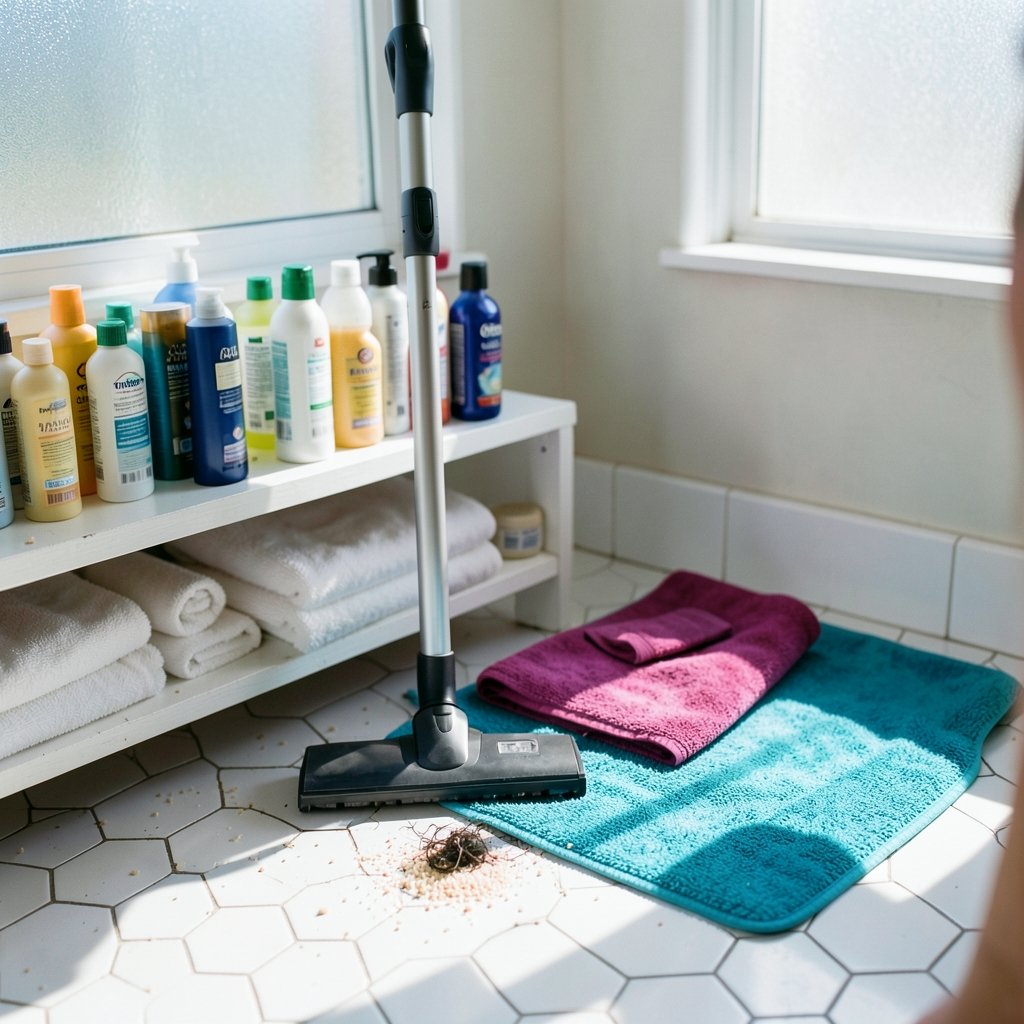
Writing down the three messiest spots in the home before shopping narrows the field fast. If those spots are kitchen crumbs and bathroom hair, a lightweight cordless with a soft roller wins. If they are a carpeted staircase and a car trunk, a convertible model with a crevice tool and a removable battery matters more.
Suction Numbers Are Not Comparable Across Brands
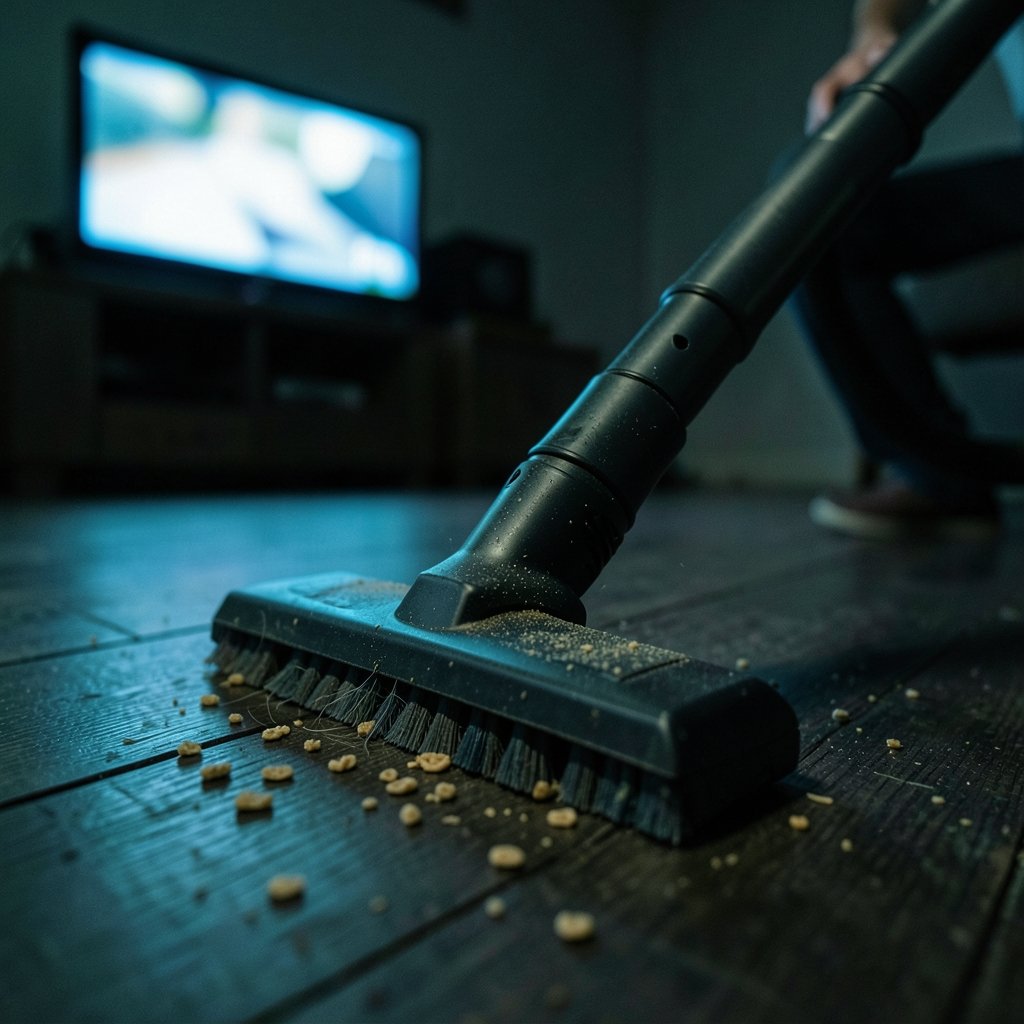
Every manufacturer publishes suction or power figures, and almost none of them measure the same way. Some quote air watts, some quote pascals, some quote motor watts, and some quote nothing at all. These units describe different things. Motor watts measure electricity going in, not cleaning power coming out. Air watts measure the power of the airflow at the nozzle. Pascals measure pressure, which can be high while airflow stays low.
The practical takeaway is simple: a bigger number on one box does not mean better cleaning than a smaller number on another. The only reliable comparison is testing done by the same lab on the same standard, which is why independent test results matter more than the sticker on the box.
There is a second layer to this. Suction at the nozzle is not the same as suction at the floor. Every joint, hose, and wand in between leaks a little air. A machine with a sealed airflow path and a well-designed head can outperform a stronger motor paired with a leaky body. This is also why cheap stick vacuums often feel strong in the hand but weak at the floor.
Runtime Claims Deserve Skepticism
Runtime is the specification most likely to disappoint. Advertised minutes are usually measured in eco mode, without a powered brush roll, on a brand-new battery, at room temperature. Real use adds the powered head, which can cut runtime substantially, plus dust buildup in the filter and a battery that has aged.
A useful habit is to look for two numbers: runtime on the lowest setting and runtime on the highest. Then assume real-world performance sits somewhere between them, closer to the low end on carpet. A vacuum that runs 45 minutes in eco mode and 7 minutes on boost is not a 45-minute vacuum. It is a machine with a short burst mode for spot cleaning.
Battery design matters just as much. Removable batteries can be swapped mid-clean or replaced years later when capacity fades. Sealed batteries turn a working vacuum into e-waste the day the cell dies. Before buying, check whether a replacement battery is sold separately and what it costs. That single detail often determines whether a vacuum lasts three years or eight.
Weight, Balance, and the Hand That Holds It
Total weight is a starting point, not the whole story. What matters is in-hand weight and balance point. A vacuum with the motor and battery near the grip feels lighter than its spec weight. A vacuum with the mass out at the floor head feels heavier, especially on stairs and above shoulder height.
Two practical tests help. First, look for the handheld weight separately from the full-assembly weight; many models list only the former. Second, think about how the vacuum will be stored. A stick that lives on a wall dock gets used daily. One that must be disassembled and folded into a closet gets used monthly.
For anyone with wrist or shoulder issues, a lighter machine with a smaller dustbin is usually the better trade. Emptying twice as often is a minor annoyance. Pain after vacuuming is not.
Filtration and Indoor Air
Filtration is where cheap vacuums quietly cut corners. A HEPA filter captures fine particles, but only if the whole airflow path is sealed. If air leaks around the dustbin lid or filter housing, dust bypasses the filter and lands back on the furniture.
Look for language about a sealed system rather than just a HEPA filter. Washable filters reduce running costs, but they need to dry completely before reuse, and most manufacturers recommend replacing them periodically anyway. A clogged filter is also the most common cause of a vacuum that suddenly loses suction, so budget for a spare.
People with allergies should also consider the emptying mechanism. A bin that dumps from the bottom into a trash can creates less dust cloud than one that requires reaching in and pulling out a wad of debris.
The Floor Head Does More Work Than the Motor
The single most underrated component is the floor head. A powered brush roll agitates carpet fibers and lifts embedded dirt. A soft roller is gentler on hard floors and picks up larger debris without scattering it. Some heads combine both, and some swap between them.
Signs of a good head include a brush roll that can be removed without tools for cleaning, anti-tangle comb teeth for hair, and a low profile that fits under furniture. Edge cleaning matters too. A head that leaves a two-inch strip along every baseboard means a second pass with a handheld, which defeats the purpose of a quick cordless clean.
Hair wrap is a particular pain point. Long hair winds around brush rolls and cuts suction within weeks. Models with tangle-resistant brush designs genuinely reduce maintenance, and it is worth reading owner reports rather than trusting the box. The same logic applies to pet hair, which clumps and clogs in different ways. Anyone dealing with either problem will find more detail in this breakdown of robot vacuum long human hair actually works, and the brush design lessons carry over to stick models.
Dustbin Size and Emptying
Rated dustbin volume is optimistic. Practical capacity is often half of it, because debris needs room to swirl and the fill line sits well below the rim. A 0.7-liter bin sounds generous until a shedding dog fills it in one room.
Smaller bins are fine for apartments and quick daily passes. Larger bins suit whole-house cleaning and pet households. The emptying mechanism matters as much as the size: a simple latch that drops debris straight into the bin is cleaner and faster than a system that requires pulling out a filter cage.
Noise, Repairability, and the Long Game
Cordless stick vacuums are generally quieter than corded uprights, but high-power modes can be loud enough to disturb a sleeping child or a call. If noise matters, check for a lower-power mode that still cleans hard floors adequately.
Repairability is the quiet factor that separates a good purchase from a great one. Spare filters, brush rolls, batteries, and chargers should all be available for years. A vacuum with no spare parts is disposable by design, no matter how good it is on day one.
Warranty terms deserve a close read. Many brands cover the vacuum for two years but the battery for only one. Since the battery is the part most likely to fail first, that distinction matters.
Matching the Vacuum to the Floor Type
Different floors reward different designs, and no single stick vacuum is best at everything. The table below summarizes the practical trade-offs.
| Floor type | What matters most | What to avoid |
|---|---|---|
| Wall-to-wall carpet | Powered brush roll, strong airflow, sealed path | Soft rollers only, tiny bins |
| Hard floors | Soft roller, edge cleaning, low scatter | Aggressive stiff brushes |
| Mixed floors | Swappable or combo head, quick release | Single fixed head |
| Stairs and cars | Low in-hand weight, handheld mode, crevice tool | Heavy bodies, short wands |
| Pet households | Tangle-resistant brush, large bin, washable filter | Small bins, hair-wrapping rollers |
For homes with significant carpet, it is worth understanding how carpet cleaning differs from hard-floor cleaning before choosing a cordless at all. A dedicated upright often outperforms any stick on deep pile, and this guide to the best vacuum for carpet explains where cordless models fall short and where they are good enough.
Common Buying Mistakes
A few mistakes show up again and again among stick vacuum buyers.
- Trusting the headline runtime. The advertised number is almost always the best-case scenario in eco mode.
- Ignoring the battery replacement cost. A cheap vacuum with a sealed, unavailable battery is the most expensive option over five years.
- Buying for suction alone. The floor head and airflow sealing decide real cleaning performance.
- Skipping the weight test. Holding the vacuum for thirty seconds in a store tells you more than any spec sheet.
- Forgetting storage. A vacuum that is awkward to dock stops getting used within a month.
- Overlooking filter maintenance. A clogged filter mimics a dying motor, and many people replace vacuums that only needed a wash.
Where Stick Vacuums Fit in a Cleaning Routine
A stick vacuum is best understood as a fast-response tool, not a replacement for deep cleaning. It handles daily crumbs, pet hair, entryway grit, and quick passes between bigger cleans. For whole-home deep cleaning on carpet, a corded upright or a canister still does more.
That division of labor is why many households end up with two machines: a cordless for daily touch-ups and a stronger vacuum for weekends. If the goal is one tool that both vacuums and mops, combination units have improved a lot, and this comparison of the best robot vacuum mop combos actually cleans floor shows what current hybrids handle well and where they still struggle. For buyers weighing a manual combo instead, this look at the best vacuum mop combo covers the trade-offs between wet and dry cleaning in one pass.
Navigation and sensor technology also matters if the plan includes a robot alongside a stick. Understanding the difference between lidar and camera systems helps set realistic expectations, and this breakdown of robot vacuum lidar vs camera navigation key differences pick explains which suits cluttered homes.
Maintenance Habits That Extend Life
A stick vacuum that is maintained properly will outperform a more expensive model that is neglected. The routine is short.
- Empty the bin after every use rather than letting debris compact.
- Rinse or replace the filter monthly, and let it dry fully before reinstalling.
- Cut hair off the brush roll every few weeks, before it wraps the bearings.
- Wipe the sensor and contacts on the dock so charging stays reliable.
- Store the battery at room temperature, not in a hot garage.
Two failure modes account for most repair visits: clogged filters and jammed brush rolls. Both are preventable with a few minutes a month. If a vacuum suddenly stops mid-clean, the cause is often a tripped protection circuit rather than a dead motor, and the troubleshooting logic in this guide to the robot vacuum wheel stuck error it happens fix it fast applies to cordless stick models too.
Conclusion
The best stick vacuum is not the one with the biggest number on the box. It is the one whose runtime matches the size of the home, whose weight suits the person carrying it, whose floor head matches the flooring, and whose battery can be replaced when it eventually fades. Suction figures are useful only when measured the same way, and most are not. Floor heads, airflow sealing, and filter maintenance decide real-world performance far more than motor wattage.
Buy for the mess that actually exists, not the mess in the advertisement. Check whether spare parts are sold. Hold the vacuum before committing. Do those three things, and the purchase is likely to hold up for years rather than disappoint within months.
Frequently Asked Questions
How long do stick vacuum batteries last?
Most cordless vacuum batteries hold useful capacity for roughly two to four years of regular use, depending on how often the vacuum runs on high power and how the battery is stored. Heat is the biggest enemy, so storing a vacuum in a hot garage shortens its life. Removable batteries can be replaced when capacity fades; sealed batteries cannot.
Is a stick vacuum strong enough for carpet?
It depends on the carpet and the model. A stick vacuum with a powered brush roll and a sealed airflow path handles low-pile carpet and area rugs well. Deep pile carpet and whole-home cleaning usually need a corded upright, which maintains full power indefinitely rather than draining a battery.
What is the difference between air watts and pascals?
Air watts measure the power of the airflow at the nozzle, combining suction and airflow into one figure. Pascals measure pressure, or how hard the vacuum pulls. A vacuum can have high pressure and low airflow, which cleans poorly on carpet. Because brands choose whichever unit flatters them, the numbers are not directly comparable across manufacturers.
Should I buy a vacuum with a removable battery?
Yes, if long-term value matters. A removable battery lets you swap in a fresh pack mid-clean, extend runtime with a spare, and replace the cell years later instead of discarding the whole vacuum. Check that replacement batteries are actually sold and priced reasonably before buying.
How often should I clean the filter?
Most manufacturers recommend rinsing or replacing the filter roughly once a month with regular use, and more often in homes with pets. The filter must dry completely before reinstalling, since a damp filter can damage the motor. A sudden loss of suction is usually a clogged filter rather than a failing motor.
Do stick vacuums work on hard floors without scratching them?
Yes, provided the floor head suits the surface. Soft roller heads are designed for hard floors and pick up debris without scattering it or scratching finishes. Stiff bristle brush rolls can flick debris and are better reserved for carpet. Check that the brush roll can be swapped or switched off for delicate surfaces.



