
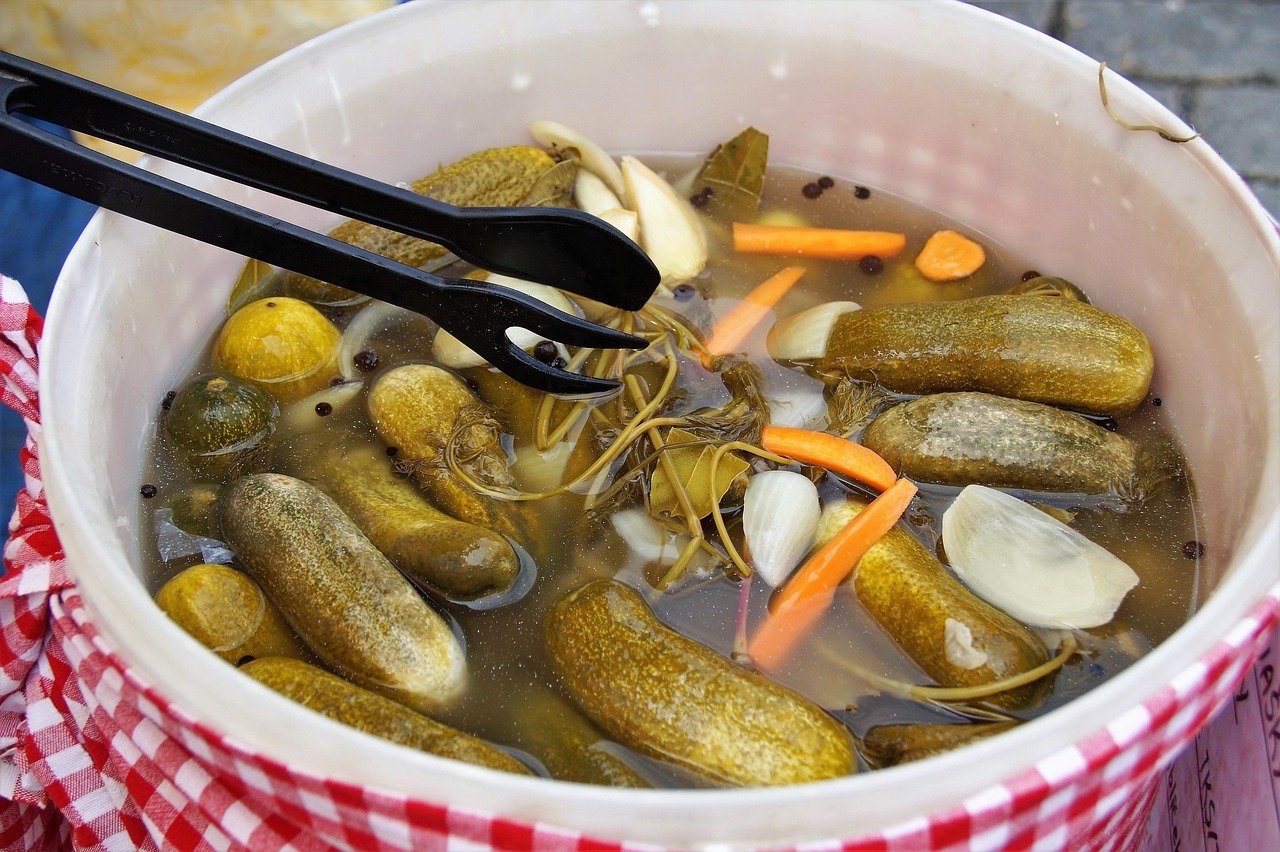
What comes to mind when someone says “pickle chips”? For a lot of people, it’s a bright green bag of dill-flavored potato chips, the kind that leaves a tangy, vinegary bite on your tongue and pairs suspiciously well with a sandwich. For others, it’s a jar of crinkle-cut cucumber slices destined for a burger. Both meanings are real, both are common, and they lead to very different shopping lists. This guide untangles the term, covers how each product is made, what to look for on labels, and where people most often go wrong.
Two Foods, One Name: What “Pickle Chips” Actually Means
The phrase pickle chips describes two distinct products. The first is pickle-flavored potato chips (or sometimes tortilla chips or puffs), where dill, vinegar, garlic, and salt are applied as seasoning. The second is sliced, pickled cucumbers, meaning cross-cut rounds of brined cucumber rather than whole pickles or spears. The second sense is closer to the literal words, but in casual American snack talk, the first sense dominates.
Context usually settles it. A grocery aisle conversation about a “bag of pickle chips” means the snack. A deli counter request for “pickle chips on the side” means the sliced vegetable. When the meaning matters, the simplest fix is to add one word: “dill pickle potato chips” or “sliced pickles.” That small clarification prevents a lot of confusion, especially when ordering online where you can’t see the package.
The Rise of Dill Pickle-Flavored Potato Chips
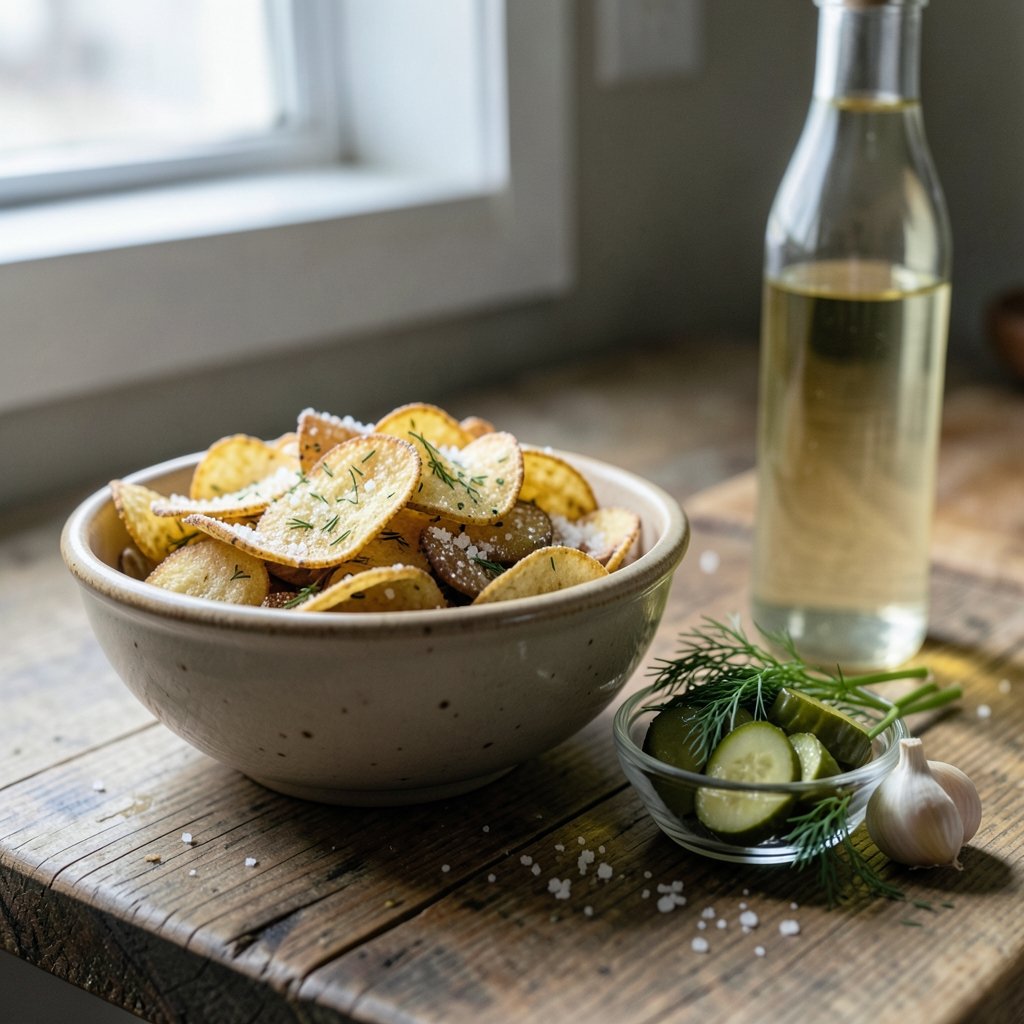
Dill pickle chips occupy a strange and beloved place in the American snack landscape. They are not a niche novelty anymore; major national chip brands carry a dill pickle variety, and the flavor sits comfortably alongside barbecue, sour cream and onion, and salt and vinegar. It has become a fixture rather than a fad.
The appeal comes down to chemistry. Pickle flavor is essentially an acid-forward profile: vinegar, dill, garlic, and salt. Potato chips are already salty and fatty. Combining the two creates a snack that tastes sharp and rich at once, which is why people describe pickle chips as “addictive” in a way that plain chips rarely are. The vinegar note cuts through the oil, so the chips feel lighter than their calorie count suggests. That’s a perception trick, not a nutritional one, but it explains the loyalty. (Nvidia forward pe under 17 margin custom chips 2026)
Specific launch dates for individual brands are hard to pin down and vary widely, so treat any “invented in year X” claim with suspicion unless a brand’s own press materials back it up. What is clear is that the flavor has moved from regional curiosity to mainstream shelf space over the past couple of decades.
Why the Flavor Polarizes People
Dill pickle chips tend to produce strong reactions. Fans love the tang; skeptics find the vinegar overpowering or say the chips taste like “a sandwich missing its filling.” There’s no middle ground, and that’s part of the fun. If you’re shopping for a party, buy a bag but don’t make it the only option. A mixed bowl of flavors lets guests self-select, and the pickle chips will either vanish first or sit untouched, which tells you everything about your crowd.
What Actually Works When Buying Them
Freshness matters more with vinegar-heavy seasonings because stale oil plus acid tastes harsh. Check the sell-by date and give the bag a gentle squeeze; chips should feel crisp through the packaging, not soft. Once opened, transfer leftovers to an airtight container rather than relying on the bag clip, which never seals as well as it claims. And if you’re pairing them with a meal, keep it simple: a plain burger, a turkey sandwich, or a cold beer. The chips bring enough flavor on their own.
Sliced Pickles: The Other Kind of Pickle Chip
The second meaning is more literal: cucumbers sliced into rounds, then brined in vinegar, water, salt, and usually dill and garlic. These are the chips that go on burgers, into tartar sauce, or straight from the jar as a snack. They differ from spears and wholes in texture and brine penetration. A thin round cures faster and absorbs more seasoning per bite, which is why sandwich shops favor them.
Pickling cucumbers, botanically Cucumis sativus, are bred specifically for this job. They’re firmer, smaller, and less watery than salad cucumbers, so they stay crunchy after brining instead of turning limp. If you’ve ever made pickles from a standard grocery cucumber and ended up with mush, that’s why. The variety matters as much as the recipe.
Making Pickle Chips at Home: What Works
Home pickling is straightforward, but safety is not optional. Pickled products rely on acidification, typically from vinegar, to preserve them and prevent harmful bacterial growth. Two approaches dominate:
- Refrigerator pickles. Quick, no canning required. Slice cucumbers into rounds, pack them in a jar with dill, garlic, and spices, cover with a vinegar-and-water brine, and refrigerate. They’re ready in a day or two and keep for several weeks in the fridge.
- Water-bath canned pickles. Shelf-stable but requires tested recipes, correct acidity, and proper processing times. This is where people get into trouble.
The most common mistake is improvising. Changing the vinegar-to-water ratio, skipping the salt, or inventing a processing time can push the acidity out of the safe range. Use a tested recipe from a reputable source, measure rather than eyeball, and don’t substitute vinegars of unknown strength. Fresh dill and whole spices give better flavor than old ground ones, and cutting the cucumbers into even rounds ensures consistent curing. A crinkle cutter is optional but does help the brine cling.
Another frequent error: slicing too thin. Paper-thin rounds go limp and lose their snap. Aim for roughly a quarter inch, thick enough to stay crunchy but thin enough to cure through.
Reading the Label: Nutrition and Regulation
Whether you’re buying chips or pickles, the packaging tells you more than the front-of-bag marketing. In the United States, packaged foods fall under federal labeling rules, and nutrition labeling requirements are spelled out in detail in the Code of Federal Regulations. That means calories, sodium, saturated fat, and serving size must appear in a standard format, which makes comparison shopping genuinely useful.
| What to check | Pickle-flavored potato chips | Sliced pickles |
|---|---|---|
| Serving size | Small, often around 1 oz | A few slices |
| Sodium | Often high per serving | Variable; can be high |
| Added sugar | Sometimes present in seasoning | Sometimes present in brine |
| Calories | Concentrated from oil | Very low |
| Key label term | “Dill pickle flavor” | “Pickled” or “brined” |
Sodium is the number worth circling. Federal dietary guidance recommends limiting sodium intake, and both products can be significant contributors if you eat them often. Pickle chips are not a health food, and neither are most jarred pickles. That’s fine. The goal is knowing what you’re eating, not pretending a snack is a vegetable serving.
For pickled cucumber products specifically, official grade standards exist that define quality categories, though the details are revised periodically. If you’re buying in bulk for a food service operation, checking current standards is worth the effort. For home cooks, the label and your own taste buds are usually enough.
Pickle Chips Around the Table: Pairings and Practical Uses
Beyond eating straight from the bag, both kinds of pickle chips earn their place in the kitchen.
Dill pickle potato chips work as a crunchy topping. Crush them over a baked potato, use them instead of breadcrumbs on baked fish, or layer them into a sandwich for texture. They also make a fast snack-board component alongside cheese and cured meat, where their acidity balances richness. If you’re planning a cookout and thinking through the menu, the same logic that guides best wood chips for smoking different meats applies to snacks: match intensity to the rest of the plate so nothing overwhelms anything else.
Sliced pickles are more versatile than most people realize. Chop them into relish, fold them into potato salad, add them to deviled eggs, or use the brine as a marinade for chicken. The brine is arguably the most underused part of the jar. It brings acid and salt to dressings and marinades and costs nothing extra.
One pairing note worth remembering: pickle chips and fried food are a natural match. The acid cuts grease, which is why fish and chips shops serve pickles alongside. If you’re hunting for a good plate of them, this guide to best fish and chips near me covers what separates a crisp, fresh fry from a soggy one, and the same freshness principle applies to the pickles on the side.
Common Mistakes and How to Avoid Them
A few pitfalls come up again and again with pickle chips, in both senses.
- Assuming the label means what you think. “Pickle flavor” on a chip bag is seasoning, not vegetables. “Pickled” on a jar means brined. Read the ingredient list if it matters to you.
- Buying stale chips to save money. Discounted bags near their date taste flat and harsh. Vinegar-forward seasonings hide staleness poorly.
- Reusing brine carelessly. Pickle brine is flavorful, but once cucumbers have sat in it, it’s diluted and no longer at a safe acidity for preserving new vegetables. Use it for cooking, not for a second batch.
- Slicing cucumbers too thin for home pickling. Thin rounds go soft. Quarter-inch is the sweet spot.
- Storing opened jars of sliced pickles at room temperature. Once opened, refrigerate. The label usually says so, and it’s easy to miss.
Conclusion
Pickle chips are two foods wearing one name, and knowing which is which makes you a smarter shopper and a better cook. Dill pickle potato chips are a bold, acid-forward snack with a devoted following and a genuinely useful role as a crunchy ingredient. Sliced pickles are the brined cucumber rounds that belong on burgers, in relishes, and in your own kitchen experiments, provided you follow tested recipes and respect the acidity that makes pickling safe. Either way, the term rewards a little attention: check the label, mind the sodium, buy fresh, and don’t slice too thin.
Frequently Asked Questions
What are pickle chips made of?
It depends on which product you mean. Pickle-flavored potato chips are made from sliced potatoes fried or baked in oil, then seasoned with a blend of dill, vinegar powder, garlic, salt, and sometimes sugar. Sliced pickles are made from pickling cucumbers cut into rounds and brined in vinegar, water, salt, and spices.
Are dill pickle chips healthy?
They’re a snack, not a health food. Pickle-flavored potato chips are relatively high in calories from oil and often high in sodium. Sliced pickles are very low in calories but can also carry substantial sodium. Both can fit into a balanced diet in reasonable portions, but neither should be treated as a vegetable serving.
Why do pickle chips taste so strong?
The flavor relies on acid, specifically vinegar, combined with dill, garlic, and salt. Acid hits the palate quickly and sharply, and it cuts through the fat in potato chips, which makes the seasoning feel intense and lingering. That same acidity is why pickle chips pair so well with fried and rich foods.
Can I make pickle chips at home?
Yes, in both senses. For sliced pickles, cut pickling cucumbers into quarter-inch rounds, pack them into a jar with dill and garlic, cover with a vinegar-and-water brine, and refrigerate for a day or two. For pickle-flavored potato chips, home frying is possible but fiddly; most people find buying them easier than replicating the seasoning blend.
How long do homemade pickle chips last?
Refrigerator pickles made with a proper vinegar brine typically keep for several weeks in the refrigerator, though quality peaks in the first week or two. They are not shelf-stable and must stay cold. Water-bath canned pickles last much longer but require a tested recipe and correct processing to be safe.
What is the difference between pickle chips and pickle spears?
The difference is shape, which affects texture and how fast the cucumber cures. Chips are cross-cut rounds, thin and quick to absorb brine, and they’re ideal for sandwiches and burgers. Spears are lengthwise quarters, thicker, and slower to cure, with a firmer bite that suits eating straight from the jar.



