
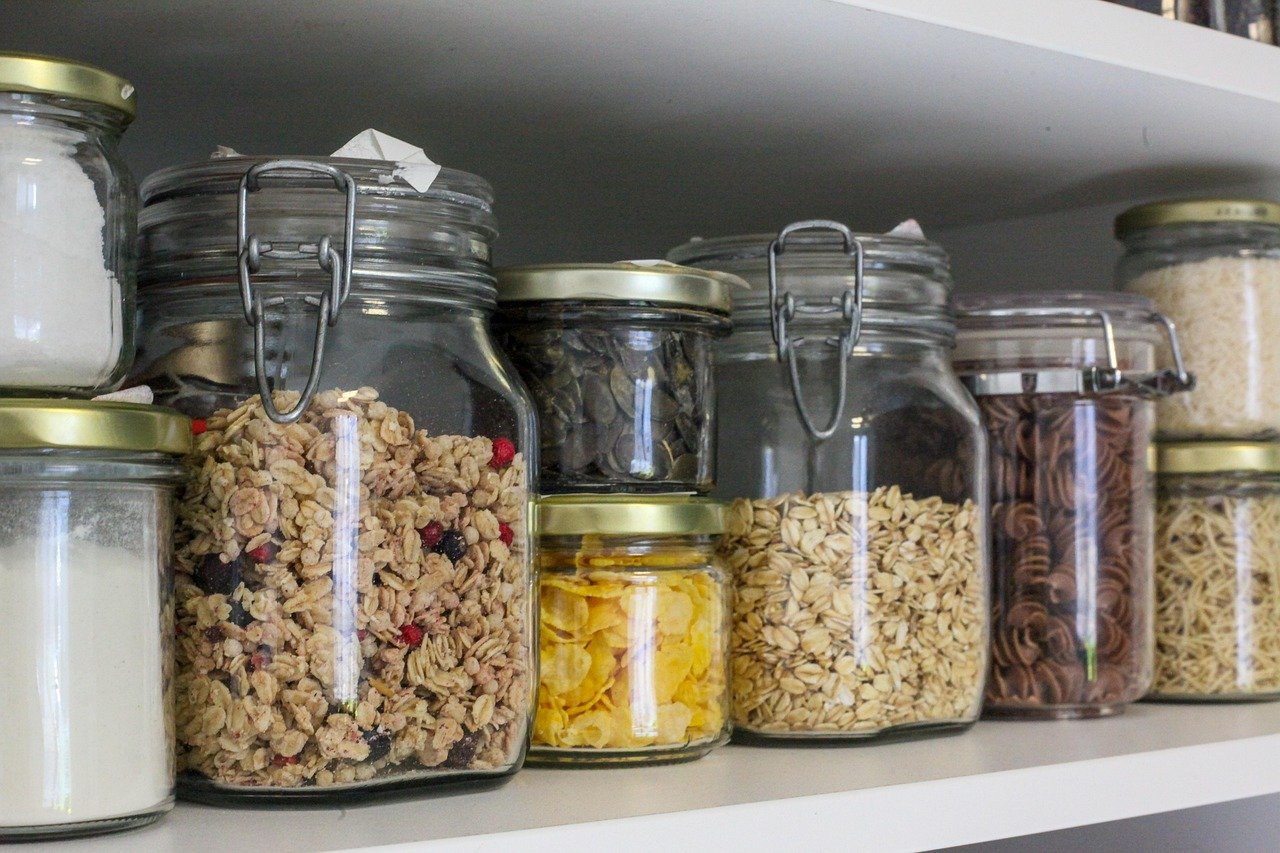
What if the average household threw away money every single week without noticing? That is essentially what happens when food spoils in the fridge, clothes sit unworn, and broken appliances get tossed instead of fixed. Reducing household waste is not about being perfect or living with less comfort. It is about making a series of small, repeatable decisions that cut down what goes in the bin, and most of them save money along the way.
The good news is that the biggest gains come from a handful of habits, not from a total lifestyle overhaul. This guide walks through what works in practice, the mistakes people make when they start, and how to build a system that holds up on a busy Tuesday night when nobody has the energy to sort recycling.
Why the Order of Operations Matters More Than the Effort
Most people jump straight to recycling because it feels productive. But recycling sits near the bottom of the waste hierarchy, a framework that ranks waste management options from best to worst. The EU Waste Framework Directive (Directive 2008/98/EC, as amended by Directive (EU) 2018/851) codifies five steps: prevention, preparing for re-use, recycling, other recovery, and disposal. The logic is simple. The best waste is the waste you never create.
That ordering is not bureaucratic fussiness. Preventing waste avoids the energy, water, and raw materials that go into making a product in the first place. Recycling recovers some of that value, but only after the item has already been manufactured, transported, and used. So a household that focuses only on sorting bins will plateau quickly.
A practical way to apply this at home is to ask three questions before buying anything:
- Do I already own something that does this job?
- Can this item be repaired, refilled, or reused when it wears out?
- When it finally reaches the end of its life, can it actually be recycled locally?
If the answer to the first question is yes, the rest rarely matters.
Start With Food, Because It Is the Biggest Lever

Food is the single largest category of material in US municipal landfills. Food waste made up roughly 24% of landfilled material in EPA estimates based on 2018 data. That is a staggering share, and it comes from ordinary kitchens, not factories.
In 2015, the USDA and EPA jointly set a target to cut US food loss and waste by 50% by 2030, aligned with UN Sustainable Development Goal 12.3. Progress reporting has been limited, so it is fair to say the goal is ambitious rather than assured. For a household, though, the target translates into something concrete: buy less, store better, and eat what you already have.
The habits that make the biggest difference
Shop with a plan, but leave slack. A rigid meal plan collapses the moment a work dinner appears. Instead, plan four or five dinners and keep one night flexible. Buy perishables in quantities you will genuinely cook.
Do a fridge audit before shopping. Pull everything forward, check dates, and build the next two meals around what is about to turn. This single habit prevents more waste than any storage gadget.
Learn the storage rules that people get wrong. Potatoes and onions should not sit together. Fresh herbs last longer with their stems in water. Bread goes stale faster in the fridge than on the counter. These small corrections extend shelf life by days.
Use the freezer as a pause button, not a graveyard. Freeze leftovers in single portions within a day of cooking. Label them with a date. A freezer full of unlabeled containers is just delayed waste.
Keep a “use first” shelf. Designate one shelf in the fridge for items that need eating soon. Everyone in the household learns to look there first.
Home composting handles what you cannot eat: peels, coffee grounds, and yard trimmings. Backyard bins and vermicomposting both work in small spaces, and the output is a free soil amendment. If you have a garden, this closes the loop on food scraps entirely.
Buy Less, Choose Better, and Repair What Breaks
Prevention is where the money is. A few purchasing habits cut waste before it enters the house.
Buy refillable where the refill actually exists. Soap, cleaning spray, and coffee are increasingly available in concentrate or refill formats. The catch is that refill schemes only help if you genuinely use them, so check that the refill is convenient before committing.
Choose repairable products. The EU’s right to repair rules (Directive (EU) 2024/1799, adopted in 2024) require repairs for certain products and promote repair over replacement. The scope is still being implemented across member states, so consumers should not assume every product is covered today. Still, the direction is clear, and buying from brands that publish repair guides and sell spare parts is a practical hedge.
Keep a repair kit and a repair list. A small box with screws, glue, a needle and thread, and basic tools turns “throw it out” into “fix it Saturday.” Keep a running list of broken items and tackle one per month.
Rethink single-use items you actually use often. Single-use plastic rules in the EU (Directive (EU) 2019/904) banned items such as cutlery, plates, and straws from 2021 and set collection targets for plastic bottles, though national implementation varies. At home, the equivalent move is to identify your top three disposable items and swap only those. Reusable bags you forget are worse than the plastic ones you would have reused.
Buy secondhand for things that do not need to be new. Furniture, books, tools, and garden equipment are widely available used and often better made than budget new alternatives.
Set Up a Waste System That Survives Real Life
A system only works if it is easier than the alternative. Most failed recycling setups collapse because the bin is far away, unclear, or overflowing.
| Zone | What belongs there | Common mistake |
|---|---|---|
| Kitchen counter | Small food scraps container | Letting scraps sit until they smell, which kills the habit |
| Under-sink or utility | Recycling for paper, card, metal, glass | Mixing in greasy or food-soiled items |
| Garage or balcony | Bulky recyclables and returnable bottles | Storing so much that it becomes clutter |
| Locked cabinet | Batteries, paint, chemicals, electronics | Putting them in general waste |
Make sorting effortless. Put recycling where the waste is generated, not in a distant garage. Label bins clearly. If your local authority sorts differently from a friend’s, follow your own authority’s rules, because contamination can send a whole load to landfill.
Handle hazardous waste properly. Paints, batteries, and electronics should never go in general waste. Many local authorities run dedicated collection points, and retailers often take back batteries and small electronics. Store them safely until you can drop them off, and tape battery terminals to prevent fire risk.
Do a seasonal declutter with a destination in mind. Before buying storage boxes, decide where unwanted items will go: donation, resale, repair cafe, or recycling. A declutter without destinations just moves clutter around.
If you are upgrading appliances or systems as part of a bigger efficiency push, it helps to plan the whole project rather than replace things piecemeal. The same planning logic that applies to home addition contractors applies to waste: decide the end state first, then work backward. (How to stop snoring at night home remedies)
The Habits That Quietly Undermine Progress
Some well-intentioned moves backfire. Watching for these saves frustration.
Wishcycling. Putting questionable items in recycling because you hope they are recyclable contaminates the stream. When in doubt, check your local rules or leave it out.
Buying organizing products to solve a clutter problem. Matching containers feel like progress but often add more plastic to the house. Use what you have first.
Chasing zero waste perfectly. A household that tries to eliminate all waste in a month usually quits by week three. A household that changes one habit per month is still going a year later.
Ignoring the maintenance loop. A dripping tap, a failing fridge seal, or a clogged dryer vent all waste resources quietly. Small repairs are waste prevention too.
Forgetting the digital and energy side. Waste is not only physical. Standby power, overheating, and unnecessary replacements all count. Smart home setups can help here if chosen carefully, and a comparison of HomeKit vs Google Home vs Alexa compatibility, privacy, and cost is a useful starting point before buying hardware you will not use.
Measure Once, Then Stop Measuring
Tracking progress keeps motivation alive, but only if it is light. Weighing every scrap is unsustainable for most families. A simpler approach: note how full your general waste bin is each week, and aim to fill it less often. Take a photo of the fridge before shopping for a month. Count how many times you repair versus replace.
Recycling rates show why household effort matters but also why it is not the whole story. In England, the household waste recycling rate has hovered around 44% in recent years, according to Defra statistics, and the exact figure varies by nation and year. That plateau suggests the easy gains from sorting are largely captured. The next gains come from prevention and reuse, which is exactly where households have the most control.
Where to Start This Week
Pick one action from each category and ignore the rest for now.
- Food: Do a fridge audit tonight and plan two meals around what needs eating.
- Purchases: Identify your top disposable item and find one reusable swap you will actually carry.
- Repairs: Fix one small broken thing you have been ignoring.
- System: Move the recycling bin closer to where waste is created.
- Hazardous waste: Collect batteries and old paint into one box and find your local drop-off.
Repeat next week with a different item. Over a few months, the changes compound into a household that simply wastes less without thinking about it.
Conclusion
Reducing waste at home is less about sacrifice and more about sequencing. Prevent first, reuse second, recycle third, and dispose last. Food is the biggest single opportunity for most households, repairs and smarter buying come next, and a well-placed bin system keeps the whole thing running. None of it requires a perfect household. It requires a few habits repeated until they become invisible, and a willingness to fix things before replacing them. Start with the fridge, then work outward.
Frequently Asked Questions
What is the single most effective way to reduce household waste?
Preventing waste before it is created delivers the biggest benefit, which is why the waste hierarchy ranks prevention first. In practice, that means buying only what you will use, storing food properly, and repairing items instead of replacing them. Recycling is valuable, but it comes after prevention and reuse.
How can a family cut food waste without meal planning every detail?
Plan a few dinners and keep one night flexible, then do a fridge audit before each shopping trip. Build the next two meals around items that are about to turn. Freeze leftovers in labeled single portions within a day of cooking. These habits cut waste without requiring a rigid schedule.
Is composting at home worth it in a small space?
Yes, if you choose the right method. Backyard bins work for houses with outdoor space, and vermicomposting with worms works indoors in a contained bin. Composting diverts food scraps and yard trimmings from landfill and produces a free soil amendment. The main requirement is consistent attention, not space.
What should never go in general household waste?
Paints, batteries, electronics, and other hazardous items should never go in general waste. Many local authorities run dedicated collection points, and retailers often take back batteries and small electronics. Store these items safely until drop-off, and tape battery terminals to reduce fire risk.
Does recycling actually make a difference if rates have plateaued?
Recycling still matters, but the plateau in rates such as England’s roughly 44% household figure shows that sorting alone has limits. The larger remaining gains come from prevention and reuse. Recycling works best when paired with buying less and repairing more.
How do I stop recycling contamination?
Follow your local authority’s rules exactly, since accepted materials vary by area. Keep food-soiled or greasy items out of recycling, and avoid “wishcycling” items you are unsure about. Clean and dry containers before sorting, and when in doubt, leave it out rather than risk contaminating a whole load.



