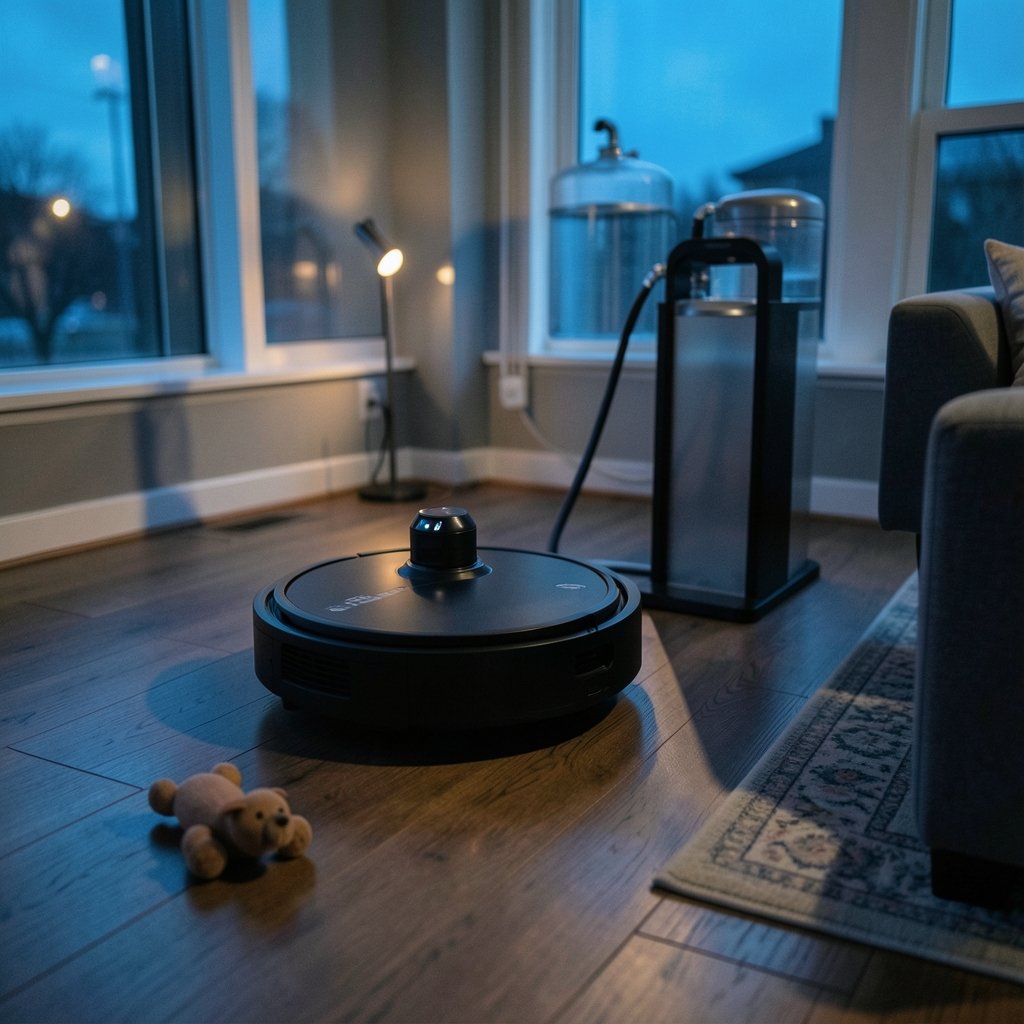
What if the most demanding chore in your house could be handled by a machine that learns your floor plan, dodges your dog’s toys, and empties itself for weeks? That future is already sitting in showrooms, and the 2027 lineup makes it harder to ignore. Robot vacuums, mops, and lawn bots have moved from novelty gadgets to serious household infrastructure. But the market is messy, the prices are steep, and not every shiny launch deserves your money. This report breaks down what the 2027 hardware actually does, where the category is heading, and how to spend wisely. (Manychat pricing 2027 instagram automation really costs you)
Why 2027 Is a Turning Point for Home Robots
The household robot market has been growing steadily, but 2027 looks different. The technologies shown at trade fairs in 2025 and 2026 are finally becoming products people can buy. Some arrive at reasonable prices. Others remain expensive toys for early adopters.
The numbers back this up. Robotic vacuum cleaners generated 47.83% of 2025 revenue for the household robots market, according to market research on household robots. That is a striking figure. It means vacuums are not just the most popular category. They are the financial engine of the entire sector.
Meanwhile, the lawn-mowing subcategory recorded double-digit growth in large-lot suburbs, boosted by improvements in boundary-free visual SLAM. Translation: robot mowers no longer need buried perimeter wires, and that single change has unlocked a wave of new buyers.
The broader automation market is expanding too. One market report projects the laboratory automation segment alone growing from $8.43 billion in 2026 to $16.01 billion by 2034, a compound annual growth rate (CAGR) of 8.35%. That is lab equipment, not living rooms, but it signals how much capital is flowing into autonomous systems generally.
The CES 2027 Winners Worth Knowing
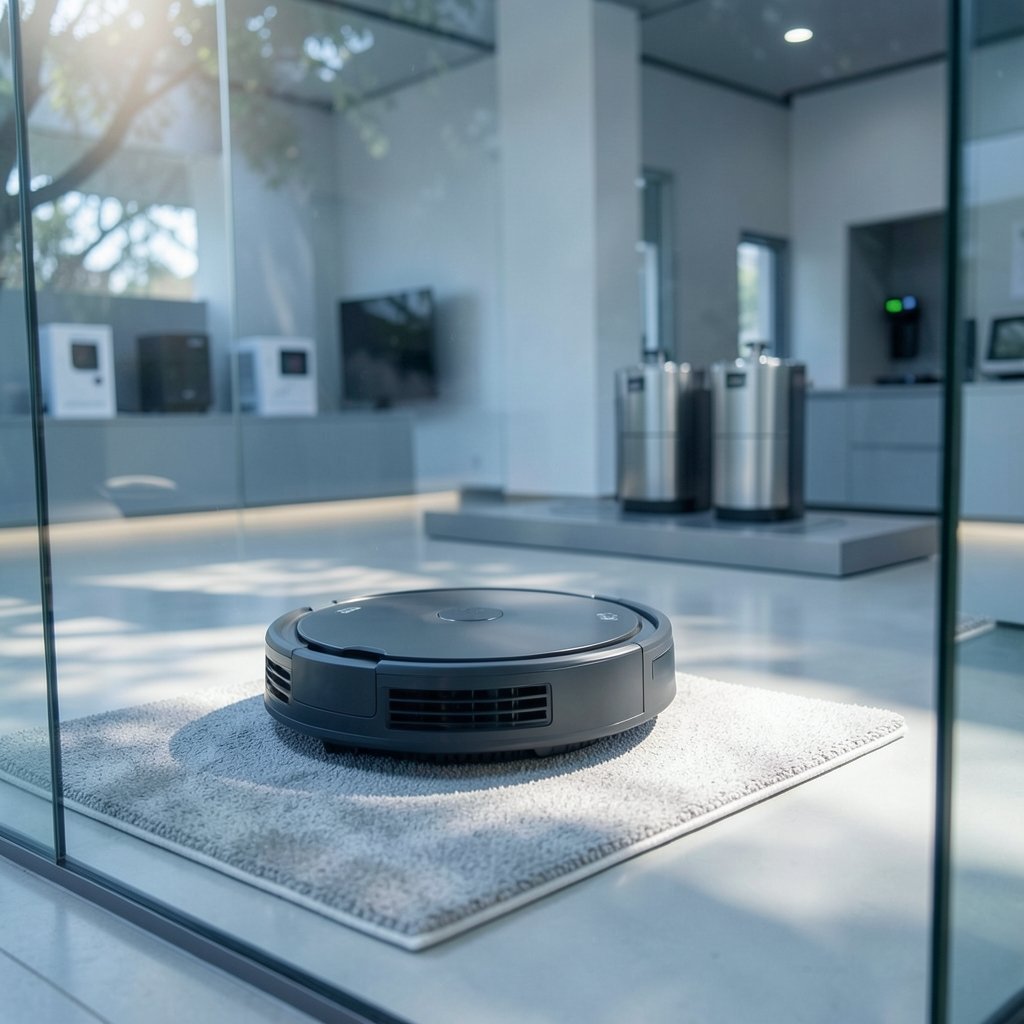
Trade show awards are not a buying guide, but they do reveal where manufacturers are placing their bets. At CES 2027, the Smart Home and Home Appliances categories together recognized 25 honorees, and five of them were robots. That ratio tells you something about the direction of the industry.
The headline product was iRobot’s Roomba Max 875 Combo with its AutoWash Dock. It combines vacuuming and mopping, delivers 35,000 Pa of suction, and uses a skirt that seals against carpet. It was on sale in the US at $1,199.99 on iRobot’s store.
Other honorees included the Cleanix xLean TR1, X Square Robot’s laundry-folding Quanta X1 Pro, JOYIN’s ZEROTH Bridge humanoid, and the Yarbo M Series yard robot. Notice the pattern. The winners are not just better vacuums. They are machines that handle multiple tasks or entirely new chores.
What the Award List Actually Tells You
Three things stand out from the honoree list:
- Combo units are the new default. Vacuum-only flagships are fading. Vacuum-plus-mop with a self-cleaning dock is the premium standard.
- Yard robots are graduating. A mower winning a smart home award alongside indoor vacuums shows outdoor robotics has earned a seat at the table.
- Humanoids are still a spectacle. Laundry-folding robots generate headlines, but they are not mainstream purchases yet.
If you are mapping out a whole-home setup, it helps to think in layers. Start with the indoor cleaning core, then add yard automation, then consider the hub that ties everything together. A practical guide to choosing home automation that actually works is a good sanity check before you buy anything.
Robot Vacuums in 2027: Suction Is No Longer the Story
Every year the suction numbers climb. 35,000 Pa sounds impressive, and it is. But raw power stopped being the deciding factor a while ago. What separates a good vacuum from a frustrating one in 2027 comes down to three things.
Navigation and obstacle avoidance. A robot that gets stuck under the same chair every day is not saving you time. Look for visual SLAM and structured-light sensors. These let the robot identify cables, socks, and pet waste rather than bulldozing them.
Self-maintenance. The dock is now as important as the robot. Auto-emptying, auto-washing mops, and hot-air drying reduce how often you touch the machine. The Roomba Max 875 Combo’s AutoWash Dock is a good example of where the premium tier is heading.
Software longevity. This is the underrated factor. A 4-7 year household replacement cycle makes spare-part continuity important. A brand that stops supporting an app, battery, or dock can undermine customer confidence even when its original devices were competitively priced. Before buying, check how long the manufacturer has supported previous generations.
The Real Cost of Ownership
The sticker price is only the beginning. Replacement batteries run $80-150, and motor assemblies cost $120-200. Those lifecycle costs add up fast and are a major reason repeat purchases lag in price-sensitive markets.
There is also a quality gap to watch. Sub-$250 Chinese models record 32% return rates due to basic navigation shortcomings, which erodes confidence in the whole category. Cheap robots are not necessarily a bargain. They are often a refund waiting to happen.
US households earning under $50,000 show a nine percent purchase conversion rate despite high interest. The gap between wanting a robot and buying one is largely about price and trust.
Robot Mops: The Combo Era Arrives
Standalone mops are quietly disappearing from flagship lineups. The reason is simple. A robot that vacuums and mops in one pass with a self-cleaning dock is more convenient than two separate machines fighting for floor space.
The trade-off is maintenance complexity. Combo units have more parts that can clog, more tanks to fill, and more sensors to keep clean. In practice, the owners who are happiest with their combo robots are the ones who do a two-minute weekly check: empty the dirty water tank, rinse the mop pad, and clear hair from the brush roll.
Common mistakes people make with mops:
- Using too much detergent, which foams and triggers sensor errors
- Skipping the mop-pad rinse until it smells
- Running the mop on carpets without setting no-go zones
- Ignoring firmware updates that fix navigation bugs
If you are building out a multi-device home, pairing your cleaning robots with a voice assistant makes scheduling far easier. A roundup of the best smart speakers for home automation covers which assistants handle robot commands most reliably.
Lawn Bots: Wire-Free Navigation Changes Everything
For years, robot mowers were a niche product held back by one ugly requirement: you had to bury a boundary wire around your entire lawn. That installation was expensive, tedious, and broke constantly.
Boundary-free visual SLAM changed the math. The lawn-mowing subcategory recorded double-digit growth in large-lot suburbs specifically because of this shift. Now a mower can map your yard with cameras and GPS, and you can adjust zones from an app.
What to expect in 2027:
| Feature | Why It Matters |
|---|---|
| Wire-free navigation | No trenching, no broken loops, easier install |
| App-based zone mapping | Mow the front yard on different days than the back |
| Slope handling | Steep yards need rated climbing ability, not marketing claims |
| Rain sensors | Prevents muddy ruts and blade damage |
| Anti-theft GPS | Expensive mowers need tracking |
The practical advice here is boring but important. Measure your actual lawn, including slopes and narrow passages. A mower rated for a flat quarter-acre will struggle on a hilly half-acre. And check whether the model handles the grass type you have, since thick St. Augustine is a different challenge than fine fescue.
If you want a deeper comparison of current models, a look at the best robot lawn mowers with wire-free navigation is worth your time before you commit.
The Multifunctional Dream and Its Limits
The next frontier is the do-everything household robot. Manufacturers are prototyping kitchen arms that stir, flip, and plate meals. Companion robots are projected to grow at a 17.60% CAGR through 2031, powered by demographic shifts and improved conversational AI. Roborock’s leap to 16% global share illustrated the advantage of agile firmware updates and regionally sourced components.
But there is a gap between demonstration and daily life. A robot that can vacuum a floor is executing a repetitive task in a semi-structured environment. A robot that can tidy a whole house must handle unpredictable objects, fragile items, and rooms that change daily. That is a fundamentally harder problem.
The honest read on 2027: specialized robots work well, multifunctional robots are promising but immature, and humanoids remain experimental. Buy for the chore you hate most, not for the sci-fi fantasy.
This is also where the supporting infrastructure matters. A reliable hub keeps your devices talking to each other, and a strong pick from the best smart home hub options for 2027 can prevent the fragmentation headache of five separate apps.
Safety, Privacy, and the Smart Home Backbone
Every robot with a camera is a camera in your home. Every robot with a map is a map of your floor plan. Safety and privacy concerns among consumers are listed as a genuine restraint on market growth, and for good reason.
Practical steps that actually work:
- Check where map data is stored and whether it can be deleted
- Use guest networks or VLANs for IoT devices if your router supports it
- Keep firmware updated, since patches often close security gaps
- Set no-go zones around bathrooms and bedrooms if you are uncomfortable
There is a physical safety layer too. Robots share space with pets, children, and clutter. A vacuum that drags a charging cable can damage both. A mower that escapes its zone can wander into a neighbor’s yard.
Whole-home safety also means the boring essentials. A working smoke detector matters more than any robot, and a solid pick from the best smoke detector options for 2027 is money better spent than a second mop. Backup power is another layer worth considering, and the best home standby generator models for 2027 cover the outage scenario that knocks your smart home offline.
How to Budget for a 2027 Robot Home
A realistic rollout happens in phases. Here is a sequence that works for most households:
- Start with the indoor cleaning core. One good vacuum-mop combo with a self-emptying dock covers the daily grind.
- Add voice control. A smart speaker that integrates with your robot’s ecosystem removes friction from scheduling.
- Layer in yard automation. A wire-free mower pays off if your lawn is large enough to justify the cost.
- Upgrade the backbone. A hub and reliable network keep everything coordinated.
- Cover the essentials. Safety and backup power come before luxury robots.
The biggest mistake is buying everything at once. Each device needs tuning, and a house full of half-configured robots is more work than a house with one well-tuned one.
Conclusion
The 2027 home automation report card reads like this: robot vacuums are mature and worth the money at the premium tier, robot mops have merged into combo units, and lawn bots finally escaped the boundary wire. Multifunctional humanoids are exciting but not ready for your living room.
The smart play is to buy for the chore that drains your week, verify the brand’s software support history, and budget for replacement parts. Robotics rewards patience. The machines are genuinely good now. The trick is matching the machine to your actual home rather than the showroom fantasy.
FAQ
How much should a good robot vacuum cost in 2027?
Premium flagship models sit around $1,199.99, as seen with the Roomba Max 875 Combo. Mid-range units cost less but often skip self-cleaning docks. Budget models under $250 carry high return rates due to weak navigation, so spending a bit more usually pays off.
Do robot mowers still need boundary wires?
No. Boundary-free visual SLAM has become the standard for newer models, and this change drove double-digit growth in large-lot suburbs. You map zones through an app instead of trenching a wire around your yard.
Are robot mops worth it compared to a standalone mop?
For most homes, yes, but only as part of a combo unit. Combo robots vacuum and mop in one pass with self-cleaning docks. The catch is maintenance. You still need to rinse pads and empty tanks weekly.
What is the biggest hidden cost of owning a robot vacuum?
Replacement parts. Batteries run $80-150 and motor assemblies cost $120-200. Over a 4-7 year replacement cycle, those costs add up. Check spare-part availability before buying.
How long do household robots typically last?
The household replacement cycle runs about 4-7 years. Software support often ends before the hardware does, which is why app and firmware longevity matters as much as build quality.
Will multifunctional robots replace single-task machines soon?
Not yet. Specialized robots handle repetitive tasks well, but whole-house robots must manage unpredictable objects and changing rooms. Expect multifunctional models to improve gradually rather than replace dedicated vacuums and mowers outright.