
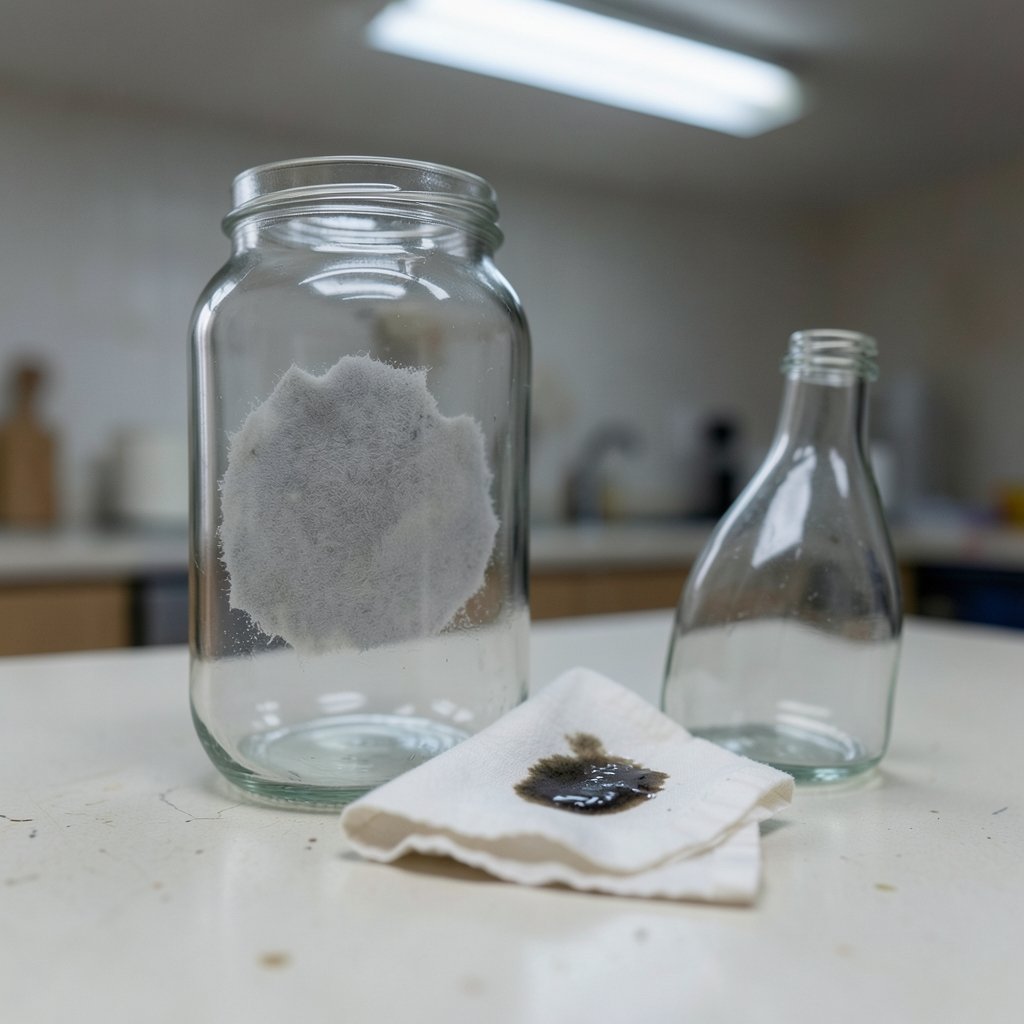
Have you ever peeled a price sticker off a new glass jar, only to be left with a gray, fuzzy patch of glue that seems to mock you every time you reach for the shelf? Most people grab the nearest bottle of rubbing alcohol, soak a cloth, and start scrubbing. Sometimes it works like a charm. Other times, nothing happens, or worse, the surface turns cloudy and you have traded one problem for another. The truth about rubbing alcohol and sticky residue sits somewhere in the middle. It is a genuinely useful tool, but it is not a magic eraser, and understanding why it works, when it fails, and what it can damage will save you a lot of frustration and a few ruined finishes.
What Rubbing Alcohol Actually Is
Rubbing alcohol is the common name for isopropyl alcohol, also called isopropanol. In the United States, it is typically sold as a 70% mixture with water, though 91% and even 99% concentrations are available. In the United Kingdom and parts of Europe, a similar product is sold as surgical spirit, which is often ethanol-based rather than isopropanol-based.
The key point is that these are polar solvents. Their molecules have an electrical imbalance that lets them interact with other polar substances and dissolve them. Many adhesives used on stickers, labels, and tapes are built from polymers that respond well to this kind of solvent. When alcohol seeps into the adhesive layer, it softens the polymer, reduces its grip, and lets you wipe it away.
That is the whole mechanism, and it explains both the successes and the failures. If the glue is the right chemical type, alcohol makes short work of it. If it is not, the alcohol just sits there evaporating while you scrub.
Why Alcohol Dissolves Some Glue and Not Others
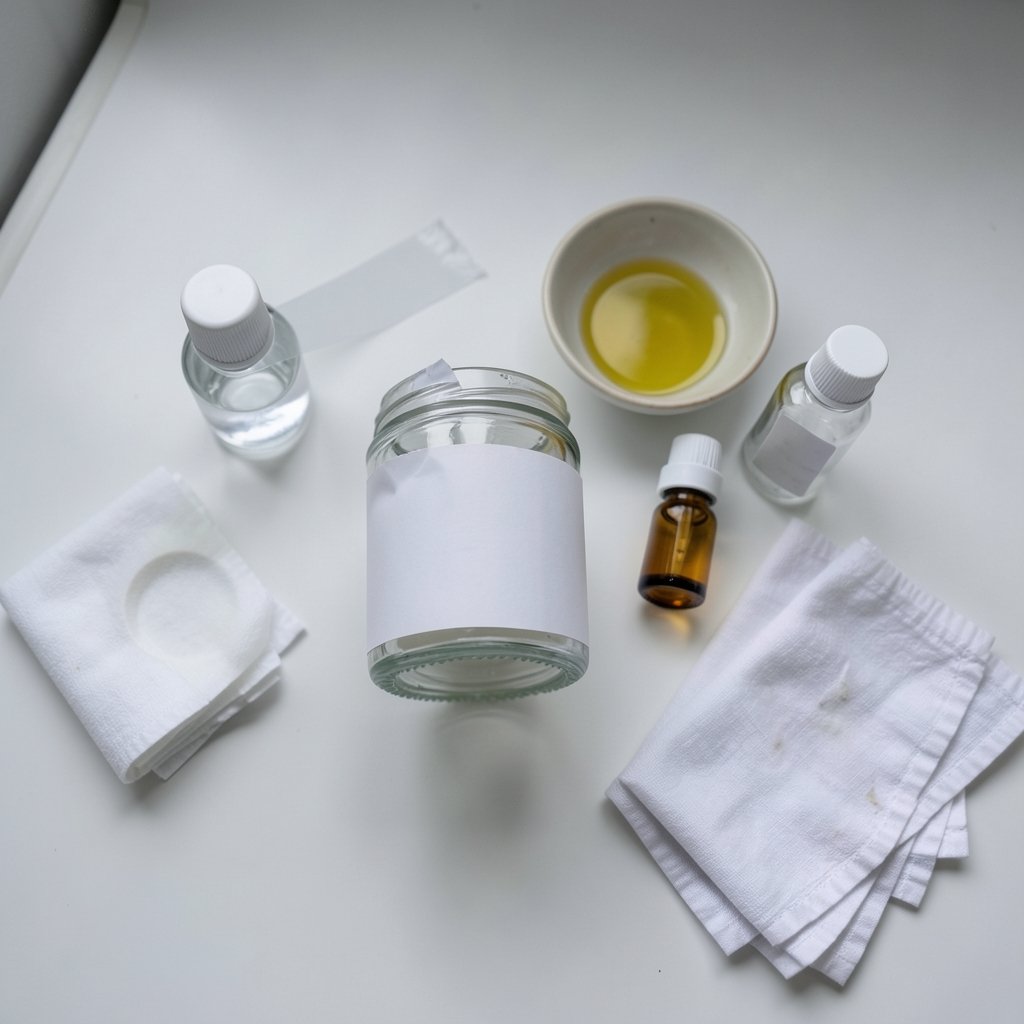
Not all sticky things are created equal. The adhesive on a typical paper label, a strip of clear tape, or a store price sticker is usually a pressure-sensitive adhesive. These are designed to bond lightly and release cleanly, and they tend to respond well to alcohol.
Other residues are a different story. Rubber-based adhesives, some heavy-duty mounting tapes, and residues left by oil-based products can shrug off alcohol entirely. These often need a nonpolar solvent instead, such as a citrus-based product containing d-limonene, or a small amount of oil. This is the most common mistake people make: they assume that because alcohol worked on a jam jar, it will work on everything. It will not, and no amount of extra scrubbing changes the chemistry.
A practical rule of thumb is to test a small corner first. If the residue starts to smear or lift within thirty seconds of contact, alcohol is the right tool. If it just sits there looking wet, stop wasting your time and try a different approach.
The 70% Versus 91% Question
Walk down any pharmacy aisle and you will see bottles at different strengths, and the internet is full of confident claims about which one is best for cleaning. Here is the honest answer: the guidance is genuinely inconsistent, and there is no single authoritative study that settles the debate.
The argument for 70% is that the water content improves wetting and keeps the alcohol in contact with the residue for longer, giving it more time to work. The argument for 91% is that more alcohol means more solvent power and faster evaporation, which is handy on electronics.
In practice, most people will do fine with 70%. It is cheaper, less aggressive on surfaces, and the extra water helps it linger. Higher concentrations evaporate so quickly that on a warm day you may find yourself re-wetting the cloth constantly. If you already own 91%, there is no need to rush out and buy a different bottle.
How to Remove Sticky Residue Step by Step
The method matters as much as the product. Rushing the process is how people scratch surfaces and ruin finishes.
- Scrape off what you can first. Use a plastic card, a fingernail, or the back of a knife. Never use a metal blade on glass or plastic. Removing the bulk of the residue means less solvent is needed.
- Test in a hidden spot. Find an area that will not be seen, such as the underside of a shelf or the back of a frame, and apply a little alcohol there first. Wait a minute and check for dulling, cloudiness, or color change.
- Apply, do not flood. Pour a small amount onto a cloth or paper towel rather than directly onto the surface. This keeps the alcohol where you want it and avoids drips running into seams or electronics.
- Let it sit. Give it thirty seconds to a minute. This contact time is what actually softens the adhesive.
- Wipe with pressure, in one direction. Use a firm, consistent motion rather than frantic circular scrubbing. The residue should ball up and lift away.
- Clean up the alcohol. Wipe the area with a damp cloth afterward. Alcohol left to dry can leave a faint film on some surfaces.
- Wash your hands. More on this below, but it matters.
For items where the residue is stubborn but the surface is delicate, a plastic scraper plus a warm, damp cloth can do a lot of the work before any solvent is involved at all.
What Alcohol Can Damage
This is where caution earns its keep. Alcohol is a solvent, and solvents do not discriminate between the glue you want gone and the finish you want to keep.
Some plastics are vulnerable. Acrylic and polycarbonate can craze, meaning they develop a network of fine internal cracks that look like a spiderweb and cannot be polished out. Clear plastic display cases, laptop screens, and eyeglass lenses are all risky.
Some finishes will dull. Certain lacquers, varnishes, and painted surfaces can lose their sheen or soften when alcohol sits on them. Wood furniture with a factory finish is usually fine for a quick wipe, but an antique with a French polish is not.
Printed labels and inks can smear. If you are trying to remove a sticker from a book cover or a printed box, the alcohol may lift the ink along with the adhesive.
Rubber and some soft grips can degrade. Prolonged contact with alcohol can dry out or harden certain rubber compounds.
The pattern is clear: alcohol is best suited to glass, metal, ceramic, and hard, non-porous surfaces that you know are solvent-resistant. When in doubt, test first. It takes ten seconds and can save an object you actually care about.
Safety Points People Skip
Rubbing alcohol is a household staple, which makes it easy to forget that it is a genuine chemical with real hazards.
It is flammable. Pure isopropanol has a flash point of around 12 °C (53 °F), and even 70% solutions will burn. Keep it away from open flames, pilot lights, and sparks, and do not use it near a running stove.
It is toxic if swallowed. Isopropanol is more toxic than ethanol, and ingestion is a serious hazard, particularly for children. Store bottles out of reach and never decant it into a drinks bottle or an unlabeled container. If someone swallows it, contact a poison control center immediately.
It dries out skin. Repeated use is a defatting irritant, meaning it strips the natural oils from your skin. It is not a substitute for soap and water. Wear gloves for larger jobs, and wash your hands afterward.
Ventilation matters. The fumes are not pleasant in a small, closed room. Crack a window.
These are not reasons to avoid the product. They are reasons to treat it like what it is: a useful solvent that deserves a little respect.
When Alcohol Is the Wrong Tool Entirely
There are situations where reaching for alcohol is a mistake, and recognizing them early saves time.
If the residue is on a touchscreen or display, skip the alcohol. The oleophobic coating on modern screens can be degraded by solvents, and the risk is not worth it.
If the sticky patch is on fabric or upholstery, alcohol can spread the adhesive deeper into the fibers or leave a permanent ring. Blotting with a warm cloth, or using a dedicated fabric cleaner, is safer.
If the residue is oil-based or rubbery, alcohol will not touch it. Try a citrus-based solvent or a small amount of cooking oil instead, then wash with soapy water.
If the surface is unknown or valuable, do not experiment on it. Take it to a professional or accept the sticker.
A related trap shows up in tech settings. People cleaning up a secondhand streaming device often find adhesive gunk from a mounting bracket or a removed label, and reach for alcohol without thinking about the plastic housing. The same instinct applies to network gear and drives: know the material before you apply the solvent. If you are setting up hardware in a hotel room and wrestling with sticky tape residue on a device, the same caution applies as when you are working through a Roku hotel wi fi setup getting your streaming stick online, where the priority is not damaging the hardware in the process.
Common Mistakes Worth Avoiding
A few habits trip people up again and again.
Soaking instead of wiping. Pouring a puddle of alcohol onto a surface and walking away is a recipe for damaged finishes. Apply it to a cloth, not the object.
Skipping the test patch. The single most common cause of ruined finishes. It takes seconds.
Scrubbing harder when it is not working. If alcohol is not lifting the residue after a minute, more pressure will not help. The chemistry is wrong, so change the product, not the elbow grease.
Using it on hot surfaces. Alcohol evaporates faster when warm, reducing contact time, and the flammability risk goes up near anything that generates heat.
Forgetting about fumes and skin. A quick job is fine, but a long session of label removal on a stack of jars deserves gloves and an open window.
There is a broader lesson here that applies well beyond sticky labels. Good results usually come from matching the tool to the material rather than forcing one product to do everything. The same principle shows up when people try to fix a home network by rebooting the router over and over instead of addressing the real issue, as happens with mesh wi fi roaming sticky clients your phone clings wrong. Stubborn problems usually need a different approach, not more force.
Getting the Most From a Bottle You Already Own
Most households already have rubbing alcohol in a cupboard, which makes it an appealing first choice. To get the best from it, keep a few supplies on hand: a roll of paper towels, a plastic scraper card, a spray bottle for even application, and a pair of nitrile gloves. A dedicated cloth reserved for solvent work is also worth having, since alcohol can leave residue in fabric.
For a big job, like removing labels from a batch of jars before canning, work in a well-ventilated space and set up an assembly line: scrape, apply, wait, wipe, wash. It goes faster than tackling them one at a time, and the consistent contact time makes the alcohol more effective.
If you are cleaning up around a workshop or a home office, it also helps to know which items are solvent-safe before you start. A little preparation, like knowing how to keep equipment running smoothly, pays off. Keeping a regular maintenance routine, much like how a nas scrubbing schedule explained often run data scrubs keeps storage healthy, prevents small problems from becoming big ones. The same goes for your cleaning supplies: a stocked, organized kit means you reach for the right product instead of the nearest bottle.
Conclusion
Rubbing alcohol is a reliable, cheap, and widely available method for a specific and very common problem: pressure-sensitive adhesive residue on glass, metal, ceramic, and other hard, solvent-resistant surfaces. It works because it is a polar solvent that softens the polymer layer of many sticker and tape glues, letting you wipe them away cleanly. Where it fails, it fails for a predictable reason: the adhesive is the wrong chemical type, and no amount of scrubbing will change that.
The people who get the best results are not the ones who scrub hardest. They are the ones who scrape off the bulk first, test a hidden spot, apply alcohol to a cloth rather than the object, give it time to work, and know when to switch to a different product. They also respect the hazards: flammability, toxicity if swallowed, and the way repeated contact dries out skin.
Used with a little judgment, a bottle of rubbing alcohol will handle most of the sticky residue life throws at you. Used carelessly, it will dull a finish or craze a plastic panel you cannot replace. The difference is not the product. It is the method.
Frequently Asked Questions
Does rubbing alcohol remove all sticker residue?
No. It works well on most pressure-sensitive adhesives, the kind used on paper labels, price stickers, and clear tape. It struggles with rubber-based adhesives, heavy mounting tapes, and oil-based residues, which usually need a nonpolar solvent such as a citrus-based cleaner or a small amount of oil.
Is 70% or 91% rubbing alcohol better for sticky residue?
The guidance is genuinely mixed and there is no single authoritative study that settles it. The case for 70% is that the water content improves wetting and keeps the alcohol in contact with the residue longer. The case for 91% is faster solvent action and quicker evaporation. For most household jobs, 70% is perfectly adequate and gentler on surfaces.
Can rubbing alcohol damage plastic or painted surfaces?
Yes. Some plastics, particularly acrylic and polycarbonate, can craze and develop permanent fine cracks. Certain lacquers, varnishes, and painted finishes can dull or soften. Printed inks may smear. Always test a small hidden area first and wait a minute before committing to the whole surface.
Is it safe to use rubbing alcohol on a phone or laptop screen?
It is not recommended. Modern screens carry an oleophobic coating that solvents can degrade over time. Use a soft, slightly damp microfiber cloth instead, and keep alcohol away from displays and touchscreens.
What should I do if rubbing alcohol is not lifting the residue?
Stop scrubbing. If the adhesive has not softened after about a minute of contact, it is likely the wrong chemical type for alcohol. Try a citrus-based solvent or a small amount of cooking oil, then clean up with soapy water. More pressure will not solve a chemistry mismatch.
Is rubbing alcohol dangerous to have around children and pets?
It should be treated with care. Isopropanol is more toxic than ethanol if swallowed and is a serious ingestion hazard, so store bottles out of reach and never decant into a drinks bottle or unlabeled container. It is also flammable, with a flash point around 12 °C (53 °F) for the pure liquid, so keep it away from flames and sparks.



