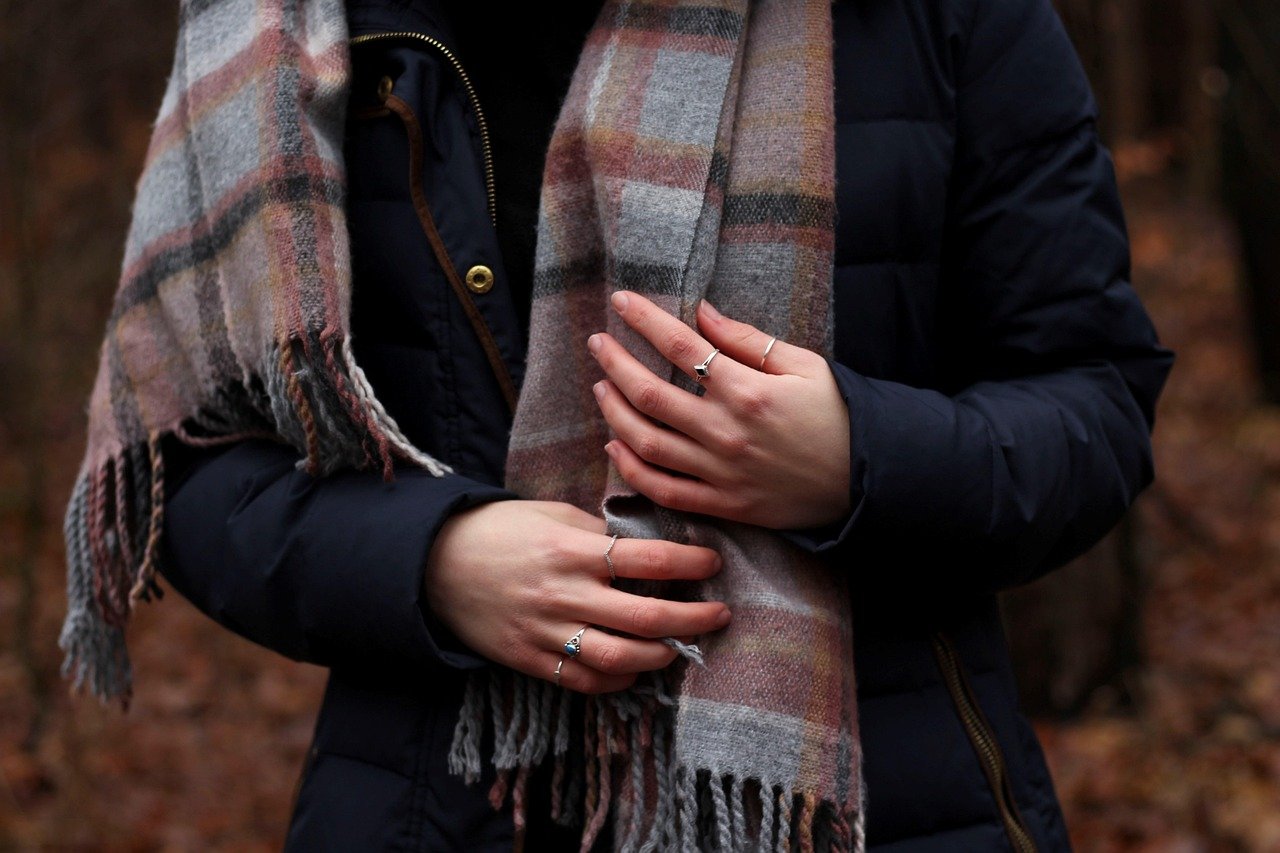
What if the difference between a scarf that looks thrown on and one that looks styled came down to a single piece of metal smaller than a matchbox? That is exactly what a scarf ring does. It is one of the least expensive accessories in the drawer and one of the most transformative. It holds silk, wool, or cotton in place without a knot, keeps fabric corners smooth, and turns a plain rectangle into a deliberate, finished look. Yet plenty of people own scarves and have never tried one.
This guide explains what scarf rings are, how they work, which materials and shapes suit which scarves, and the practical mistakes that make them slip or look awkward. It also covers how to choose one that fits your wardrobe rather than your shelf.
What Is a Scarf Ring, Exactly?
A scarf ring is a rigid loop, usually metal, that you thread the ends of a scarf through. Instead of tying a knot, you pull the fabric through the ring and adjust the drape. The ring holds the scarf snug while letting the fabric hang in soft folds.
The idea is old. A United States patent filed in the nineteenth century describes an “improvement in scarf-rings” that added a small hinged catch with sharp points inside the ring. The catch gripped the fabric and stopped the ring from sliding off. That tells you two useful things. First, people have been frustrated by slipping rings for well over a century. Second, the basic design has barely needed to change, because a loop that grips fabric is already close to perfect.
Modern rings solve the same problem in different ways: with weight, with texture, with shape, or with a slightly rough interior finish that catches the weave.
How a Scarf Ring Actually Works
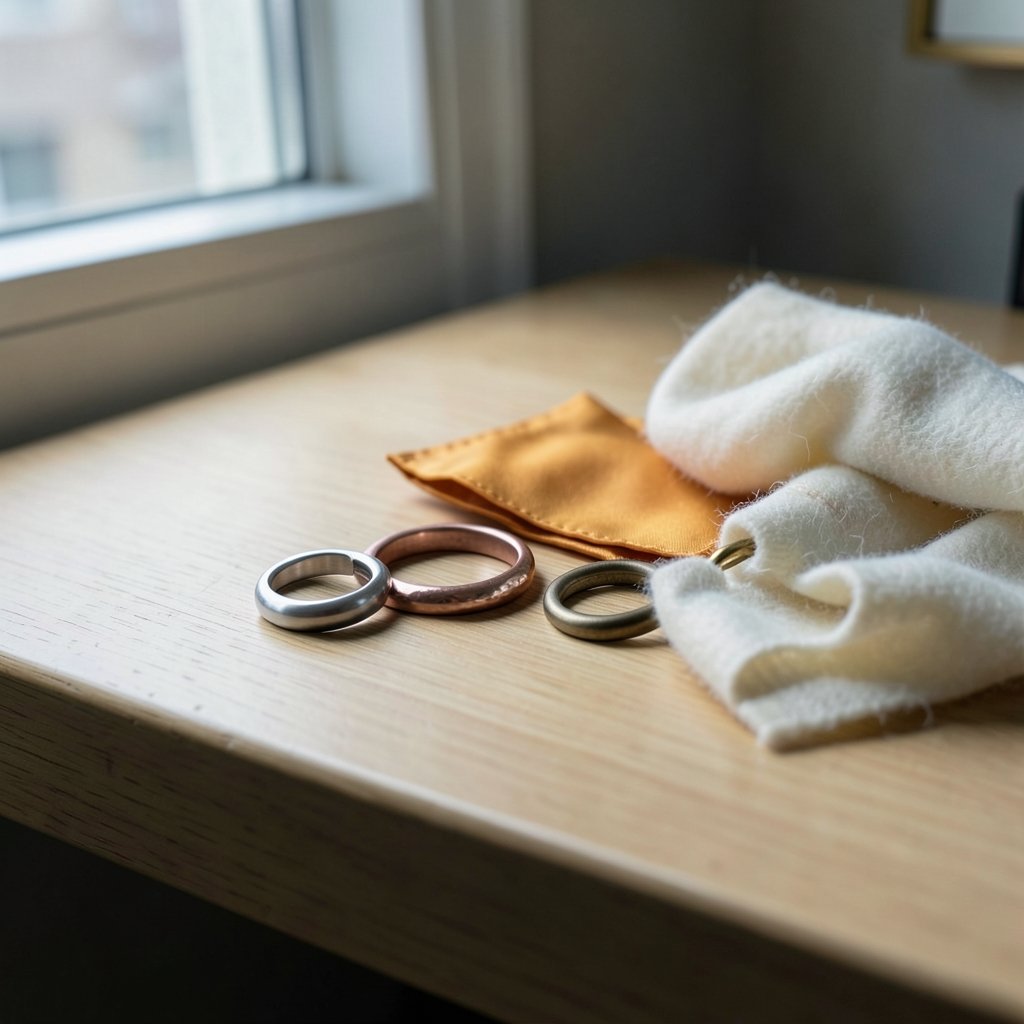
The mechanism is simple friction and geometry. Fabric passes through an opening, doubles back on itself, and the ring compresses the fold. Three factors decide whether it holds:
- Ring size relative to fabric bulk. A thin silk scarf needs a smaller opening than a chunky wool blanket scarf.
- Surface texture. Polished metal slides; brushed, hammered, or patterned surfaces grip.
- Weight. A heavier ring pulls the drape down and stays put; a very light ring can drift.
That is why a ring that works beautifully on a lightweight square can fail completely on a heavy winter scarf. It is not the ring’s fault. It is a mismatch.
The Main Types of Scarf Ring
Most rings fall into a handful of categories, and each behaves differently.
| Type | Best for | What to know |
|---|---|---|
| Simple closed loop | Light to medium silk and cotton | Easiest to use; smooth finishes can slip on slick fabric |
| Open or cage design | Silk squares and patterned scarves | Multiple hoops create structure and catch light |
| Tubular ring with pattern | Bandanas, neckerchiefs, medium wool | Texture grips fabric without tight knots |
| Leather and metal combo | Everyday styling, neutral wardrobes | Adds warmth and visual weight |
| Carved natural materials | Delicate silks, statement looks | Lightweight, unique grain, less grip than metal |
| Enamel or decorative plate | Dressy outfits | The decorative face adds color; check the opening size |
Designer examples show the range clearly. A gold-tone metal ring from Hermès is small, roughly 1.2 cm by 1 cm, and designed to hold and style silk scarves while complementing a wide range of scarf colors. A three-hoop palladium-plated design from the same house measures about 2.5 cm wide and works like an open cage, letting you thread scarf corners through its curves to knot, drape, or gather without any tying. A leather and metal version, about 1.1 cm wide, leans on clean lines and a polished finish rather than size.
At the other end of the market, a hand-carved camellia-shaped ring made from recycled buffalo horn and finished with lacquer holds a scarf without a knot and keeps fabric smooth at the corners. A cast zinc alloy tubular ring with a cross pattern is described by its maker as keeping scarves secure without tight knots and expanding styling options for draping and folding. A polished pewter dragonfly design is sold as suitable for lightweight through heavy materials and is described as never tarnishing.
None of these is inherently better. They are different tools.
Materials: What Actually Lasts
Material choice affects grip, weight, skin comfort, and how the ring ages.
Palladium-plated and gold-tone metals look refined and pair well with silk. They are also the smoothest, so they suit scarves with some texture or a ring with a shaped interior.
Pewter is a traditional jewelry metal that does not rust or tarnish and holds up over a lifetime of use. It is heavier than it looks, which helps grip.
Brass with nickel-free plating matters for anyone with metal sensitivities. One maker explicitly finishes its brass rings with nickel-free plating because nickel is a primary cause of metal allergies, while noting that individual reactions vary and no guarantee can be made for every wearer. If you have reacted to cheap earrings before, this is worth checking on the label.
Zinc alloy is common in affordable cast rings. It takes fine detail well and holds a pattern, which helps with grip.
Natural materials such as horn and lacquer are lightweight and visually distinctive. Because horn is a natural material, no two pieces are identical, and each carries its own grain and depth of color. Expect less friction than metal.
How to Choose the Right Ring for Your Scarf
Start with the scarf, not the ring. A quick practical sequence:
- Sort your scarves by weight. Light silk squares, medium cotton and blends, heavy wool and knits.
- Match opening size to bulk. Thin scarves need a smaller or more textured opening; heavy scarves need a wider ring or a heavier one.
- Check the interior. Run a fingertip inside. A slight texture or edge detail helps; a mirror-smooth interior will slide on satin-finish fabric.
- Consider the finish against your wardrobe. Gold tone warms up cream, camel, and rust. Silver and palladium suit cool blues, greys, and crisp whites.
- Test the drape alongside the hold. Thread the scarf, lift it, and let it fall. If the fabric bunches at the ring, size up.
If you also wear rings on your hands, the same sizing instincts apply: measure rather than guess. The guidance on how to measure ring size at home without guessing is a useful reminder that a millimeter or two changes everything. Scarf rings are more forgiving, but the principle holds.
How to Wear a Scarf Ring: Four Reliable Methods
The simple pull-through. Fold the scarf in half, drape it around your neck, and pull the loose ends through the loop. Slide the ring up toward the neck to tighten. This is the fastest method and works with almost any ring.
The corner gather. For a large silk square, gather two opposite corners, thread them through the ring, and let the rest fall. This creates a soft, structured cowl.
The side cinch. Wear the scarf loose and place the ring off-center at chest height. The asymmetry reads as intentional and keeps long scarves out of the way.
The bandana fold. Fold a square into a triangle, roll it, wrap it around the neck, and secure the ends through a tubular ring. This is where textured rings earn their keep.
One practical note: pull the fabric through gently. Sharp interior catches, like the pointed lever in that old patent, are designed to grip, and yanking can snag delicate weaves.
Common Mistakes and What Works Instead
Buying for looks before fit. A beautiful ring with a tiny opening will sit unused if your scarves are chunky. Buy for your heaviest everyday scarf first.
Ignoring the fabric finish. Slick, satin-weave silks slide through polished rings. Choose texture or a slightly heavier ring.
Over-tightening. Pulling the ring too close to the throat creates bulk and creases. Leave a little breathing room so the fabric falls in folds.
Skipping the care check. Plated metals can wear at contact points. Store rings separately so they do not scratch each other, and wipe them after wear.
Assuming one ring covers everything. Most people who love scarf rings end up with two or three: one fine ring for silk, one textured ring for everyday, one heavier piece for winter.
Scarf Rings vs. Knots, Brooches, and Pins
A knot is free and always available, but it adds bulk at the neck, creases fabric over time, and can look casual. A scarf ring holds a fold without crushing it and can be repositioned in seconds. A brooch is more decorative but pierces the weave, which is risky on fine silk. A pin works on heavy wool but not on anything delicate.
For anyone building a small, versatile wardrobe, the ring wins on cost per wear. It also pairs naturally with other considered accessories. If you are already thinking carefully about materials and fit in jewelry, the same logic in the jade ring buying guide on stone types and styles is a good parallel: stone, cut, and setting all change how a piece behaves in daily wear. (Best low cost application monitoring tools that keep costs)
Caring for a Scarf Ring So It Lasts
Keep it dry. Remove it before applying perfume or hairspray, which dull plating. Store it in a soft pouch rather than loose in a drawer where it will knock against other metal. Check the interior surface periodically; if a textured grip wears smooth, the ring will start to slip and it is time to retire it. For plated pieces, avoid abrasive polishes, which strip the top layer.
Conclusion
A scarf ring is a small solution to a daily problem: how to keep a scarf where you want it without a bulky knot. The best choice comes down to matching opening size, surface texture, and weight to the scarves you actually wear. Start with one textured ring that suits your heaviest everyday scarf, add a finer ring for silk later, and you will get more use out of the scarves already in your closet than any new purchase could deliver.
Frequently Asked Questions
What is a scarf ring used for?
A scarf ring holds a scarf in place without tying a knot. You thread the fabric through the loop and adjust the drape. It keeps corners smooth, prevents slipping, and adds a decorative accent at the neck or chest.
Do scarf rings damage silk scarves?
They can snag very delicate weaves if the interior has sharp catches or if you pull the fabric through roughly. Smooth rings are gentler; textured rings grip better but need a careful hand. Always thread slowly and avoid yanking.
What size scarf ring do I need?
Match the opening to fabric bulk. Thin silk scarves suit smaller or more textured rings, while chunky wool scarves need a wider or heavier ring. If the fabric bunches when threaded, the ring is too small.
Can I use a scarf ring on a heavy winter scarf?
Yes, but choose a wider, heavier ring with a textured interior. Lightweight polished rings tend to slide on thick, smooth wool. A tubular design with a pattern grips better than a plain loop.
Are nickel-free scarf rings better for sensitive skin?
They are worth considering if you have reacted to metal jewelry before. Some makers use nickel-free plating specifically because nickel is a common cause of metal allergies, though individual reactions vary and no maker can guarantee comfort for every wearer.
How many scarf rings does a normal wardrobe need?
Most people do well with two or three: a fine ring for lightweight silk, a textured everyday ring for cotton and blends, and a heavier piece for winter scarves. Buying for your most-worn scarf first prevents unused purchases.
Can a scarf ring work as a hair or bag accessory?
Yes. A ring can gather a silk scarf around a ponytail or thread through a bag handle as a decorative tie. The same rules apply: match ring size to fabric bulk and avoid over-tightening, which creases the fabric.