
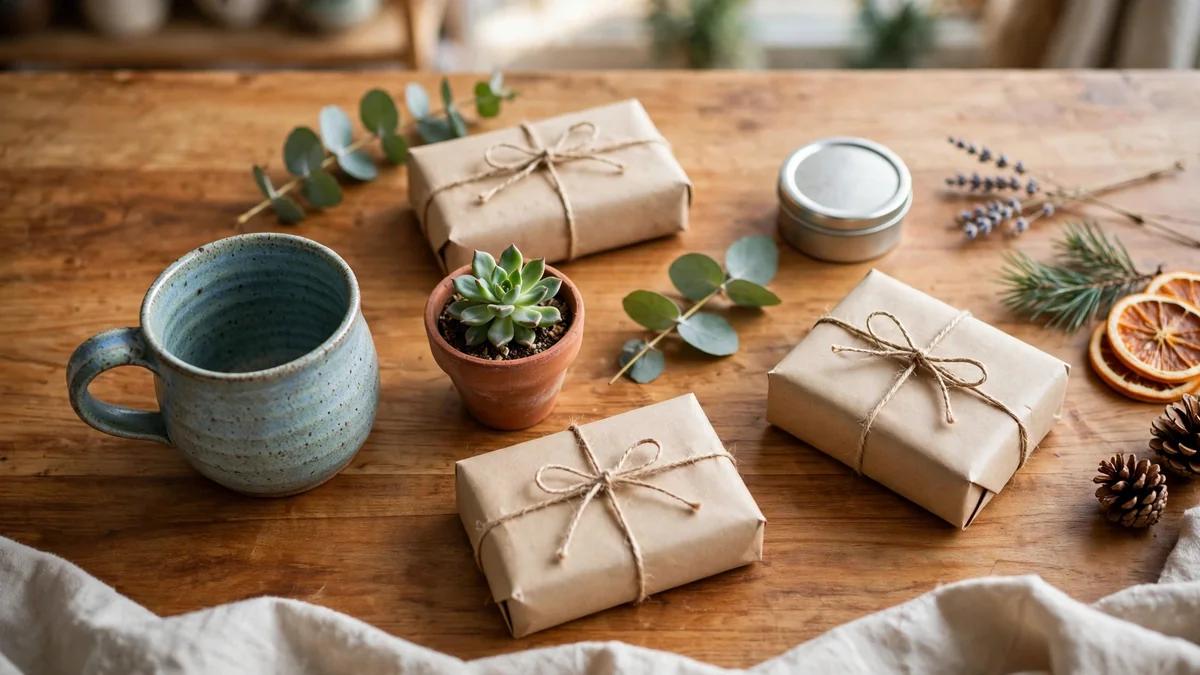
Shop small is more than a slogan this holiday season. WIRED’s editors have published their 2026 guide to gifts from independent businesses, picking 11 independent stores they love and the gifts they would order from them, just in time for Small Business Saturday on November 28, 2026.
The guide arrives as holiday shopping kicks into high gear, with Black Friday deals dominating the big retailers and their homepages. Its premise is deliberately different: instead of chasing the steepest discount on a mass-market gadget, it points readers towards small shops where the person behind the counter often knows the makers, the materials and the story of every item on the shelf.
Each store in the guide is one that someone on WIRED’s Reviews team has visited in person or bought something from and loved. The picks range from handmade ceramics and fair-trade home goods to colourful textiles, small-batch food and practical everyday items, with prices starting at just $8. Here is what the guide covers, why shopping small matters this year, and how to make the most of it.
Key takeaways
- WIRED’s 2026 Shop Small guide highlights 11 independent stores its editors have visited or bought from personally.
- Small Business Saturday falls on November 28, 2026, in the middle of the holiday shopping season.
- Gift picks range from $8 stocking fillers to $165 statement pieces, covering home, food, clothing and craft.
- Featured shops include Heath Ceramics, Fair and Square Imports, Woonwinkel and Fredericks & Mae.
- Shopping small keeps more money with local makers and shops, and often means gifts that cannot be found at big retailers.
What happened
WIRED published its annual Shop Small gift guide for 2026 on November 25, presenting 11 independent stores chosen by its editors and the specific gifts they would buy from each one. The guide is framed around Small Business Saturday, the annual event on the Saturday after Thanksgiving that encourages shoppers to support local and independent businesses, which falls on November 28 this year.
The guide’s approach is personal rather than algorithmic. Every store featured is one a member of WIRED’s Reviews team has visited in person or ordered from and loved. That matters because the recommendations are grounded in real experience: the editors describe walking the aisles, talking to shop owners and buying items themselves, rather than assembling a list from product feeds.
Among the best-known names in the guide is Heath Ceramics, the California pottery studio founded in 1948 that still makes its original dinnerware and tiles. Its handmade ceramics have become a fixture of design-conscious kitchens, and the guide positions its pieces as gifts that last for decades rather than a single season.
Food gifts get a strong showing too. The Meadow, a Portland salt shop, features with its finishing salt set, the kind of small luxury that turns an everyday meal into something memorable. Fair and Square Imports, a fair-trade shop in the historic downtown of McKinney, Texas, works with artisan cooperatives and Fair Trade partners around the world, stocking home goods, ornaments, bath goods and children’s books.
The guide also celebrates shops with a strong visual identity. Woonwinkel, a downtown Portland gift shop owned by a local colour designer, is hard to miss thanks to its cheery window displays and decidedly modern feel. It features colourful art and gifts by independent artists, and its website lets shoppers sort selections by Black-owned, POC-owned, USA-made and eco-friendly makers.
Prices in the guide are refreshingly varied. At the accessible end, an organic finger puppet costs $8, a mini I Ching bracelet costs $8, mezquite honey costs $12 and a kantha dish towel costs $17. Mid-range picks include a cast-iron tortilla press at $70 and a sun shower curtain at $57. At the top end, cotton linen chore pants cost $165 and Mongolian cashmere prayer slippers cost $105, while an RC watch beanie comes in at $65 and a pattern bin at $60.
Why it matters
Small Business Saturday exists because independent shops face a structural disadvantage every holiday season. Large retailers can discount aggressively, advertise everywhere and absorb the cost of free returns. A small shop cannot match those prices, so it has to compete on something else: curation, craftsmanship, service and the simple fact that its products are not available everywhere. A guide like WIRED’s gives those shops a rare moment of national visibility at exactly the moment shoppers are making their lists.
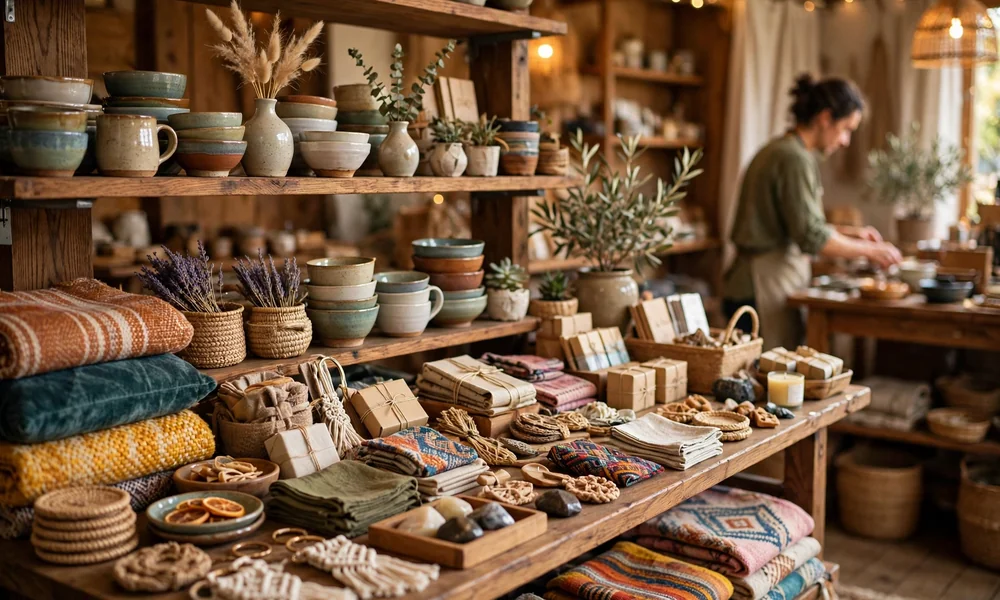
The economics are straightforward. Money spent at an independent business is more likely to stay in the local economy, paying local staff, local makers and local suppliers, than money spent at a national chain or a marketplace. For makers, a single holiday season can determine whether a small studio survives into the next year.
There is also a practical argument for shoppers. Independent shops tend to stock things that are hard to find elsewhere, which makes their gifts feel personal rather than generic. A hand-thrown ceramic, a small-batch honey or a towel woven from recycled saris carries a story that a mass-produced equivalent does not. The guide’s picks are also useful for the hardest people to buy for, because they are chosen by editors who have actually used them.
The timing matters as well. Small Business Saturday on November 28 sits between Black Friday and Cyber Monday, when the biggest retailers dominate attention. Shoppers who do their main gift buying in that window often never look beyond the big stores. A guide published in the same week is a reminder to set aside part of the budget, even a small part, for independent shops, whether in the shopper’s own city or online. Many of the featured stores sell online, so distance is not a barrier.
The guide also reflects a broader shift in how people shop for gifts. As online marketplaces have become crowded with lookalike products, shoppers are increasingly looking for provenance: who made this, where, and from what? Independent shops answer those questions by default, because their owners usually know their suppliers personally.
Finally, the guide is a useful counterweight to the gadget-heavy gift lists that dominate the season. Tech gifts have their place, and this year’s Black Friday headphone deals include flagship models from Sony, Bose and Apple at their lowest prices of the year. But not every gift needs a battery or a screen. A well-chosen object from an independent shop can be just as memorable, and it supports a real person’s livelihood at the same time.
What we still do not know
The guide is a curated snapshot rather than a comprehensive directory, and it leaves some questions open. It features 11 stores, but WIRED’s editors will have visited many more that did not make the final cut, and the guide does not say how many were considered. Readers looking for a shop in their own city may not find one nearby, since the featured stores are concentrated in a handful of places, including Portland, the San Francisco Bay Area and McKinney, Texas.
Availability is another open question. Small shops often stock limited quantities, and popular items can sell out quickly during the holiday rush. The guide does not guarantee that every item will still be in stock, and shipping times from small businesses can be longer than the next-day delivery shoppers have come to expect from large retailers. Ordering early is the practical answer, but the guide itself does not set out delivery cut-off dates.
Prices are also a snapshot. The figures quoted in the guide, from $8 finger puppets to $165 chore pants, were current at publication, but small shops can and do adjust prices as stock changes. Shoppers should treat the listed prices as a guide rather than a guarantee, and check the shop’s own site before ordering.
| Detail | What is known |
| What it is | WIRED’s 2026 guide to gifts from independent businesses |
| How many stores | 11 independent stores, chosen by WIRED editors |
| Small Business Saturday | November 28, 2026 |
| Price range | From $8 to $165 across the featured picks |
| Featured shops | Heath Ceramics, Fair and Square Imports, Woonwinkel, Fredericks & Mae, The Meadow |
| Gift types | Ceramics, textiles, food, home goods, clothing and craft |
| Where to buy | In store or online; many featured shops ship nationally |
| What is unconfirmed | Stock levels, shipping cut-off dates and final prices at each shop |
Checklist: shopping small this holiday season
- Set aside part of your gift budget for independent shops before the big retailers take it all.
- Order early, since small shops often carry limited stock and ship more slowly than large retailers.
- Check the shop’s own website for current prices, stock and delivery cut-off dates.
- Look for the story behind a gift: who made it, where, and from what materials.
- Consider practical gifts as well as decorative ones, from kitchen tools to everyday textiles.
- If you cannot find a local shop, buy online from an independent store in another city and have it shipped.
Frequently asked questions
What is Small Business Saturday?
Small Business Saturday is an annual event held on the Saturday after Thanksgiving that encourages shoppers to support local and independent businesses. In 2026 it falls on November 28, between Black Friday and Cyber Monday, and it is the centrepiece of the holiday season for many small shops.
What is in WIRED’s Shop Small guide for 2026?
The guide highlights 11 independent stores that WIRED’s editors have visited in person or bought from and loved, along with the specific gifts they would order from each one. Picks include ceramics from Heath Ceramics, fair-trade goods from Fair and Square Imports, colourful gifts from Woonwinkel and Fredericks & Mae, and a finishing salt set from The Meadow.
How much do the gifts cost?
Prices in the guide range from $8 to $165. Small stocking fillers include an organic finger puppet at $8 and mezquite honey at $12, while larger gifts include Mongolian cashmere prayer slippers at $105 and cotton linen chore pants at $165. Prices were current at publication and may change.
Can I shop at these stores online?
Yes, many of the featured shops sell online and ship nationally. Fair and Square Imports, for example, sells an impressive range of its goods online even though not everything in the physical shop is listed. Check each shop’s own website for its full range, stock and shipping times.
Why shop small instead of buying from a big retailer?
Independent shops offer products that are hard to find elsewhere, often handmade or small-batch, and money spent with them is more likely to stay in the local economy. The gifts also tend to feel more personal, because they come with a maker’s story attached. That said, big retailers still have their place, particularly for tech, where this year’s AI shopping assistants can help compare Black Friday prices.
What makes a good gift from an independent shop?
The best picks combine usefulness with a story: something the recipient will actually use, made by a person or studio they can look up. Kitchen tools, textiles, ceramics and small-batch food all work well, because they are practical and personal at the same time. A VR headset might suit a tech lover, but a hand-thrown mug suits almost anyone.
The bottom line
WIRED’s Shop Small guide is a reminder that the best holiday gifts are not always the ones with the biggest discount. Its 11 stores, from a 1948 pottery studio to a fair-trade shop in a Texas downtown, offer gifts with makers, materials and stories attached, at prices that start at $8. For shoppers tired of lookalike products and endless sales, that is a genuine alternative.
Small Business Saturday on November 28 is the obvious day to act, but the guide’s real message is simpler: set aside part of your budget for independent shops, order early, and buy something that could only have come from a small maker. The gift will be better for it, and so will the shop that made it.



