
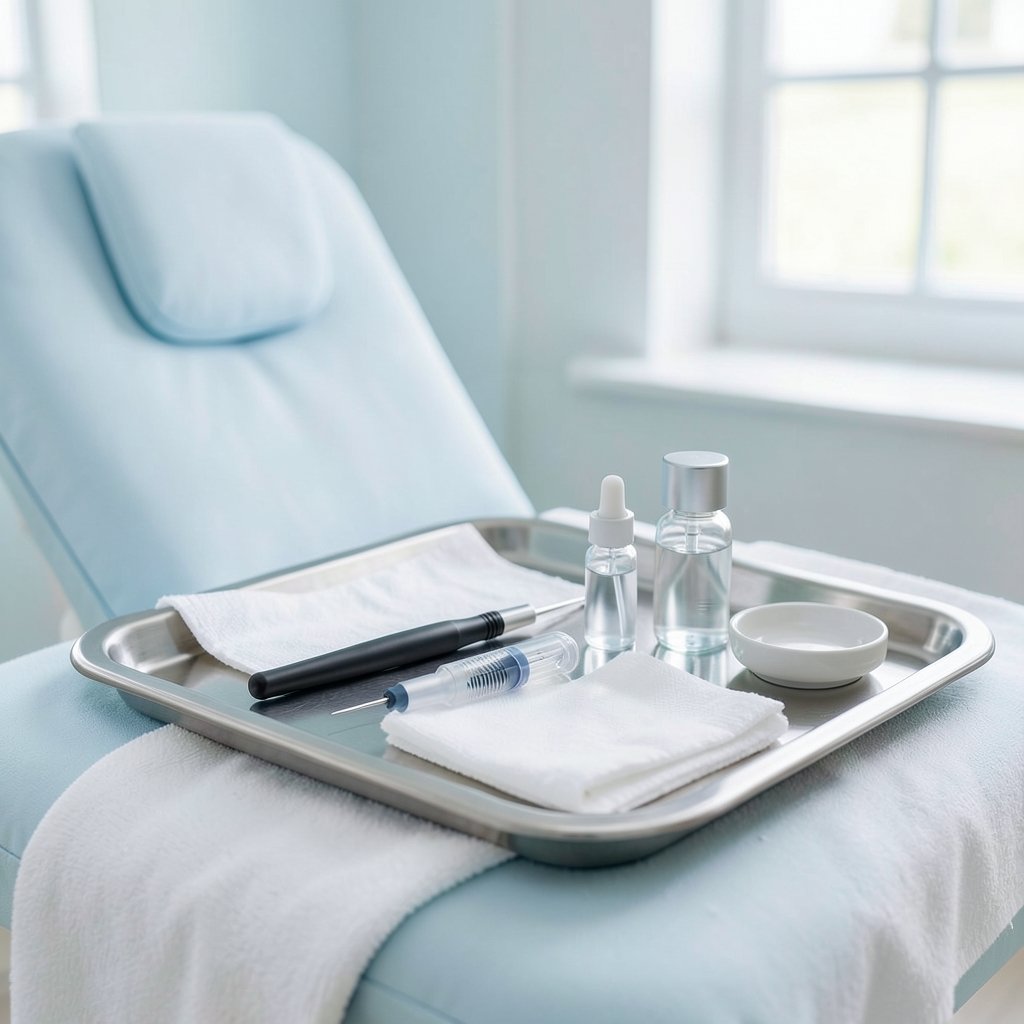
What if the secret to smoother skin was not a laser, a peel, or a needle full of filler, but a tiny device that pokes your face thousands of times a minute on purpose? That is the basic idea behind SkinPen microneedling, one of the most talked-about skin treatments of the past few years. It sounds uncomfortable. It sounds a little strange. And yet dermatologists and med spas keep recommending it, partly because it is one of the few skin treatments with a formal regulatory clearance behind it rather than just a marketing claim.
This guide breaks down what SkinPen actually does, how it differs from other microneedling devices, what the science says, what a realistic recovery looks like, and who should think twice before booking a session. (Much internet speed do you actually need realistic guide)
What Is SkinPen and How Does It Work?
SkinPen is a brand of automated microneedling device that uses a sterile, single-use cartridge containing fine needles. The device is passed over the skin, creating thousands of controlled micro-wounds in the upper layers. Those tiny injuries trigger the body’s wound-healing response, which is thought to drive neocollagenesis, the production of new collagen. Collagen is the structural protein that gives skin its firmness, so more of it generally means skin that looks tighter and scars that look less pronounced.
The “automated” part matters. Older microneedling was often done with a roller or a stamp, which meant inconsistent depth and more dragging across the skin. A device like SkinPen uses a motorized handpiece so the needle depth and speed stay more consistent from pass to pass. The single-use cartridge is also a meaningful safety feature: reused or improperly sterilized needles are a real infection risk, and a sealed cartridge removes that variable.
One detail worth knowing before anything else: SkinPen is described by its manufacturer as the first microneedling device to receive FDA clearance for treating facial acne scars, which happened in 2018. That is a specific, narrow clearance, not a blanket endorsement for every skin concern. And “cleared” is not the same as “approved.” Most microneedling devices go through the FDA’s 510(k) pathway, which is a premarket notification demonstrating substantial equivalence to an already-marketed device. It is a lower bar than the premarket approval process drugs and high-risk devices go through. Anyone who tells you microneedling is “FDA approved” is using the wrong word, and that is usually a sign to ask more questions.
SkinPen vs. Other Microneedling Options

Not all microneedling is the same, and the differences affect both results and risk. Here is a plain comparison.
| Feature | SkinPen (automated, cartridge) | Dermaroller (at-home or pro) | RF microneedling |
|---|---|---|---|
| Needle delivery | Motorized, consistent depth | Manual rolling, variable depth | Motorized plus radiofrequency energy |
| Cartridge | Single-use, sterile | Often reused, hard to sterilize | Single-use, device-dependent |
| Typical depth | Adjustable, often 0.25 to 2.5 mm | Usually shallow | Deeper, plus heat |
| Best studied for | Facial acne scars | General texture (weak evidence) | Skin laxity, wrinkles |
| Downtime | A few days of redness | Minimal but results limited | Longer, more discomfort |
| Who performs it | Trained provider | Anyone, which is the problem | Trained provider |
The biggest practical gap is between in-clinic devices and at-home rollers. At-home rollers are cheap and tempting, but the needles are short, the pressure is uneven, and the same roller gets used again and again. That combination produces little collagen benefit and a genuine infection risk. If smoother skin is the goal, the money spent on a drawer full of rollers would be better saved toward a proper session.
What the Evidence Actually Says
Microneedling has a real evidence base, but it is uneven. Acne scarring has the most support. Several systematic reviews of microneedling for acne scars exist, and the general finding is consistent: microneedling improves scar appearance compared with baseline, though the trials are often small, use different protocols, and are hard to compare directly. For skin rejuvenation and fine lines, the evidence is thinner and more heterogeneous. That does not mean it does not work; it means the claims should be modest.
A few honest expectations to hold:
- Results build over a series of sessions, not one.
- Improvement is usually gradual and measured in months, not days.
- Scars soften and texture improves; deep ice-pick scars rarely disappear.
- Results vary a lot by skin type, age, and how well aftercare is followed.
Anyone promising dramatic, permanent transformation from a single session is overselling. If you have been burned before by big promises in the aesthetics world, the same skepticism that helps you evaluate a big purchase is useful here. The same goes for cost planning: microneedling is a series, so the real number is per-session price multiplied by the number of sessions, plus any aftercare products. If you are weighing a treatment against other spending priorities, it helps to think through budgeting logic: total cost over time, not the sticker price of one visit.
The Treatment Session, Step by Step
The experience is more tolerable than most first-timers expect, largely because of numbing cream. A typical appointment looks like this:
- Consultation and consent. A provider reviews your skin history, medications, and past treatments, and confirms there are no active infections or flare-ups in the treatment area.
- Cleansing and numbing. The skin is cleansed and a topical anesthetic is applied, usually for 20 to 30 minutes.
- Needling. The provider passes the device over the treatment area in overlapping patterns. Most people describe it as a scratching or vibrating sensation rather than sharp pain.
- Post-treatment care. The skin is cleaned, and a gentle post-procedure product is applied. Expect redness similar to a mild sunburn.
- Aftercare instructions. Sun protection and gentle skincare for the following days.
Sessions are typically spaced about four weeks apart to let the skin recover and collagen remodeling to proceed. A series of three to six sessions is common for acne scarring, though protocols vary by provider.
Recovery, Side Effects, and What to Expect
The immediate aftermath is predictable: redness, mild swelling, pinpoint bleeding during the session, and sometimes bruising. Most of this settles within a few days. Temporary sensitivity is normal. Less common but real risks include infection and granulomas, and people with a history of cold sores can experience herpes reactivation after treatment around the mouth, which is why providers often ask about it and may prescribe antiviral medication beforehand.
Contraindications are worth taking seriously. Most providers avoid treating active skin infections, eczema or psoriasis in the treatment area, and they will ask about blood thinners and isotretinoin use, since timing around that drug is debated. Pregnancy is often excluded from treatment simply because evidence is limited, not because harm is proven. If you are unsure whether a treatment is safe for your situation, that uncertainty is itself a reason to ask a clinician rather than a spa receptionist.
Aftercare is where people most often go wrong. Common mistakes include:
- Skipping sunscreen. Freshly needled skin is more vulnerable to sun damage, and sun exposure undermines the collagen gains you just paid for.
- Applying actives too soon. Retinoids, strong acids, and exfoliants can irritate compromised skin. Wait until the provider clears them.
- Touching or picking. Hands carry bacteria. Keep them off.
- Booking treatments too close together. More is not better; the skin needs recovery time.
- Ignoring product instructions. Post-procedure product recommendations are device- and provider-specific, so follow the ones you were given.
Practical tip: schedule sessions when you have a low-stakes few days afterward, and keep the first 48 hours free of workouts that leave you sweaty and flushed.
Cost, Value, and How to Judge a Provider
Pricing varies widely by market and clinic, so quoting a single figure would be misleading. What matters more is how to evaluate what you are paying for. A few things to check:
- Is the cartridge single-use and opened in front of you? This is a basic safety standard, not a premium add-on.
- Who is doing the treatment? Training and licensing vary by region and by clinic.
- Is there a real consultation? A provider who asks about medications, cold sore history, and skin conditions is doing it right.
- Are expectations realistic? Honest providers talk about a series and about limits.
If cost is the sticking point, resist the urge to cut corners with a cheap at-home device. The logic is similar to other “do I really need this” decisions: the tool only pays off if it fits the actual job. A short-needle roller does not do the job that a properly performed in-clinic session does.
Who Is a Good Candidate, and Who Should Skip It
Good candidates tend to be people with facial acne scars, uneven texture, or early signs of aging who are in good general health, have realistic expectations, and can commit to a series plus sun protection. Skin type matters too; people prone to post-inflammatory hyperpigmentation need a careful conversation with their provider about risk. (Arc x1 handheld 308 cloud emulation 2026 buyers need know)
Skip it, or at least pause, if you have an active skin infection, an untreated skin condition in the treatment area, a bleeding disorder or anticoagulant use without medical clearance, or a history of poor wound healing. If you are pregnant, most providers will defer treatment. And if the real barrier is money, it is worth being honest about that rather than stretching a budget thin. A skincare series is not worth a debt spiral, so understand the real costs of any short-term borrowing before putting a cosmetic treatment on a high-interest card.
Conclusion
SkinPen microneedling is a legitimate, well-established treatment with a specific regulatory clearance for facial acne scars, a plausible mechanism, and a safety profile that is generally manageable when performed by a trained provider with single-use cartridges. It is not magic, it is not a one-and-done fix, and it is not “FDA approved.” The people who get the most out of it are the ones who go in with clear expectations, follow aftercare properly, budget for a series rather than a single session, and walk away from anyone promising a brand-new face overnight. If your goal is softer scarring and better texture, it is a reasonable option worth discussing with a clinician. If your goal is a dramatic transformation on a tight timeline and budget, keep looking.
Frequently Asked Questions
Is SkinPen the same as regular microneedling?
No. SkinPen is a specific brand of automated microneedling device that uses single-use sterile cartridges and a motorized handpiece for more consistent needle depth. “Regular” microneedling can mean anything from a manual roller to a different automated device, and those vary widely in safety and results.
Does SkinPen microneedling hurt?
Most people tolerate it well because a topical numbing cream is applied first. The sensation is usually described as scratching or vibration rather than sharp pain. Redness and mild swelling afterward are expected and typically settle within a few days.
How many sessions do I need to see results?
A series is standard, often three to six sessions spaced about four weeks apart, depending on the concern being treated. Improvement is gradual and builds over months as collagen remodels, so judging results after one session is unrealistic.
Is SkinPen FDA approved?
The device has been cleared by the FDA for treating facial acne scars, and its manufacturer has described it as the first FDA-cleared microneedling device. That is a 510(k) clearance, not an approval. The distinction matters because “approved” implies a stricter review pathway than most microneedling devices go through.
Can I do microneedling at home instead?
At-home rollers are not a substitute. The needles are short, pressure is uneven, and reuse creates an infection risk, so the collagen benefit is limited. In-clinic treatment with sterile single-use cartridges is the safer and more effective route.
What should I avoid after a SkinPen session?
Avoid sun exposure without protection, skip retinoids and strong acids until your provider clears them, do not touch or pick at the skin, and hold off on sweaty workouts for the first day or two. Following the specific aftercare instructions you were given matters more than any general rule.



