
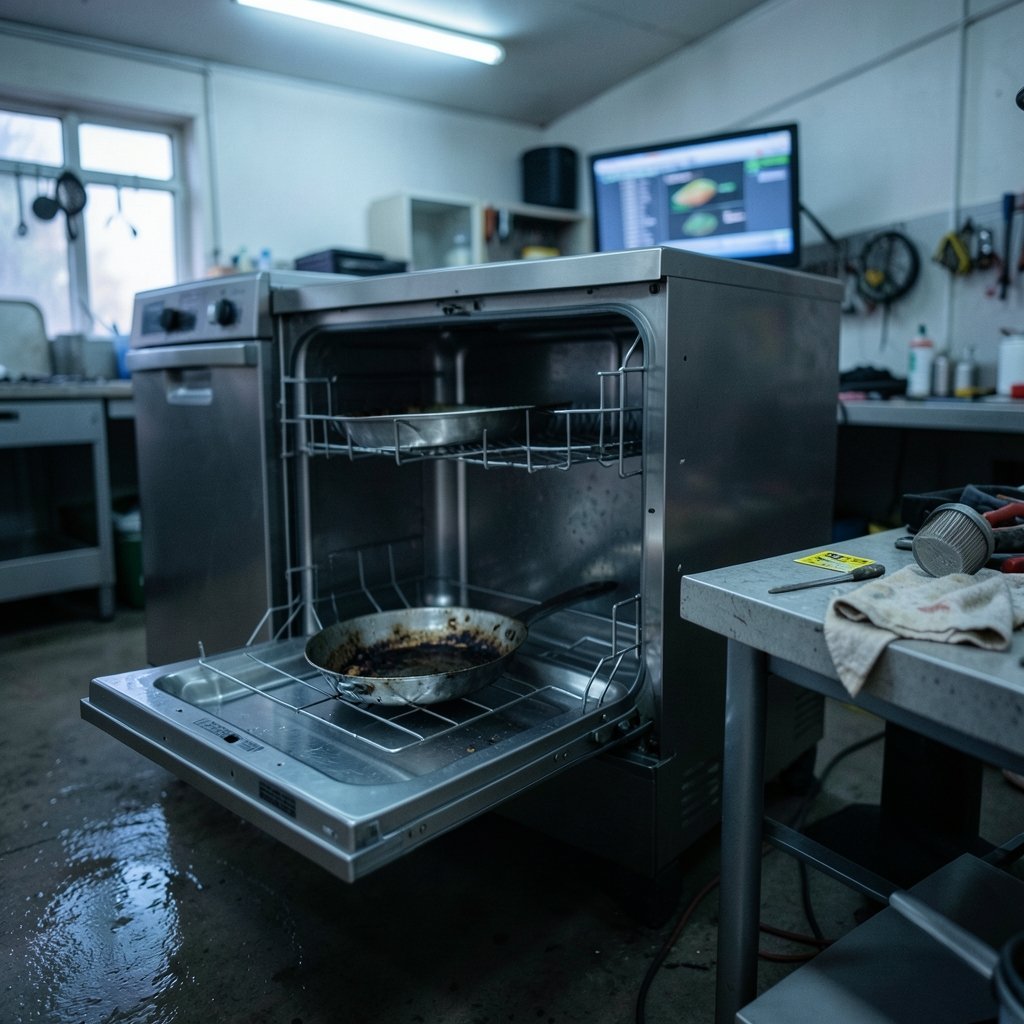
What separates a great dishwasher from one that just looks good in the showroom? The answer rarely shows up in the flashiest marketing line. It hides in a few numbers on a yellow sticker, in how the racks actually move when you pull them, and in whether the machine still cleans a greasy pan two years from now. Anyone shopping for a dishwasher quickly learns that almost every model claims to be quiet, efficient, and powerful. The real skill is knowing which claims you can check and which ones you have to take on faith.
This guide walks through what genuinely matters, what the labels mean, and the mistakes that trip up even careful buyers. It also covers where the practical details live, from the filter you will clean by hand to the cycle you will actually use most nights.
Start With the Label, Not the Brochure
In the United States, every new dishwasher sold carries a yellow EnergyGuide label. That label is required by the Federal Trade Commission and gives an estimated yearly energy use and operating cost, which lets you compare models on the same footing. This is the single most reliable comparison tool a buyer has, because it comes from a standardized test rather than a brand’s own copywriting.
The Energy Star program, run by the EPA and DOE, sets efficiency criteria that manufacturers must meet to earn the label. Energy Star criteria get revised every few years, so a certified model from several years ago may not meet today’s bar. If efficiency is a priority, check the current certified list rather than assuming any machine with the logo is equally efficient.
Here is the catch most shoppers miss: a low annual energy figure is not the whole story. It reflects a standardized usage pattern, not your household. A family that runs the dishwasher daily and pre-rinses everything will land in a very different place than a couple who runs it twice a week. Use the label to compare machines against each other, then adjust your expectations for how you actually live.
Size and Fit Come Before Features
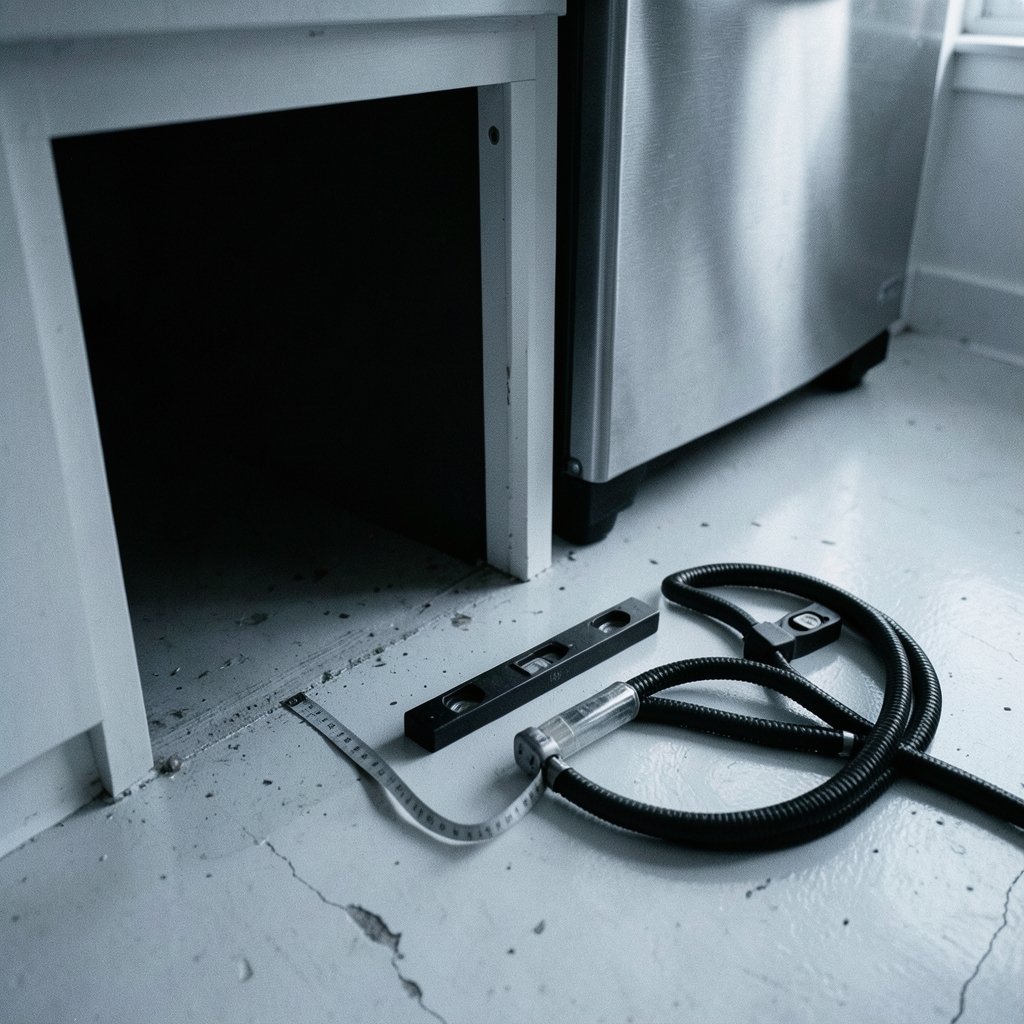
The standard dishwasher width in the US is 24 inches, with 18-inch models available for small kitchens. That convention is an industry norm rather than a regulation, but it shapes everything: cabinet openings, countertop cuts, and what will actually slide into your space.
Before falling in love with a model, measure three things: the width of the opening, the height clearance under the counter, and the depth of the cavity. Then measure the doorway and hallway the machine has to travel through. A dishwasher that will not fit is not a great dishwasher, no matter how quietly it runs.
A few practical notes from the installation side of things:
- Confirm whether the unit needs a hardwired connection or plugs into an outlet under the sink.
- Check which side the water and drain lines enter, since some models are harder to plumb than others.
- Look at the leveling legs and whether the machine has enough adjustment to meet an uneven floor.
- Ask whether the door will open fully without hitting a nearby cabinet or drawer pull.
These details sound dull until the delivery crew is standing in your kitchen.
Noise: What Decibels Really Tell You
Noise is rated in decibels, written as dB(A). As rough bands: under 45 dB is very quiet, 45 to 50 dB is quiet, and above 50 dB is noticeable in an open-plan kitchen. A conversation sits around 60 dB, so a machine in the low 40s can run while you watch television without anyone reaching for the remote.
One caution matters here. Noise ratings are manufacturer-reported, and measurement conditions are not perfectly standardized across brands. Treat a difference of one or two decibels as noise in the data, not a meaningful edge. A jump from 52 dB to 42 dB is real and audible; a jump from 44 to 43 is not worth paying for.
The quietest machines tend to use insulation blankets, a stainless steel tub, and a variable-speed pump. Those features cost money, and in a closed kitchen with a door, they may not be worth the premium.
The Features That Earn Their Keep
Not every add-on is marketing fluff, but plenty are. Here is a realistic split.
| Feature | Practical value | Worth paying for? |
|---|---|---|
| Adjustable or folding tines | Fits odd-shaped pots and tall items | Usually yes |
| Third rack for cutlery | Frees up the main basket | Yes if you cook often |
| Soil sensor with auto cycle | Adjusts water and time to load dirt | Yes, widely useful |
| Stainless steel tub | Better heat retention, quieter, more durable | Often yes |
| Heated dry | Dries plastic better | Depends on your patience |
| Smart app controls | Remote start, diagnostics | Nice to have, rarely essential |
| Bottle jets and specialty sprayers | Helps narrow items | Situational |
Soil sensors deserve a closer look. They are common now, and they let the machine skip a heavy wash when the load is barely dirty. The water and energy savings attributed to them are manufacturer-specific and rarely independently tested, so treat the claims as plausible rather than proven. What you can verify is whether the machine has a sensible set of cycles and whether the default cycle is one you would actually use.
That last point is underrated. Some dishwashers bury the practical cycle three menus deep and default to a two-hour eco wash. Others put Normal right on the panel. Convenience is a real feature.
Racks, Baskets, and the Daily Friction Points
The interior layout decides whether loading is pleasant or a nightly puzzle. Great dishwashers tend to share a few traits:
- Racks that glide smoothly even when fully loaded, ideally on ball-bearing rails rather than plastic sliders.
- Tines spaced widely enough for plates but with a fold-down section for a stockpot.
- A cutlery basket with holes in the bottom so utensils do not nest, or a third rack with individual slots.
- A spray arm that clears the tallest items you own.
The best way to judge this is to bring a plate, a tall glass, and a saucepan lid to the store, or at least to picture them as you look at the display model. Pull the rack out. Push it back. Lift the top rack. Small frictions compound over years.
Water Use and the Pre-Rinse Trap
Modern US dishwashers typically use roughly 3 to 5 gallons per cycle on standard settings, far less than older machines. Exact figures vary by cycle and model, and the EnergyGuide label is the place to confirm them for a specific unit.
The common mistake is pre-rinsing everything. Scrubbing dishes under a running tap can use more hot water than the dishwasher itself. Most modern machines and detergents handle light food residue without help. Scrape solids into the bin, skip the rinse, and let the soil sensor do its job. For heavily baked-on messes, a quick soak is smarter than a long rinse.
Detergent choice matters as much as the machine. Pods work well in most models, but powder gives you control over dose in soft water. If dishes come out cloudy, the culprit is often water hardness or too little detergent, not a broken appliance.
Reliability: The Honest Gap in Most Buying Advice
Here is where a balanced guide has to be blunt. Reliability data is the weakest link in dishwasher shopping. Repair-rate surveys exist, but methodology and sample sizes vary, and brands change suppliers and platforms frequently. Anyone who tells you one brand is definitively the most reliable is overstating what the data supports.
What you can do instead:
- Check whether the wash pump and control board are commonly replaced parts, and what they cost.
- Look at the warranty length for the tub and the pump, which often differ.
- Confirm that a local technician services the brand before you buy.
- Read reviews that mention failures after two or three years, rather than only first-week impressions.
A dishwasher is a plumbing appliance. When it fails, it can flood a floor. That makes service access and part availability genuinely important, and it is why a slightly plainer machine from a well-supported brand can beat a feature-loaded model nobody can repair.
Care Habits That Keep a Good Machine Great
Even a well-chosen dishwasher degrades without basic upkeep. These habits make the biggest difference:
- Clean the filter every few weeks. Most models have a removable filter at the bottom that traps food and grease. A clogged filter is the number one cause of cloudy dishes and bad odors.
- Run a hot cycle with a dishwasher cleaner every month or two to cut mineral scale and grease film.
- Wipe the door gasket so it seals properly and does not grow mildew.
- Check the spray arm holes for bits of glass or seed husks that block the jets.
- Leave the door slightly open after a cycle so moisture escapes.
None of this is glamorous, but it is what separates a machine that lasts a decade from one that smells like a pond by year three. The same principle of small, boring maintenance applies to plenty of household gear, whether you are dialing in a gentle cleanser and retinol wash routine or figuring out what the clothing wash care symbols on each label actually mean. Good outcomes usually come from consistent habits, not heroics.
Matching the Machine to Your Kitchen
The right dishwasher depends on how you cook and clean, not on which model tops a list. A few profiles:
Small households that run a load every two or three days benefit from a machine with a good half-load or rinse-and-hold option and a quiet rating, since it may run while people are home.
Big families should prioritize capacity, a flexible third rack, and a fast normal cycle. Noise matters less than throughput.
Open-plan kitchens justify paying for low decibels and a stainless tub, because the machine runs during conversation and cooking.
Renters or tight budgets should focus on the basics: a reliable pump, a sensible rack layout, and a label that shows reasonable efficiency. Skip the app.
There is a parallel in plenty of everyday purchases. A well-made burrito is not about the longest menu of fillings but about how the fundamentals come together, which is why the craft of a good wrap that becomes a great burrito comes down to technique over toppings. Dishwashers reward the same thinking: the fundamentals of fit, filtration, and a sensible cycle beat a long feature list. If you want a reminder of how much phrasing and framing shape a buying decision, the way a money quotes phrase can signal a genuinely great one is a decent analogy for reading past marketing language.
Common Buying Mistakes
A short list of traps that catch smart people:
- Buying on decibels alone. A 39 dB machine with a bad rack layout will annoy you more than a 46 dB machine that loads well.
- Ignoring the filter type. Some machines have self-cleaning filters, others require manual cleaning. Know which you are getting.
- Assuming all Energy Star models are equal. They meet a floor, not a ranking.
- Skipping the installation quote. Delivery, haul-away, and plumbing can add real cost.
- Trusting first-week reviews. Look for long-term owners.
- Overpaying for smart features that duplicate a five-dollar timer.
Conclusion
Great dishwashers are not the ones with the longest feature list or the lowest decibel rating in isolation. They are the machines that fit your space, carry a label you can actually read and compare, load without a fight, and keep cleaning well after the honeymoon phase ends. Start with the EnergyGuide numbers and the physical fit, weigh noise honestly, and treat reliability as the open question it is rather than a solved one. Then commit to the boring maintenance that keeps any machine running. Do that, and the dishwasher becomes what it should be: the quiet workhorse in the corner that you never have to think about.
Frequently Asked Questions
How many decibels is considered quiet for a dishwasher?
Under 45 dB is very quiet, 45 to 50 dB is quiet, and above 50 dB is audible in an open kitchen. Keep in mind that ratings are manufacturer-reported and not perfectly standardized, so small differences between brands mean little.
Is a higher price always a better dishwasher?
No. Price tends to buy quieter operation, a stainless tub, and more flexible racks, but it also funds smart features many people never use. A mid-range model with a good layout and a serviceable brand can outperform a premium one for everyday use.
Do I need to pre-rinse dishes before loading them?
Usually not. Modern machines and detergents handle light residue, and pre-rinsing under a running tap can waste more hot water than the cycle itself. Scrape off solids, skip the rinse, and let the soil sensor adjust the wash.
What does the EnergyGuide label actually tell me?
It gives an estimated yearly energy use and operating cost based on a standardized test. That makes it the best like-for-like comparison tool between models, though your real usage will differ based on how often you run the machine and which cycle you choose.
How often should I clean the dishwasher filter?
Every few weeks is a good rhythm for most households, and more often if you cook with a lot of grease or starchy foods. A clogged filter is a leading cause of cloudy dishes and lingering odors.
Are 18-inch dishwashers a good choice?
They are a practical option for small kitchens and tight cabinet openings, but they hold less and often cost more per unit of capacity. Measure your space carefully and confirm the model you want is actually available in that width before planning around it.



