
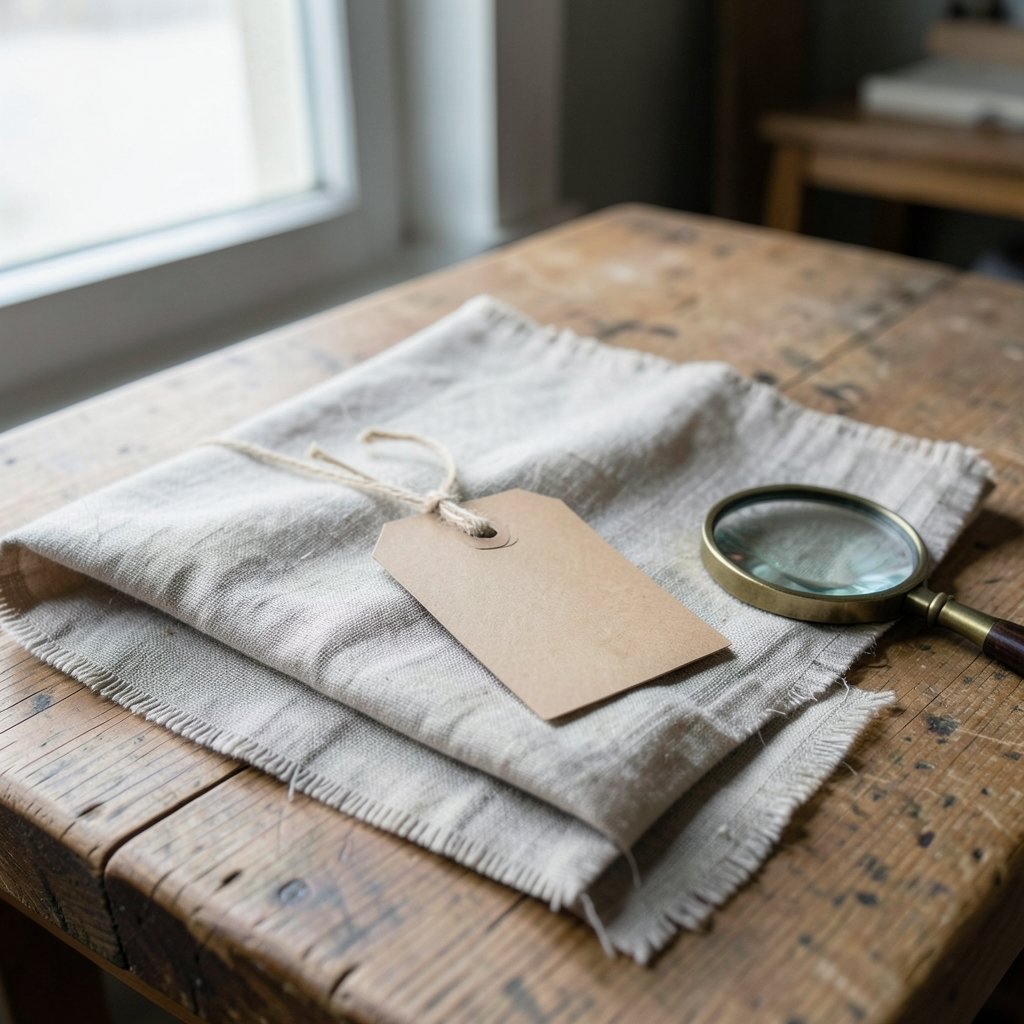
What does “SW natural linen” actually tell you about a piece of fabric? The phrase shows up in upholstery listings, clothing descriptions, and craft supply catalogs, and it rarely comes with an explanation. Some sellers use it to describe a color. Others mean a weave weight. A few use it as a loose regional style tag. The result is a label that sounds precise but behaves like a code, and decoding it matters whether you are buying a sofa cover, a summer shirt, or a bolt of cloth for a project.
This guide breaks down the most common readings of SW natural linen, explains how to verify what you are buying, and covers the practical details that determine whether the fabric holds up.
What “SW” Usually Stands For in Fabric Listings
The letters SW are an abbreviation, and abbreviations in textiles are almost never standardized across the industry. Context decides the meaning. In practice, three readings dominate.
Southwest as a Style or Color Direction
In home decor, SW frequently signals a Southwest aesthetic. That means earth tones, undyed neutrals, and a palette drawn from desert landscapes: sand, clay, sage, and off-white. A listing for “SW natural linen” in this context is describing a look, not a technical spec. The linen itself may be a standard medium-weight weave, with “SW” pointing to the color family and styling.
This usage is common in upholstery and throw pillow listings, where sellers group fabrics by design theme rather than by mill specification.
A Weight or Grade Code
Some suppliers use two-letter codes to indicate fabric weight or quality tier. In that system, SW might mean something like “standard weight” or a specific grade within a mill’s lineup. The problem is that these codes are internal. One mill’s SW is another mill’s medium-weight, and a third mill may not use the abbreviation at all.
If a listing uses SW as a grade, the seller should be able to provide a grams per square meter (GSM) figure or an ounces-per-square-yard number. Without that number, the code tells you very little.
A Regional or Supply-Chain Shorthand
Less commonly, SW appears as shorthand for a sourcing region or a supplier designation. This usage is the least standardized and the hardest to verify. Treat it as marketing language until the seller provides documentation.
The practical takeaway: ask. A reputable seller can explain exactly what their SW designation means, and a vague answer is itself useful information.
What “Natural” Linen Actually Means
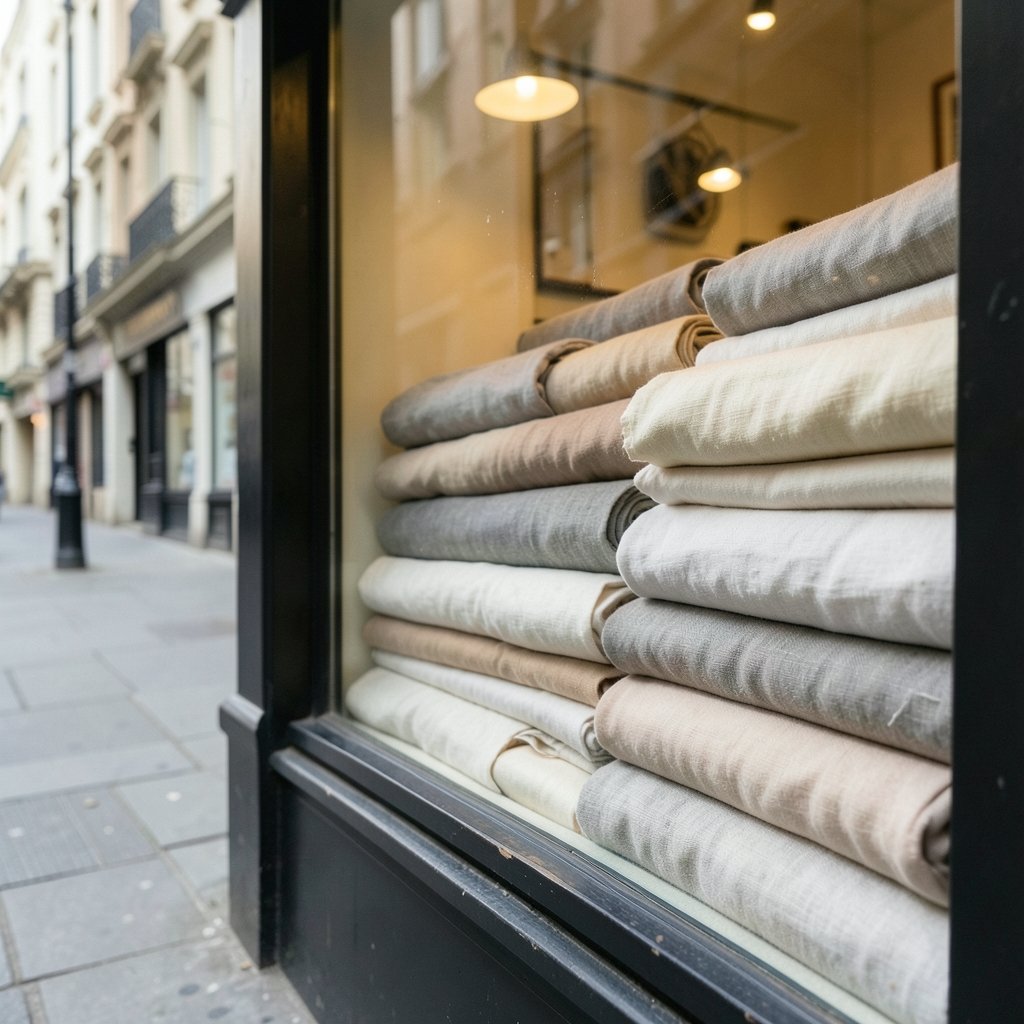
The word natural is where buyers get tripped up most often. It sounds like a guarantee. It is not a regulated term in most fabric retail contexts.
Natural linen typically refers to linen that has not been dyed or bleached. The color ranges from pale oatmeal to a greyish tan, depending on the flax harvest and the retting process. This is sometimes called ecru, though ecru and natural are not always used interchangeably.
Three things “natural” does not automatically mean:
- No chemical processing. Even undyed linen goes through scouring and washing. “Natural” color does not equal zero processing.
- Organic certification. Natural-colored linen can be grown conventionally. Organic status requires separate certification.
- Colorfastness. Undyed linen can shift slightly with washing, especially in the first few cycles.
For buyers who care about fiber content, the more useful label is 100% linen versus a blend. A linen-cotton blend labeled “natural” will behave differently from pure linen: less wrinkling, less stiffness, and a softer hand from the start.
How Linen Is Made and Why It Wrinkles
Linen comes from the flax plant, specifically the bast fibers in the stem. The process runs from harvesting through retting, breaking, scutching, and hackling before the fiber ever reaches a spinning frame. That long chain is why linen costs more than cotton and why its character is so distinctive.
The fiber itself is long, strong, and low in elasticity. That combination produces the fabric’s signature behavior:
- It wrinkles. Low elasticity means creases stay put. This is a fiber property, not a defect.
- It gets softer with use. Repeated washing breaks down pectins and loosens the weave.
- It breathes well. Linen moves moisture and heat efficiently, which is why it dominates summer clothing.
- It is strong when wet. Unlike some fibers, linen holds up in the wash, though high heat and aggressive tumbling will abrade it over time.
If you are working with linen for the first time and want to understand how surface treatment changes performance, the same logic that applies to seasoning a wok so it becomes naturally nonstick applies here: preparation and repeated use change the material more than any single treatment. Linen rewards patience the same way.
SW Natural Linen by Use Case
The right weight and finish depend entirely on what you are making. Here is how the common variants compare.
| Use case | Typical weight | Best finish | Watch out for |
|---|---|---|---|
| Upholstery | Heavy, 300+ GSM | Tight weave, stain-treated | Pilling on loose weaves |
| Curtains | Medium to heavy | Washed, softened | Shrinkage after first wash |
| Shirts and dresses | Light to medium, 150–200 GSM | Garment-washed | Creasing at seams |
| Table linen | Medium | Sized or starched | Water spotting on undyed cloth |
| Craft and embroidery | Light | Crisp, unsized | Uneven weave on cheap bolts |
A Southwest-styled upholstery linen and a lightweight shirt linen can both carry the “SW natural linen” label. The weight number is the detail that actually tells you which one you are holding.
Practical Tips That Save Buyers and Makers Trouble
First-hand experience with linen tends to produce the same lessons repeatedly. These are the ones that matter most.
Pre-wash before cutting. Linen shrinks, often by several percent on the first wash. Cut first and you may find your finished piece short. Wash and dry the yardage the way you plan to care for the finished item.
Buy a swatch when color matters. “Natural” varies widely between lots. A photo on a screen under studio lighting will not match the bolt in your hands. Swatches cost little and prevent expensive mismatches, especially when matching an existing Southwest palette.
Check the weave density in person. Hold the fabric up to light. If you can see a lot of daylight through an upholstery-weight linen, it will not wear well on a sofa.
Expect the wrinkle and plan around it. Buyers who fight linen’s creasing end up disappointed. Buyers who embrace it, or choose a washed finish, are happier. A light spray of water and a quick shake does more than heavy ironing for casual pieces.
Test for color bleeding on dark or saturated trims. Undyed linen is usually safe, but contrast stitching and trim can bleed. A cold-water test on a scrap takes two minutes.
Store folded, not hung, for long periods. Hanging heavy linen stretches it out of shape. Fold with acid-free tissue for heirloom pieces.
Common Mistakes People Make With Linen Purchases
The most frequent error is treating “natural” as a quality grade. It is a color descriptor. A cheap, loosely woven natural linen is still cheap and loosely woven.
The second error is ignoring the GSM or ounce weight. Two fabrics can look identical in a photo and behave completely differently on a chair or a body. If a listing does not state weight, ask before buying.
The third is assuming the SW code means the same thing everywhere. It does not. A buyer who learned the code at one supplier will misread it at another. Always confirm.
The fourth is underestimating care requirements. Linen is durable but not indestructible. High dryer heat, chlorine bleach, and harsh detergents shorten its life noticeably. Cold water, mild detergent, and line drying keep it going for years.
The fifth is skipping the fiber content check on blends. A “linen” listing with 40% polyester will not breathe or age the way pure linen does. If breathability is the reason you are buying, read the content tag.
Care and Longevity: What Actually Works
Washing in cool water with a gentle detergent protects the fiber. Tumble drying on low and removing the piece while still slightly damp reduces both shrinkage and abrasion. Ironing on a medium setting while damp gives the crispest result; steam alone handles most wrinkles on washed finishes.
For upholstery, vacuuming with a soft brush attachment removes grit that abrades fibers. Spot-clean with a damp cloth rather than soaking. Rotate cushions so wear stays even.
Undyed linen may yellow slightly over many years, particularly if stored in sunlight. That patina is normal and often considered part of the fabric’s character in Southwestern-style interiors, where warm neutrals are the point.
One more practical note for anyone comparing textile care with other household maintenance tasks: the same principle of matching your method to the material applies across the board. Just as you would check the specific causes before assuming the worst about a black line on an HP laptop screen and the real fixes for it, check the fiber content and care tag before assuming a linen stain is permanent. Diagnosis first, treatment second.
Is SW Natural Linen Worth the Cost?
Pure linen costs more than cotton for good reasons: the fiber is harder to process, and the supply of high-quality flax is limited. Whether the premium is worth it depends on use.
For items you touch daily, like bedding, shirts, and sofa covers, linen’s breathability and softening over time justify the price. For decorative pieces that rarely get handled, a blend or a cotton alternative may deliver the look for less.
For Southwest-styled interiors specifically, natural undyed linen is a strong fit because it pairs with wood, clay, and leather without competing. It is a neutral that carries texture, which is exactly what that design language needs.
If budget is tight and you are weighing financing options for a larger home upgrade, it helps to understand the tradeoffs between borrowing against your home and using a revolving credit line. A clear comparison of home equity loan vs line of credit can inform that decision before you commit to a big furnishing purchase.
Conclusion
“SW natural linen” is not a single standardized product. It is a label that can mean a Southwest color palette, a supplier’s weight code, or a regional shorthand, paired with undyed flax fabric. The useful information lives in the details the label leaves out: fiber content, weight in GSM or ounces, weave density, and finish. Buyers who ask those questions get fabric that performs as expected. Buyers who rely on the abbreviation alone are guessing.
Ask for the spec sheet. Buy a swatch. Pre-wash before cutting. Do those three things and the ambiguity in the label stops mattering.
What does SW mean in SW natural linen?
It depends on the seller. Most often it signals a Southwest style or color direction, meaning undyed earth tones. Some suppliers use it as an internal weight or grade code, and a few use it as a sourcing shorthand. There is no industry-wide standard, so the only reliable answer comes from the seller.
Is natural linen the same as organic linen?
No. Natural describes the color, meaning the fabric has not been dyed or bleached. Organic refers to how the flax was grown and processed, and it requires certification. A fabric can be natural in color and conventionally grown, or organic and dyed.
Does natural linen shrink?
Yes. Linen typically shrinks on the first wash, often by several percent. Pre-washing yardage before cutting is the standard way to prevent finished pieces from coming up short. Washing in cool water and drying on low reduces the amount of shrinkage.
What weight of linen should I choose for upholstery?
Look for heavy weights, generally above 300 GSM, with a tight weave. Hold the fabric up to light to check density. Lighter linen will wear through faster on seats and arms. Ask the seller for the weight figure if the listing does not state it.
Why does linen wrinkle so much?
Linen fibers have low elasticity, so creases do not spring back the way they do in wool or polyester blends. Wrinkling is a property of the fiber, not a sign of poor quality. Washed finishes wrinkle less, and many people consider the relaxed look part of linen’s appeal.
Can I machine wash natural linen?
Yes, in most cases. Cool water and a mild detergent are safe. Avoid chlorine bleach and high dryer heat, both of which weaken the fiber. Remove the item while slightly damp and line dry or iron on medium for the best result. Always check the care tag first, since finishes and blends vary.



