
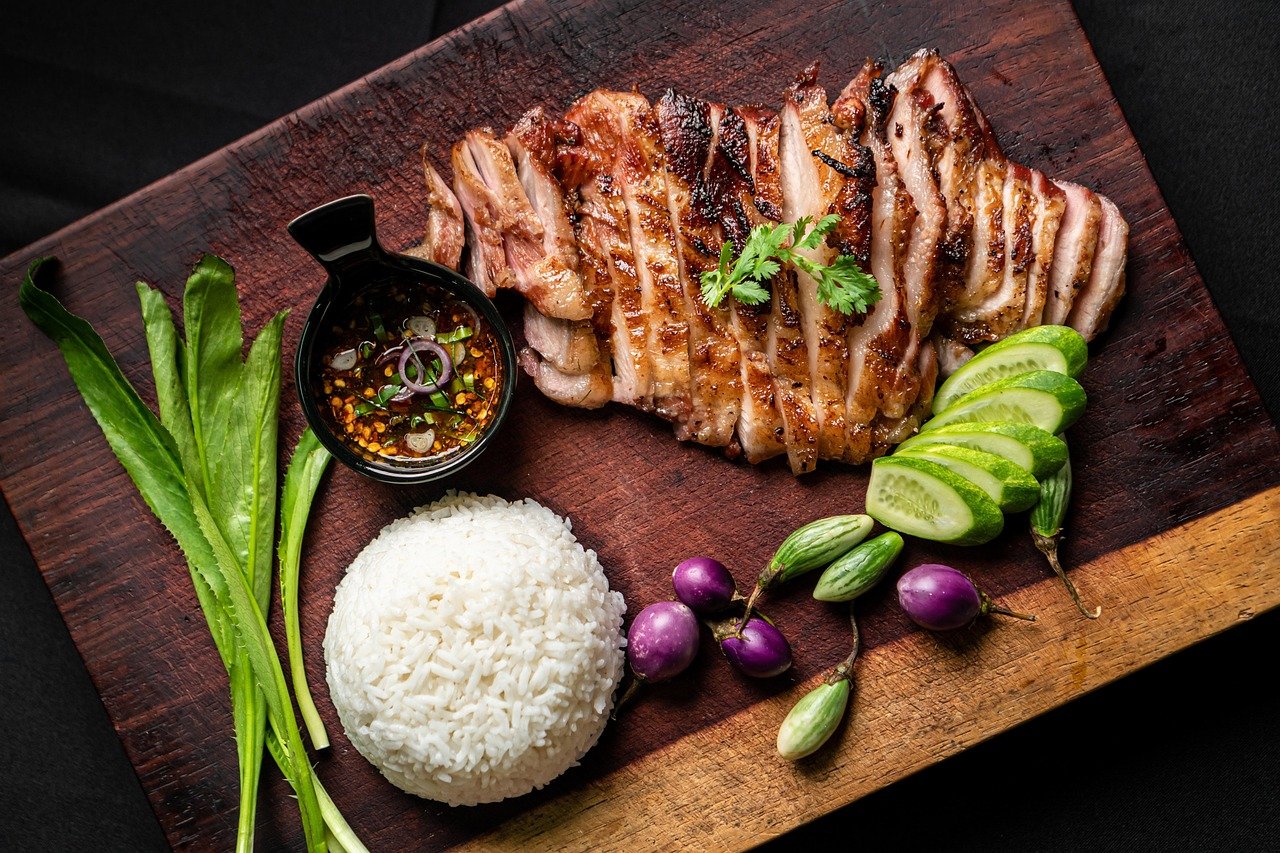
What makes a plate of Thai food taste so alive that one bite can be sour, sweet, salty, and hot all at once? That question sits at the heart of one of the world’s most popular cuisines. Thai cooking is built on contrast, and once a diner understands that structure, ordering becomes easier, home cooking improves, and disappointing meals become rare. This guide covers the regional differences, the core ingredients, the logic behind the flavors, and the practical habits that separate a great Thai meal from a forgettable one.
A National Cuisine With a Surprisingly Modern Label
Many people assume Thai food is an ancient, fixed tradition. In reality, the idea of a single national cuisine is fairly recent. Food historians trace much of the unified “Thai food” identity to the 1930s and 1940s, when the government promoted standardized dishes and encouraged noodle eating as part of a broader nation-building effort. The most famous result was pad Thai, pushed as a national dish partly to shift diets away from heavy rice consumption toward noodles. The full story is more complicated than the popular version, but the takeaway is clear: what diners call Thai food today is a blend of older regional cooking and twentieth-century branding. (Thai cuisine)
That matters practically. It explains why restaurant menus lean heavily on a handful of dishes while home cooking across Thailand looks far more varied. The country’s food is regional first and national second.
Regional Differences That Change Everything

Ordering the same dish in different parts of Thailand can feel like eating two different meals. The broad regional patterns are worth knowing before choosing a restaurant.
| Region | Flavor profile | Staples and signatures |
|---|---|---|
| Central (Bangkok) | Sweeter, milder heat, coconut milk | Curries, stir-fries, pad Thai, tom yum |
| Northeast (Isan) | Sour, hot, herbal | Sticky rice, grilled chicken, papaya salad |
| North (Lanna) | Less coconut milk, bitter and herbal notes | Noodle soups, chilli dips, pork dishes |
| South | Very hot, salty, seafood-heavy | Coconut curries, fish, crab, lots of chilli |
Central cooking is what most international restaurants imitate, which is why so many diners think Thai food is uniformly sweet. It is not. Isan food, with Lao influences, leans on lime, fish sauce, and chilli rather than palm sugar. Northern cooking uses far less coconut milk and more herbs and bitter notes. Southern food can be fiercely hot, built around seafood and coconut.
Knowing this helps diners pick a restaurant that matches their taste. A kitchen that only does sweet, coconut-heavy curries is doing central-style food. A kitchen with sticky rice, som tam, and grilled meats is likely Isan-focused. If the goal is finding a spot that suits a specific craving, this practical guide to finding the best food near me without wasting a meal covers how to read menus and reviews before committing.
The Ingredients Doing the Heavy Lifting
Thai cooking relies on a small set of powerful ingredients. Understanding them explains why the cuisine tastes the way it does.
Fish sauce (nam pla) is the backbone of saltiness and umami. It is made by fermenting fish with salt, and a good bottle transforms a dish. Shrimp paste (kapi) adds deep savory complexity to curries and dips. Palm sugar brings a rounder sweetness than white sugar. Tamarind supplies sourness with a fruity edge, and fresh lime adds a sharper, brighter sour note.
Aromatics matter just as much: lemongrass, galangal, makrut lime leaf, Thai basil, garlic, and bird’s-eye chilli. These are pounded into curry pastes or steeped in broths. The technique of pounding rather than blending releases oils and keeps textures distinct, which is why a mortar and pestle still shows up in serious kitchens.
Rice is the other pillar. Jasmine rice dominates the center and south, while glutinous rice, steamed and eaten by hand, is the staple of the north and northeast. For anyone building a pantry from scratch, the ingredient list is short but specific, and substitutions usually cost flavor.
Why Thai Food Tastes So Balanced
Thai cooks talk about balancing sour, sweet, salty, bitter, and hot. This is a working method, not a marketing slogan. A curry that tastes flat usually lacks salt or sourness, not spice. A stir-fry that feels heavy often needs a squeeze of lime.
The practical lesson for home cooks is to taste constantly and adjust one note at a time. Add fish sauce for salt and depth, lime or tamarind for sourness, palm sugar for roundness, and chilli for heat. Adding everything at once makes the balance impossible to correct. This single habit, more than any recipe, is what separates decent Thai cooking from great Thai cooking.
There is also a texture dimension. Thai meals mix soft rice, crunchy vegetables, chewy grilled meats, and crisp fried elements in the same sitting. That variety keeps a meal from feeling monotonous, which is why a well-ordered Thai table rarely feels boring even when the flavors repeat.
How to Order Well at a Thai Restaurant
Most restaurant mistakes happen at the ordering stage. A few habits fix them.
- Order across regions. Pair a central curry with an Isan salad and a northern-style dish so the table has contrast.
- Balance the heat. If one dish is fiery, pair it with something cooling like sticky rice or a mild coconut curry.
- Ask about sweetness. Many kitchens dial up sugar for local palates. Requesting less sugar is a normal, easy adjustment.
- Share everything. Thai meals are built around shared plates and a central rice bowl, not individual entrées.
- Skip the safe default. Pad Thai is fine, but the salads, grilled meats, and noodle soups usually show what a kitchen can really do.
For diners specifically craving a particular regional style, a focused guide to the best Thai food near me can help narrow options by dish rather than by restaurant name.
Takeout changes the calculus slightly. Curries and stir-fries travel well, while crisp fried dishes and fresh salads lose texture fast. A guide to takeout food near me that finds good food fast explains how to choose dishes that survive the trip home. If the meal is going to sit in a car, a curry beats a crispy omelet every time.
Street Food and the Culture of Eating Out
Street food is central to Thai eating culture, especially in Bangkok. Vendors sell noodles, grilled skewers, salads, and sweets from morning to late night, and many locals eat most meals outside the home. The scene has also drawn policy attention, including periodic city efforts to clear vendors from certain areas, which shows how contested public space can be.
For visitors, street food offers the best value and often the freshest cooking, since stalls turn over ingredients quickly. The practical rules are the same anywhere: pick busy stalls with high turnover, watch food being cooked to order, and be cautious with raw vegetables and room-temperature items if you have a sensitive stomach.
Common Mistakes Diners and Home Cooks Make
A few recurring errors show up again and again.
Treating “Thai spicy” as a dare. Heat levels in Thailand vary by dish and region. Asking for maximum heat often buries the other flavors rather than improving the meal.
Assuming all curries use coconut milk. Several sour, water-based curries exist, especially in the north and among Isan cooking. They taste completely different.
Skipping the acid. Home cooks often add salt and sugar but forget lime or tamarind, leaving dishes heavy and flat.
Overcrowding the pan. Stir-frying works on high heat with space. Too much food at once steams instead of searing.
Ignoring the rice. Sticky rice is not a side dish in Isan cooking; it is the base that makes the strong flavors work. Serving a fiery salad with jasmine rice instead changes the whole experience.
Health, Sodium, and Sensible Expectations
Thai food can be very healthy or very salty, depending on the dish. Fish sauce, shrimp paste, and soy-based sauces push sodium high, while palm sugar and sweet dipping sauces add sugar. Grilled meats, salads, steamed fish, and vegetable stir-fries sit on the lighter end. Fried dishes, coconut-heavy curries, and sweet sauces sit on the heavier end.
The balanced approach is simple: order a mix, ask for sauce on the side where possible, and treat sweet drinks as optional. Thai cooking is naturally vegetable-forward, which is one reason it fits well into varied diets. Diners who want lighter meals should lean toward salads, soups, and grilled dishes rather than fried starters.
Cooking Thai Food at Home Without the Guesswork
Home cooking succeeds when the pantry is right. Start with fish sauce, palm sugar, tamarind paste, good curry paste, coconut milk, and jasmine rice. Fresh lemongrass, galangal, and makrut lime leaf freeze well, so buying them when available pays off later.
For equipment, a heavy wok and a mortar and pestle do most of the work. A blender can handle curry pastes in a pinch, though the texture will be smoother. Kitchen tools that handle both wet and dry jobs make prep faster, and a reliable blender food processor combo covers pastes, sauces, and marinades without cluttering the counter.
Meal prep is where Thai food shines. Curries and stir-fry bases keep well, and packing rice separately keeps textures intact. A lunch box that keeps food cold and leak free matters when the meal includes sauces or salads, since leaks ruin the whole bag. Grilling is another strong option, and a practical method for cleaning your grill that protects your food keeps grilled chicken and skewers tasting clean rather than smoky in the wrong way.
Where Thai Food Fits in a Broader Food Life
Thai cooking shares space with other cuisines that reward exploration. Mexican food, for instance, uses similar building blocks of chilli, lime, and fresh herbs, and diners who enjoy one often enjoy the other. A look at the best Mexican food near me shows how much the two traditions overlap in their love of acid and heat. Even pet owners get pulled into the food conversation, since a guide to the best kitten food is a reminder that ingredient quality matters everywhere, not just on a dinner plate.
Conclusion
Thai food rewards curiosity. The cuisine is regional rather than uniform, built on a short list of powerful ingredients, and balanced through constant tasting rather than fixed recipes. Diners who order across regions, ask for less sugar, and pair fiery dishes with cooling rice get far more from a menu. Home cooks who stock fish sauce, tamarind, palm sugar, and good curry paste can reproduce most of what restaurants serve. The real secret is not a hidden ingredient but a habit: taste, adjust one note at a time, and let sour, sweet, salty, and hot work together instead of competing.
Frequently Asked Questions
What makes Thai food different from other Asian cuisines?
Thai cooking is defined by deliberate balance across sour, sweet, salty, bitter, and hot notes in the same dish. It also relies on specific ingredients like fish sauce, tamarind, palm sugar, lemongrass, and makrut lime leaf, which give it a recognizable profile distinct from Chinese, Japanese, or Vietnamese cooking.
Is pad Thai actually Thailand’s national dish?
Pad Thai was promoted as a national dish in the 1930s and 1940s as part of a government campaign that encouraged noodle eating. It became famous through that push and later tourism, but it is one dish among thousands, and most Thai home cooking looks very different.
What is the difference between Isan and central Thai food?
Central Thai food, associated with Bangkok, tends to be sweeter and uses coconut milk, with dishes like curries and stir-fries. Isan food from the northeast is sourer, hotter, and herb-forward, built around sticky rice, grilled meats, and papaya salad with Lao influences.
Why does my homemade Thai curry taste flat?
Flat curry usually lacks salt or acid rather than spice. Add fish sauce for salt and depth, then lime or tamarind for sourness, and taste after each addition. Adding palm sugar before the salty and sour notes are right often makes the dish taste sweet and dull.
Is Thai food healthy?
It can be. Grilled meats, salads, steamed fish, and vegetable stir-fries are light and nutrient-dense. Fried dishes, coconut-heavy curries, and sweet sauces are heavier in fat, sugar, and sodium, so the balance of the order matters more than the cuisine itself.
What should a first-time diner order at a Thai restaurant?
Order one salad, one curry, one grilled or stir-fried dish, and sticky or jasmine rice to share. This gives contrast in heat, texture, and flavor. Asking for less sugar and requesting sauce on the side keeps the meal balanced and lets the kitchen’s real cooking show.



