
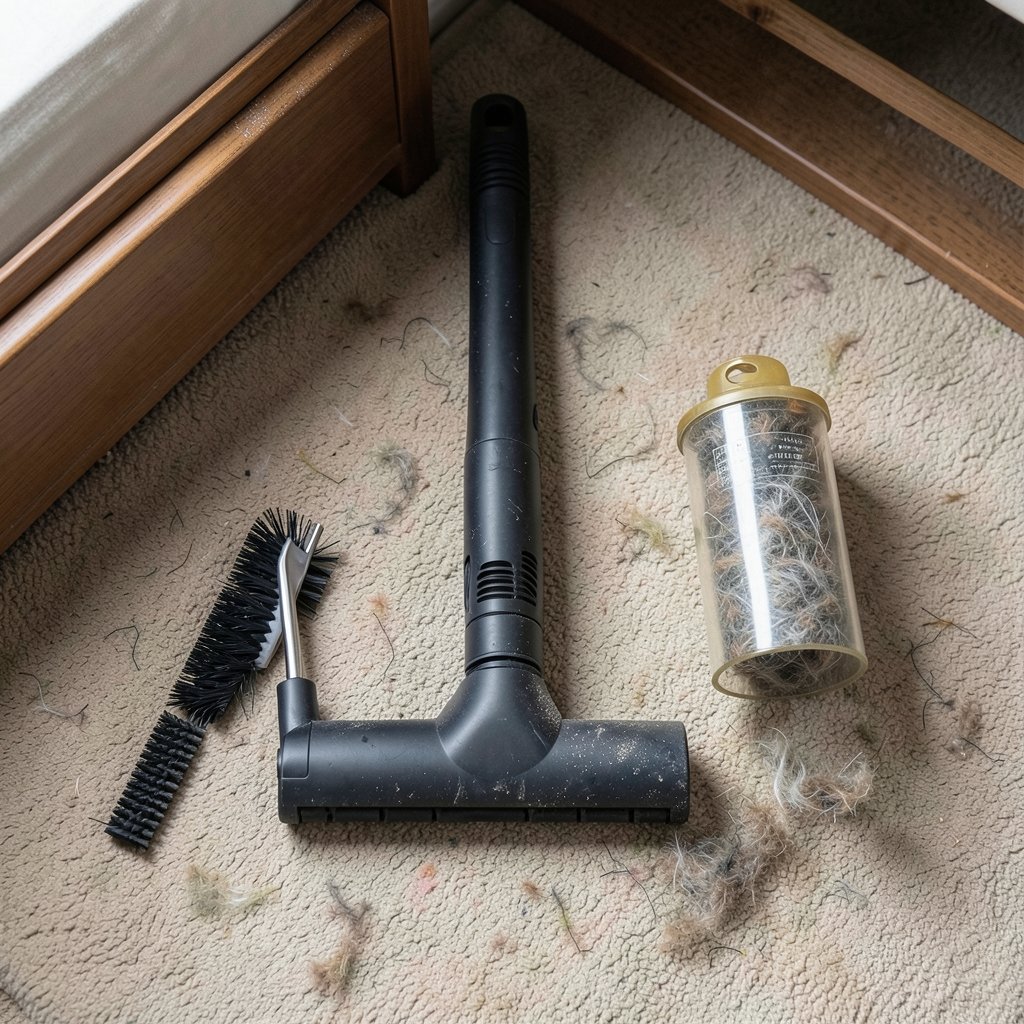
Have you ever watched a tumbleweed of dog fur roll across your living room floor five minutes after you finished vacuuming? If so, you already know that most vacuums handle pet hair the way a paper umbrella handles a rainstorm. The ratings charts say one thing, and your carpet says another.
That gap between marketing claims and real-world performance is exactly where this guide lives. Rather than crowning a single machine, it breaks down what “top rated” actually means in vacuum testing, which features genuinely matter when fur is involved, and how to match a vacuum to your floors, your pets, and your patience level. The short version: the best pet hair vacuum for your home may not be the one at the top of a generic list, and understanding why takes about ten minutes of reading.
What “Top Rated” Really Means in Vacuum Testing
Ratings feel objective, but they are the product of choices. Testers pick floor types, debris mixes, and scoring weights. Change those, and the leaderboard shuffles.
Two standards anchor most credible lab testing. ASTM F2609 is a standard test method for evaluating how well a vacuum removes embedded debris from carpet, which is a reasonable proxy for ground-in pet hair. ASTM F558 defines how air watts are measured, the standard unit for suction power. Higher air watts generally track with better carpet pickup, but the relationship is not linear. Airflow design and floor type matter just as much as raw power.
Then there is HEPA filtration, which is a defined standard rather than a marketing adjective. A true HEPA filter captures at least 99.97% of particles down to 0.3 micrometers, a threshold set by U.S. Department of Energy definitions. That number matters to pet owners because dander, the protein-rich skin flakes pets shed, is a common indoor allergen. A vacuum that picks up fur but blows fine dander back into the room is solving half the problem.
One honest caveat before going further: published ratings from major outlets update on rolling cycles, and rankings can shift within months. Any “top rated” claim is only as current as the outlet’s own update date. Treat lists as a starting point, not a verdict. The same logic applies across product categories. If you have ever compared labels on air purifiers for pet birds, you know that a spec sheet can be technically true and still misleading in practice.
Why Pet Hair Is Genuinely Harder Than Regular Dirt
Pet hair is more than dirt with a fur coat. It behaves differently in three specific ways.
First, long hair wraps. It spirals around brushrolls, clogs bearings, and slowly strangles airflow. This is why tangle-free and anti-hair-wrap brushroll designs appeared, and why they are worth taking seriously, with a caveat: these are manufacturer design claims, not standardized test categories. A “tangle-free” roller on one brand cannot be directly compared to another brand’s version using lab numbers, because no shared test exists. The same wrap problem shows up in robot vacuums, which is why guides on whether a robot vacuum handles long human hair focus on roller design over suction specs.
Second, hair clings. It weaves into carpet fibers and resists suction alone. Powered brushrolls help on carpet; on hard floors, a spinning bristle brush can scatter hair rather than collect it.
Third, shedding never stops. A vacuum that fills its bin in one room is a vacuum you will resent by week two. Capacity and emptying design matter as much as pickup power.
The Features That Actually Matter for Pet Hair
Brushroll design
On carpet, a powered brushroll is close to non-negotiable. Look for a design that either resists wrapping or lets you remove the roller without tools. Soft-roller heads tend to fare better on hard floors and are gentler on delicate surfaces.
Filtration and sealing
A HEPA filter is only as good as the seals around it. Whole-machine filtration, meaning the air path is sealed from intake to exhaust, is the feature to check. Bagged systems generally release fewer particles when emptied, while bagless systems demand careful emptying to avoid re-dispersing dander into the air you just cleaned.
Air watts versus runtime
Corded vacuums can sustain high air watts indefinitely. Cordless models typically run 20 to 60 minutes on standard mode and far less on max mode, which matters for whole-home cleaning. If your home is mostly carpet and you have two heavy-shedding dogs, a cordless machine on max power may quit before you finish the stairs.
Weight and maneuverability
Pet hair accumulates under furniture, along baseboards, and on stairs. A vacuum you avoid dragging out is a vacuum that does not work. Weight and hose reach are quiet features with loud consequences.
A Practical Comparison by Home Type
| Home situation | Priority features | What to deprioritize |
|---|---|---|
| Mostly carpet, heavy shedding | Powered brushroll, high air watts, large bin or bag | Ultra-light weight |
| Mostly hard floors | Soft roller or suction-only head, strong edge cleaning | Bristle brushroll |
| Allergy sufferer in the home | Sealed HEPA system, bagged design | Budget bagless models |
| Stairs and tight spaces | Lightweight body, long hose, handheld mode | Huge canister capacity |
| Mixed floors, one pet | Convertible head design, mid-range air watts | Specialty single-surface machines |
That table is deliberately model-agnostic, because specific rankings change faster than any article can track. The categories, though, are stable.
Common Mistakes Pet Owners Make When Buying
Chasing suction numbers alone. A vacuum with enormous air watts and a poorly sealed body can still leave dander in the air. Filtration and airflow design share the credit.
Ignoring the emptying experience. Bagless bins with bottom-release doors dump fur in a clump, which is fine. Bins you have to reach into are where dust clouds are born. If anyone in the house has allergies, this detail deserves real weight.
Buying for the pet you have, not the pet you will have. A short-haired cat today can become a long-haired dog next year. Convertible heads and removable brushrolls add flexibility cheaply.
Skipping maintenance planning. Hair wraps around rollers, filters clog with fine dander, and belts wear. A vacuum that is easy to take apart gets maintained; one that requires a screwdriver does not. The same principle applies to grooming tools. Brushes that never get cleaned stop working well, which is why guides on how to clean hair brushes so they stop looking and smelling gross apply just as much to the brushroll in your vacuum head.
Trusting a single review source. Cross-check. A machine that tops one list and mid-tables on another is telling you something about test conditions, not about conspiracy.
What Actually Works in Practice
Here is the pattern that shows up again and again among people who live with heavy shedders.
Run the vacuum more often, with less power. Two short passes a week beat one heroic weekend session, because hair that has not yet woven into the carpet releases far more easily. This is the single most effective habit change, and it costs nothing.
Match the head to the floor, every time. The mistake people make is leaving the carpet brushroll running on hard floors and wondering why fur scatters toward the baseboards. Swap heads or switch the brushroll off. It takes five seconds.
Empty or bag up before the bin is full. Airflow drops as bins fill, and pickup falls with it. A half-full bin is the sweet spot for consistent suction.
Keep a second, smaller machine for stairs and cars. A handheld or lightweight stick vacuum used weekly prevents the “big vacuum or nothing” trap that leaves stairs furry for months.
Watch the exhaust. Stand in the room after vacuuming and notice whether the air smells fresher or dustier. That single test tells you more about real-world filtration than any spec badge.
For anyone managing a multi-pet household, these habits matter more than the difference between the top two machines on any list. A mid-tier vacuum used well outperforms a flagship vacuum used grudgingly.
How to Read a Ratings List Without Getting Fooled
When a new “best of” list appears, ask four questions. What floors did they test on? Did they measure filtration or only pickup? How old is the data? And did they test with actual pet hair, or with sand and rice, which behave nothing like fur?
A list that answers all four is worth your attention. A list that answers none is a shopping page with a headline. The same skepticism is useful elsewhere in pet care shopping. Readers comparing imaging costs for their animals quickly learn that a PET scan versus a CT scan differ in purpose, speed, radiation, and cost, and that a single number rarely captures the whole decision. Vacuums are less dramatic but follow the same rule: context first, numbers second.
Conclusion
The top-rated vacuum for pet hair is not a single model. It is the machine whose strengths line up with your floors, your filtration needs, and your willingness to actually use it. Prioritize a powered brushroll for carpet, a soft roller for hard floors, sealed HEPA filtration if allergies are in play, and an emptying design you can live with. Then verify any rating against its test conditions and update date, because leaderboards move and your carpet does not care.
Buy for the fur you have, maintain the machine like it matters, and vacuum a little more often than feels necessary. That combination beats any list, every time.
Frequently Asked Questions
Are bagged or bagless vacuums better for pet hair?
It depends on what you value. Bagged systems generally release fewer particles during emptying, which helps allergy sufferers. Bagless systems avoid ongoing bag costs and let you see exactly how much fur you collected. For heavy shedding, bagless bins fill fast, so factor in emptying frequency either way.
Does a HEPA filter really matter if I do not have allergies?
It matters more than most people expect. Pet dander is fine enough to stay airborne after vacuuming, and a sealed HEPA system keeps more of it out of the air you breathe. Even without diagnosed allergies, households with pets often notice fresher air after switching to a well-sealed machine.
How many air watts do I need for pet hair?
There is no universal number, because airflow design and floor type change the outcome. Higher air watts generally correlate with better carpet pickup, but a well-designed machine with moderate power can outperform a poorly sealed high-power model. Compare within similar floor types rather than across the whole market.
Can a cordless vacuum handle a whole house with pets?
Sometimes, with caveats. Cordless models typically run 20 to 60 minutes on standard mode and much less on max mode. For a single-pet apartment with mixed floors, that is often enough. For a carpeted multi-level home with heavy shedders, a corded primary vacuum plus a cordless for quick passes is the more realistic pairing.
How often should I clean the brushroll?
Check it weekly if you have a long-haired pet, and clear wraps as soon as you notice them. Hair that spirals around a roller reduces airflow and can damage bearings over time. Tool-free removable rollers make this a two-minute job instead of a project, which is exactly why the design is worth prioritizing at purchase.
Why do vacuum rankings change so often?
Because test conditions, model lineups, and scoring methods change. New models launch constantly, and outlets update their lists on rolling cycles. A ranking is a snapshot, not a permanent truth. Cross-check at least two sources and confirm the publication date before treating any placement as settled.



