

What good is a vacuum if it leaves a fur tumbleweed rolling across the floor the moment you finish? Pet owners know the ritual: you vacuum, you empty the bin, you turn around, and somehow there’s more hair than before. The problem usually isn’t effort. It’s the wrong machine for the mess.
This guide covers what separates a vacuum that genuinely handles pet hair from one that just spreads it around, which features matter, and how to choose without overpaying.
Why Pet Hair Is a Different Kind of Mess
Pet hair isn’t just visible fuzz. It’s a mix of three things, and each one needs slightly different handling.
Hair and fur are mechanical problems. They wrap around brush rolls, clog filters, and fill bins fast. Long-haired cats and double-coated dogs are the worst offenders.
Dander is the bigger health concern. These are tiny skin flakes, often in the 2.5 to 10 micron range, and they carry allergenic proteins. Dander settles into carpet fibers and upholstery and gets kicked back into the air by foot traffic. Visible hair is annoying; dander is what makes people sneeze.
Odor comes from oils, saliva, and skin secretions that accumulate in carpets and furniture. A vacuum with a washable filter and a sealed system helps more than any scented cartridge.
This distinction matters because a vacuum that picks up hair brilliantly can still leave allergen levels high if its filtration leaks. And a vacuum with excellent filtration but a weak brush roll will leave half the fur behind. The best pet vacuums balance both.
The Features That Actually Matter
True HEPA Filtration
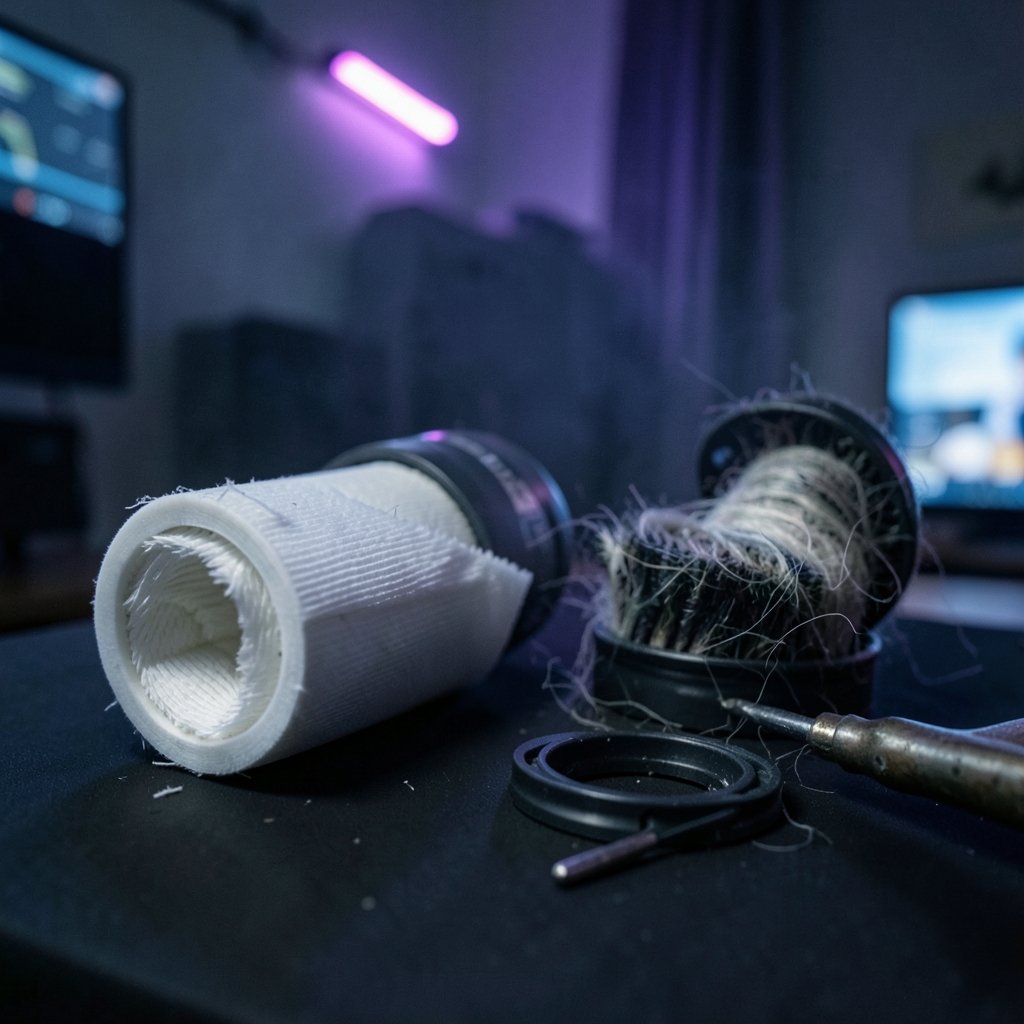
True HEPA filters are rated to capture at least 99.97% of airborne particles at 0.3 microns. That’s a real standard, not a marketing phrase.
Watch the wording carefully. “HEPA-type,” “HEPA-like,” and “HEPA-style” mean nothing specific. Only “true HEPA” implies the 99.97% threshold. If allergy relief is the goal, look for that exact phrase and a fully sealed system, meaning air can’t bypass the filter through gaps in the housing.
One honest caveat: filtration reduces airborne allergens, but a 2011 Cochrane review found insufficient evidence that single interventions alone reduce asthma symptoms from pet exposure. Multi-part approaches work better. A HEPA vacuum is one piece of the puzzle, not a cure.
Brush Roll Design
Upright vacuums with motorized brush rolls generally beat canisters and sticks on carpet, because the agitation lifts embedded hair. On hard floors and stairs, canisters and sticks are often easier to maneuver.
The catch is tangling. Long human hair and long pet hair wrap around traditional bristle rolls and cut suction fast. Tangle-free or rubber brush rolls resist wrapping, and many modern models include a fin comb or removable roll for quick cleaning.
For a deeper look at the specific problem of long hair, see this guide on robot vacuum long human hair actually works.
Bagged vs. Bagless
Bagged vacuums tend to release fewer allergens when emptied, because the debris stays sealed inside. Bagless models are convenient and cheaper to run, but emptying them can puff dander back into the air.
If allergies are the main driver, bagged is the safer bet. If you’re bagless, empty the bin outdoors or into a lined trash bag, and do it slowly.
Sealed System and Filter Quality
A vacuum can have a great filter and still leak. Look for models described as having a sealed system or fully sealed filtration. Washable filters cut running costs; replaceable HEPA cartridges cost more over time but often filter better.
Weight and Maneuverability
Uprights commonly weigh 12 to 20 pounds. That’s fine for a single-story home and brutal on stairs. Cordless sticks trade runtime for portability, often 20 to 60 minutes depending on power mode, with high-power settings draining batteries fast.
Think about where the mess actually is. If it’s mostly stairs and car seats, a lightweight stick plus a small handheld makes more sense than one heavy upright.
Matching the Vacuum to Your Pet and Home
There’s no single best pet vacuum, only the best fit. Use this as a starting point.
| Your situation | What to prioritize | What to avoid |
|---|---|---|
| High-shedding double coat, mostly carpet | Upright with motorized brush roll, true HEPA, large bin | Tiny bins, weak suction on high pile |
| Long-haired cat, mixed flooring | Tangle-free rubber brush roll, sealed system | Bristle rolls that wrap constantly |
| Allergy sufferer in the home | Bagged or sealed bagless, true HEPA, washable pre-filter | “HEPA-type” claims, leaky housings |
| Stairs and small apartment | Lightweight stick or canister, handheld mode | Heavy uprights over 18 lb |
| Pet hair plus wet messes | Vacuum-mop combo with strong dry pickup | Mops with weak suction that just push hair |
| Bird owner | Careful filtration, no ionizing features | Air purifiers marketed for birds without checking ozone risk |
That last row deserves a note. Bird owners often pair a vacuum with an air purifier, and some purifiers generate ozone or ionized particles that can harm sensitive respiratory systems. This piece on air purifier pet birds actually works can harm them explains the risk in more detail.
If you’re weighing a hybrid machine, the roundup of best robot vacuum mop combos actually cleans floor covers which hybrids handle pet hair without smearing it.
Where Shoppers Get Fooled
A few traps come up again and again.
Comparing suction specs across brands. Air watts, pascals, and CFM are measured differently by each manufacturer. There’s no standardized consumer metric, so cross-brand numbers are close to meaningless. Ignore the big number on the box and read independent testing instead.
Trusting “pet” labels. A model with a paw print on the box may be identical to the standard version except for a crevice tool. Check the brush roll, filtration, and bin size instead of the packaging.
Underestimating maintenance. Pet hair destroys filters fast. A vacuum that performed brilliantly in month one can lose suction by month three if the pre-filter is never washed. Plan on cleaning filters monthly and replacing HEPA cartridges on schedule.
Forgetting the tools. Upholstery tools, motorized pet brushes, and crevice tools do more for pet owners than raw suction. A vacuum with good tools and average suction beats a machine with high suction and useless attachments.
Buying for the whole house with one machine. Many households do better with two: a full-size upright or canister for main floors and a lightweight stick or handheld for quick cleanups. Hair accumulates daily, and a machine you actually reach for gets used.
Robot Vacuums and Pet Hair: Realistic Expectations
Robot vacuums are genuinely useful for daily maintenance, but they’re not a replacement for a full-size machine in a heavy-shedding home. They handle surface hair well and keep the floor from becoming a fur carpet. They struggle with embedded hair in high-pile carpet and with the volume a double-coated dog produces in a day.
Two practical notes. First, robots need their brushes and wheels cleaned regularly, or they’ll throw errors and stop mid-job. If yours keeps stopping, this guide on robot vacuum wheel stuck error it happens fix it fast walks through the usual causes. Second, dark carpets can confuse cliff sensors and cause robots to stop or behave oddly; the explanation in robot vacuum cliff sensors fail black carpet works covers workarounds.
If you’re also using a robot mop, be careful with cleaning solutions. Many floor cleaners leave residue that attracts dirt or damage sensors. This piece on robot vacuum cleaning solution alternatives that actually lists safer options.
A Practical Buying Checklist
Work through this before you buy.
- Confirm the filter is described as true HEPA, not HEPA-type.
- Check whether the system is sealed, meaning no air bypasses the filter.
- Look at the brush roll: rubber or tangle-free designs resist hair wrap.
- Measure your heaviest carpet pile and confirm the vacuum has height adjustment.
- Weigh the machine against your stairs and storage space.
- Check bin capacity and filter replacement costs over a year.
- Confirm the tools include an upholstery or motorized pet brush.
- Read independent testing on pet hair pickup, not manufacturer specs.
For households with multiple pets and mostly carpet, the comparison of best vacuums for pet hair is a useful next step.
Maintenance Habits That Double Performance
The best machine in the world underperforms if it’s neglected. A few habits make a real difference.
Cut wrapped hair off the brush roll every couple of weeks, not every couple of months. Hair wrap reduces airflow and strains the motor. Wash or replace pre-filters monthly in a shedding household. Empty bagless bins before they’re full, because airflow drops sharply as the bin fills. And check the hose and wand for clogs; pet hair loves the bends.
One more thing people miss: vacuum slowly. Fast passes leave embedded hair behind. Two slow passes over a high-traffic area beat four quick ones.
Conclusion
The best pet vacuum isn’t the strongest or the most expensive. It’s the one with true HEPA filtration, a brush roll that resists tangling, a sealed system, and a weight and format that match your home. Get those four things right and the fur problem shrinks fast.
Start with your flooring and your pet’s coat type, then work backward to the machine. Add realistic maintenance, and you’ll spend less time chasing tumbleweeds and more time enjoying the animal that made them.
Frequently Asked Questions
Is a HEPA vacuum worth it for pet owners?
For anyone with allergies or asthma in the household, yes. True HEPA filtration captures at least 99.97% of particles at 0.3 microns, which includes much of the dander that triggers reactions. For households with no allergy concerns, a good multi-layer filter and a sealed system still help, but true HEPA is less critical.
How often should I vacuum with a pet?
High-shedding dogs and cats usually need vacuuming three to four times a week on main living areas, and daily during shedding season. Low-shedding breeds can often get by with once or twice a week. The goal is to remove hair before it embeds in carpet fibers, where it becomes much harder to lift.
Do bagless vacuums spread allergens?
They can, if emptied carelessly. Emptying a bin releases a puff of fine dust and dander. Empty it outdoors or into a lined bag, pour slowly, and wash the bin occasionally. Bagged vacuums avoid this issue entirely, which is why allergy-focused buyers often prefer them.
Can a robot vacuum replace a full-size pet vacuum?
For light shedding and hard floors, a robot can handle most daily maintenance. For heavy-shedding pets or high-pile carpet, it works best as a supplement. Robots handle surface hair well but struggle with embedded fur and large volumes, and they need regular brush and wheel cleaning to keep running.
What is the difference between HEPA and HEPA-type filters?
True HEPA filters meet a defined standard of capturing 99.97% of particles at 0.3 microns. HEPA-type, HEPA-like, and HEPA-style are marketing terms with no fixed performance requirement. If filtration matters to you, look for the words “true HEPA” and a sealed system.
Why does my vacuum lose suction so quickly with pet hair?
Pet hair clogs pre-filters, wraps brush rolls, and blocks hoses faster than ordinary dust. Check the pre-filter, brush roll, and hose bends every few weeks. In a heavy-shedding home, washing the pre-filter monthly and cutting hair off the brush roll regularly restores most lost suction.



