
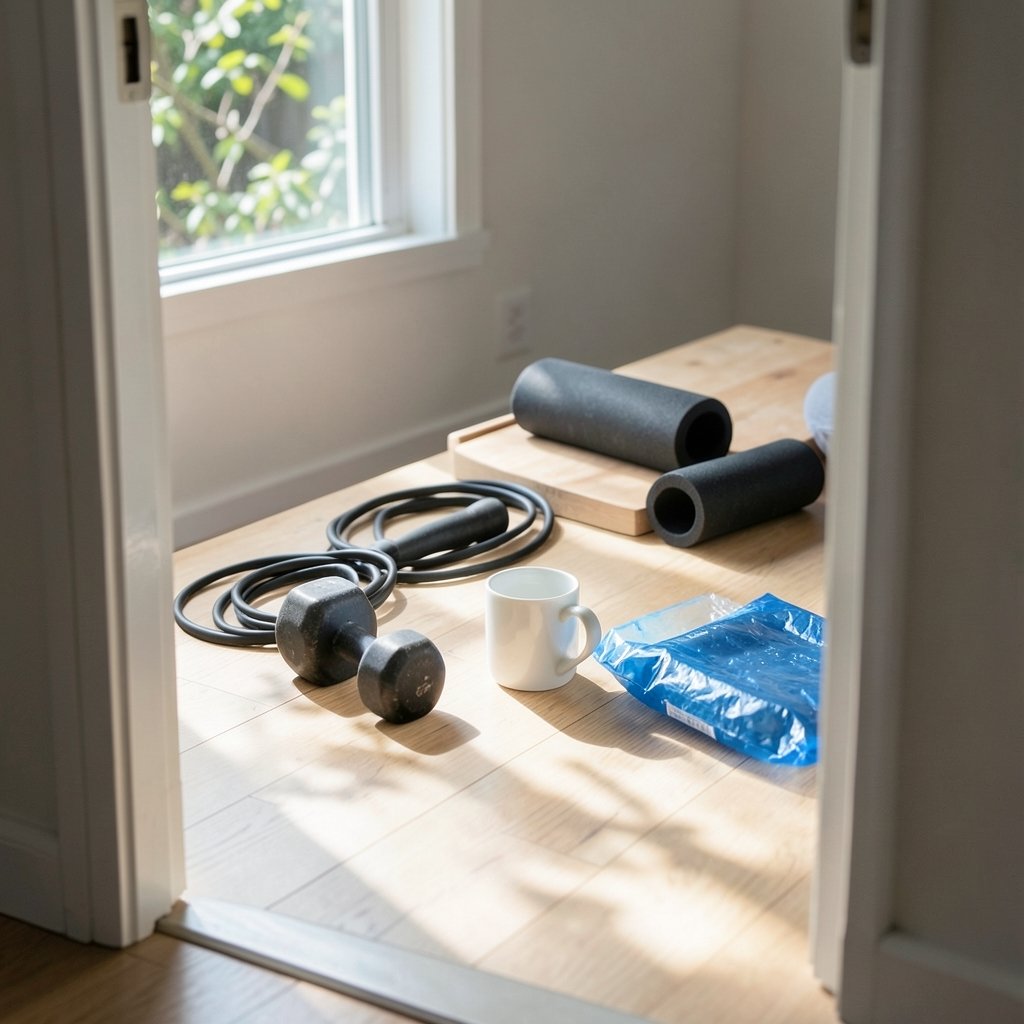
Ever reached for a coffee cup and felt a sharp pinch in your shoulder, as if something inside got briefly stuck? That sensation is one of the most common reasons people visit a doctor about shoulder pain, and it usually comes with a confusing label attached: shoulder impingement. The good news is that most cases get better without surgery. The tricky part is sorting through the noise, because the way experts think about this problem has shifted a lot in the past decade, and some popular treatments are far weaker than their reputation suggests.
What “Shoulder Impingement” Actually Means Now
The old story went like this: the acromion, a bony hook at the top of the shoulder blade, rubs against the rotator cuff tendon when you raise your arm. Bone grinds tendon, tendon gets irritated, pain follows. It sounds clean and mechanical, and for years it drove treatment decisions, including surgery to shave away part of the bone.
Modern thinking is messier and more accurate. Many clinicians now call the problem subacromial pain syndrome (SAPS) or rotator cuff–related shoulder pain. The reason for the name change is that the neat mechanical model doesn’t hold up well. Imaging studies routinely find acromial spurs, tendon thickening, and partial tears in people with no shoulder pain at all. That means a scan showing “impingement” doesn’t prove what is causing the pain. The diagnosis is clinical: it comes from the story, the exam, and how the shoulder behaves under load, not from a single image.
This matters for treatment. If the problem is less about bone rubbing and more about a tendon that is overloaded, deconditioned, or poorly tolerated, then removing bone addresses the wrong target. That’s exactly what the best trials have found.
Why Exercise Comes First, Almost Every Time
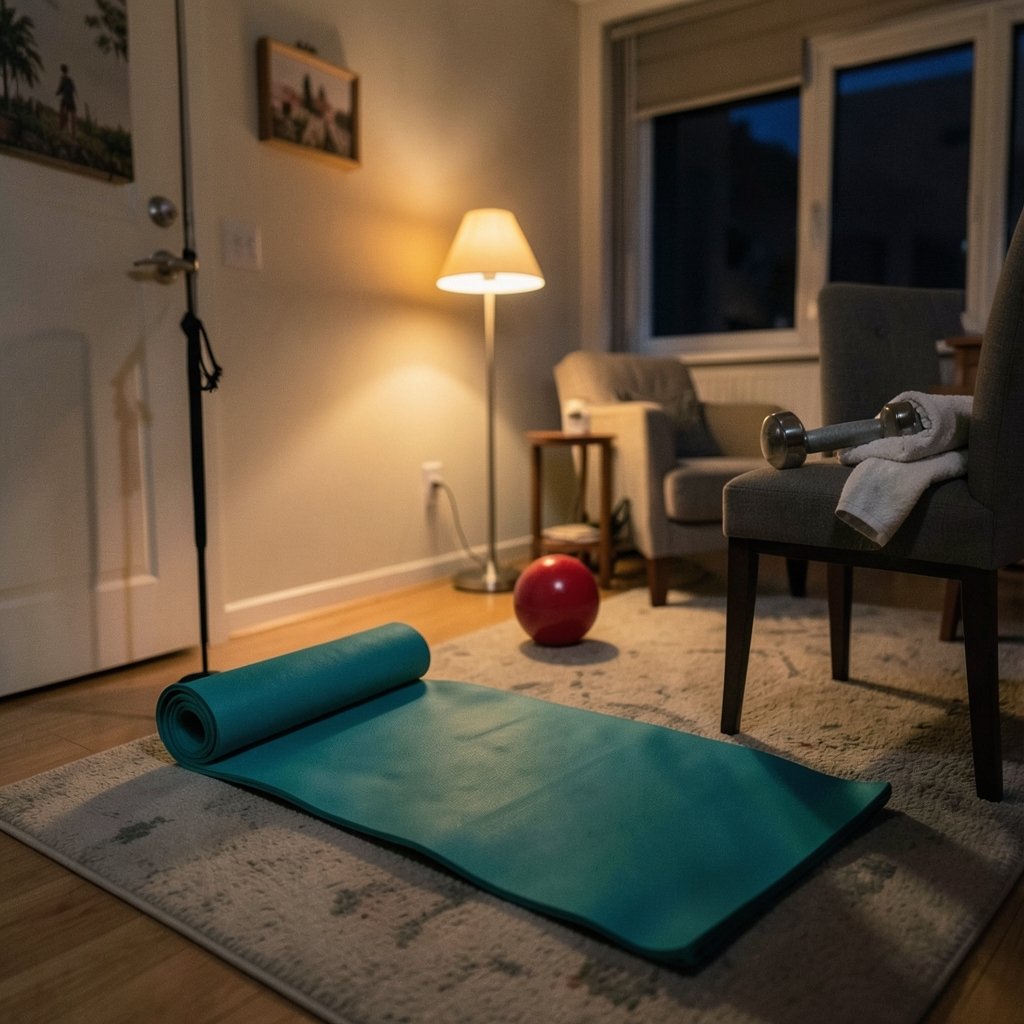
Supervised exercise therapy is the mainstay of treatment for subacromial pain. A 2014 systematic review published in the BMJ found exercise effective for this condition, with only limited evidence that one specific exercise approach beats another. In plain terms: doing something structured and progressive with the shoulder beats doing nothing, and the exact flavor of exercise matters less than people hope.
What does that look like in practice? Most programs combine three ingredients:
- Pain control and load management. Temporarily dial back the movements that flare the shoulder, without going completely still. Total rest tends to make shoulders stiffer and weaker.
- Rotator cuff strengthening. Targeted work for the muscles that stabilize the shoulder, starting light and progressing steadily. External rotation and scapular control exercises are common starting points.
- Scapular and postural work. Training the shoulder blade to move well with the arm, plus attention to the upper back and trunk.
Common Mistakes That Slow Recovery
The biggest error is doing too much, too fast, then backing off completely when it hurts. Shoulders respond to gradual load, not heroic bursts. A second common mistake is chasing pain-free movement as the only goal. Some discomfort during exercise is often acceptable, as long as it settles within a day or so and doesn’t steadily worsen. A third mistake is skipping the boring part: the small, consistent strengthening sets that feel pointless in week two but pay off in week eight.
Practical tip: pick two or three exercises, do them most days, and track symptoms in a simple note. If pain trends down over two to three weeks, the dose is roughly right. If it trends up and stays up, reduce the load rather than abandoning the program.
People who like structure often benefit from pairing a rehab routine with tools that keep daily life organized. The same logic of picking the right tool for the job applies to planning apps, where mismatched systems create friction instead of progress. Rehab works the same way: the plan you’ll actually follow beats the perfect plan you won’t.
Does Surgery Help? The Evidence Is Sobering
This is where the conversation gets uncomfortable. The CSAW trial, published in the Lancet in 2018, compared subacromial decompression surgery with placebo surgery and with active monitoring in people with shoulder impingement symptoms. At 6 and 12 months, decompression produced no clinically important benefit over either comparison. In other words, shaving the bone didn’t outperform a sham procedure.
That finding doesn’t mean surgery never has a role. It means routine decompression for typical subacromial pain is not supported by the strongest available evidence. Anyone offered this operation should ask what specific problem it is meant to solve and what the alternatives are. Genuine structural problems, such as a large full-thickness rotator cuff tear after trauma, are a different conversation entirely. (Trello alternatives their limitations teams should know)
Injections: Useful Short-Term Tool, Not a Cure
Corticosteroid injections can calm a painful flare and provide enough relief to start moving and exercising again. That is a legitimate role. They do not fix the underlying load tolerance problem, and repeated injections carry risks: they may weaken tendon tissue and affect cartilage. Specific risk estimates vary between studies, so the honest summary is to use them sparingly, as a bridge rather than a maintenance strategy.
Platelet-rich plasma (PRP) and other injectable treatments are frequently marketed with confidence that the evidence doesn’t support. The research base is low quality and inconsistent. Some people improve, some don’t, and it’s genuinely unclear how much of any benefit comes from the injection itself versus time and natural recovery. Anyone paying out of pocket deserves that transparency up front.
| Treatment | Evidence strength | Best role |
|---|---|---|
| Supervised exercise | Strong | First-line for nearly everyone |
| Activity and load modification | Moderate, based on practice rather than large trials | Supportive, alongside exercise |
| Corticosteroid injection | Moderate for short-term relief | Bridge to enable exercise during a flare |
| Subacromial decompression surgery | Strong evidence of no important benefit over placebo | Not routine; select cases only |
| PRP and similar injections | Low and inconsistent | Not established; discuss costs and uncertainty |
Red Flags That Change the Plan
Most shoulder pain is manageable with conservative care, but some presentations need reassessment rather than more exercises. Watch for severe night pain that doesn’t respond to simple measures, marked weakness (especially an inability to lift the arm at all), or a clear history of trauma such as a fall onto the arm. These can point to a full-thickness cuff tear or other structural injury and warrant proper clinical evaluation.
There’s also a broader lesson in how people evaluate health information. The same skepticism that helps with shoulder claims is useful elsewhere, whether you’re comparing subscription costs for budgeting apps or weighing display technology before buying an e-reader. Ask what the evidence actually shows, not what the marketing implies.
Setting Realistic Expectations for Recovery
Shoulder rehab takes patience. Many people notice clear improvement over six to twelve weeks of consistent work, but full recovery can take several months, and the best exercise dose, duration, and type remain unsettled in the research. Progress is rarely linear. Good weeks follow bad ones, and flares happen.
A few habits make the process smoother. Keep the shoulder moving in daily life rather than resting it completely. Sleep position matters more than people expect, so avoid lying directly on the sore side and consider supporting the arm with a pillow. And build the exercises into a fixed part of the day so they don’t depend on motivation. The same principle of removing friction applies to everyday decisions, such as saving money on groceries without eating the same meal every night: small structural choices beat willpower every time. (Minecraft safe private everyday use parents players should)
When to See a Physiotherapist or Doctor
Seek professional input if pain has lasted more than a few weeks, is worsening, or is limiting sleep and daily tasks. A clinician can rule out other causes, check for red flags, and set up a progressive program matched to the shoulder’s actual capacity. Self-guided exercise works for many mild cases, but a proper assessment catches the situations where the diagnosis is something else entirely.
Conclusion
Treating shoulder impingement has become less about finding the one magic fix and more about doing the fundamentals well. The label itself is contested, scans often mislead, and the strongest evidence points in a plain direction: progressive, supervised exercise is the first-line treatment, corticosteroid injections are a short-term bridge at best, and routine decompression surgery failed to beat placebo in a major trial. PRP and similar injections remain unproven. Recovery takes weeks to months, rewards consistency over intensity, and depends on load management rather than complete rest. For most people, the unglamorous path, done patiently, is the one that works.
Frequently Asked Questions
Is shoulder impingement the same as subacromial pain syndrome?
Largely yes. Subacromial pain syndrome is the newer, broader term for what was traditionally called shoulder impingement. The shift happened because the old mechanical explanation, in which bone rubs against tendon, is disputed, and imaging findings like spurs are common in people without pain. The newer label describes the symptoms without claiming a specific cause.
Can shoulder impingement heal without surgery?
For most people, yes. Supervised exercise therapy is the mainstay of treatment, and a major trial found that subacromial decompression surgery gave no clinically important benefit over placebo surgery or active monitoring at 6 and 12 months. Surgery still has a role in select cases, particularly genuine structural problems after trauma, but it is not routine care.
How long does shoulder impingement take to get better?
Many people see clear improvement within six to twelve weeks of consistent exercise, though full recovery can take several months. Progress is rarely linear, and flares are normal. The best exercise dose and duration are not settled in the research, so a program should be adjusted based on how symptoms respond over time rather than followed rigidly.
Are cortisone injections bad for the shoulder?
Not bad, but not a cure. Corticosteroid injections can provide short-term pain relief and help people start exercising during a flare. Repeated injections carry risks: they may weaken tendon tissue and affect cartilage, and specific risk estimates vary between studies. They work best as a bridge rather than a long-term strategy.
Does PRP work for shoulder impingement?
The evidence is low quality and inconsistent. Some people report improvement after platelet-rich plasma injections, but it is genuinely unclear how much of any benefit comes from the injection versus natural recovery over time. It should not be presented as an established treatment, and anyone considering it should ask about costs and the uncertainty involved. (Adidas vibes discovery purse spray gift set buyers should)
What are the warning signs that shoulder pain is something more serious?
Severe night pain that doesn’t respond to simple measures, marked weakness such as being unable to lift the arm, or a clear history of trauma like a fall onto the arm all warrant prompt reassessment. These can point to a full-thickness rotator cuff tear or another structural injury rather than simple subacromial pain.
One more practical anchor: set a review point. Give the program six to eight weeks of honest adherence before judging it, and bring your symptom notes to that review. If things are flat or worse despite consistent effort, the answer is usually a changed exercise selection or load, not a new diagnosis. And if a clinician proposes surgery or an injection, ask what it is meant to change, what the alternatives are, and what the evidence says. Those three questions, applied patiently, will serve you better than any single treatment.



