Uber and Nuro Just Drove Onto Waymo’s Turf in the Robotaxi War
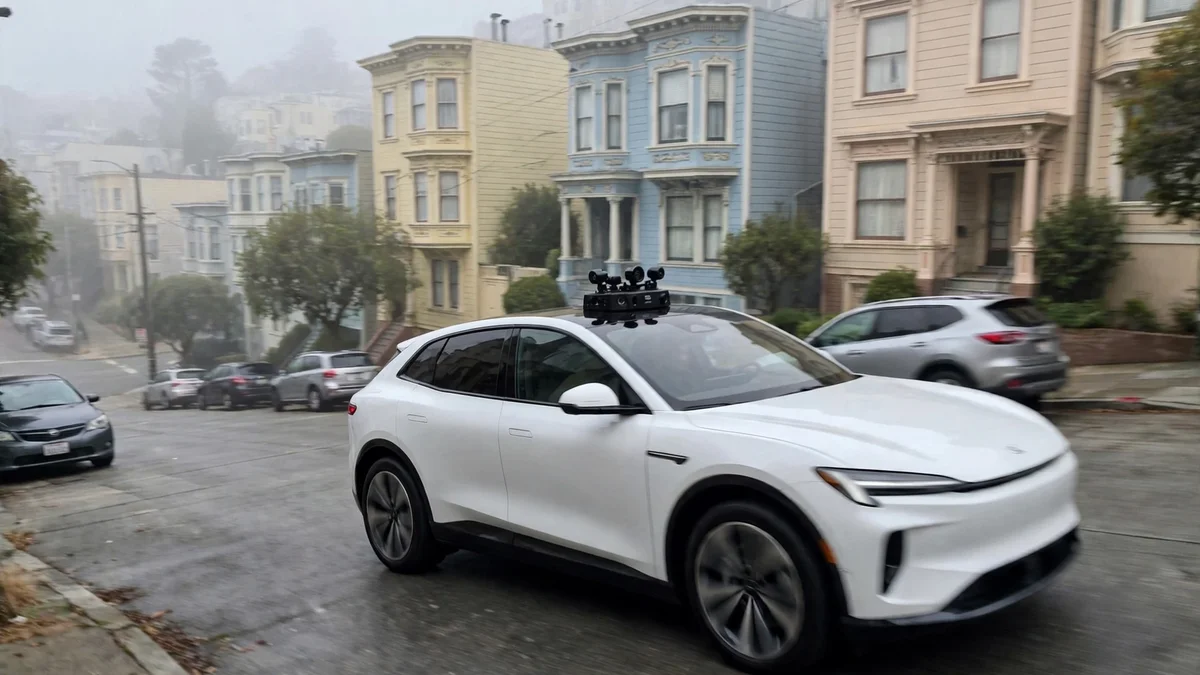
Uber and Nuro have started testing driverless Lucid Gravity SUVs on public roads in the San Francisco Bay Area, in the city where Waymo has ruled the driverless streets for years. The first fleet is small, just a couple of dozen vehicles, but the plan is to grow it into the hundreds once the commercial service launches in the first quarter of 2027.
The timing is what makes this more than a routine test announcement. Waymo, the company that owns this turf, has had a miserable month: a software recall covering 4,488 of its robotaxis, a ban from California’s freeways, and a storm-driven pause of its San Francisco service. Uber’s new fleet is testing in Palo Alto, Mountain View, Los Altos and Sunnyvale.
This is not a single launch. It is the latest move in a turf war now playing out city by city, with Uber assembling an alliance of robotaxi makers on its app while Waymo defends the lead it built the hard way.
Key takeaways
- Uber and Nuro began fully driverless testing of Lucid Gravity SUVs in the San Francisco Bay Area on 24 November 2026, with no safety driver in the vehicle.
- The first test cities are Palo Alto, Mountain View, Los Altos and Sunnyvale, with employee rides next and a public launch planned for the first quarter of 2027.
- Uber has raised its purchase commitment to at least 35,000 Lucid vehicles, up from the 20,000 agreed when the partnership was announced in July 2025.
- Waymo is defending its home turf during a rough month: a recall of 4,488 robotaxis, a California freeway ban, and a storm-related service pause in San Francisco.
- Uber is fighting on two fronts at once, adding Zoox and soon Motional robotaxis to its app in Las Vegas while it challenges Waymo in the Bay Area.
| Player | Where it stands now | What comes next |
|---|---|---|
| Uber, Nuro and Lucid | Driverless testing in four Bay Area cities; over 100 Gravity SUVs delivered | Employee rides, then a public launch in early 2027 |
| Waymo | Paid driverless service across much of the Bay Area; about 6 million driverless miles a week, the company says | Fixing two safety recalls and working to lift the freeway ban |
| Uber in Las Vegas | Zoox robotaxis added to the Uber app, with Motional to follow | A live test of human drivers against robotaxis in one city |
| Houston | Nuro has tested Lucid robotaxis there with safety drivers since December 2025 | Public service planned later in 2027, after the Bay Area |
What actually happened in San Francisco
The announcement arrived on 24 November 2026: Uber, Nuro and Lucid had begun testing their robotaxis on public roads in the San Francisco Bay Area with nobody behind the wheel. The vehicles are Lucid Gravity SUVs fitted with the Nuro Driver, Nuro’s Level 4 autonomous driving system,. Testing started in Palo Alto, Mountain View, Los Altos and Sunnyvale. Our earlier report on the driverless testing explains how removing the safety driver became the programme’s hardest milestone.
That milestone came after almost a year of supervised running. Nuro had been testing the Gravity robotaxis around the clock in the Bay Area and Houston since December 2025 and the California Department of Motor Vehicles granted it a driverless testing permit in May 2026. Nuro is one of only six companies allowed to test without a driver on California roads, alongside Waymo, Zoox, WeRide, Tensor and AutoMo.
The scale is what separates this from a science experiment. When the three companies announced their partnership in July 2025, Uber committed to buy at least 20,000 Lucid Gravity SUVs equipped with the Nuro Driver over six years. That commitment has since grown to at least 35,000 vehicles, and Uber has put hundreds of millions of dollars into both partners, including 300 million dollars into Lucid at the time of the deal. The cars will be owned and operated by Uber or its fleet partners, and rides will be available only through the Uber app.
Waymo’s rough month is the opening Uber needed
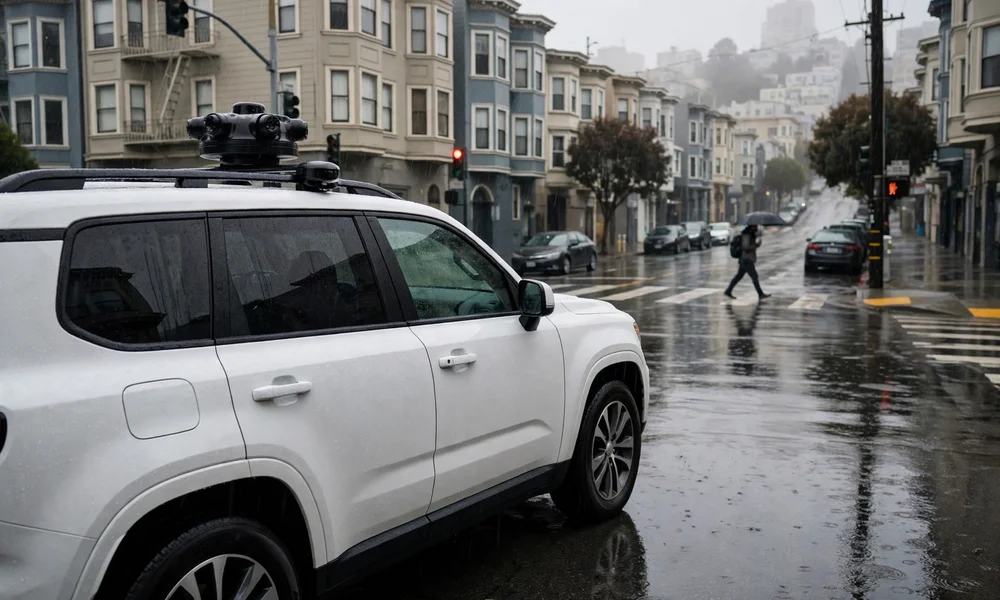
Waymo did not choose this month to look vulnerable, but it has. On 19 November 2026 the company filed two voluntary safety recalls with the National Highway Traffic Safety Administration. The first covers 4,488 vehicles with fifth and sixth generation driving systems, after 11 incidents between 1 October and 9 November in which Waymo robotaxis entered freeway lanes closed for construction or other restrictions. The second recall covers how its cars respond to manual traffic directions from police officers and emergency workers.
The recalls followed a regulatory blow. On 11 November the California Department of Motor Vehicles barred Waymo’s driverless cars from the state’s freeways, after Waymo vehicles entered closed construction zones. Then came the weather: San Francisco mayor Daniel Lurie said Waymo paused its service in the city after conversations with officials ahead of major storms and anticipated flooding.
None of this makes Waymo weak. The company says it now drives about 6 million driverless miles a week, and it already sells paid, fully driverless rides across much of the Bay Area. Waymo’s problems are the problems of a company operating at real scale, while Uber’s fleet is still in the dozens. Uber could not have picked a better month to show up.
The turf map: who is operating where
The Bay Area is the centre of the fight because it is where driverless ride-hailing actually works today. Waymo runs a paid service across much of the region, and Uber, Nuro and Lucid are testing in four South Bay cities. Houston is the second front, with public service planned later in 2027.
Uber’s approach to the map is different from Waymo’s in a way that matters. Waymo builds its own driving system and operates its own fleet. Uber is building a marketplace of more than a dozen robotaxi makers whose cars will be offered through the Uber app. In Europe, by contrast, driverless taxis are still stuck in the slow lane. Our report on Europe’s robotaxi gap explains why regulation and cautious rollouts have kept the continent years behind the Bay Area.
The partnership web is getting complicated. Uber and Waymo are rivals in San Francisco and partners in Austin and Atlanta, where Waymo rides are booked through the Uber app. That relationship has frayed as Uber builds its own robotaxi supply, and trade reports describe it as unravelling. The Bay Area test is where they meet as direct competitors.
Las Vegas is the other front
While the Bay Area gets the attention, Las Vegas may be where the turf war is easiest to measure. Uber has just added Zoox to its ride-hailing app in the city, with Motional to follow, setting up a live comparison between human-driven rides and autonomous ones in the same place, at the same prices, for the same customers.
Las Vegas is also a friendlier place to run robotaxis than foggy, hilly San Francisco: huge predictable tourist demand, wide roads and good weather for most of the year. The city also shows how Uber’s alliance strategy works: Zoox is owned by Amazon and builds its own purpose-built robotaxi, Motional is a separate company, and Uber’s contribution is the app, the riders and the fleet operations.
What it means for riders and drivers
For riders, the short-term effect is simple: more driverless cars on the road, and eventually more choice. Waymo already offers paid driverless rides across much of the Bay Area, and Uber’s service will give those riders a second driverless option inside an app many already use. Competition should push down wait times and keep prices in check, though neither company has announced what a ride will cost, so any claim about cheaper fares is unconfirmed for now.
For human drivers, a second robotaxi fleet in the Bay Area is the latest sign of a squeeze building for years. Uber’s pitch is that robotaxis add supply rather than replace drivers, filling demand where human drivers are scarce. That is partly true today, when the driverless fleets are tiny. But a purchase commitment of at least 35,000 vehicles points in a different direction. Driverless cars still need remote monitors, maintenance, charging and cleaning, and those are jobs, just not driving jobs.
The risks nobody should ignore
The biggest risk is the one Waymo’s month has just demonstrated: the technology is impressive until it meets a situation it was not built for, and then it fails in public. Ordinary driving situations are still tripping these systems up. Nuro says its decision to remove the safety driver was driven by a structured Safety Case Framework, built on months of supervised testing, closed-course work and simulation.
The second risk is regulatory. Nuro holds a driverless testing permit, but carrying paying passengers needs further approvals, and regulators who have just banned Waymo from freeways are not in a generous mood. The third risk is the business: Lucid needs volume, Uber is spending heavily on cars it does not yet know how to make money with, and the gap between a working test fleet and a profitable service is where most robotaxi dreams have died. The EV market around this deal is moving fast too, and our report on why Tesla still rules the American EV market shows how hard it is to win in Lucid’s segment.
Frequently asked questions
When did Uber, Nuro and Lucid start driverless testing?
Fully driverless testing on public roads in the San Francisco Bay Area began on 24 November 2026, with no safety driver in the vehicle. The first test cities are Palo Alto, Mountain View, Los Altos and Sunnyvale.
When will the public be able to ride in an Uber robotaxi?
The companies plan a public launch in the first quarter of 2027 in the Bay Area, after employee rides begin. Houston is expected to follow later in 2027. No pricing has been announced.
What car is being used, and who drives it?
The Lucid Gravity SUV, fitted with the Nuro Driver, Nuro’s Level 4 autonomous driving system. The cars use cameras, solid-state lidar and radar, and they will be owned and operated by Uber or its fleet partners.
How many robotaxis has Uber committed to buy?
At least 35,000 Lucid vehicles equipped with the Nuro Driver, up from the 20,000 originally planned when the partnership was announced in July 2025. The commitment runs over six years.
What happened to Waymo this month?
Waymo filed two safety recalls covering 4,488 robotaxis, was banned from California freeways by the state’s motor vehicle department on 11 November, and paused its San Francisco service ahead of major storms. The company says there were no collisions or injuries in the closed-lane incidents.
Are Uber and Waymo partners or rivals?
Both. Waymo rides are booked through the Uber app in Austin and Atlanta, but the two companies are now direct competitors in the Bay Area, and trade reports describe the partnership as unravelling as Uber builds its own robotaxi supply.
Bottom line
Uber and Nuro driving onto Waymo’s turf is the moment the robotaxi race stopped being a technology demonstration and became a market fight. Waymo has the service, the scale and the streets; Uber has the riders, the app and a 35,000-car commitment to a fleet that is only now learning to drive itself.
What riders and drivers should watch is not the announcements but the numbers: how many cars are actually on the road, how often they need help, what a ride costs, and whether the launch date holds. If Uber’s fleet grows from dozens to hundreds on schedule, the turf war is real, and San Francisco’s streets will never look the same.