
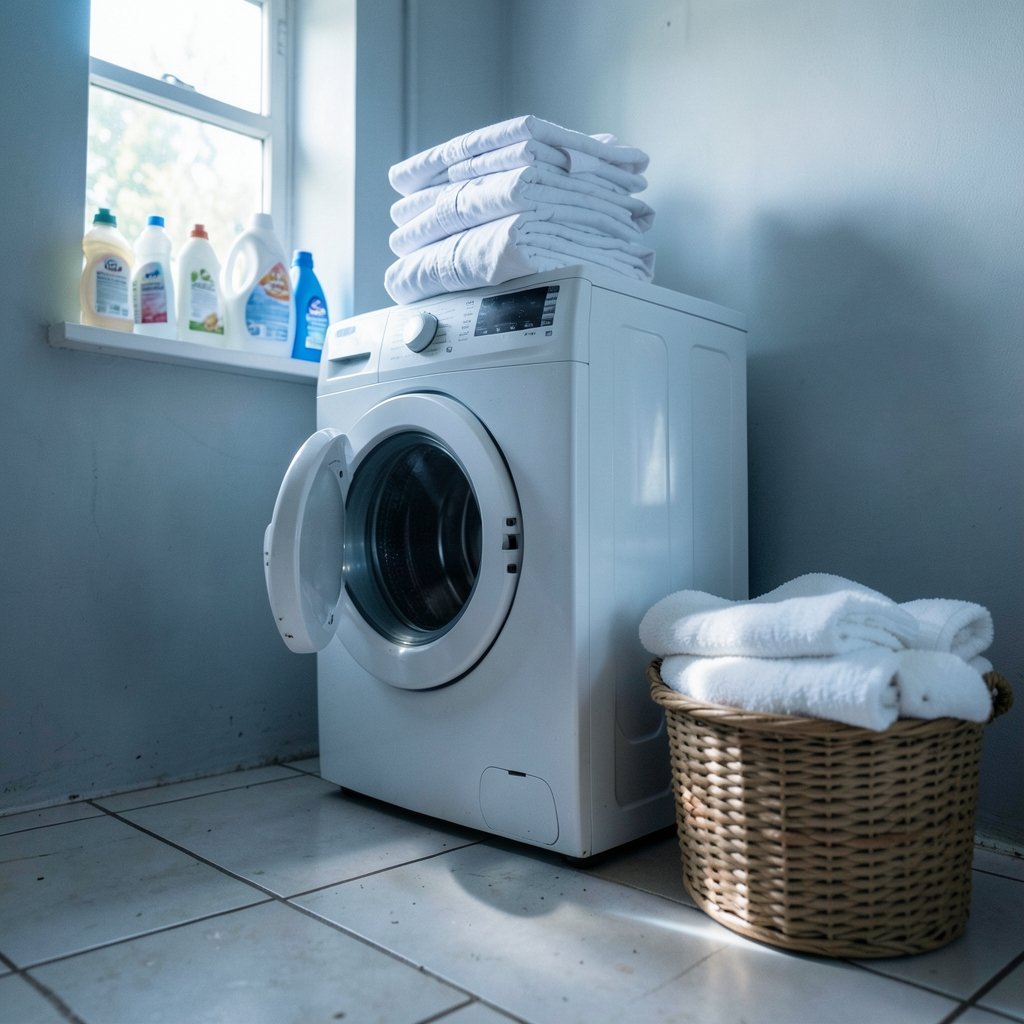
What if the most recommended washing machine brand on the shelf is not the one that will last longest in your laundry room? That gap between marketing and reality is where most buyers get burned. A brand can top every list and still leave you with costly repairs, moldy gaskets, or cycles that take three hours. This guide cuts through the noise and looks at what makes a brand genuinely worth recommending, from energy labels to repairability to the small details that decide whether a machine survives a decade of socks and school uniforms.
Why “Recommended Brand” Lists Often Mislead
Most best-brand roundups rank machines by features and price, not by how they hold up in year six. That is a problem, because washing machines are a long-term purchase. A machine that looks great on paper can still fail because of a weak door seal, an unrepairable control board, or a drum bearing that gives out after 1,500 cycles.
There is also a structural issue buyers rarely notice: many famous brand names are owned by the same handful of parent groups. Whirlpool, Electrolux, BSH, Haier, LG, and Samsung control a large share of the global appliance market. So two machines with different badges and different prices may come off similar production lines with similar components. Ownership structures shift over time, so it pays to check who actually makes the machine you are eyeing before treating the badge as a quality promise.
Independent reliability data is another trap. Consumer organizations such as Which? in the UK and Consumer Reports in the US run large reliability surveys, but the detailed results sit behind paywalls. That means many “most reliable brand” claims floating around online are recycled from subscription data, misquoted, or simply invented. Treat any reliability ranking without a dated, checkable source with suspicion.
The Standards That Separate Serious Brands From Marketing

Before comparing badges, it helps to know what a brand is actually being measured against. Two frameworks matter most.
Energy Labels and Test Standards
In the EU, new energy labels for washing machines took effect on 1 March 2021. They use a rescaled A to G class with no A+ or A+++ grades, and they show energy use per 100 cycles plus water use per cycle. In the US, the Department of Energy sets minimum energy-conservation standards for residential clothes washers under the Energy Policy and Conservation Act of 1975, updated through rulemaking over time. The FTC’s EnergyGuide label then estimates yearly running costs.
Performance comparisons usually rest on IEC 60456, the international standard for measuring household washing-machine performance. Brands that publish test results aligned with this standard are at least showing their work. Brands that only advertise vague claims like “deep clean technology” are telling you nothing measurable.
Repairability and the Right to Repair
A brand is only as good as its spare parts supply. The EU’s right-to-repair directive, Directive (EU) 2024/1799, adopted in 2024, pushes manufacturers to make goods repairable and to support repair beyond the warranty period. Separate ecodesign rules add repairability requirements for appliances. For buyers, this matters because a cheap machine with no spare parts availability becomes landfill the moment a pump fails.
How Recommended Brands Actually Compare
Here is a practical comparison of the brand types most buyers encounter, based on what each tends to do well and where each tends to fall short. Specific model quality varies widely within every brand, so treat this as a starting framework rather than a verdict.
| Brand type | Typical strengths | Typical weaknesses | Best for |
|---|---|---|---|
| European heritage brands (e.g., Miele, Bosch, Siemens) | Strong build quality, good efficiency, long parts availability | Higher upfront cost, premium repair prices | Buyers planning to keep a machine 10+ years |
| Korean and Asian volume brands (e.g., LG, Samsung, Haier) | Feature-rich, large capacities, competitive pricing | Complex electronics, variable service networks by region | Families wanting capacity and smart features |
| American mass-market brands (e.g., Whirlpool, Maytag, GE) | Wide availability, familiar top-load designs, easy service in the US | Efficiency often behind front-loaders | US buyers who prefer top-loaders |
| Budget and house brands | Low price, basic cycles | Shorter lifespan, weaker parts support | Rentals, guest houses, short-term needs |
The honest takeaway: brand reputation sets the odds, but the specific model decides the outcome. A well-chosen mid-range Bosch will usually outlast a badly chosen flagship from any brand.
Front-Loader or Top-Loader: The Choice That Shapes Brand Advice
Front-loading machines generally use less water and energy per load than top-loaders with agitators. That general pattern is why efficiency-focused recommendation lists lean heavily toward front-loaders, especially in Europe. But it is a pattern, not a universal rule, and it depends on the model and the cycle selected.
Top-loaders still make sense in some homes. They are easier on the back, faster in some cycles, and often cheaper to repair in the US market. If a household runs many small, quick loads, the efficiency gap narrows.
The practical mistake buyers make is choosing a brand first and a machine type second. Flip that order. Decide whether a front-loader or top-loader fits your space, plumbing, and habits. Then compare brands within that category. A brand that excels at front-loaders may make mediocre top-loaders, and vice versa. If you are weighing a combined washer-dryer, the decision gets even more brand-sensitive, since drying performance and drum design vary enormously. A good starting point is this guide to choosing the washing machine with dryer best brand for your space and budget.
The Details That Reveal Real Quality
Sales pages rarely mention the things that decide whether you will love a machine in year five. These are the checks worth doing before you commit to any brand.
Door Seal and Mold Risk
Front-loaders trap moisture in the door gasket. Brands that design a drainage channel and a wider gasket opening make cleaning easier and reduce odor. If you have ever fought a musty smell, you know how much this matters. Learning how to clean your washing machine so it stops smelling and lasts longer is easier on some designs than others. Check whether the gasket can be folded back fully and whether the detergent drawer pulls out completely for rinsing.
Leak Protection Features
Better brands include overfill protection, a leak sensor, or a water-block system. These are not gimmicks. A burst hose can cause thousands in water damage. If your machine has a leak sensor, placement matters, and this explanation of where to place a water leak sensor under a washing machine covers the positioning that actually catches drips before they spread.
Service Network and Parts
Before buying, check how far the nearest authorized service center is and whether common parts like pumps, belts, and door locks are stocked locally. A brilliant machine with a two-week parts wait is a frustrating machine. Ask the retailer directly: how long do repairs typically take, and is there a fixed call-out fee?
Warranty Terms
A long warranty is only useful if it covers labor and major components. Read the fine print on what is excluded. Some brands cover the motor for ten years but the electronics for only two. That is where failures usually happen.
Where Running Costs Hide
The purchase price is roughly half the story. Energy and water use per cycle add up over a decade, and the gap between an efficient and inefficient machine can be significant. EU labels show energy per 100 cycles, which makes comparison straightforward. In the US, the yellow EnergyGuide label gives an estimated yearly cost based on typical use.
Two practical tips. First, compare machines using the same cycle type, because eco programs and normal programs can differ hugely in consumption. Second, remember that real households rarely run the exact test cycle. A machine that is efficient on paper but tempts you into long, hot cycles may cost more in practice.
Common Mistakes Buyers Make With Brand Choice
A few patterns show up again and again.
- Buying the badge, not the model. Two machines from the same brand can differ completely in build and reliability. Compare model numbers, not logos.
- Ignoring the service network. A brand with no local technicians is a brand with slow repairs.
- Overpaying for smart features. App control and auto-dosing are nice, but they add failure points. Ask whether you would still want the machine if the app disappeared.
- Skipping the installation check. Vibration, drainage, and leveling problems cause more complaints than motor failures. Make sure the machine sits level and the drain hose is properly secured.
- Forgetting about maintenance. Every brand needs periodic cleaning and descaling. No machine is maintenance-free.
How to Shortlist Brands in Practice
A simple process beats endless browsing.
- Set your budget and machine type first.
- Shortlist three brands with strong local service and parts availability.
- Compare energy and water use on the label, using the same cycle type.
- Check repairability and warranty terms, especially electronics coverage.
- Read owner reviews for failure patterns, not star ratings. Look for repeated complaints about the same part.
- Confirm the return policy and installation terms before paying.
If you want to see how a structured buying framework looks in another appliance category, the same logic applies to coffee gear in this guide to the best espresso machine for home use. The principle is identical: match the machine to your habits, then compare brands within that frame.
Conclusion
There is no single best washing machine brand, only the best brand for your home, your water, your space, and your tolerance for repairs. European heritage brands tend to reward long-term owners with durability and parts support. Korean and American volume brands offer features and availability at competitive prices. Budget brands make sense for short-term or low-use situations. What separates a good purchase from a regret is the work you do before checkout: checking the energy label, confirming local service, reading the warranty fine print, and comparing specific models rather than logos. Do that, and the recommended brand on the box matters far less than the machine in your laundry room.
FAQ
Which washing machine brand is the most reliable?
No single brand wins across every market and model. Reliability varies by model line, and the most detailed survey data from consumer organizations sits behind paywalls. The safer approach is to compare specific models within your shortlist and check local parts availability and warranty coverage on electronics.
Are front-loaders better than top-loaders?
Front-loaders generally use less water and energy per load, which is why efficiency-focused lists favor them. Top-loaders can be easier to load, faster on some cycles, and cheaper to repair in some markets. The right choice depends on your space, habits, and budget rather than brand alone.
How long should a washing machine last?
Most machines are designed for roughly a decade of typical household use, though actual lifespan depends on usage frequency, water hardness, and maintenance. Regular cleaning, descaling, and prompt repair of small faults extend life considerably.
Does a higher price mean a better machine?
Not automatically. Price often reflects capacity, features, and brand positioning rather than durability. A mid-range machine from a brand with strong parts support can outlast a flagship model loaded with electronics that are expensive to repair.
What does the new EU energy label tell me?
Since 1 March 2021, EU washing machine labels use a rescaled A to G scale with no plus grades. They show energy use per 100 cycles and water use per cycle, which makes comparing running costs across models far easier than older labels did.
Should I buy an extended warranty?
It depends on what the standard warranty excludes. If electronics and labor are covered for only a short period, an extended plan can make sense. Check the call-out fees, parts coverage, and whether repairs use authorized parts before deciding.



