
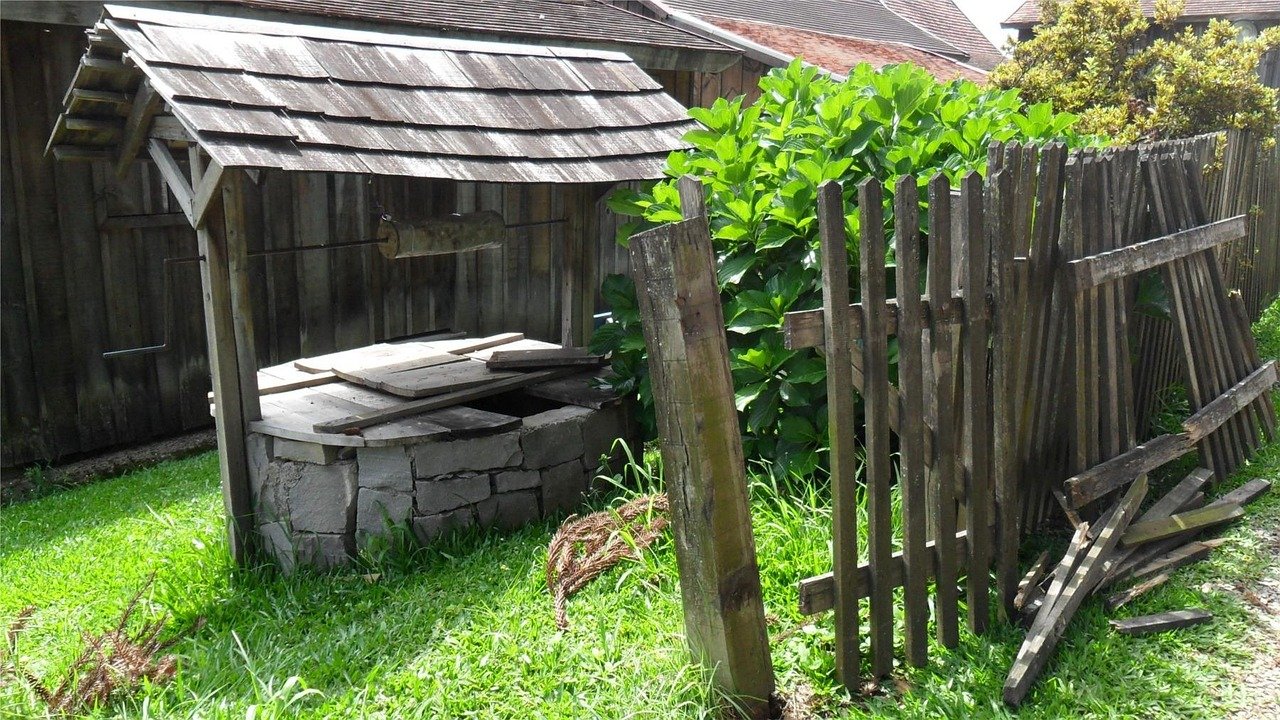
What small building sits quietly in a yard, holds some of the most important equipment on the property, and gets almost no attention until something freezes, floods, or fails? For millions of rural and suburban homeowners, the answer is the well house. It is a modest structure with a serious job: sheltering the wellhead, pump, pressure tank, and wiring that deliver drinking water to the tap.
This article treats “well house” in its most common sense, a building or enclosure over a water well. It is not about spa buildings or place names. The focus is practical: what the structure does, how it is built, where owners go wrong, and how to keep the water flowing and safe.
What a Well House Actually Does
A well house (also called a pump house, wellhead enclosure, or well shelter) is a small structure built over or around a wellhead. Its core purpose is protection. It keeps rain, snow, wind, and debris off the well casing and the equipment attached to it. It also creates a buffer against freezing temperatures, which is the reason many northern homeowners build one in the first place.
The structure typically houses several components:
- The top of the well casing and the well cap or seal
- The pump (submersible pumps sit down the well, but the pitless adapter and wiring connections are near the top)
- The pressure tank and pressure switch
- A control box, wiring, and sometimes a water treatment unit
- Valves, sampling ports, and the pipe that runs to the house
In short, it is the mechanical heart of a private water system, tucked into a small shed. When it works, nobody thinks about it. When it fails, the house has no water.
Why Private Well Owners Carry the Responsibility
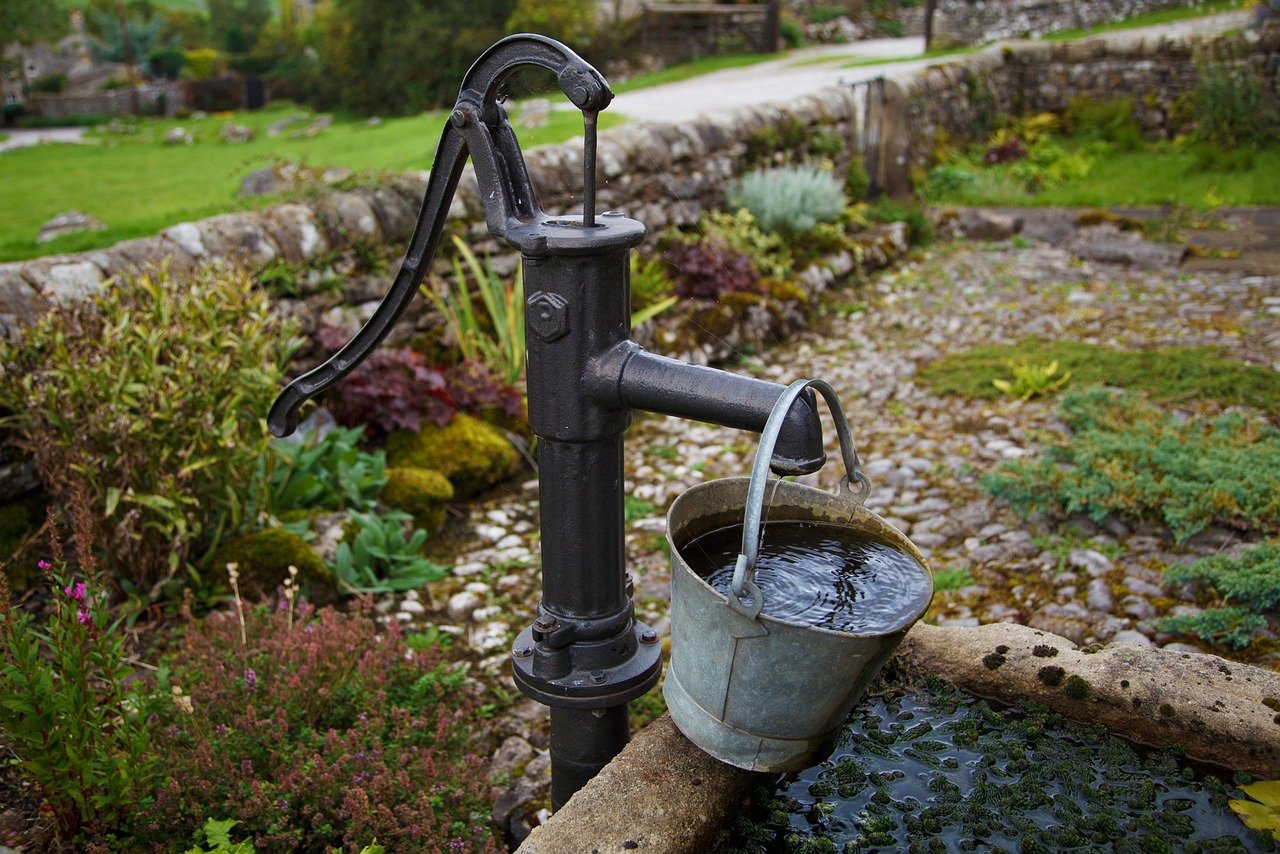
A fact that surprises many new well owners: private wells in the United States are not regulated by the federal government. The U.S. Environmental Protection Agency explains that private well owners are responsible for testing and maintaining their own wells, because EPA rules cover public water systems, not individual household wells. That means the well house, the wellhead seal, and the water quality inside are the owner’s job.
Public health guidance points the same direction. The CDC recommends testing private well water at least once a year for total coliform bacteria and nitrates, and more often if there is a change in taste, odor, color, or a nearby land-use change. The National Ground Water Association offers well-owner resources that echo annual testing and routine maintenance as the baseline.
Well construction and siting rules, meanwhile, are set at the state level. Many states require the wellhead to be sealed and protected from surface water and contamination, and some accept a well house or an equivalent cover as part of that protection. Because requirements differ by state and county, the practical rule is simple: check your local environmental or health agency’s private-well page before building or modifying anything over a wellhead.
Well House vs. Well Pit vs. Pump House
Terminology in this trade is loose, and the differences matter. A well house is above grade. A well pit is a below-grade chamber, and many jurisdictions discourage or prohibit pits because they can flood, trap gases, and let contaminated surface water reach the wellhead. A pump house may describe the same building as a well house, or a separate structure that holds pumping equipment away from the well. (Use linkedin well without wasting hours week)
| Feature | Well House | Well Pit | Pump House |
|---|---|---|---|
| Position | Above grade | Below grade | Above grade, may be separate from well |
| Main risk | Freezing, poor ventilation | Flooding, contamination, confined-space hazards | Equipment access, freezing |
| Typical status | Common and accepted | Often discouraged or restricted | Common |
| Best for | Cold climates, equipment protection | Rarely a good idea | Systems with remote equipment |
The takeaway: if someone proposes a pit to save money, ask hard questions about drainage and local rules first. An above-grade well house is usually the safer long-term choice.
How to Build a Well House That Works
Design choices made in an afternoon can cause problems for decades. The following steps reflect what tends to work in practice.
- Check local rules before you dig or build. Confirm setbacks, permit requirements, and whether your state accepts a well house as wellhead protection. Rules vary widely.
- Size it for service and working room. Leave room to reach the pressure tank, pressure switch, and well cap. A structure you cannot comfortably work inside will get neglected.
- Insulate for your climate. In cold regions, insulate walls, floor, and ceiling, and seal drafts. Some owners add a small thermostatically controlled heat source, such as a safe low-wattage heater, to hold the space above freezing.
- Ventilate to prevent condensation. A sealed, unventilated box traps moisture, which corrodes wiring and encourages mold. Small vents with screens balance insulation with airflow.
- Keep the floor above grade and sloped away. Water should drain away from the wellhead, never toward it.
- Seal the wellhead properly. The well cap or seal should be secure and vermin-proof. The well house supplements that seal; it does not replace it.
- Protect wiring and controls. Use proper conduit and keep connections dry and above any potential water level.
- Make access easy. A wide, latchable door and a clear path matter more than fancy trim. You will need to reach the equipment in bad weather.
Common Mistakes Owners Make
A few errors show up again and again. The first is treating the well house as storage. Paint cans, fuel, and lawn chemicals have no business next to a wellhead, because spills and fumes can find their way into the water supply. The second is sealing the structure so tightly that moisture builds up. The third is skipping insulation on the pipe between the well house and the house, which is exactly where a freeze will happen. The fourth is never opening the door. A five-minute seasonal look at the pressure gauge, wiring, and well cap catches most small problems before they become no-water emergencies.
Water Quality Inside the Well House
The building protects equipment, but it also affects water safety indirectly. A well house that floods, fills with rodents, or lets surface water pool around the casing undermines the wellhead seal. That is why annual testing matters so much. A simple bacteria and nitrate test, done through a certified lab, gives a baseline. If results change, the well house and the area around the casing are among the first places to inspect.
It is also worth knowing what the water is doing before it reaches the tap. Groundwater chemistry varies enormously by region, and treatment decisions should follow test results, not guesswork. Homeowners who like to understand the numbers behind their water bill and household systems often enjoy digging into the practical side of household finance too, such as figuring out how much money you really need to buy a house when a rural property with a well is on the table.
Seasonal Maintenance That Pays Off
Well house care follows the calendar in most climates. A simple routine keeps surprises rare.
- Spring: inspect for winter damage, check the well cap, clear debris, and test the water.
- Summer: look for insect or rodent activity, confirm vents are screened, and check for condensation.
- Fall: the big one. Insulate exposed pipes, test any heater, seal drafts, and confirm drainage slopes away from the structure before the first freeze.
- Winter: after storms, clear snow from vents and the door, and listen for unusual pump cycling.
Owners who track small household costs often find the same discipline useful elsewhere. The mindset behind budgeting for maintenance is not so different from the thinking in guides like show me the money: where it comes from and how to use it well, where small, steady choices beat dramatic ones.
When to Repair, Rebuild, or Replace
Well houses age. Wood rots, roofs leak, and doors sag. The decision to repair or replace usually comes down to three questions: Is the structure keeping water out? Is it keeping heat in? Can a technician safely reach the equipment?
If the answer to any of those is no, act before winter. A leaking roof that drips onto a pressure switch can cause intermittent outages that are maddening to diagnose. A rotten sill that lets in mice can lead to chewed wiring. In many cases, a new well house is cheaper than the emergency calls and water damage caused by a failing one.
There is also a heritage angle. Some older well houses on farmsteads and in villages are preserved as small heritage structures, valued for their craftsmanship and place in local history. If a property has one, it is worth asking a local historical society whether it has documented significance before demolition enters the conversation.
Working With a Professional
Not every task belongs to the homeowner. Pump replacement, pressure tank installation, electrical work, and anything that involves opening the well seal are jobs for licensed well contractors and electricians. A good contractor will appreciate a well house that is easy to access and properly ventilated, and may have opinions about its design. Ask before building, not after.
For do-it-yourselfers, the safe zone is maintenance and observation: insulation, ventilation, cleaning, drainage, and seasonal checks. The unsafe zone is anything that could compromise the seal or the electrical system.
Conclusion
A well house is easy to overlook and expensive to ignore. It is a small building with a big job, protecting the equipment that brings water into a home and shielding the wellhead from the weather and the world. The owners who fare best are the ones who check state rules before building, insulate and ventilate sensibly, keep chemicals and clutter out, test their water every year, and walk out to the structure once a season with a flashlight. None of that is glamorous. All of it keeps the taps running, which is the whole point.
Frequently Asked Questions
What is a well house used for?
A well house is a small building or enclosure over a water wellhead. It protects the well casing, pump connections, pressure tank, and wiring from weather, freezing, vandalism, and surface contamination. In cold climates, it is often insulated or lightly heated to keep pipes and equipment from freezing.
Is a well house required by law?
Not universally. Well construction and siting are regulated at the state level in the United States, and requirements vary by state and county. Many jurisdictions require the wellhead to be sealed and protected, and some accept a well house or equivalent cover as part of that protection. Always check your local environmental or health agency’s rules before building.
How often should well water be tested?
Public health guidance recommends testing private well water at least once a year for total coliform bacteria and nitrates, and more often if there is a change in taste, odor, or color, or if land use nearby changes. Testing is the owner’s responsibility, since private wells are not regulated by the EPA.
Can I build a well house myself?
Many homeowners handle basic construction, insulation, and maintenance themselves. However, anything that involves opening the well seal, working on the pump or pressure tank, or modifying electrical wiring should be done by licensed professionals. Check permit requirements first, because even small structures sometimes need approval.
What is the difference between a well house and a well pit?
A well house sits above grade and protects equipment from weather while allowing access and ventilation. A well pit is a below-grade chamber around the wellhead, and many jurisdictions discourage or prohibit pits because they can flood and let contaminated surface water reach the well. Above-grade structures are generally the safer choice.
How do I keep a well house from freezing?
Insulate the walls, floor, ceiling, and any exposed pipe, seal drafts around the door and penetrations, and consider a small thermostatically controlled heat source sized for the space. Keep vents screened but not blocked, and clear snow from vents and the door after storms. The pipe run between the well house and the home deserves special attention, since that is a common freeze point.



