

Quick Answer: When is the best time to buy home appliances?
The best time to buy home appliances is during major U.S. holiday sale windows, especially Black Friday in late November, Labor Day in early September, and Memorial Day in late May. Those periods have long been reported as peak discount seasons, and shoppers can act on them by comparing prices at several retailers and tracking a specific model for a few weeks first. (Set up security orchestration that cuts response time)
Late winter and spring also matter because new models often arrive then, which can push older inventory to clearance pricing. Presidents’ Day and July 4th sales are commonly cited too, though the evidence behind them is weaker than for the big three holidays.
Before buying, compare the model number, energy use, delivery and installation fees, warranty terms, rebate eligibility, and the return window.
Why Appliance Timing Is Trickier Than It Looks
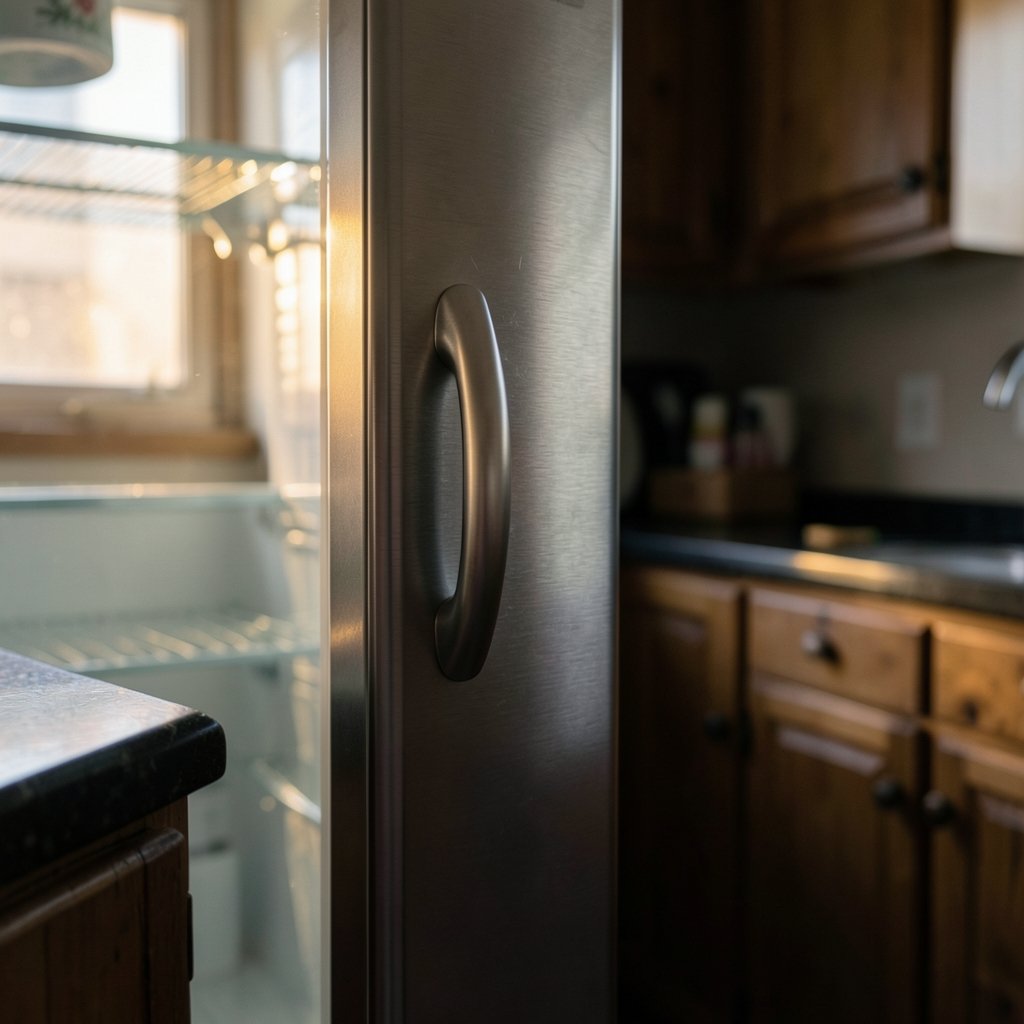
Ever noticed how a refrigerator you almost bought in June suddenly costs less in September? That is not your imagination. Appliance pricing moves on a calendar that has almost nothing to do with when your old dishwasher finally gives up.
Here is the frustrating part: the “best” time to buy depends on two clocks running at once. One is the retail calendar, full of holiday promotions. The other is the product calendar, driven by manufacturers rolling out new lineups. When those two clocks line up, deals get genuinely good. When they don’t, you can wait three months for a sale and save less than you would have by simply negotiating on a floor model.
There is also a third clock nobody mentions: your own. A fridge that stops cooling in July is not a timing problem. It is an emergency, and emergency buyers pay emergency prices. So the real answer splits into two tracks: buying on your schedule, and buying because you have to.
The Big Three Holiday Windows
Three holiday weekends carry most of the appliance discount reputation in the U.S.: Black Friday, Labor Day, and Memorial Day. Retail coverage has pointed to these periods for years, and they remain the safest bets on the calendar.
| Window | Timing | Why It Matters | Best For |
|---|---|---|---|
| Black Friday | Late November | Deepest advertised discounts of the year | Big-ticket items like refrigerators and ranges |
| Labor Day | Early September | Strong promotions on major kitchen appliances | Replacing a full kitchen suite |
| Memorial Day | Late May | Solid deals ahead of summer moving season | Washers, dryers, and air conditioners |
| Presidents’ Day | February | Mid-tier promotions, weaker evidence | Smaller appliances and accessories |
| July 4th | Early July | Mixed results, often overlapping summer sales | Opportunistic buys |
The practical trap here is assuming the holiday label guarantees the lowest price. It doesn’t. Retailers advertise aggressively during these windows, but the “sale” price on a mid-range model can be identical to its price three weeks earlier. The fix is simple: check the price of your exact model number in the weeks before the holiday. If the holiday price isn’t lower, you have your answer.
New Models and the Clearance Window
Appliance makers often introduce new models in late winter and spring. That pattern is general rather than standardized, so it varies by brand, but the effect is consistent: last year’s inventory has to move.
This is where patient buyers win. A refrigerator that was $1,800 in January can drop meaningfully once its successor appears on the floor. The catch is that clearance inventory is finite and often limited to specific finishes. Want a stainless French-door model in the exact width you need? You may find one. Want it in black stainless with a left-hand hinge? Less likely.
Practical advice from people who shop this window regularly: measure your space first, write down the dimensions, and bring them with you. Clearance shoppers who don’t measure end up buying a deal that doesn’t fit, which is the most expensive kind of savings.
End-of-Month and End-of-Quarter Negotiating
The last few days of a month or quarter can be better for negotiation than for advertised prices. Sales quotas create flexibility, particularly on floor models, discontinued finishes, and units with a small cosmetic scratch.
This is anecdotal rather than formally studied, but it shows up repeatedly in consumer reporting. The mechanics make sense: a salesperson chasing a monthly target has more room to move than one who hit it last week.
What actually works in practice:
- Ask directly whether the floor model is available and what the discount is.
- Get the quote in writing before you decide.
- Ask about delivery and haul-away fees, which can quietly erase a discount.
- Compare the out-the-door total, not the sticker price.
The most common mistake is negotiating hard on the appliance and then accepting a $150 delivery charge without blinking. Bundle the whole transaction into the conversation.
Energy Rebates and Tax Credits Change the Math
Sometimes the best time to buy isn’t about the sale at all. Federal incentives for efficient appliances were expanded in 2022, and many states and utilities run their own rebate programs. Timing and amounts vary by state and can change annually, so the smart move is checking your state energy office before you shop.
A $400 rebate on a qualifying appliance can beat a $250 holiday discount. The catch is that rebate programs have rules about efficiency ratings, eligible models, and paperwork deadlines. Buy first and check later, and you may find your model doesn’t qualify.
If you’re weighing a smart refrigerator or a connected washer, it’s worth reading up on how these devices fit into a broader home setup, since the best smart speakers for home automation often pair with newer appliance ecosystems and can influence which brand you commit to.
Price Tracking Beats Calendar Guessing
Consumer advocates generally recommend tracking a specific model’s price over several weeks rather than trusting a date to deliver the lowest number. That advice holds up.
Calendar timing tells you when discounts are likely. Price tracking tells you whether the discount is real. Do both. Pick your model, note its price weekly, and buy when the number drops below what you’ve seen. If a holiday arrives and the price hasn’t moved, skip it.
Two forces can override seasonal patterns entirely: tariffs and shipping costs. When those shift, appliance prices can move in ways no calendar predicts. If you’re mid-research and see prices climbing across several retailers, that’s a signal to buy sooner rather than wait for Labor Day.
What to Buy When, by Appliance Type
Not every appliance follows the same rhythm. Here’s how the timing breaks down in practice.
| Appliance | Best Timing | Notes |
|---|---|---|
| Refrigerator | Black Friday, spring clearance | Big-ticket discounts are deepest here |
| Washer and dryer | Memorial Day, Labor Day | Moving season drives promotions |
| Dishwasher | Black Friday, end of quarter | Floor models negotiate well |
| Range and oven | Labor Day, spring clearance | New model introductions hit hard |
| Microwave | Any major sale | Margins are thin, discounts modest |
| Air conditioner | Late spring, before peak heat | Waiting until July costs more |
Small appliances rarely reward waiting. The discount spread between a holiday sale and a random Tuesday is small enough that convenience usually wins. Save your patience for the purchases with four-figure price tags.
The Emergency Buyer’s Playbook
Sometimes the water heater dies on a Sunday and patience isn’t an option. In that situation, the goal shifts from getting the best price to avoiding the worst one.
First, separate need from want. A working replacement today beats a discounted upgrade in three weeks. Second, ask about scratch-and-dent inventory, which is often available immediately and priced well below new. Third, check whether the retailer offers same-day or next-day delivery, since a week-long wait can mean a week of cold showers or takeout.
And if you’re the type who researches everything to death, resist the urge to spend four days comparing specs while the basement floods. Buy a solid mid-range model from a retailer with a good return window, then use that window to confirm you’re happy.
That same discipline pays off in other buying decisions too. If you’re outfitting a home office or a hobby corner, the logic behind choosing the best flight sticks for beginners, where fit and feel matter more than spec sheets, applies just as well to appliances: match the product to your actual use, not to the marketing.
Common Mistakes That Cost Real Money
A few patterns show up again and again among appliance buyers.
Buying the bundle without checking unit prices. Package deals look generous until you price each appliance separately. Sometimes the bundle wins. Sometimes one item is carrying a markup that offsets the rest.
Ignoring the delivery date. A great price on a refrigerator that arrives in six weeks isn’t great if yours is already failing. Confirm the delivery window before you pay.
Skipping the warranty comparison. Extended warranties vary wildly in coverage and cost. Read the terms rather than accepting the add-on at checkout.
Forgetting installation requirements. Gas ranges, built-in dishwashers, and over-the-range microwaves may need permits, new lines, or professional installation. Factor those costs in early.
Overlooking the return window. Appliance returns are often restricted once the unit is installed or hooked up to water and power. Know the rules before the truck arrives.
There’s a parallel in almost any big purchase. People researching how to stop snoring at night home remedies often discover that the cheap fix that seems obvious isn’t the one that works, and the same holds for appliances: the flashiest discount isn’t always the best value.
Timing Around Moving Season and Renovation
Late spring and early summer bring a wave of moves and kitchen renovations, which pushes demand up. That’s why Memorial Day promotions exist, but it’s also why delivery slots fill fast and installation crews get booked out.
If you’re renovating, buy appliances before demolition starts, not after. Lead times on special-order finishes can stretch for weeks, and a missing range can stall an entire project. Ordering in late winter, ahead of the spring rush, often means better availability and a calmer installation.
If you’re moving into a home that already has appliances, wait. Live with them for a few months before replacing anything. You’ll learn what actually bothers you, and you’ll avoid spending on a problem that turns out not to be one.
Conclusion
The best time to buy home appliances is a moving target, but it isn’t a mystery. Black Friday, Labor Day, and Memorial Day remain the strongest holiday windows. Late winter and spring clearance periods reward buyers who can be flexible on finish and model. End-of-month negotiation gives you room to bargain on floor units. Rebates and efficiency incentives can outshine any sale tag if you check eligibility first.
The thread running through all of it is preparation. Measure your space, write down the model number, track the price for a few weeks, and compare the out-the-door total rather than the sticker. Do that, and you’ll stop guessing at the calendar and start buying on your own terms. The appliance that fits your home and your budget, bought at a price you verified yourself, beats any doorbuster.
FAQ
Is Black Friday really the cheapest time for appliances?
It often is for big-ticket items like refrigerators and ranges, but not automatically. Advertised holiday prices sometimes match prices from weeks earlier. Track your specific model number before the sale and compare the actual numbers rather than trusting the label.
Do appliances go on sale in January?
January is generally quieter than the major holiday weekends, but it can be useful for clearance. New models often arrive in late winter and spring, so inventory transitions can start early in the year. Check whether the model you want is being discontinued.
Should I wait for a new model or buy the current one?
If the current model fits your space and budget, buying it during a clearance window is usually the smarter move. New models rarely offer changes worth a premium for most households. Wait only if a specific feature matters to you.
Are holiday sales better online or in stores?
Both can work, but stores offer something online checkout can’t: negotiation on floor models and discontinued finishes. Compare online prices first, then use those prices as a bargaining point in person. Confirm delivery and installation costs either way.
How long should I track a price before buying?
A few weeks is usually enough to see the pattern. Note the price weekly, including during any holiday that falls in that stretch. If the number hasn’t dropped below your baseline, waiting longer probably won’t help much.
Can rebates make a non-sale purchase cheaper?
Yes, sometimes significantly. State and utility rebate programs vary by location and change annually, and efficiency requirements determine which models qualify. Check your state energy office before you buy so you don’t lose eligibility by choosing the wrong model.



