Quick Answer: When is Ramadan 2027?
Ramadan 2027 is expected to begin around 18 February 2027, with the first taraweeh prayers on the evening of 17 February in many communities, and to end around 19 March 2027, followed by Eid al-Fitr on or about 20 March 2027. Readers can plan around these estimates now, then confirm the exact start with their local mosque, national Islamic body, or a published calendar such as the Umm al-Qura schedule. (10 best ai chatbots gpt 5 claude under hood 2027)
Those dates are estimates, not guarantees. Some communities rely on naked-eye or telescopic crescent sighting, others follow an announced sighting in Saudi Arabia, and others use astronomical calculation, so the start can differ by a day between countries and even between mosques in the same city.
Before locking in travel, work leave, or school plans, check the local sighting method, your mosque’s announced date, the Umm al-Qura calendar, the astronomical new moon on 6 February 2027, and whether your region follows a local or imported sighting.
Why the Date Keeps Moving
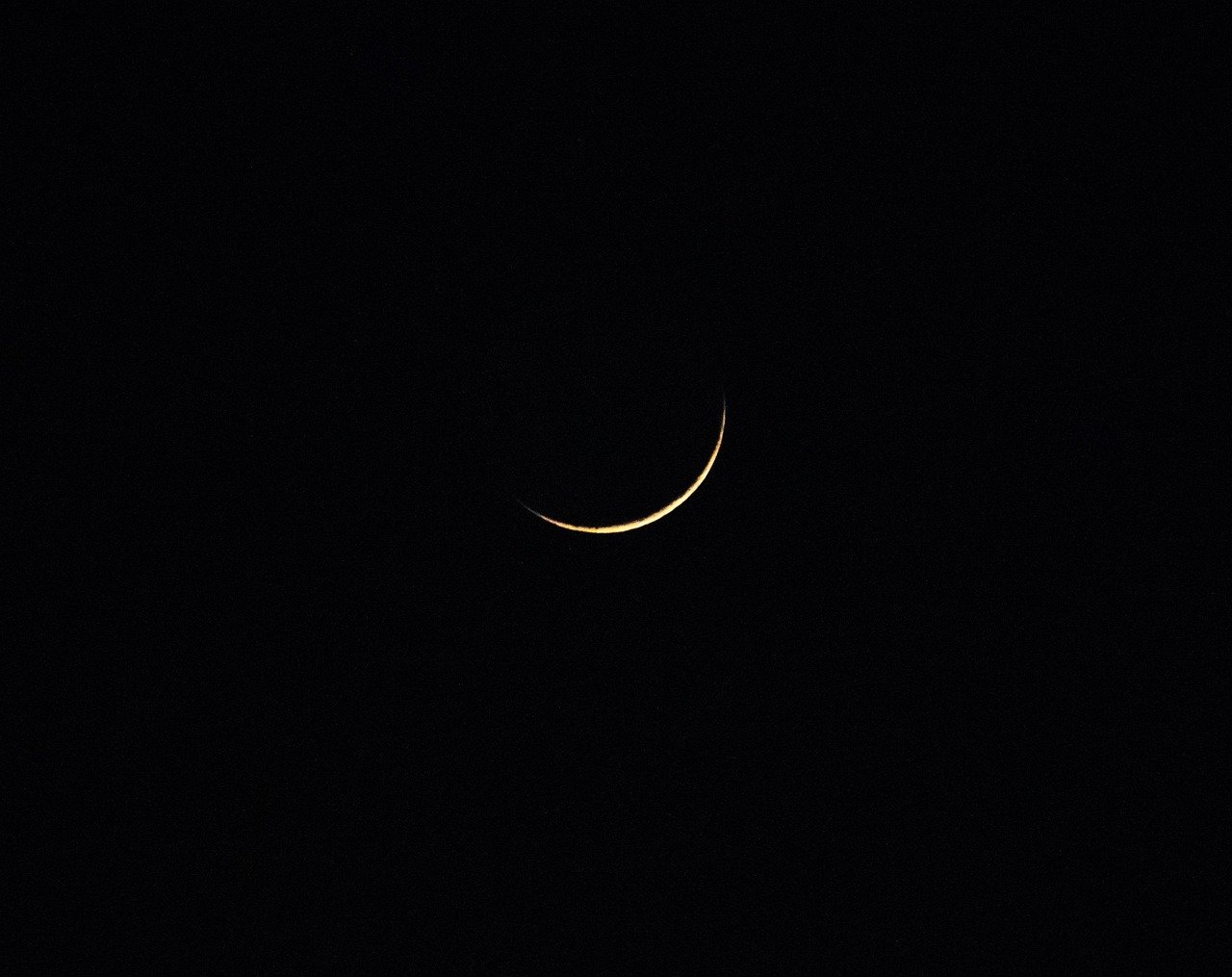
Anyone who has fasted for a few years knows the drill: Ramadan never sits still. The Islamic calendar is lunar, built from months of 29 or 30 days, so the whole year runs about 11 days shorter than the Gregorian year. That means Ramadan drifts roughly 10 to 11 days earlier each year.
The math is easy to see. Ramadan in 2025 began around 1 March. In 2026 it is expected around 18 February. In 2027 it lands around 18 February as well on many published calendars, which surprises people who assume the shift is always a clean 11 days. The reason is that the lunar year and the Gregorian year do not line up neatly, and different calculation conventions can absorb part of the drift. Over a span of about 33 Gregorian years, Ramadan cycles through every season.
Ramadan is the ninth month of the Hijri calendar and the month of fasting, sawm, one of the Five Pillars of Islam. Fasting runs from dawn, fajr, to sunset, maghrib. The month also brings extra night prayers, charity, and Quran recitation, which is why families want the dates early. If you are the type who plans ahead with digital tools, the same forward-planning instinct applies to researching any major purchase or project well before you need it: early research beats last-minute scrambling.
The Astronomical Anchor: A New Moon on 6 February 2027
Here is where the calendar gets interesting. The month before Ramadan 2027 begins with a new moon, the astronomical conjunction, on 6 February 2027 according to standard lunar-phase tables. A crescent is typically first visible one to two days after conjunction, depending on location, weather, and the visibility criteria used. (Best ai translation tools 2027 deepl vs chatgpt vs google)
Work forward from that anchor and a start around 17 to 18 February 2027 makes sense. The evening of 17 February would be the first taraweeh prayer in communities that begin the fast the next morning.
But astronomy only sets the window. It does not settle the date, because Islam’s traditional method is sighting the crescent, rukyah, not calculating it. This is the honest uncertainty every article about Ramadan 2027 has to state plainly: the new moon gives us a strong estimate, and local practice gives us the final answer.
Three Ways Communities Decide the Start
| Method | How it works | Typical effect on the date |
|---|---|---|
| Local sighting (rukyah) | A committee or trusted witnesses look for the crescent on the 29th night of Sha’ban | Follows actual visibility; can be a day later than calculated calendars |
| Follow Saudi Arabia | The community adopts an announced sighting from Saudi Arabia | Usually matches the Saudi announcement, which may differ from local visibility |
| Astronomical calculation | The calendar is computed in advance using lunar criteria | Fixed in advance; can differ by a day from sighting-based communities |
None of these is a mistake. They are different schools of practice, and they have coexisted for centuries. The practical upshot for 2027: expect the start to fall on 17, 18, or possibly 19 February depending on where you live and which authority your mosque follows. Eid al-Fitr carries the same one-day uncertainty, landing on or about 20 March 2027. (10 best ai chatbots e commerce 2027 that rescue abandoned)
If you want to understand how much disagreement is normal in date-sensitive planning, the same principle shows up in product launches and hardware leaks, where confirmed and reported figures diverge; the gap between official and reported figures often follows exactly that pattern.
What a Typical Ramadan 2027 Day Looks Like
Once the start is confirmed, the daily rhythm is familiar to most Muslims and worth explaining for anyone new to it.
- Suhoor, the pre-dawn meal, is eaten before fajr. In late February in the Northern Hemisphere, that means waking in the cold and dark.
- Fajr marks the start of the fast. No food, drink, or smoking until sunset.
- The day continues with normal work, school, and prayer. Many people add extra Quran reading.
- Maghrib, sunset, ends the fast, traditionally with dates and water.
- Isha and taraweeh prayers follow, often stretching late into the night.
- A few hours later, suhoor begins again.
Because Ramadan 2027 falls in late winter and early spring in the Northern Hemisphere, fasting hours will be shorter than the long summer Ramadans of the late 2020s and 2030s. That is genuinely good news for people in northern latitudes, and it is one reason some families plan big gatherings for this particular year.
Practical Tips That Actually Help
Planning for Ramadan 2027 works best when you treat the date as a range, not a fixed point. A few habits make the month smoother.
Book leave with a buffer. If you request annual leave for the first week, start it a day before your best estimate. Employers generally handle “Ramadan starts around the 17th or 18th” far better than a rigid date that turns out wrong.
Check your mosque in the last week of Sha’ban. Confirmed dates are announced only days before the month begins. Following the mosque’s WhatsApp group or website is the single most reliable source.
Do not trust a single website. Published Ramadan 2027 dates differ by a day across sites because they mix tabular, Umm al-Qura, and local-sighting conventions. Two independent calendars plus your mosque is a solid check.
Plan travel around Eid, in addition to Ramadan. Eid al-Fitr on or about 20 March 2027 is the bigger logistical crunch for flights and family visits. Prices spike in the final ten days.
Prepare the practical stuff early. Meal plans, freezer meals, adjusted work schedules, and childcare arrangements are easier to set up in January than in the last week of Sha’ban.
A common mistake is assuming the whole world starts on the same day. It does not, and it never has. Another is treating an app’s countdown as authoritative. Apps are useful, but they follow one convention, and your community may follow another.
Why Published Dates Disagree
Search “Ramadan 2027” and you will find start dates spread across a couple of days. The reason is convention, not error.
The tabular Islamic calendar is a mathematical scheme used for planning. The Umm al-Qura calendar is Saudi Arabia’s calculated calendar, used for administrative purposes and widely reproduced. Local sighting committees make their own determinations based on actual crescent visibility. Each produces a slightly different answer at the margins, and 2027’s new moon on 6 February sits close enough to the visibility threshold that the margins matter.
The honest framing, which any careful calendar publisher will confirm, is this: any date given now is an estimate. Confirmed dates appear only days before the month begins. That is not evasiveness; it is how the system is designed to work.
For readers who enjoy seeing how different systems reach different conclusions from the same inputs, comparisons of competing tools and methods often show a similar pattern of near-identical inputs producing meaningfully different results.
Ramadan 2027 at a Glance
| Item | Expected value |
|---|---|
| First taraweeh (many communities) | Evening of 17 February 2027 |
| First fasting day | On or about 18 February 2027 |
| Length of month | 29 or 30 days |
| Last fasting day | On or about 19 March 2027 |
| Eid al-Fitr | On or about 20 March 2027 |
| Astronomical new moon | 6 February 2027 |
| Season (Northern Hemisphere) | Late winter to early spring |
| Certainty | Estimate, plus or minus one day by region |
This table is a planning tool, not a ruling. Your mosque’s announcement overrides every row.
Preparing Work and School Schedules
Ramadan 2027 falls during a period when many schools and employers are already juggling spring calendars. A little coordination goes a long way.
For employees, the most useful step is a short conversation with a manager in January: explain the expected window, note that the exact start may shift by a day, and agree on flexible hours for the final ten nights, when late prayers make early mornings hard. Most workplaces respond well to advance notice and poorly to surprise absences.
For students, exam season in some countries overlaps with the last third of Ramadan. Checking the provisional exam timetable against the estimated dates now gives families time to request adjustments where policies allow.
For parents, the practical questions are suhoor timing, school lunch arrangements, and Eid day off. None of these require certainty in December; they require a plan that tolerates a one-day shift.
Frequently Asked Questions
Is Ramadan 2027 confirmed yet?
No. Any date published now is an estimate. Confirmed start dates are announced only days before the month begins, once moon-sighting committees or calendar authorities make their determination.
Will everyone start fasting on the same day in 2027?
Most likely not. Communities following local sighting, Saudi Arabia, or astronomical calculation can begin on different days. Differences of one day between countries, and sometimes within a country, are normal and expected.
How long will the fasts be in February and March 2027?
In the Northern Hemisphere, fasting hours will be relatively short because Ramadan falls in late winter and early spring. Fasters in northern cities will have noticeably shorter days than during the summer Ramadans of the late 2020s and 2030s.
When is Eid al-Fitr 2027?
Eid al-Fitr is expected on or about 20 March 2027, depending on whether Ramadan lasts 29 or 30 days and on the same sighting or calculation rules used for the start.
What is the best way to confirm the date closer to the time?
Follow your local mosque or national Islamic body, and cross-check with a widely used published calendar. Two independent sources plus your community’s announcement will resolve almost any confusion.
Why does Ramadan move earlier every year?
The Islamic calendar is lunar, with months of 29 or 30 days, so its year is about 11 days shorter than the Gregorian year. Each Gregorian year, Ramadan therefore arrives roughly 10 to 11 days earlier, cycling through all seasons over about 33 years.
Conclusion
Ramadan 2027 is expected to begin around 18 February 2027, with the first taraweeh prayers on the evening of 17 February, and to end around 19 March 2027, with Eid al-Fitr on or about 20 March 2027. Those dates rest on a solid astronomical anchor, the new moon on 6 February 2027, and on the standard lunar calendar, but they remain estimates until local authorities announce the confirmed start.
The most useful mindset is to plan for a window rather than a single day. Book leave with a buffer, check your mosque in the final week of Sha’ban, cross-check two independent calendars, and treat published dates as informed predictions rather than certainties. Communities will differ by a day, and that is not a problem to solve but a feature of how the Islamic calendar has always worked.
For anyone in the Northern Hemisphere, there is a bonus: this Ramadan falls in late winter and early spring, so the fasting days will be shorter than they will be for most of the next decade. Plan early, confirm late, and the month tends to take care of itself.