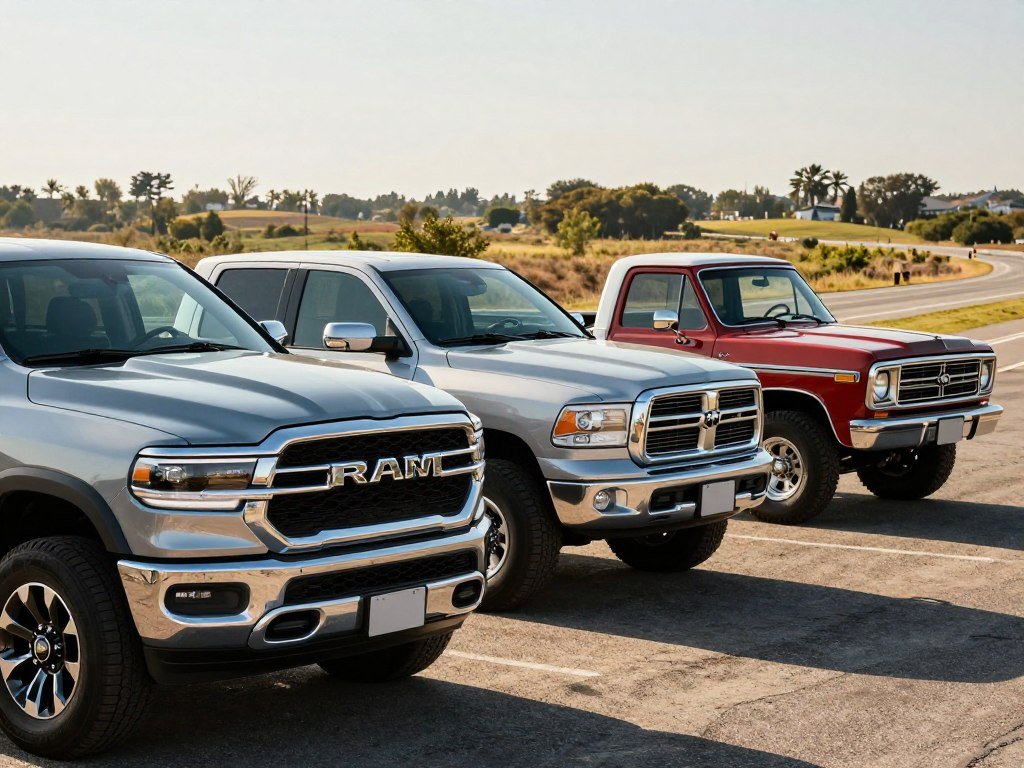
Stellantis owns the Ram brand, while Dodge Ram is the name many people remember from earlier trucks. That old name can make the brands seem like one company, even though their current roles differ. A standalone brand is a distinct vehicle marque with its own identity under a larger parent company.
For truck buyers, that difference can help make sense of names on older vehicles and current models. It also separates the company that owns the brand from the plant that builds a vehicle. The ownership answer is clear, while model and assembly details depend on the truck.
Ram’s corporate parent is Stellantis, even though the brand’s history began inside Dodge.
Key Takeaways
- Stellantis owns Ram.
- Dodge and Ram are separate brands.
- Dodge Ram is a familiar historical truck name.
- Vehicle ownership and assembly location are different details.
- Check model-year paperwork when an older truck carries a Dodge Ram label.
Who Owns Ram Today?
Stellantis is Ram’s parent company, and Dodge is a separate brand in the same corporate group. Neither brand owns the other; both operate under Stellantis.
Stellantis is publicly traded, so its shareholders own the company rather than one automaker. Ram is part of Stellantis, not an independent automaker. The company formed in 2021 through a merger of Fiat Chrysler Automobiles and PSA Group, creating a larger group with several vehicle brands.
A brand name identifies a vehicle marque; the parent company sits above that brand in the ownership structure.
Stellantis lists 14 automotive brands: Abarth, Alfa Romeo, Chrysler, Citroën, Dodge, DS Automobiles, and Fiat. The group also includes Jeep, Lancia, Maserati, Opel, Peugeot, Ram, and Vauxhall. This range explains why one company can sell vehicles with distinct names and identities.
Who owns Ram trucks? Stellantis owns the Ram brand and its trucks. Who owns a Ram 1500? The parent company owns the brand, while the buyer owns a purchased vehicle. Who owns Stellantis? Its shareholders own shares in the publicly traded company.
The phrase “Ram owned” can refer to the brand or to a vehicle held by an individual owner. Those are different relationships. The parent company sets the larger corporate structure, while each brand serves its own customers with its own vehicles.
Brand leadership can also differ within the same group. Matt McAlear is Dodge’s CEO, a clear example of separate leadership for a distinct Stellantis brand. Dodge’s role does not make it the parent of Ram.
The 2021 Stellantis merger brought Fiat Chrysler Automobiles and PSA Group together under one publicly traded company. The 14-brand setup lets Stellantis manage separate marques without turning them into one shared brand.
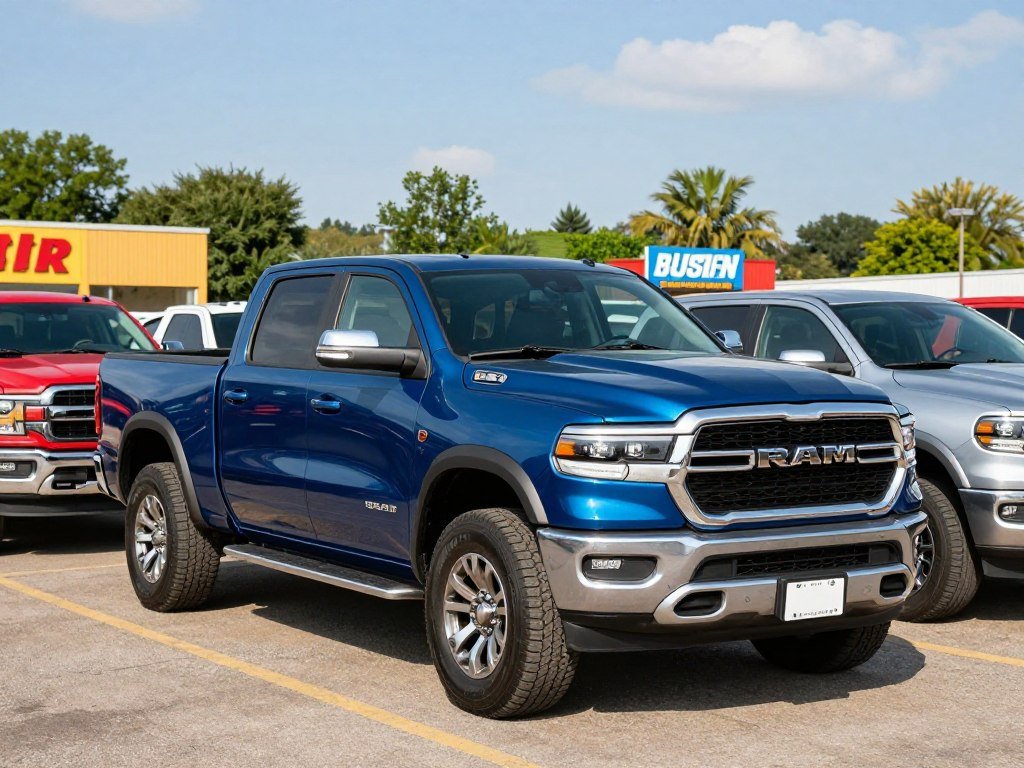
A Ram 1500 is therefore a Stellantis-brand vehicle, not a Dodge-owned model.
When Did Ram Separate From Dodge?
Dodge added the Ram name to its truck lineup in 1981, while the separate Ram brand came in 2009. The truck name came first, followed years later by its own brand identity.
Ram was a standalone brand by 2009, but it remained under the same corporate parent. That distinction answers questions about who owned Ram in 2021 and 2022. Stellantis formed in 2021 from Fiat Chrysler Automobiles and PSA Group, and Ram was part of the new company in 2022.
People still use “Dodge Ram” for older trucks because Dodge sold trucks under that name for many years. Older titles, ads, and everyday speech may keep the Dodge name attached to a truck. That does not make Dodge the current owner of the Ram brand.
Is Ram still Dodge? No. Ram still has roots in Dodge, but the brands are now separate. Dodge still operates as a Stellantis brand, alongside Ram, rather than owning it.
The phrase “Ram Dodge” can blur the current distinction, while Dodge cars remain part of the wider group. For older vehicles, the correct name depends on the model year and the way that truck was sold. Used Dodge Ram labels may describe a real older vehicle, not today’s brand structure.
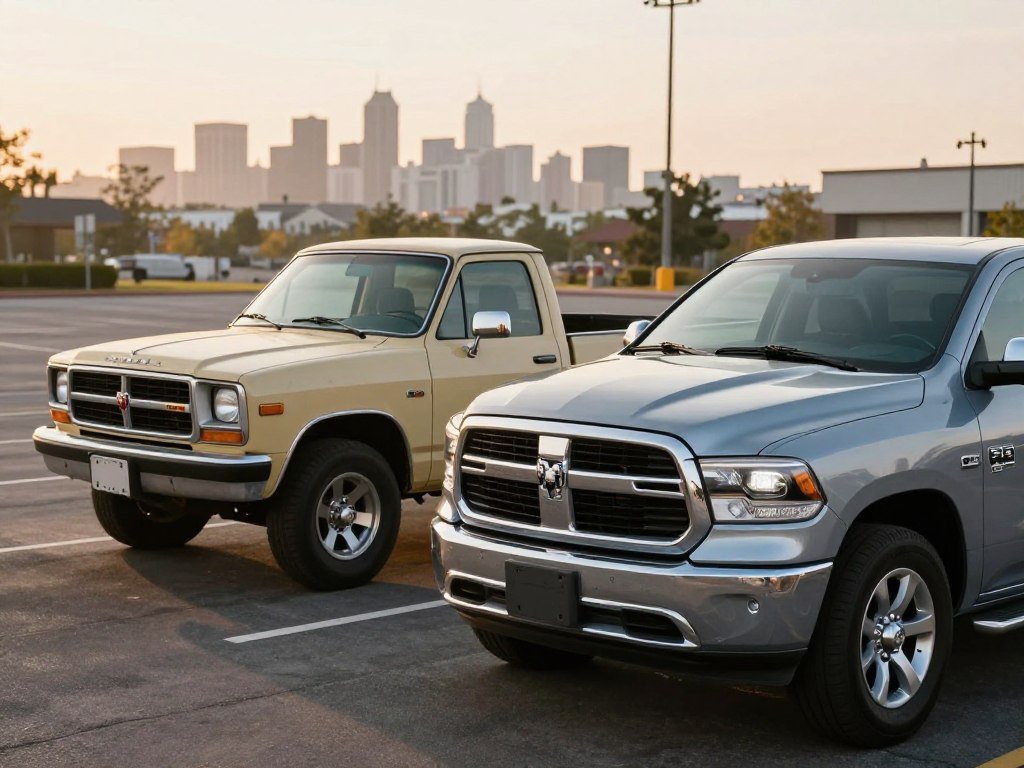
On a current vehicle, use the Ram brand name rather than treating Dodge Ram as one present-day make.
What Does Ram’s Current Truck and Van Lineup Include?
A Ram buyer can choose from light-duty pickups, heavy-duty work trucks, chassis cabs, and commercial vans. The lineup covers personal and work use, from a daily pickup to a vehicle built for business equipment.
Ram trucks include several types of pickup truck and van. Stellantis makes Ram engines, but a vehicle’s assembly location does not show where every engine or transmission came from.
Pickups, chassis cabs, and vans
The current lineup spans four main vehicle groups:
- Ram 1500 light-duty pickups
- Ram Heavy Duty 2500/3500 pickups
- 3500/4500/5500 Chassis Cab trucks
- Ram ProMaster vans
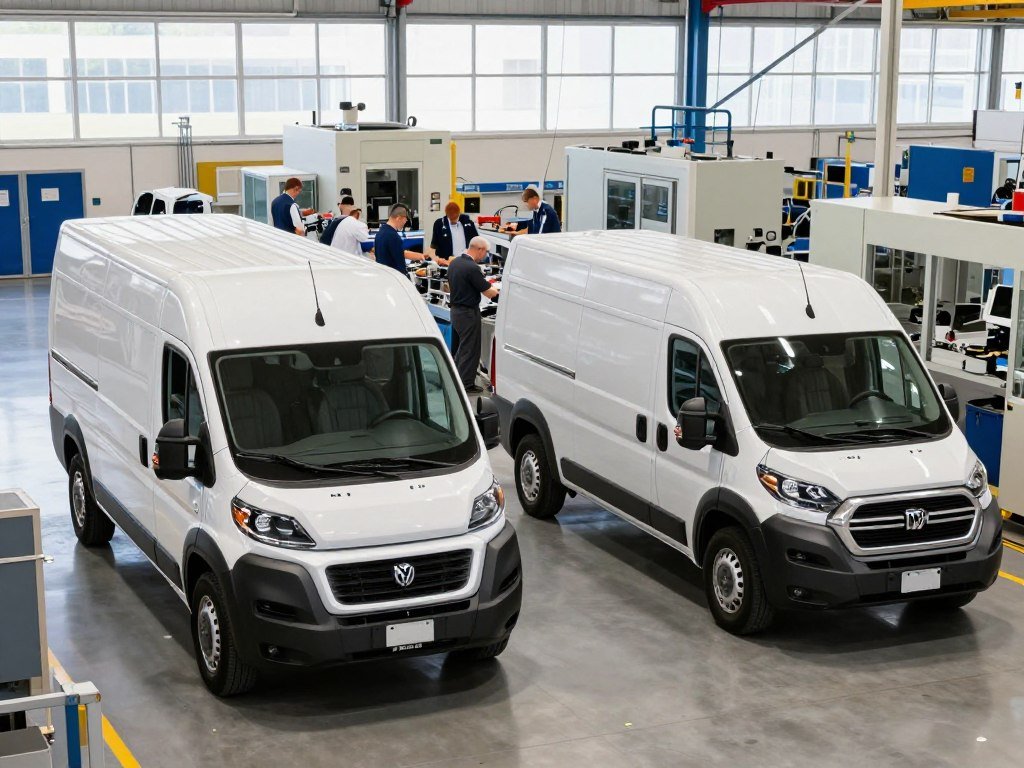
The Ram ProMaster serves commercial vehicles and van conversions. Its front-wheel-drive layout and cargo space make it a base for some camper builds. You can compare small camper van options to see how size, layout, and gear shape a camping setup.
Ram 1500 pickups are assembled at Sterling Heights Assembly in Sterling Heights, Michigan. Ram Heavy Duty 2500-5500 trucks are made at the Saltillo Truck Assembly Plant in Saltillo, Coahuila, Mexico. At least some Ram pickups are made in the United States.
Engine choices and assembly locations
The 2026 Ram 1500 offers a 3.6L Pentastar V6 and two available 3.0L Hurricane engines. A newly available 5.7L HEMI V8 joins that range. Those choices let buyers compare different engine types within the same pickup line.
The 2026 Ram 1500 can deliver up to 540 horsepower, depending on the engine and configuration. Its 2026 engine choices include both V6 and V8 options, as well as the two Hurricane engines. Horsepower alone does not describe a truck’s full equipment or setup.
Assembly details identify where a vehicle was built, not the origin of each part. The Saltillo Truck Assembly Plant builds Heavy Duty trucks, while Sterling Heights builds Ram 1500 pickups. That gives shoppers a clear answer when they ask whether trucks made in the United States include Ram models.
Check the specific vehicle’s window sticker to confirm its assembly point and equipment.
How Does Ram Compare With Other Truck Brands?
Through June 2026, Ram’s 207,616 U.S. pickups placed it behind Ford and Chevrolet but ahead of GMC. Ford led the sales ranking, while Ram held third place among these four truck brands.
Ram pickup sales rose 19% from the first half of 2025. The total included 125,522 light-duty pickups and 82,094 heavy-duty trucks. Ford F-Series was the top-selling U.S. truck through June 2026.
U.S. pickup sales through June 2026
The sales figures show how each pickup truck brand compared over the first half of 2026. Chevrolet Silverado ranked ahead of Ram, while GMC Sierra finished below it. The first-half pickup sales figures offer a direct view of that order.
| Brand | U.S. pickups sold through June 2026 | Sales rank |
|---|---|---|
| Ford F-Series | 357,801 | 1 |
| Chevrolet Silverado | 276,074 | 2 |
| Ram | 207,616 | 3 |
| GMC Sierra | 170,754 | 4 |
Sales rank measures how many vehicles a brand sold, not how well each truck fits your needs. Buyers may care more about how a vehicle drives, its features, or its long-term condition. A high sales total does not make every truck the right choice for every driver.
Dependability and resale considerations
The Ram 1500 had the lowest reported problem rate among large light-duty trucks in the 2026 J.D. Power U.S. Vehicle Dependability Study. The study surveyed 33,268 original owners of 2023 model-year vehicles after three years of ownership. Its dependability study result reflects reported problems from that group and period.
A group study can help compare brands, but it cannot predict the condition of one used truck.
For resale, trucks lost an average of 34.8% of their value over five years. Electric vehicles averaged a 49.1% loss over the same span. These figures describe broad vehicle groups, not a guaranteed value for any one Ram pickup.
Crossing 100,000 miles can trigger an additional 20% decline in a Ram 1500’s trade value. Mileage matters, but a buyer should also weigh these four details when comparing a used vehicle:
- Mileage
- Maintenance history
- Vehicle condition
- Model-specific equipment
A truck with careful service records may tell a different story from one with the same mileage and little repair history. Wear, age, and market demand can also shape resale value. A brand-level dependability result is useful context, not a promise about an individual vehicle.
Compare the mileage, maintenance history, condition, and equipment of the specific trucks before treating a brand-level result as a prediction for one vehicle.
Conclusion
Ram’s Dodge roots explain the familiar name, but Stellantis owns the separate Ram brand today. The older Dodge Ram name belongs to the brand’s history, not its current relationship with Dodge.
When a used truck carries an older Dodge Ram label, check its title and model-year paperwork. Those records can help you identify how the vehicle was sold and avoid mixing an old name with today’s separate brand.
Before buying a used truck, compare the name on its title with its model-year paperwork so an older Dodge Ram label is not mistaken for today’s separate brand.
FAQ
Who is the CEO of Dodge?
Matt McAlear is Dodge’s CEO. Dodge has its own brand leadership within Stellantis, separate from Ram’s identity. The role is a useful example of how one parent company can oversee several brands with distinct teams. Dodge and Ram remain separate brands, even though they share the same corporate parent.
Who makes Ram engines?
Stellantis makes Ram engines. The 2026 Ram 1500 offers a 3.6L Pentastar V6, two available 3.0L Hurricane engines, and a newly available 5.7L HEMI V8. The engine lineup varies by model and configuration, so a specific truck’s window sticker is the best place to confirm its installed equipment.
Is any Ram made in the USA?
Yes, Ram 1500 pickups are assembled in Sterling Heights, Michigan. Ram Heavy Duty trucks are assembled at the Saltillo Truck Assembly Plant in Mexico. A U.S. assembly location does not mean every engine or transmission part came from the United States. Check the vehicle’s window sticker for its assembly details.
Why is Ram the cheapest truck?
Ram is not always the cheapest truck. Price comparisons depend on the same model year, cab, powertrain, and equipment, since each can change the listed price. A basic pickup and a fully equipped model are not direct comparisons, even when they carry the same brand name. Compare matching versions before judging cost.
Is a Ram better than a Chevy?
A Ram is not always better than a Chevy; the right choice depends on the exact models and your priorities. The Ram 1500 had the lowest reported problem rate among large light-duty trucks in the 2026 J.D. Power study. That result covers a defined group of owners and does not settle every model-to-model comparison.
Why do Ram trucks lose value?
Ram trucks lose value as mileage, age, condition, and market demand affect what buyers will pay. Trucks averaged a 34.8% loss in value over five years, while crossing 100,000 miles can trigger an additional 20% decline in a Ram 1500’s trade value. Those figures are trends, not a fixed price for every truck.



