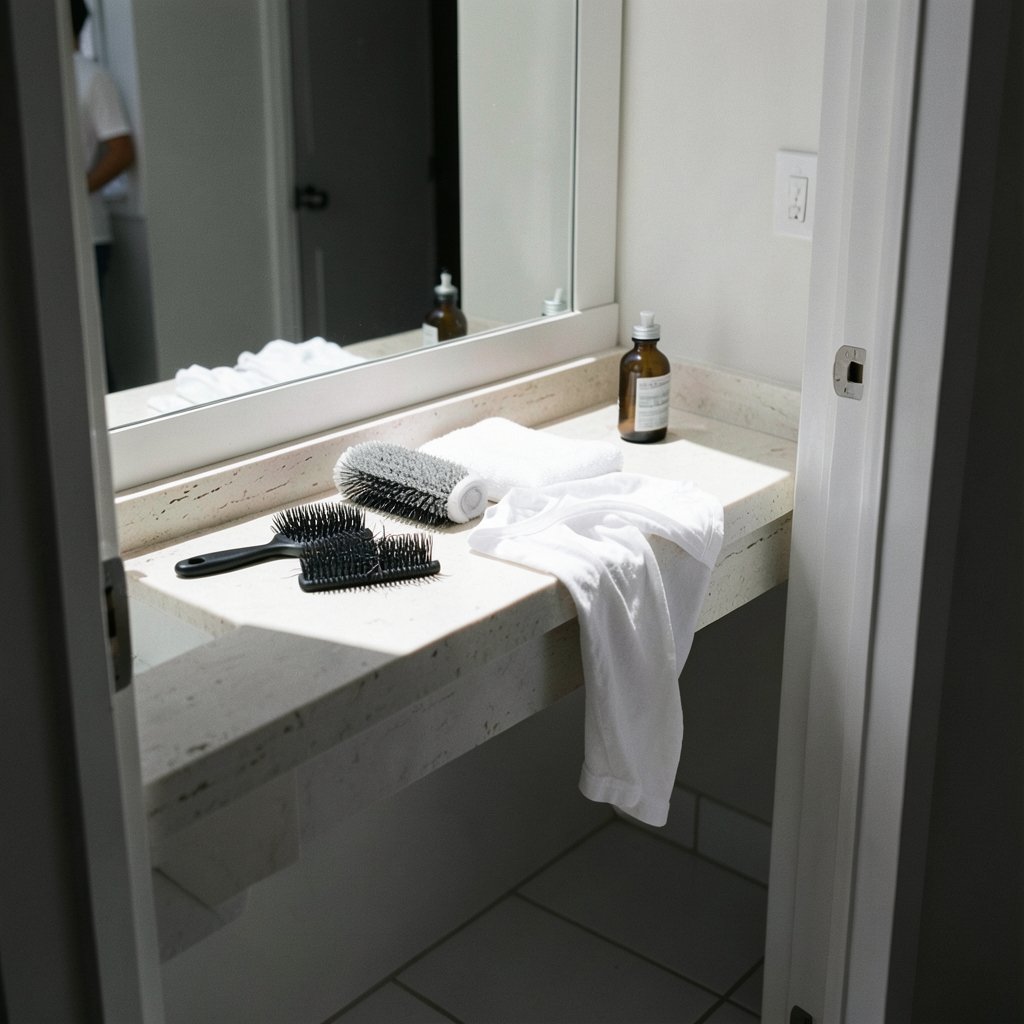
Ever caught your reflection on a humid morning and wondered who plugged your hair into a wall socket? You’re not alone. Frizz is one of the most common hair complaints in the world, and it spares almost no one — straight, wavy, curly, fine, or thick. The good news is that frizz isn’t random chaos. It follows rules. Once you understand those rules, you can work with your hair instead of fighting it every single morning.
This guide walks through what actually causes frizz, the everyday habits that make it worse, and a step-by-step routine that delivers smoother hair without requiring a salon budget. Expect practical fixes, a few myth-busting moments, and realistic expectations about what products can and cannot do.
What Actually Causes Frizzy Hair?
Frizz is mostly a moisture problem. Healthy hair has a smooth outer layer called the cuticle, made of overlapping scales that lie flat like roof shingles. When that layer is damaged or lifted, the inner fibers of the hair can absorb moisture from the air unevenly. The strand swells, the scales catch on each other, and individual hairs lift away from the group. That’s the halo you see in the mirror.
Humidity is the classic trigger. On damp days, dry or porous hair pulls water vapor out of the air faster than smooth hair does, which is why frizz often peaks right before rain. But there’s a second, opposite trigger: static electricity. In cold, dry air, strands repel each other and float away. So the same head of hair can frizz in a steamy bathroom and again in a heated car. Both versions look similar; the causes are completely different. (Frizzy hair: causes and remedies)
Texture matters too. Curly and wavy hair is structurally more prone to frizz because the cuticle scales sit slightly open along the curve of each strand, making moisture uptake easier. That’s not a flaw — it’s just geometry, and it explains why curl-specific routines lean so heavily on moisture and gentle handling.
The Everyday Habits That Quietly Make Frizz Worse
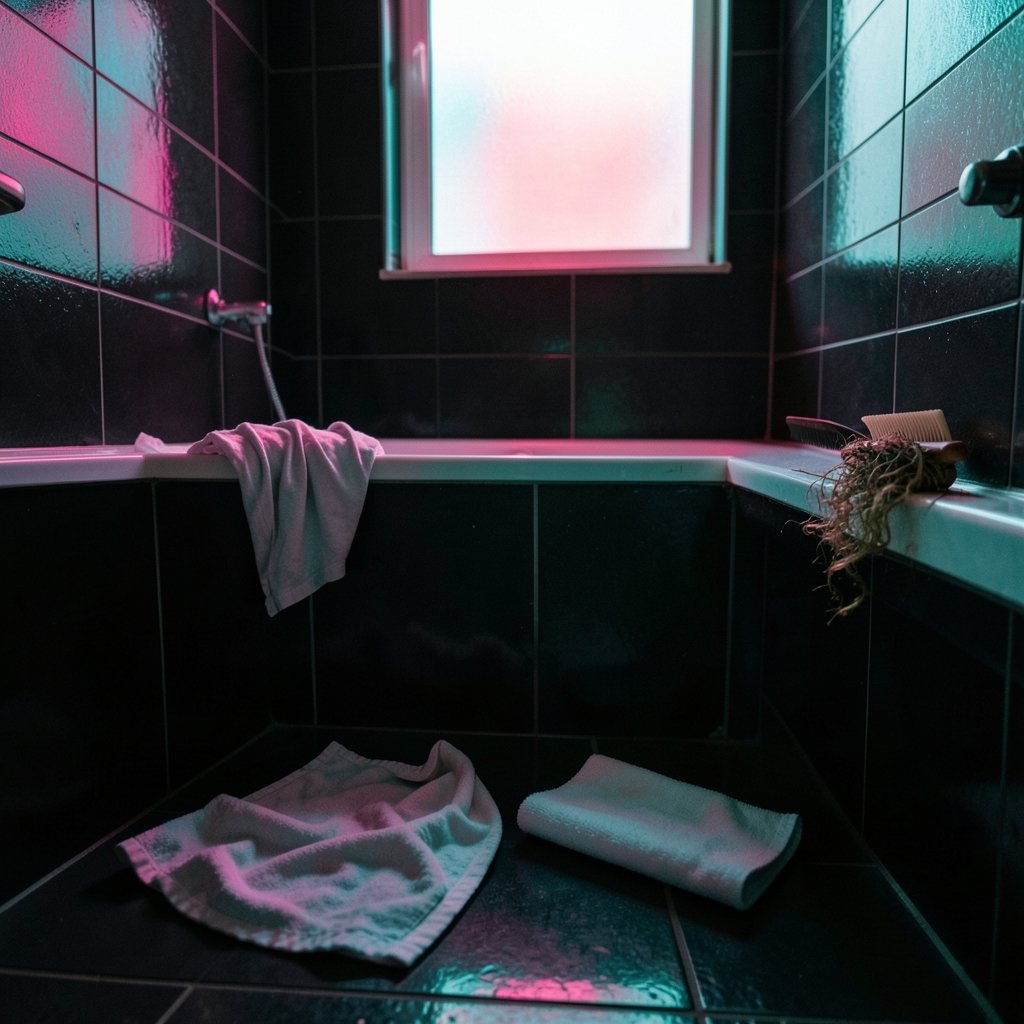
Before buying another serum, look at what’s already happening to your hair. Most frizz is maintained by a handful of habits that seem harmless.
Rough towel drying. Rubbing wet hair with a terry towel drags strands across each other and roughs up the cuticle while the hair is at its most fragile. Switching to blotting with a microfiber towel or a plain cotton T-shirt is one of the cheapest fixes available.
Brushing dry, curly hair. Running a brush through dry waves or curls separates the strands that naturally clump together, and the result is instant halo. Detangling in the shower with conditioner, using fingers or a wide-tooth comb, works far better.
Very hot water and high heat styling. Hot water lifts the cuticle, and a hot flat iron applied to damp or unprotected hair can cause small bubbles inside the strand. Heat damage builds up quietly over months.
Over-washing. Shampooing daily, especially with strong detergents, strips the natural oils that help keep the cuticle smooth. Most people don’t need to wash every day; every two to three days suits many hair types.
Cotton pillowcases. The friction of tossing and turning on cotton roughens hair overnight. Silk or satin pillowcases are widely recommended, though the supporting evidence is mostly consumer-reported rather than from controlled studies — treat it as a plausible upgrade, not a guaranteed cure.
Build a Frizz-Fighting Wash Routine
The foundation of smooth hair is a wash routine that cleans without stripping. Here’s a sequence that works for most hair types.
- Pre-detangle before water. Gently comb dry hair with a wide-tooth comb before showering to reduce breakage later.
- Use lukewarm water. Warm enough to clean, not hot enough to steam up the mirror.
- Shampoo the scalp, not the lengths. Concentrate the lather at the roots and let it rinse through the ends.
- Condition generously from mid-length to ends. Leave it on for two to three minutes so the conditioning agents can coat the strand.
- Detangle with conditioner in. Use fingers or a wide-tooth comb while the conditioner is still working.
- Rinse with cooler water. A final cool rinse helps the cuticle lie flatter.
- Blot, don’t rub. Press the towel or T-shirt against the hair to absorb water.
Conditioners work because positively charged conditioning agents adsorb onto the negatively charged surface of hair, smoothing the cuticle and reducing friction and static. That’s the mechanism behind almost every “anti-frizz” claim on a bottle. If you want to go deeper into the science of how hair structure and moisture interact, the standard reference is Robbins’ textbook on the chemical and physical behavior of human hair.
One ongoing debate worth flagging honestly: sulfate-free versus sulfate shampoos. Many people with dry or curly hair report less frizz with sulfate-free formulas, but the evidence is largely anecdotal and product-formulation based rather than from controlled trials. If conventional shampoo leaves your hair squeaky and rough, try a gentler formula for a month and judge for yourself.
Drying and Styling Without Creating Frizz
How you dry your hair matters as much as what you wash it with. The goal is to disturb the cuticle as little as possible.
Air drying is the gentlest option. If you’re in a hurry, a microfiber towel or cotton T-shirt can absorb a surprising amount of water before you ever plug in a dryer.
If you use a hairdryer, keep it on medium heat and medium speed, hold it at least six inches from the hair, and point the airflow down the length of the strand, from root to tip. That direction follows the cuticle scales instead of lifting them. Attaching a concentrator nozzle helps focus the air.
For straight and wavy hair, a small amount of leave-in conditioner or a lightweight serum applied to damp hair, mid-length to ends, smooths the surface before drying. For curly hair, apply a leave-in and a gel or cream to soaking-wet hair, then scrunch upward and leave it alone while it dries. Touching curls while they dry is the number one cause of self-inflicted frizz.
Heat tools deserve respect. Always use a heat protectant, keep flat irons and curling wands on the lowest effective setting, and never glide a hot tool over damp hair. If you use heat regularly, a weekly deep-conditioning mask helps offset cumulative wear. The U.S. Food and Drug Administration regulates hair-smoothing products that release formaldehyde and has issued warnings about them. Aggressive chemical straightening carries health risks that extend beyond hair.
There’s a parallel worth noting here: many everyday frustrations, from a coffee maker that overflows its filter basket to a phone that suddenly misbehaves, come down to small maintenance details people skip. Hair is no different. If your phone starts acting up mid-routine, here’s how to boot Android in safe mode to fix crashing apps so your morning playlist keeps running.
Products That Help and What They Can’t Do
The hair-care aisle is crowded with promises. Here’s a realistic breakdown.
| Product type | What it does | Best for |
|---|---|---|
| Conditioner (rinse-out) | Smooths cuticle, reduces friction | Everyone, every wash |
| Leave-in conditioner | Adds moisture and slip through the day | Dry, thick, curly hair |
| Anti-humidity serum | Forms a light film that slows moisture exchange | Humid climates, straight styles |
| Hair oil (applied to ends) | Adds shine, tames flyaways, reduces friction | Dry or coarse ends |
| Deep-conditioning mask | Temporary repair of rough, porous hair | Weekly maintenance for damaged hair |
| Heat protectant | Reduces heat damage during styling | Anyone using dryers or irons |
What no product can do is permanently repair a split end. Once the fiber splits, only a trim removes it. Products can smooth over the damage for a day, but the split will travel up the strand if ignored. Getting a trim every eight to twelve weeks keeps the ends healthier and makes everything else work better.
A note on application: less is more. Many people apply serum or oil to soaking-wet hair, where it dilutes and slides off, or to bone-dry hair, where it sits on top and looks greasy. The sweet spot is damp, towel-blotted hair, applied from mid-length to ends and kept away from the roots.
Overnight and Seasonal Fixes
Frizz doesn’t clock out at bedtime. A few small changes protect the work you did during the day.
- Loosely braid or bun long hair before bed to reduce tangling and friction.
- Silk or satin pillowcases reduce friction, though the evidence is largely anecdotal.
- A satin scarf or bonnet keeps curls clumped and protected overnight.
- A humidifier in winter helps with static-driven flyaways, which are the opposite problem from humidity frizz.
Seasonal switches help too. In summer, lean on anti-humidity styling and lighter layers of product. In winter, focus on moisture: richer conditioners, a weekly mask, and a humidifier to counter indoor heating. If you’re troubleshooting other household tech issues while you’re at it, this guide to fixing a smart bulb that buzzes when dimmed covers a surprisingly similar principle — the fix usually lies in the environment, not the product.
When to See a Professional
If frizz appeared suddenly alongside hair loss, breakage, or scalp irritation, it’s worth seeing a dermatologist. Sudden texture changes can signal thyroid issues, nutritional deficiencies, or scalp conditions that no conditioner will fix. Similarly, if chemical straightening or bleaching left your hair gummy when wet, a professional assessment can prevent further damage.
For most people, though, frizz is a manageable cosmetic issue. Patience matters: cuticle damage repairs slowly, and a new routine needs four to six weeks before you can fairly judge it. If your phone’s 2FA codes keep failing while you’re scheduling appointments, this guide on fixing TOTP clock drift and failing 2FA codes might save you a headache, and if your games lag during video calls, the same site explains how to fix packet loss in games with practical troubleshooting.
Conclusion
Frizzy hair isn’t a personal failing or a mystery — it’s the predictable result of how hair interacts with moisture, friction, and heat. The fix isn’t one miracle product. It’s a stack of small, consistent habits: gentler washing, smarter drying, honest heat use, regular trims, and products matched to your texture. Start with the cheapest changes first — the T-shirt instead of the towel, the wide-tooth comb instead of the brush, the cooler rinse. Give the routine a month, then adjust. Smooth, cooperative hair is far more achievable than the marketing aisle suggests.
Frequently Asked Questions
Why is my hair frizzy even when it’s not humid?
Dry air and static are the usual culprits. When indoor heating strips moisture from the air, strands pick up static charge and repel each other, creating flyaways. Friction from cotton bedding and hats makes it worse. A humidifier, leave-in conditioner, and silk pillowcases all help.
Does cutting my hair stop frizz?
A trim removes split ends and rough, weathered tips, which makes hair look smoother and reduces tangling. It won’t change how your hair behaves at the root, but regular trims every eight to twelve weeks keep the ends healthier and make styling products work better.
Is frizzy hair a sign of damage?
Not always. Curly and wavy hair is naturally more prone to frizz because of how the cuticle sits along the curve of each strand. However, sudden increases in frizz, especially with roughness or gummy texture when wet, often point to heat or chemical damage.
Do anti-frizz products really work?
They work temporarily by smoothing the cuticle and slowing moisture exchange, which is why they need reapplying. They can’t repair split ends or permanently change hair structure. Used on damp hair and applied sparingly, they make a visible difference for a day or until the next wash.
How often should I wash frizzy hair?
Most people do well washing every two to three days. Daily shampooing with strong detergents can strip oils and lift the cuticle, which increases frizz. If you exercise daily, a water rinse or a gentle co-wash between full washes is often enough.
Can I fix frizz without heat styling?
Yes. Air drying, blotting with a microfiber towel, and applying leave-in conditioner to damp hair handle most frizz without any heat. For curls, apply product to soaking-wet hair and avoid touching it while it dries. A loose braid overnight also helps keep hair smooth.