

What do a movie hustler, a rapper’s alter ego, and a police warning label have in common? They all answer to “Money Mike.” The nickname is one of those flexible American monikers that attaches itself to whoever is chasing cash in the public eye. Depending on where you heard it, Money Mike is a comedy character, a music persona, a cautionary tale in a fraud bulletin, or simply the friend who always knows where the deals are. This article untangles the main meanings, explains why the name carries a whiff of risk, and shows what readers can actually learn from the people and characters who wear it.
Where the Name Comes From
The nickname follows a simple formula: a trait plus a first name. “Money” signals that cash is the defining feature of the person, and “Mike” is one of the most common male names in English. Put them together and you get a label that is instantly understandable, slightly boastful, and easy to remember.
That structure shows up across American culture. Nicknames built from a noun and a common name have long been used in sports, music, and street culture to signal reputation. A person called Money Mike is telling you, before anything else, that he is about money. Whether that is a compliment or a red flag depends entirely on context.
Money Mike in Pop Culture
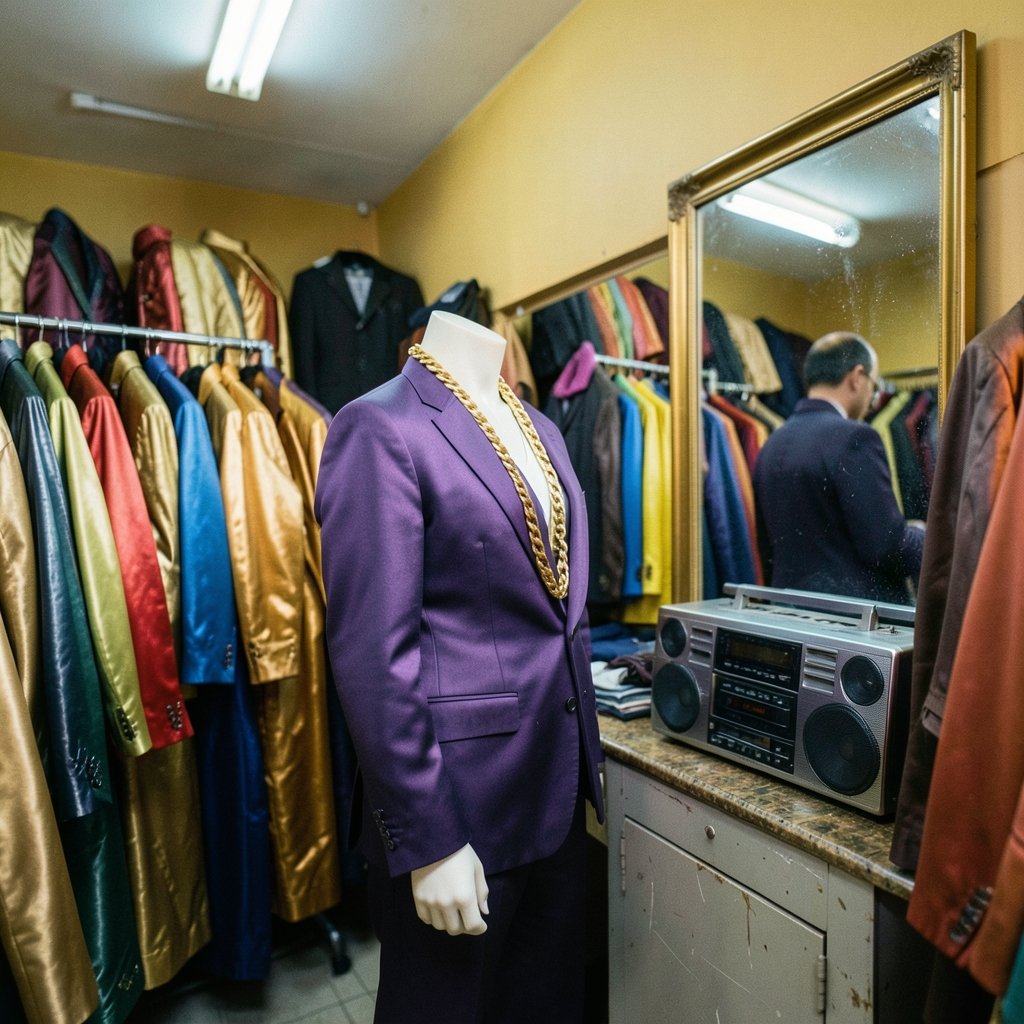
The most famous fictional Money Mike appears in the 2004 comedy Friday After Next, part of the Friday film series. Played by Katt Williams, the character runs a small clothing store and presents himself as a sharp-dressed ladies’ man with a gift for sales talk. He is funny, fast-talking, and completely convinced of his own charm. The performance became a breakout role for Williams and turned “Money Mike” into a recognizable pop-culture reference for a certain kind of confident hustler.
In music, the nickname has been adopted as a stage name or alter ego by several rappers and producers. This is common practice in hip-hop, where a second name often marks a different style, a business persona, or a creative side project. The music version of Money Mike usually leans into bragging about wealth, which is exactly what the nickname promises.
Why the Nickname Carries a Warning
Outside entertainment, “Money Mike” shows up in a less flattering place: fraud awareness material. Police departments and consumer protection agencies have used the name as a stand-in for a scammer or a money mule, the person who moves stolen funds between accounts. It is an easy shorthand because it sounds friendly and trustworthy, which is precisely the mask a fraudster wears.
The pattern behind these warnings is consistent. Someone offers easy money for a simple favor, like receiving a transfer and passing it along, or cashing a check and keeping a cut. The offer feels harmless. It is not. Moving money you did not earn, especially money from strangers, can make you a participant in a crime even if you never planned one. Understanding how these schemes are structured helps, and a closer look at why gift card scam victims rarely get their money back shows how fast the trail goes cold once funds change hands. (Money laundering)
The same logic applies to any scheme that promises quick returns for little effort. The person selling it is almost always the one who profits, and the person buying in is the one left holding the loss. That is the real lesson hidden inside the nickname.
The Real Cost of “Easy Money” Promises
Fraud is not a minor annoyance. It is a large and growing business, and the losses are measured in billions of dollars every year across card fraud, identity theft, and online scams. For individuals, the damage is often more than the money taken. Recovery takes time, credit can be damaged, and the emotional toll of being tricked lingers. (DOJ Criminal Division: fraud section)
For businesses, the stakes climb higher. Identity-related attacks are among the most expensive categories of cybercrime, partly because they involve cleanup across many systems and teams. A breakdown of where the money really goes in identity threat detection makes clear that the headline loss is only part of the bill. The same is true for intelligence work that tries to spot threats before they land, which is why analysts track what threat intelligence actually costs in 2025 rather than treating it as a free add-on.
The common thread is simple. Any promise of easy money has a cost somewhere, and the person being recruited is usually the one who pays it.
How to Spot a Money Mike Offer
Practical experience from fraud prevention points to a handful of signals that show up again and again. None of them are subtle once you know what to look for.
- The offer arrives unsolicited, often by text, social media message, or a dating app.
- The work is vague. You are told you will “process payments” or “receive funds” without a real job description.
- The pay is outsized for the effort, sometimes hundreds of dollars for minutes of work.
- You are asked to use your own bank account or to open a new one in your name.
- There is urgency. You must act now, before you have time to ask questions.
- Communication shifts to a private channel, like a messaging app, where there is no record.
If two or more of these appear, the safest move is to stop and verify independently. Call the organization directly using a number you looked up yourself, not one provided by the person making the offer. Never forward money for a stranger, and never let someone else use your account.
| Situation | Looks Like | Reality |
|---|---|---|
| “Receive a transfer and keep 10%” | Easy side income | You are a money mule in a laundering chain |
| “Cash this check and wire the rest” | A favor for a friend | The check is fake and the loss lands on you |
| “Invest in this guaranteed crypto plan” | High returns, low risk | A Ponzi-style scheme that pays early joiners with new money |
| “Buy gift cards to unlock your refund” | A helpful support agent | A one-way transfer with no chargeback |
What the Name Teaches About Money Psychology
There is a reason the nickname sticks. It captures a real human instinct: the belief that money is mostly about access, confidence, and being in the right room. That belief is not entirely wrong. Networking matters, sales skills matter, and self-promotion can open doors. But it becomes dangerous when it replaces patience and verification.
Behavioral research on financial decisions has repeatedly shown that people overestimate their ability to spot a scam and underestimate how persuasive a well-crafted pitch can be. Scammers exploit this by building trust first and asking for money second. The Money Mike archetype, charming and generous on the surface, is a near-perfect description of that playbook.
The healthier version of the nickname is the one rooted in real work. People who earn the label through legitimate business usually have something unglamorous behind it: years of saving, a skill they practiced, or a small operation run carefully. The flashy version rarely survives contact with an audit.
Money Mike and New Forms of Money
The nickname has picked up fresh relevance as money itself changes shape. Digital payments, mobile wallets, and new forms of currency have made transfers faster and, in some ways, harder to reverse. That speed is a gift to legitimate users and a tool for anyone running a scam.
Central banks around the world are studying digital versions of their currencies, and the debate over privacy, control, and access is still unsettled. A plain-language overview of how CBDC digital currency works explains the basics without the hype. For ordinary people, the practical takeaway is unchanged. New payment rails do not create free money, and anyone claiming otherwise is selling something.
Artificial intelligence has added another layer. Automated tools can now write convincing messages, clone voices, and generate fake profiles at scale. That makes the old advice, slow down and verify, more important than ever. A realistic guide to using AI business automation without wasting money shows where the technology genuinely helps and where it is mostly noise.
If You Have Already Been Targeted
Being fooled is not a character flaw. Fraudsters are professionals, and they practice. What matters is what happens next.
First, stop all contact and do not send more money, even if you are told a refund depends on it. Second, contact your bank immediately and explain what happened. Speed matters because transfers can sometimes be frozen before they are withdrawn. Third, change passwords on any account you shared or that was accessed, and enable two-factor authentication everywhere it is offered. Fourth, report the incident to the relevant consumer protection or cybercrime authority in your country. Reports help investigators connect cases and warn others.
Keep records. Screenshots, message logs, and transaction numbers all help. Do not delete the conversation in anger, because it is evidence.
Building Real Financial Skill Instead of Chasing Nicknames
The most durable response to the Money Mike myth is competence. That means learning how money actually behaves over time.
Start with a budget you can keep. Track what comes in and what goes out for a month before changing anything. Build a small emergency fund before chasing returns. Pay down high-interest debt, because a guaranteed saving on interest beats a speculative gain almost every time. Learn the difference between investing and gambling, and treat anyone who blurs that line with suspicion.
For people curious about the legitimate side of earning with new tools, there are honest paths. Learning a marketable skill, freelancing, or building a small product all take time but produce income that does not vanish when a scheme collapses. A grounded look at how to make money with AI covers realistic options and the effort each one requires. The same discipline applies to understanding the business side of the technology, which is why questions about how AI companies make money matter for anyone evaluating a pitch.
Conclusion
Money Mike is many things at once: a scene-stealing comedy character, a music persona, and a shorthand for the fast-money offers that flood inboxes and group chats. The nickname endures because it names something real about how people talk about wealth, with a mix of admiration and suspicion. The useful lesson sits in that suspicion. Anyone promising easy money is asking you to skip the questions that protect you. Ask them anyway. Verify the person, question the timeline, and remember that legitimate opportunity rarely needs you to act in the next ten minutes.
Frequently Asked Questions
Who is Money Mike in Friday After Next?
Money Mike is a character played by Katt Williams in the 2004 comedy Friday After Next. He runs a clothing store, dresses sharply, and talks with relentless confidence. The role became one of Williams’s best-known performances and helped make the nickname a pop-culture reference.
Is Money Mike a real person?
No single real person owns the name. It is a nickname used by several entertainers as a stage name or alter ego, and it also appears in fraud awareness material as a generic stand-in for a scammer or money mule.
What is a money mule?
A money mule is someone who moves money obtained through fraud on behalf of others, often without fully understanding the crime. Recruiters target people who need cash, promising easy pay for receiving and forwarding transfers. Acting as a mule can lead to criminal charges and a frozen bank account.
Why do scammers use friendly names like Money Mike?
Friendly, familiar names lower suspicion. A name that sounds like a nickname from your neighborhood feels safer than an official-sounding company name. Scammers rely on that comfort to move quickly past the questions that would otherwise stop the transaction.
How can I check whether a money-making offer is legitimate?
Slow down and verify independently. Look up the organization using a source you trust, confirm the contact details yourself, and ask for the offer in writing. Be wary of vague job duties, requests to use your own bank account, and pressure to act immediately.
What should I do if I think I have been scammed?
Stop contact with the other party, contact your bank right away, and secure your accounts with new passwords and two-factor authentication. Report the incident to your local consumer protection or cybercrime authority and keep copies of all messages and transaction records.



