
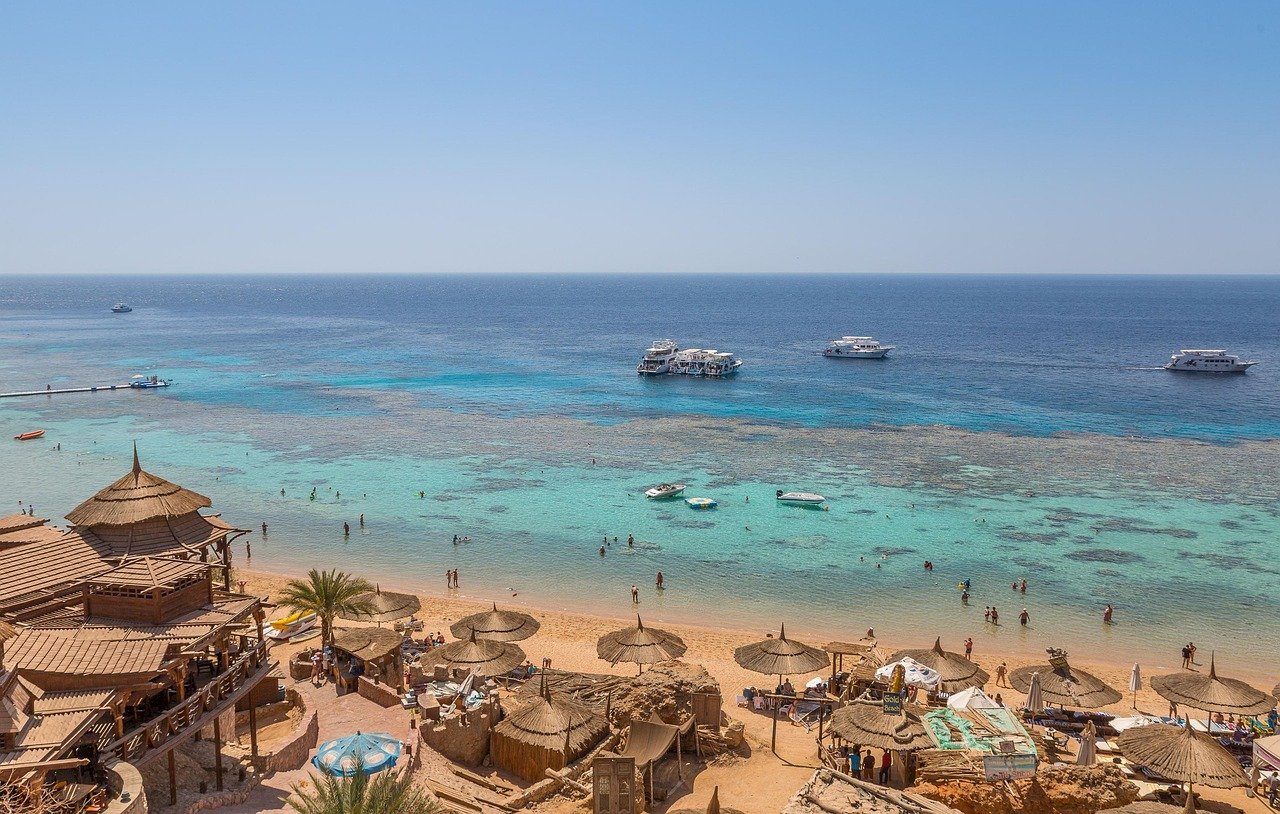
What if you could float weightless over a coral city teeming with fish, sea turtles, and rays, all without strapping on a scuba tank? That is the quiet magic of snorkeling. You stay on the surface, breathe through a tube, and let the ocean do the entertaining. But not every coastline rewards the effort. Some spots have bleached, empty reefs. Others have currents that turn a lazy float into a workout. The best places to snorkel combine clear water, healthy coral, easy access, and sensible safety. (Snorkeling)
This guide covers the destinations that consistently earn their reputation, plus the practical details that separate a great snorkel day from a frustrating one. It also covers the mistakes that trip up beginners and the rules that keep reefs alive for the next visitor.
What Makes a Snorkel Spot Genuinely Great
Before naming places, it helps to know the criteria. A world-class snorkel site usually checks several boxes:
- Calm, sheltered water. Bays and lagoons beat open coastlines for beginners.
- Good visibility. Clear water lets sunlight reach coral, which keeps it healthy and photogenic.
- Shallow reefs. Snorkelers see more in 3 to 10 meters of water than in deep drop-offs.
- Protected status. Marine protected areas tend to have more fish and healthier coral than fished areas.
- Reasonable access. A site you can reach from shore or a short boat ride is one you will actually visit.
The concept of the marine protected area matters more than most travelers realize. The International Union for Conservation of Nature explains how protected areas are categorized and managed, and many top snorkel sites sit inside zones where fishing is limited or banned. That protection is often why the fish are there at all.
The Great Barrier Reef, Australia
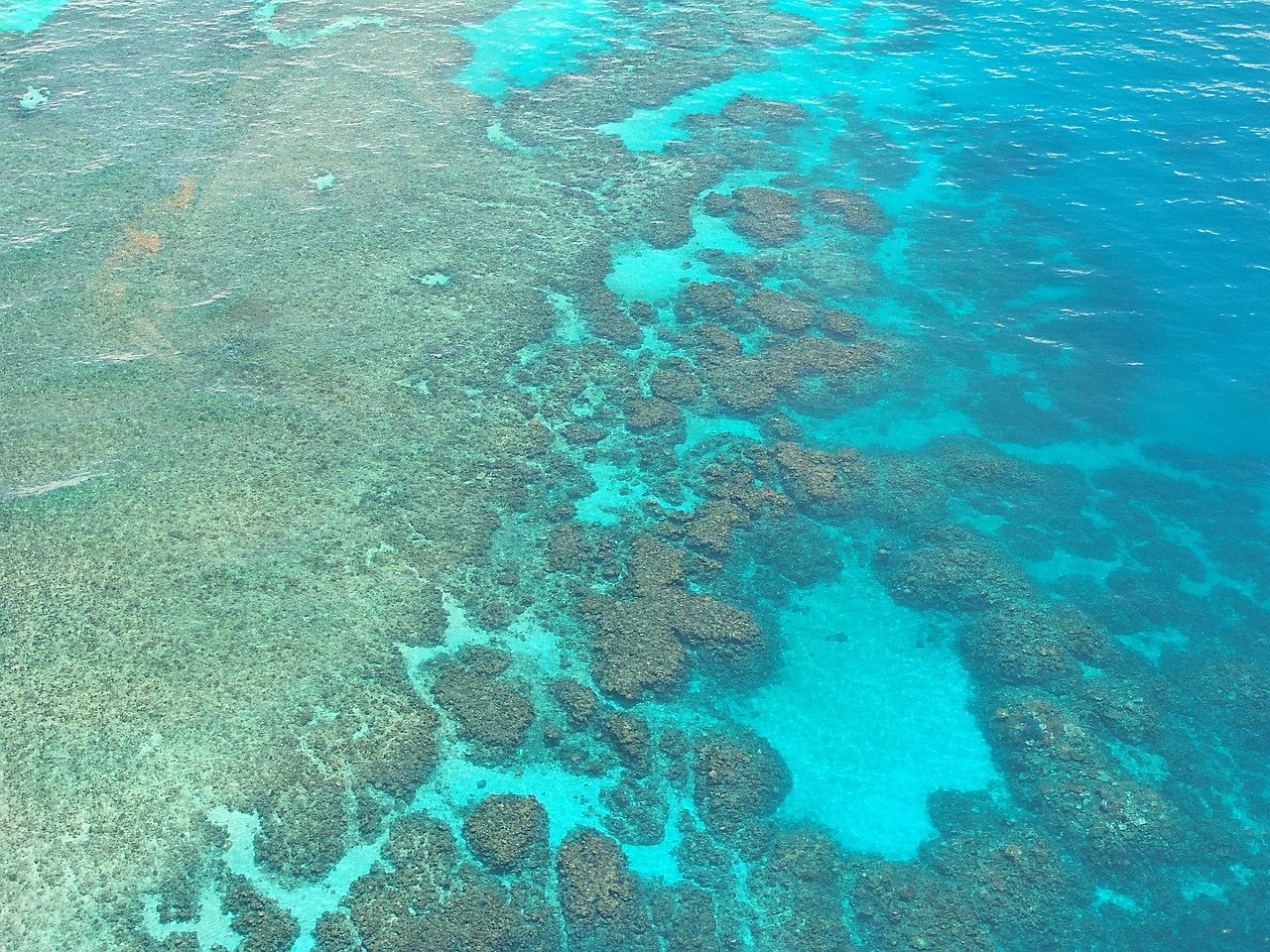
No list is complete without it. The Great Barrier Reef is the world’s largest coral reef system, and it earned UNESCO World Heritage status back in 1981. Snorkelers typically access it from Cairns, Port Douglas, or the Whitsunday Islands, often on day boats that moor at outer reef sites.
Here is the honest part. Reef health varies enormously by location and season. Some sections have suffered serious bleaching in warm years, while others remain vibrant. Choosing an operator that visits outer reef sites, limits group size, and follows zoning rules makes a real difference. Check current marine park zoning before you book, and pick a tour that explains its environmental practices rather than one that just promises “the best reef.”
Palau: A Small Nation With Big Ocean Ethics
Palau punches far above its weight. This Micronesian archipelago established the world’s first shark sanctuary in 2009, and in 2018 it introduced the Palau Pledge, a mandatory commitment stamped into visitors’ passports that asks travelers to act responsibly toward the environment and culture.
For snorkelers, Palau offers sheltered lagoons, coral gardens, and drop-offs alive with fish. Jellyfish Lake is the famous curiosity, but its jellyfish populations have fluctuated sharply over the years and access has been restricted at times. Treat any current claim about the lake as something to confirm locally rather than assume.
The Galápagos Islands, Ecuador
Where else can you snorkel beside a marine iguana or have a sea lion barrel past your mask? The Galápagos became a national park in 1959 and a UNESCO World Heritage site in 1978. Visitor numbers and landing sites are tightly regulated, which keeps the experience controlled and the wildlife relatively unbothered.
Snorkeling here is often part of a guided tour, and that structure is a feature, not a bug. Guides know which sites suit beginners and which demand confidence in cooler, choppier water. Bring a wetsuit layer; the Humboldt-influenced currents are colder than the equatorial location suggests.
Raja Ampat, Indonesia
Sitting inside the Coral Triangle, Raja Ampat is widely cited as having the highest recorded marine biodiversity of any comparable area on Earth. A network of marine protected areas has grown since 2007, and local communities play a real role in managing them.
The catch is logistics. Getting there takes time and money, and the best sites are spread across islands. Snorkelers who plan a liveaboard or a homestay-based trip see far more than day-trippers. If you are building a longer trip around diving and snorkeling, pairing Raja Ampat with other destinations rewards careful planning, much like the choices covered in this guide to the best places to study abroad for travelers who want to base themselves somewhere for months rather than days.
The Maldives: House Reefs and Shark Sanctuaries
The Maldives declared a shark sanctuary in 2010 and banned certain fishing gear, which helps explain why reef sharks and rays are common sights. Snorkeling is widespread, and many resorts maintain house reefs just off the beach.
A word of caution: reef quality varies dramatically between islands. Some house reefs are spectacular; others are rubble. Ask for recent photos and reviews rather than trusting marketing shots. Independent travelers on local islands can also snorkel, often at lower cost, though access to certain reefs may require a guide.
The Red Sea, Egypt
Ras Mohammed, at the southern tip of the Sinai Peninsula, was declared Egypt’s first marine national park in 1983. Coral reefs are accessible from shore at several sites, and the water is warm and clear for much of the year.
The practical caveat is regional security. Travel advisories change, so check your own government’s travel advice before booking. When conditions are stable, the Red Sea delivers some of the most accessible shore snorkeling in the world, with steep coral walls close to the beach.
Hawaii: Hanauma Bay and Beyond
Hanauma Bay on Oahu is a protected marine life conservation district and one of the most famous snorkel spots in the United States. Entry rules have changed repeatedly in recent years, including reservation systems and closure days, so confirm the current setup before you go.
Hawaii also offers a useful lesson in reef-safe behavior. The state banned the sale of sunscreens containing oxybenzone and octinoxate effective January 1, 2021, because those chemicals harm coral. If you snorkel anywhere, choosing a mineral-based sunscreen is a small habit with outsized impact.
How the Top Destinations Compare
| Destination | Best for | Access | Main caveat |
|---|---|---|---|
| Great Barrier Reef, Australia | Variety and scale | Boat tours | Variable reef health |
| Palau | Lagoons and coral gardens | Boat and shore | Some sites restricted |
| Galápagos, Ecuador | Wildlife encounters | Guided tours | Cold water, tight rules |
| Raja Ampat, Indonesia | Biodiversity | Liveaboard or homestay | Remote and costly |
| Maldives | House reefs and rays | Resort or local island | Uneven reef quality |
| Red Sea, Egypt | Shore access | Beach entry | Security advisories |
| Hanauma Bay, Hawaii | Beginner-friendly | Reservations | Changing entry rules |
Practical Tips That Actually Work
First-hand experience from frequent snorkelers tends to converge on a few points.
Practice your gear before the trip. A mask that leaks ruins a whole day. Test the seal at home by pressing it gently to your face and inhaling through your nose without the strap. If it holds, it fits.
Learn to clear your snorkel. Water gets in. The fix is a short, sharp puff of air, not panic. Practice in a pool or shallow water first.
Float, do not fight. Snorkeling is a lazy sport. Keep your arms still, breathe slowly, and let your fins do the work. People who thrash around tire out in minutes.
Watch the current. Ask locals or the boat crew which direction the water moves. Drift snorkeling is wonderful when you plan for it and alarming when you do not.
Never touch the coral. It is alive, it is fragile, and contact can kill polyps that took decades to grow. Keep a body-length of distance, even when a wave pushes you.
Go early. Fish are more active and crowds are thinner in the morning. Water is also calmer before afternoon winds pick up.
Common Mistakes Beginners Make
The most frequent errors are predictable.
- Standing on coral. It looks like rock. It is not.
- Chasing wildlife. Following a turtle until it flees stresses the animal.
- Skipping the buddy system. Snorkel alone and a cramp becomes an emergency.
- Ignoring the weather. Wind and swell turn clear water murky and calm bays choppy.
- Buying cheap gear. A leaky mask and stiff fins make a beautiful reef feel like a chore.
Safety deserves its own mention. Snorkeling fatalities are frequently linked to pre-existing cardiac conditions and inexperienced swimmers, according to safety research published by organizations that track diving incidents. If you have heart concerns, get checked before you go. And if you are a strong swimmer who loves the water, you may find yourself drawn to other adventures too, from the best places to fly drones over coastlines to the best places for hot springs after a long day in the sea. (Healthy swimming and water safety (CDC))
Snorkeling Responsibly
The best snorkel spots stay that way because visitors behave. Practical rules:
- Use reef-safe, mineral-based sunscreen.
- Never stand on or touch coral.
- Keep a respectful distance from all marine life.
- Do not feed fish.
- Follow marine park zoning and no-take rules.
- Take your trash back to shore, including any you find.
These habits go beyond etiquette. They determine whether a reef survives or bleaches into a gray graveyard.
When to Go and How to Choose
Timing matters as much as location. Many tropical destinations have wet and dry seasons, and runoff can cloud the water. Coral bleaching tends to peak in unusually warm years, so checking recent reports before booking is smart. If you are weighing a longer trip and want a destination that rewards a slower pace, the same logic that applies to choosing a best place to study applies here: match the place to your goals, budget, and tolerance for logistics.
If you want variety, combine a beginner-friendly shore site with one boat trip to a more remote reef. That mix gives you confidence early and spectacle later.
Conclusion
The best places to snorkel are not simply the most famous ones. They are the spots where clear water, healthy coral, easy access, and sensible rules line up. The Great Barrier Reef delivers scale, Palau delivers ethics and lagoons, the Galápagos delivers wildlife, Raja Ampat delivers biodiversity, the Maldives delivers house reefs, the Red Sea delivers shore access, and Hanauma Bay delivers a gentle introduction.
Pick one that matches your comfort level. Practice your gear, respect the reef, and go early. Then float, breathe, and let the ocean put on the show. That is the whole point.
Frequently Asked Questions
What is the best place to snorkel for beginners?
Hanauma Bay in Hawaii and sheltered lagoon sites in Palau are strong choices because the water is calm and the reefs are shallow. Any protected bay with easy beach access and a lifeguard presence is a good starting point.
Do I need to know how to swim to snorkel?
Basic swimming ability is strongly recommended. Snorkeling happens on the surface, but confidence in the water matters if a mask fills or a current picks up. Beginners should practice in a pool first.
Is snorkeling expensive?
It can be very cheap. Shore snorkeling requires only a mask, snorkel, and fins. Boat tours cost more, and remote destinations like Raja Ampat involve significant travel expenses.
What should I wear while snorkeling?
A swimsuit plus a rash guard offers sun protection without sunscreen on your back. In cooler water, add a thin wetsuit. Avoid dangling jewelry that can snag on coral.
How do I protect coral while snorkeling?
Never touch or stand on coral, use mineral-based sunscreen, keep your distance from wildlife, and follow all marine park rules. Small habits protect reefs for decades.
Can I snorkel in cold water?
Yes, with the right gear. A wetsuit of 3mm to 7mm, depending on temperature, makes cold-water snorkeling comfortable. The Galápagos is a good example of a destination where a wetsuit is essential.



