
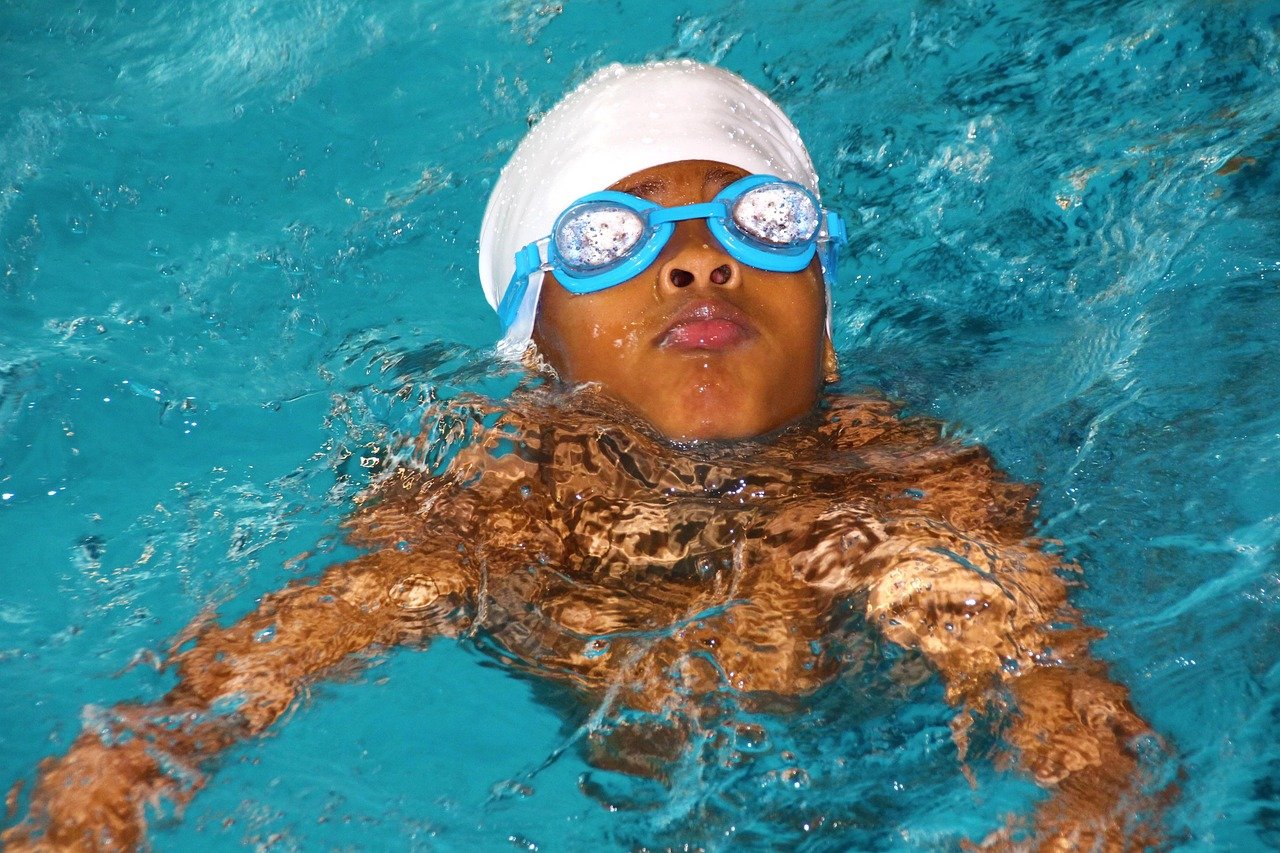
Can a few hours of pool time a week really change whether a child survives a fall into deep water? That question sits behind every enrolment form, every parent standing at the poolside with a towel, and every adult who never learned to swim and quietly avoids the sea. The answer is more interesting than a simple yes. Swimming lessons help, but how much they help depends on who is teaching, what is being taught, how old the learner is, and what happens outside the lesson.
What swimming lessons actually teach
A good lesson is about more than moving through water. Modern programmes bundle three things together: water competence, stroke technique, and water safety knowledge. Water competence covers the unglamorous basics that save lives, such as floating, treading water, rolling from face-down to face-up, and finding a safe exit. Stroke technique is the front crawl, backstroke, breaststroke and butterfly most people picture. Water safety knowledge is the part that rarely gets headlines: reading currents, understanding cold shock, recognising a rip, and knowing that shouting for help is a skill in itself.
In England, this combination is written into law for schools. Swimming and water safety form part of the national curriculum for physical education at key stage 2, for pupils aged 7 to 11, and the expected outcomes include swimming 25 metres, using a range of strokes, and performing safe self-rescue, as set out in the national curriculum programme of study for physical education. That last item is telling. Self-rescue is treated as a core outcome, not an optional extra.
Why the stakes are higher than most parents think
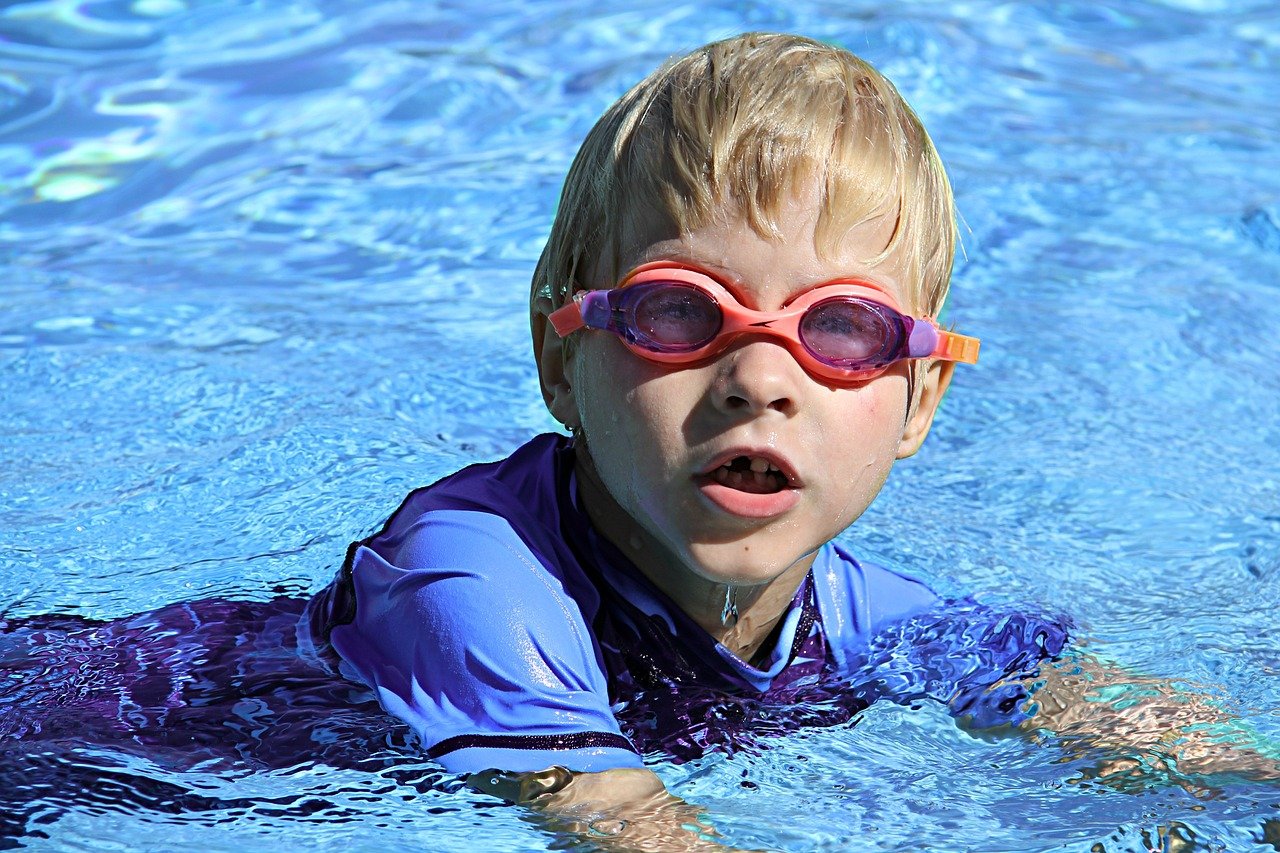
Drowning is not a rare curiosity. The World Health Organization estimated roughly 236,000 drowning deaths worldwide in 2019 and lists drowning among the leading causes of unintentional injury death. Its drowning fact sheet also names teaching school-age children basic swimming and water-safety skills as one of several evidence-based prevention measures, alongside supervision, barriers around water, and safe rescue training. (About Drowning)
Notice the wording: one of several measures. That framing matters, and it recurs throughout the official guidance.
What the evidence says about lessons reducing risk
This is where the topic gets genuinely contested, and where marketing language often outruns the science.
The most quoted statistic in swimming advocacy comes from a US case-control study by Brenner and colleagues, published in 2009, which found that formal swimming lessons were associated with an 88 percent reduction in drowning risk among children aged 1 to 4. You can read the original paper on the association between swimming lessons and drowning in childhood. It is a striking number. It is also a single observational study, which means it shows an association, not proof that lessons caused the reduction. Families who pay for lessons may differ from those who do not in income, supervision habits, and access to safe pools.
A systematic review of the evidence reached a more cautious conclusion. The Cochrane review of swimming lessons for preventing drowning found that lessons may reduce drowning risk in children but judged the available evidence to be limited and of low quality. That is not a reason to skip lessons. It is a reason to treat any single percentage as a headline rather than a guarantee.
The practical takeaway is simple: swimming lessons are a valuable layer of protection, not a substitute for supervision, fences, flotation aids used correctly, and adults who can swim themselves.
When should lessons start?
Parents ask this constantly, and the honest answer is that it depends on the goal.
| Age | What lessons typically look like | Main goal |
|---|---|---|
| Under 1 | Parent-and-baby water familiarisation, songs, gentle submersion | Comfort in water, carer confidence |
| 1 to 3 | Short, play-based sessions with a parent present | Floating, kicking, safe entry and exit |
| 4 to 6 | Small groups, first independent strokes | Basic propulsion, water safety rules |
| 7 to 11 | Structured stroke work and self-rescue | 25 metres, multiple strokes, safe self-rescue |
| Teens and adults | Beginner, improver or stroke-correction classes | Competence, confidence, open-water skills |
Pediatric guidance in the United States states that children can start formal swimming lessons from about age 1, while stressing that lessons reduce drowning risk but do not make a child drown-proof, as covered in the American Academy of Pediatrics policy statement on the prevention of drowning. The distinction is not bureaucratic hedging. A toddler who can paddle to the side of a pool after months of lessons can still drown in a garden pond, a bath, or a river with a current.
For adults, the starting age is simply “now.” Adult beginner classes are among the fastest-growing segments in many municipal programmes, and the reasons are rarely athletic. People want to join their children in the water, pass a swim test for a holiday, or stop feeling afraid on a boat.
Group lessons, private lessons, or DIY?
Each format has real trade-offs, and the right choice depends on the learner’s temperament as much as their age.
Group lessons are cheaper, build social confidence, and teach children to take turns and watch others. The downside is attention: in a class of eight, a nervous beginner may spend most of the session waiting. Private lessons accelerate progress for anxious learners or those with a specific goal, such as front crawl technique or open-water preparation, but cost more and remove the peer element some children need. Parent-led teaching works well for water familiarisation in the early years, provided the parent is genuinely comfortable in water and follows a structured progression rather than improvising.
A common mistake is switching formats too often. Children who bounce between group, private, and holiday-intensive courses rarely finish a progression. Pick a format, commit to a term, and review at the end.
How to choose a programme that is actually safe
Most countries have no single mandatory qualification for swim teachers, so parents have to do some homework. A few checks cut through the marketing:
- Ask what qualification the instructor holds and who awarded it. A recognised teaching certificate plus a current lifeguarding or rescue award is the baseline.
- Ask about ratios. Younger children need smaller groups; a ratio of one instructor to four or five beginners is very different from one to ten.
- Watch a lesson before enrolling. Look for a teacher who is in the water, positioned so they can see every child, and giving instructions that children can actually hear.
- Check the pool itself: water clarity, depth markings, a lifeguard on duty, and a written emergency plan.
- Ask what happens if a child panics. A good programme has a rehearsed answer, not a shrug.
In the United States, the ANSI/UL 1789 standard for water safety education sets requirements for programmes, including instructor qualifications and curriculum content, and it is worth asking whether a provider aligns with it. In the UK, the Royal Life Saving Society runs a national water safety education programme and a lifeguard-style scheme for children, useful context if you want to understand what structured water safety progression looks like beyond stroke work.
The mistakes that slow learners down
Experience in pools turns up the same patterns again and again.
Pushing children in. The single most reliable way to create a fearful swimmer is to force submersion before a child is ready. Trust is the currency of early lessons, and it is hard to earn back.
Treating goggles as optional for every child. Some children refuse to put their face in water purely because of the sting. Good goggles solve a surprising number of “stubborn” cases.
Skipping the boring bits. Floating on the back, treading water, and climbing out safely are less fun than racing, but they are the skills that matter in an emergency.
Stopping too early. A child who can swim 10 metres is not finished. The gap between “can swim a bit” and “can self-rescue” is where most of the risk sits.
Ignoring the adult. A parent who cannot swim cannot model water confidence or judge risk. Family lessons, where adults and children learn side by side, are one of the most effective formats for changing household habits.
Beyond the pool: what lessons cannot do
Lessons happen in calm, warm, chlorinated water. Real-world water is cold, murky, moving, and often far from help. That gap is why open-water familiarisation, cold-water acclimatisation, and rip-current education exist as separate skills. It is also why the World Health Organization’s Global report on drowning pairs its recommendation to teach school-age children basic swimming and water safety with supervision and safe-environment measures, warning that training alone does not eliminate risk.
If your goal is open water rather than lanes, look for programmes that include entries and exits from depth, treading water in clothing, and towing a partner. These are the drills that translate to rivers, lakes, and coastlines. For anyone planning water-based holidays, practical confidence built in a pool transfers well to supervised settings, and the same skills underpin safe wildlife encounters such as the ones described in this guide to the best places to swim with turtles.
Lessons as one layer of a wider safety plan
The most useful mental model is defence in depth. Swimming lessons sit alongside four other layers: constant supervision of young children, barriers and covers around home water, rescue skills and equipment, and emergency planning. Families who treat lessons as the whole plan tend to relax supervision too early, which is exactly the wrong trade.
The same logic applies to how much a household invests in protection overall. Prevention is usually cheaper than recovery, a principle that holds for water safety as much as for digital risk, as argued in this piece on why ransomware protection and prevention cost less than recovery. The parallel is not perfect, but the underlying idea is the same: small, steady investments beat one expensive emergency.
Realistic progress: what a term actually buys
Marketing promises fast results. Reality is slower and more uneven.
A nervous five-year-old in a weekly group lesson may spend the first term simply getting comfortable putting their face in the water. A confident seven-year-old with two terms behind them might swim 15 metres of recognisable front crawl. An adult beginner attending twice weekly often reaches 25 metres of continuous swimming in two to three months, though breathing rhythm usually takes longer than propulsion to settle.
The variables that predict progress best are frequency, consistency, and comfort. Two short lessons a week beat one long one. A child who plays in water between lessons progresses far faster than one who only sees a pool on lesson day. And a learner who is not afraid learns technique roughly twice as quickly as one who is still managing fear.
If you want a structured sense of how skill progression works from absolute beginner to competent lap swimmer, this breakdown of the path from first float to confident laps is a useful companion to any lesson programme.
What good looks like after a year
By the end of a year of consistent lessons, a school-age child should be able to do more than swim in a straight line. Reasonable benchmarks include swimming 25 metres without stopping, floating on the back for a minute, treading water for a minute, entering and exiting deep water safely, and explaining what to do if a friend gets into trouble without jumping in themselves.
That last point matters. Rescue education for children emphasises reach and throw, never go because untrained rescuers become casualties. A programme that teaches this explicitly is teaching water safety alongside swimming.
Conclusion
Swimming lessons are one of the better investments a family can make, but they work best when nobody oversells them. The evidence that lessons reduce drowning risk is encouraging but not airtight, the most dramatic statistics come from single studies, and every major health body pairs lessons with supervision and safe environments rather than replacing them. Start early if you can, start now if you are an adult, choose an instructor with real qualifications, and expect progress to be slow, uneven, and worth it. The goal is not a child who can race. It is a person who stays calm, floats, thinks, and gets out.
Frequently asked questions
At what age can a child start swimming lessons?
Formal lessons can begin from about age 1 according to pediatric guidance, though many programmes offer parent-and-baby water familiarisation from a few months old. The more important question is readiness and the quality of the programme, not a precise birthday.
Do swimming lessons actually prevent drowning?
They appear to help, but the evidence is not definitive. A widely cited case-control study found a large reduction in risk among young children, while a systematic review judged the overall evidence base to be limited and of low quality. Lessons are best treated as one protective layer alongside supervision and safe environments.
How long does it take an adult to learn to swim?
Most adult beginners attending once or twice a week can swim 25 metres continuously within two to three months. Comfort and breathing rhythm usually take longer than the mechanics of the stroke, and adults who practise between lessons progress noticeably faster.
Are private lessons better than group lessons?
Neither is universally better. Private lessons suit anxious learners or those chasing a specific technical goal, while group lessons are cheaper and build social confidence. The biggest factor in progress is consistency, not format.
What should I check before enrolling in a programme?
Ask about instructor qualifications, class ratios, lifeguard cover, and the emergency plan. Watch a lesson before signing up and confirm the teacher is in the water and able to see every child. Standards for water safety education programmes exist in some countries and are worth asking about.
Can a child who has had lessons be left unsupervised near water?
No. Lessons reduce risk but do not make a child drown-proof. Constant adult supervision remains essential for young children around pools, baths, ponds, and the sea, regardless of how well they swim.



