
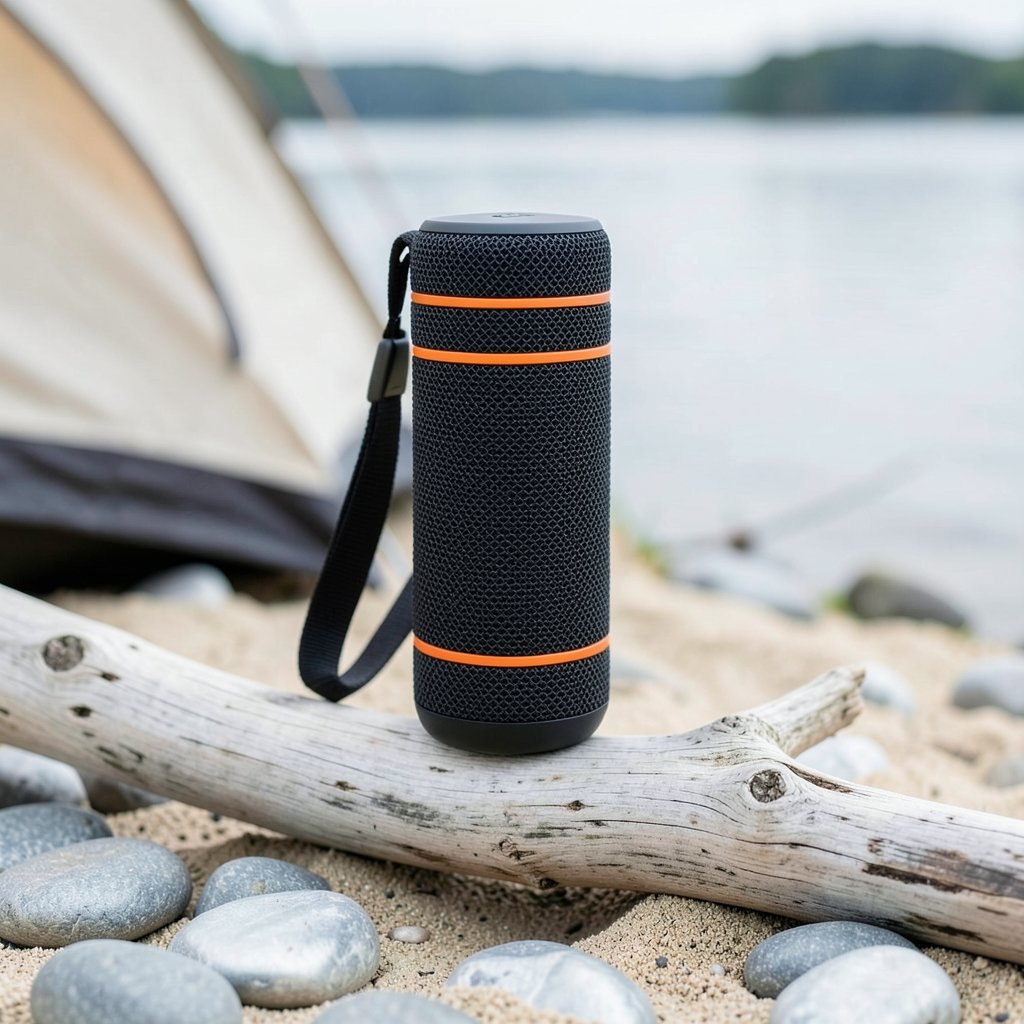
What makes a big, heavy Bluetooth speaker worth carrying to a beach, a campsite, or a backyard party when small pocket-sized models keep getting louder every year? The JBL Xtreme 4 answers that question with brute force: a wide, shoulder-strap design built to fill open space with sound and keep going long after smaller speakers have run out of juice. It sits in the middle of JBL’s portable lineup, above the Charge series and below the much larger Boombox, and it targets people who want room-filling volume without a wall outlet nearby.
This guide walks through what the Xtreme 4 actually delivers, where it falls short, how it compares with its closest rivals, and the practical mistakes buyers make before and after they unbox it. Specs shift between regions and firmware revisions, so treat any number here as a starting point and confirm the fine print on the official spec sheet before you buy.
What the Xtreme 4 Is and Where It Fits
The Xtreme 4 is the fourth generation of JBL’s large Xtreme speaker line, announced in early 2024 and widely available from spring 2024. JBL positions it as a portable party speaker: a horizontal, barrel-shaped body with a built-in carry strap, dual exposed passive radiators on the ends, and enough output to serve a patio or a small outdoor gathering.
The lineup logic is simple. The Charge series is the grab-and-go option that fits in a backpack side pocket. The Xtreme is the step up for people who want real bass and higher maximum volume. The Boombox is the biggest and heaviest of the three, aimed at truly large spaces. If you are unsure which tier fits your life, think about transport first: the Xtreme is the largest model most people will happily carry on a short walk.
JBL has been building portable Bluetooth speakers for decades, and the Xtreme line inherits that design language. For background on the brand and its product families, the general history of JBL is a useful primer.
Design, Durability, and Real-World Handling
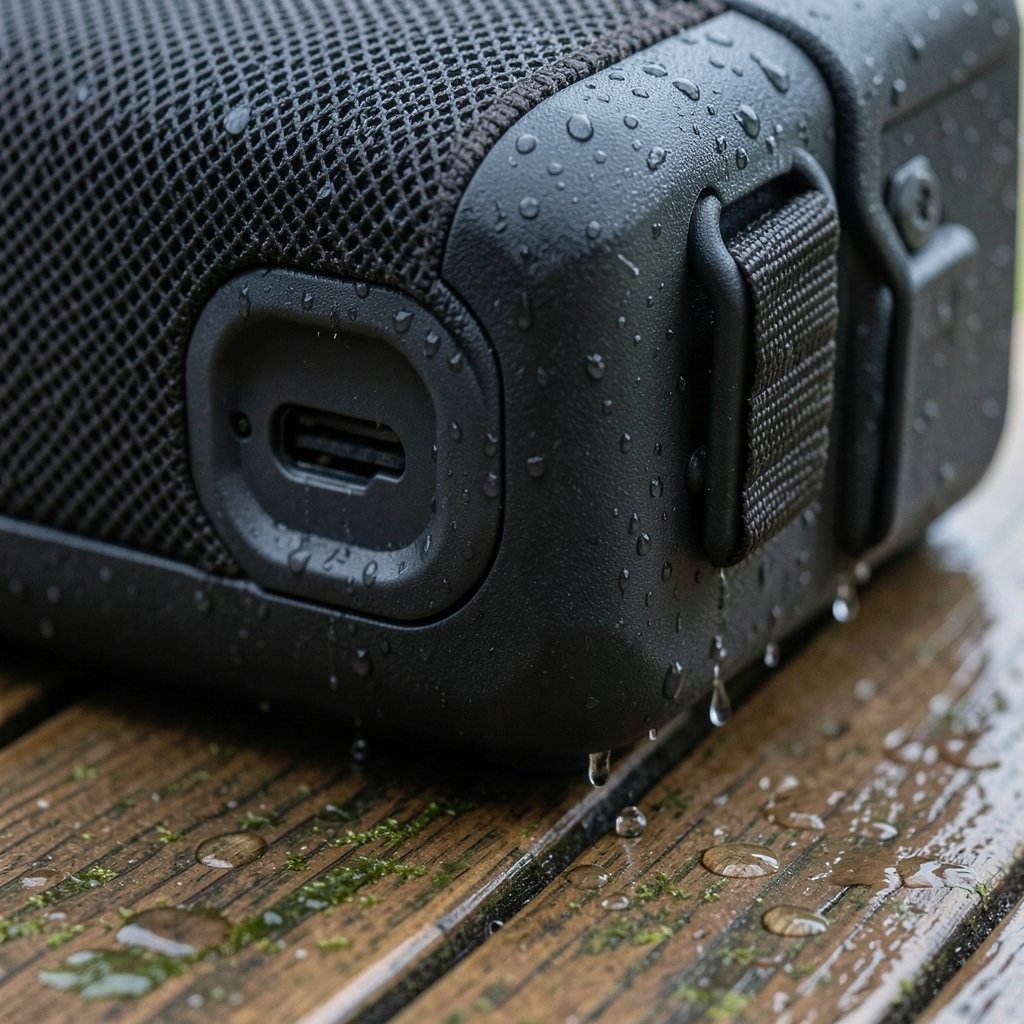
The Xtreme 4 is built for outdoor use. It carries an IP67 rating, which means it is dust-tight and protected against temporary immersion in water. That rating comes from the IEC 60529 standard, and the plain-language explanation of IP ratings from the International Electrotechnical Commission is worth reading if you want to know exactly what the second digit promises and what it does not.
Practical translation: rain, pool splashes, and a dusty campsite are fine. Dropping it into a lake and leaving it there is not. IP67 covers a short dunk, not continuous submersion, and the rating assumes the port covers are properly sealed. That last point is where most people get into trouble.
The built-in strap is more useful than it looks. The speaker is heavy enough that carrying it one-handed by the body gets old fast, and the strap distributes the weight across a shoulder. A common mistake is looping the strap around a chair or tent pole and walking away; the speaker is stable on flat ground but will roll on a slope.
Port covers matter more than buyers expect. The USB-C charging port and the USB-A output sit behind a rubberized flap. If that flap is not pushed fully home, water resistance is gone. Make a habit of running a thumb around the seal every time you close it.
Battery Life and the Power Bank Trick
JBL rates the Xtreme 4 at up to roughly 24 hours of playtime, a figure that assumes moderate volume. In practice, loud outdoor listening drains the battery far faster. If you plan to run it at high volume for a full day, budget for half that number and charge overnight.
The more interesting feature is the power bank function. The Xtreme 4 can charge other devices through its USB-A port, which turns a speaker into a backup battery for a phone. On a camping trip, that is genuinely useful: one device to carry, two jobs done. The catch is that charging a phone pulls from the same battery that plays your music, so heavy phone charging shortens playtime noticeably.
Charging the speaker itself happens over USB-C. A full charge takes a few hours with a capable adapter, and using a weak charger is one of the most common reasons people think their battery is failing. If the speaker seems to die too quickly, check the charger before blaming the cell.
Sound, Volume, and the PartyBoost System
JBL tunes its portable speakers toward a lively, bass-forward signature, and the Xtreme 4 follows that playbook. The dual passive radiators give it noticeably more low-end punch than the Charge series, and it can fill an outdoor space in a way smaller speakers simply cannot. It is not a neutral, studio-style speaker, and it is not meant to be. It is meant to make a barbecue sound like a party.
PartyBoost lets you link multiple compatible JBL speakers into one system. This is the feature that quietly justifies the price for some buyers: buy one now, add a second later, and cover a bigger area with stereo or multi-speaker sound. The limitation is that PartyBoost only works with other PartyBoost-compatible JBL models, not with speakers from other brands.
Connectivity is standard Bluetooth, and the JBL Portable app handles EQ adjustments and firmware updates. Firmware updates are worth installing; they occasionally fix connection dropouts and battery reporting quirks. If you run into pairing trouble, the patterns behind Bluetooth headphones that keep failing and the 9 most common problems apply to speakers too, from stale pairings to interference from crowded 2.4 GHz environments. (Bluetooth Technology Overview)
How the Xtreme 4 Compares With Its Main Rivals
Buyers usually weigh the Xtreme 4 against two things: the smaller Charge model and the bigger Boombox. The table below summarizes the trade-offs in plain terms.
| Factor | Charge series | Xtreme 4 | Boombox series |
|---|---|---|---|
| Portability | Fits in a bag | Shoulder strap, carryable | Two-hand carry or wheels |
| Volume ceiling | Indoor and small patio | Patio and small outdoor crowd | Large open space |
| Bass depth | Moderate | Strong | Strongest |
| Power bank | Yes | Yes | Yes |
| Best for | Commuting, travel | Backyard, beach, camping | Big events, tailgates |
The honest summary: the Xtreme 4 is the sweet spot for most people who want loud outdoor sound but still expect to carry the speaker themselves. The Charge wins on convenience, and the Boombox wins on raw output, but both involve a real compromise the Xtreme avoids.
If you are also weighing earbuds or headphones for personal listening, the same logic about fit and use case applies. A practical guide to Bluetooth headphones worth buying for beginners covers how to match a device to how you actually listen rather than to a spec sheet.
Common Mistakes Buyers Make
A few avoidable errors show up again and again with large portable speakers like this one.
- Buying for indoor use. A speaker this loud and bass-heavy is wasted in a small apartment, and neighbors will notice. It shines outdoors or in large rooms.
- Ignoring the port cover. As covered above, an unsealed flap cancels the IP67 protection entirely.
- Expecting 24 hours at full volume. Rated playtime assumes moderate levels. Plan charging around realistic use.
- Assuming the battery is user-replaceable. Whether the Xtreme 4’s battery can be swapped by the owner is not something to take for granted; confirm it on the official product page before purchase if long-term serviceability matters to you.
- Skipping firmware updates. The app exists for a reason, and updates fix real bugs.
- Mismatching the charger. A weak USB-C adapter makes charging slow and can make the battery look worse than it is.
There is also a subtler mistake: buying two speakers of different ecosystems expecting them to link. PartyBoost is JBL-only. If a friend already owns a different brand, plan around that.
Getting the Most From It: Practical Setup Tips
Placement changes the sound more than any EQ setting. Putting the speaker on a hard surface near a wall reinforces bass; putting it on a soft blanket outdoors does the opposite. For a patio, angle it toward the listeners rather than straight out into open air.
Keep the phone and speaker on the same side of the crowd. Bluetooth range is generous in open space but degrades through bodies and walls, and dropouts at a party are almost always a distance problem, not a speaker fault.
If you plan to connect the speaker to a TV for movie nights, the setup is less obvious than it sounds, because standard Bluetooth introduces audio delay. A walkthrough of how to connect a Bluetooth speaker to a TV explains the direct, transmitter, and HDMI ARC approaches and when each one avoids lip-sync problems.
For anyone building a broader smart-home or multi-device setup, it helps to understand how different wireless radios behave. A comparison of smart lock radios: Wi-Fi vs Bluetooth vs Thread covers range, power draw, and reliability trade-offs that apply well beyond locks.
Finally, if you ever want to extend Bluetooth coverage across a large property, a Home Assistant Bluetooth proxy setup shows how low-cost devices can extend a Bluetooth network’s reach. (Bluetooth)
Who Should Buy It, and Who Should Not
Buy it if you host outdoor gatherings, camp or beach regularly, want a speaker that doubles as a phone charger, and value the option to add a second unit later through PartyBoost. The Xtreme 4 rewards people who will actually carry it places.
Skip it if your listening is mostly indoors at low volume, if you need something that fits in a backpack, or if you want a neutral, accurate sound signature. In those cases the Charge series or a smaller competitor makes more sense, and you will save money and shoulder strain.
Pricing has varied by region and retailer since launch, so check current listings rather than relying on launch figures. Prices on portable speakers move often.
Conclusion
The JBL Xtreme 4 is a purpose-built outdoor speaker: loud, bass-forward, water-resistant, and blessed with a battery big enough to double as a phone charger. It is not the most portable option in JBL’s lineup and not the most powerful, but it occupies the practical middle ground that most people actually want. Buy it for the places you will take it, seal the port cover every time, keep the firmware current, and it will do exactly what it promises. Confirm the current spec sheet and price before you commit, then go make some noise.
FAQ
How long does the JBL Xtreme 4 battery last?
JBL rates it at up to about 24 hours of playtime at moderate volume. At high outdoor volume, expect considerably less, often closer to half that. Charging a phone through the USB-A port also draws from the same battery.
Is the JBL Xtreme 4 waterproof?
It carries an IP67 rating, meaning it is dust-tight and protected against temporary immersion. It can handle rain, splashes, and a brief dunk, but only if the port cover is fully sealed. It is not designed for continuous underwater use.
Can the JBL Xtreme 4 charge your phone?
Yes. It works as a power bank through its USB-A output, so you can top up a phone or other small device. Keep in mind that this uses the same battery that powers playback.
What is PartyBoost and does it work with other brands?
PartyBoost is JBL’s system for linking multiple compatible JBL speakers into one audio setup. It only works with other PartyBoost-compatible JBL models, not with speakers from other brands or older JBL models that use a different linking standard.
Is the JBL Xtreme 4 good for indoor use?
It works indoors, but it is designed for outdoor spaces and large rooms. In a small apartment, its volume and bass can overwhelm the space and disturb neighbors. Smaller speakers in the Charge series suit indoor listening better.
Does the JBL Xtreme 4 have a replaceable battery?
This is worth confirming on the official product page before buying, since it has varied across JBL generations and regions. If long-term serviceability matters to you, check the spec sheet and support documentation rather than assuming either way.



