
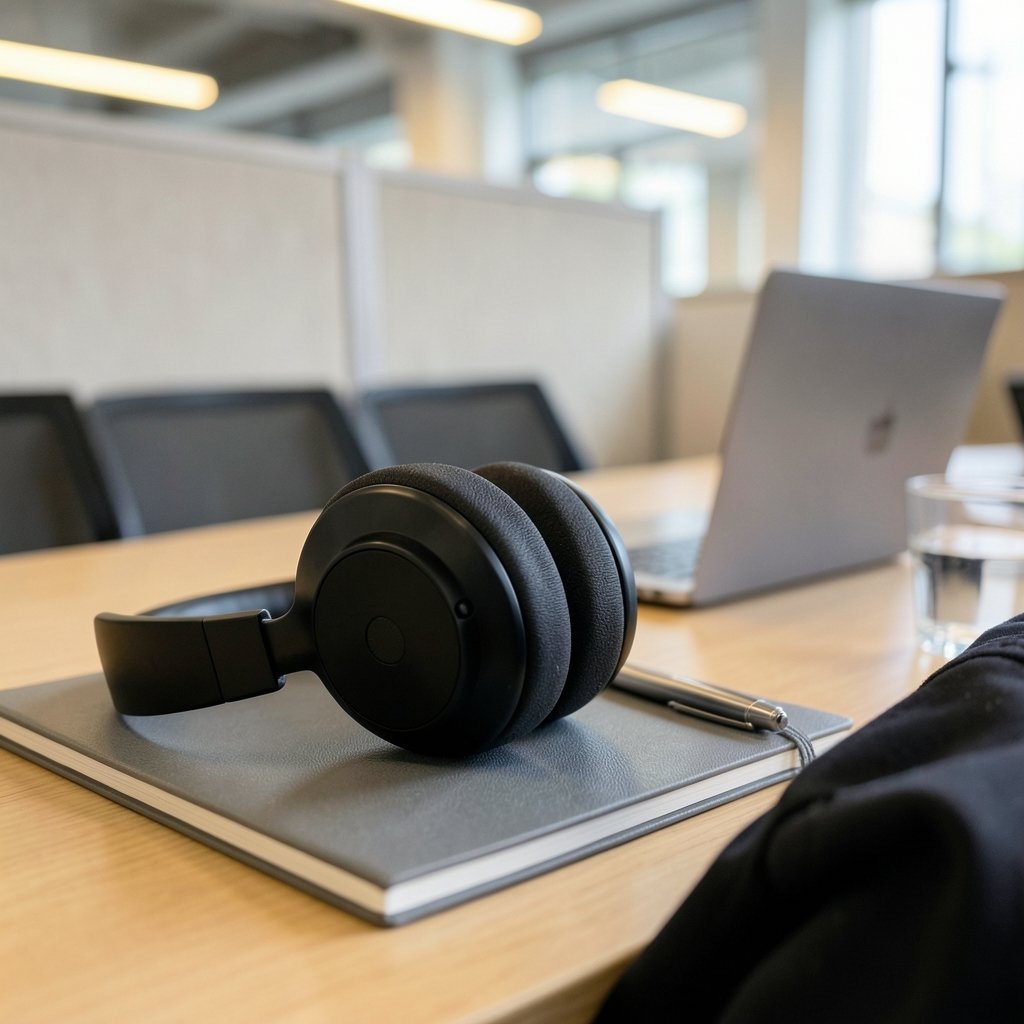
What makes a pair of noise canceling headphones worth $400 or more? If you have been eyeing the Sony WH-1000XM6, you have probably noticed that the marketing language is louder than the headphones themselves. Spec sheets promise “industry-leading” silence, but the real question is simpler: does it quiet the noise in your actual life, whether that is a jet engine, a crowded train, or an open-plan office?
This guide walks through what matters when evaluating the WH-1000XM6’s noise canceling, where buyers get tripped up, and how to test a pair before the return window closes. No hype, no invented benchmarks, just the practical stuff that separates a good purchase from an expensive regret.
Why the XM6 Generates So Much Interest
Sony’s 1000X line has spent years as the reference point for consumer noise canceling. Each generation arrives with claims of better processing, smarter adaptation, and improved comfort. The XM6 continues that pattern, and the attention around it is understandable.
But here is the thing about flagship headphones: the gap between generations is usually smaller than the marketing suggests, and the gap between brands is smaller still. The noise canceling on a premium pair is only one part of the experience. Fit, earcup pressure, battery behavior, and how the headphones handle calls often matter more day to day. That is why a structured comparison is worth more than a spec sheet. A side-by-side breakdown of the Sony WH-1000XM6 vs Bose QuietComfort Ultra noise canceling is a useful starting point, because those two models define the category for most shoppers.
How Noise Canceling Actually Works
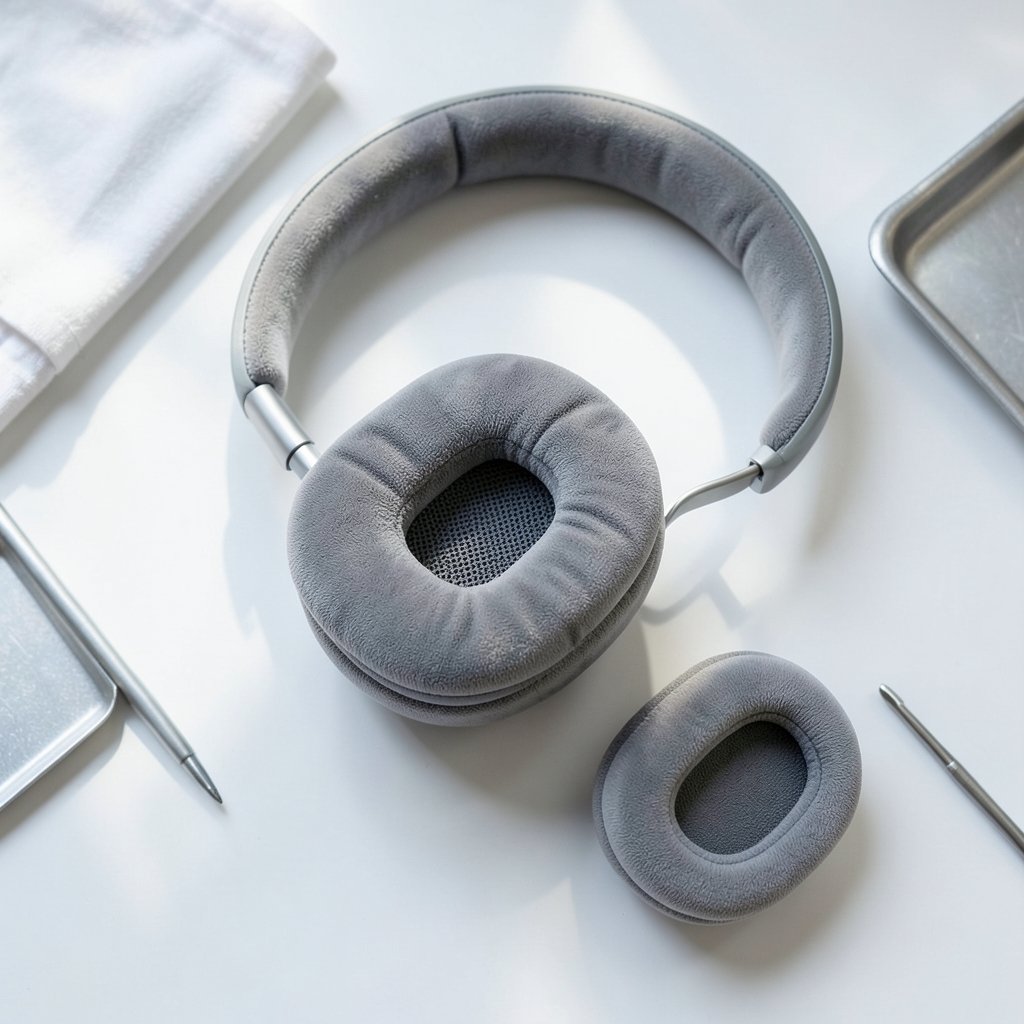
Before judging any pair, it helps to understand the mechanism. Active noise canceling (ANC) uses small microphones to capture incoming sound, then plays an inverted sound wave through the speakers to cancel it out. This works best on steady, low-frequency noise: engine drone, air conditioning hum, the rumble of a subway. It works poorly on sudden or high-pitched sounds like a baby crying or a dropped plate.
That distinction explains why two people can try the same headphones and walk away with opposite opinions. Someone flying weekly will notice a dramatic difference. Someone working in a busy cafe with clattering cups and conversations may feel the ANC does less.
Most modern headphones combine ANC with passive isolation, which comes from the physical seal of the earcups and padding. A poor seal can undo even excellent processing. If the earcups do not sit flush against your head, low-frequency noise leaks in and the ANC has less to work with. This is why fit is not a comfort detail. It is a performance feature.
The Features That Separate Good ANC From Great ANC
When reading about the WH-1000XM6, several capabilities deserve attention. None of them are unique to Sony, but they shape how the headphones behave in real environments.
Adaptive and adjustable modes
Many premium headphones now offer multiple ANC levels, from maximum isolation to a transparency mode that lets outside sound in. Adaptive systems adjust automatically based on motion or detected noise. In practice, automatic adjustment can be convenient or annoying, depending on how aggressively it switches. Look for manual overrides.
Microphone array and wind handling
Outdoor use exposes weaknesses fast. Wind hitting the external microphones can produce a buffeting roar that ANC struggles to suppress. Headphones with dedicated wind-reduction settings handle walks and commutes far better than models without them.
Multipoint and codec support
Multipoint lets the headphones stay connected to two devices at once, so a laptop call can interrupt phone audio without re-pairing. Codec support affects wireless audio quality and latency. These features do not change noise canceling directly, but they change whether you enjoy using the headphones for hours.
Battery life with ANC on
Manufacturers often quote battery life with ANC disabled. Always look for the ANC-on figure, since that is how most people actually listen. Charging speed matters too, especially if you forget to plug in before a flight.
Where Buyers Go Wrong
A few mistakes show up again and again when people shop for premium noise canceling headphones.
Trusting a five-minute demo. Store demos happen in quiet rooms, which is the worst place to judge ANC. Ask to test near an entrance, a vent, or a speaker.
Ignoring clamp force. Strong clamping improves isolation but can cause jaw soreness or headaches after an hour. If you wear glasses, the arms break the seal and change the sound. Try before you commit when possible.
Assuming newer means better. Generation numbers do not guarantee a meaningful upgrade. A careful review of the Sony WH-1000XM6 and what changed compared with earlier models helps you decide whether the improvements justify the price.
Skipping the return window math. Buy from a seller with a clear return policy, and test the headphones within the first week. Use them on a commute, in a noisy room, and on a call. If they fail any of those, return them.
Forgetting firmware updates. ANC tuning often improves after launch through software updates. A pair that underwhelms out of the box may perform differently after an update, so check the companion app early.
How to Test Noise Canceling Before You Commit
A structured test takes about an hour and tells you more than any review. Follow these steps in order.
- Seal check. Put the headphones on, then press gently on each earcup. If the bass suddenly deepens, your seal is weak. Try a different earcup angle or a thicker pad.
- Steady noise test. Stand near a fan, air vent, or running appliance. Toggle ANC on and off. Note how much low-frequency rumble disappears.
- Speech test. Play a podcast or have someone talk near you with ANC on. Human voices are the hardest test for any system.
- Transparency test. Switch to transparency mode and hold a conversation. It should sound natural, not tinny or amplified.
- Movement test. Walk briskly and turn your head. Listen for thumps, cable noise, or wind buffeting.
- Call test. Record a voice memo through the headset microphones in a noisy room and play it back. This reveals how callers will hear you.
- Comfort clock. Wear them for 45 minutes straight. Discomfort usually appears in the first hour, not the first five minutes.
If the headphones pass all seven, you have a keeper. If they fail two or more, no review will change that.
Comparing the XM6 With Its Closest Rivals
Context matters more than any single verdict. The table below shows the trade-offs that typically decide purchases in this category. Values are qualitative because real-world results vary by fit, firmware, and environment.
| Factor | What to Look For | Why It Matters |
|---|---|---|
| ANC strength on low frequencies | Strong reduction of engine and HVAC drone | This is where ANC earns its price |
| Speech handling | Partial, not total, voice suppression | Complete blocking is rare and often unnatural |
| Transparency mode | Natural-sounding, low hiss | You will use it more than you expect |
| Fit and clamp force | Comfortable for 2+ hours, secure seal | Directly affects isolation and bass |
| Battery with ANC on | Enough for a long-haul flight plus a day | Prevents mid-trip charging stress |
| Call quality | Clear voice pickup in moderate noise | Remote work and meetings depend on it |
| App controls | Manual EQ and ANC levels | Automatic systems need overrides |
For a broader field of options, a roundup of the best noise canceling headphones that actually silence noise puts the XM6 alongside models with different strengths. Budget shoppers should also look at the best noise canceling headphones under 300, where the value curve is often steeper. (Active noise control)
Earbuds vs Over-Ear: A Different Trade-Off
Not everyone wants a full-size headset. Modern earbuds have closed much of the ANC gap, and their portability wins for some buyers. The comparison between AirPods Pro 3 and the Sony WF-1000XM6 noise canceling and sound shows how close the two form factors have become.
The practical rule: over-ear headphones generally isolate better and feel more comfortable for long sessions, while earbuds fit in a pocket and handle calls well. If you fly often, over-ear usually wins. If you commute light and take lots of calls, earbuds deserve a serious look.
Common Problems and Quick Fixes
Even excellent headphones develop quirks. Most issues trace back to a handful of causes: a weak Bluetooth connection, outdated firmware, a poor seal, or a settings conflict between the app and the phone. If something feels off, a guide to the most common Bluetooth headphone problems walks through the fixes in order of likelihood. Start with a reset and a firmware check before assuming hardware failure. (Bluetooth Technology Overview)
Who Should Buy the XM6, and Who Should Wait
The XM6 makes the most sense for frequent travelers, open-office workers, and anyone who values a mature feature set over novelty. It makes less sense if you already own a recent flagship that fits well, or if your main noise problem is speech rather than steady hum.
First-time buyers should read a practical guide to Bluetooth headphones worth buying for beginners before spending flagship money, because the basics of codecs, fit, and battery expectations apply to every model. And if the price is the sticking point, the best budget headphones category now offers genuinely usable ANC for a fraction of the cost.
Conclusion
The Sony WH-1000XM6 is best understood as a tool, not a trophy. Its noise canceling will impress most people in steady, low-frequency noise, and it will disappoint anyone expecting total silence in a crowded room. The difference between a happy owner and a frustrated one usually comes down to three things: a good seal, realistic expectations, and testing the headphones in the environments where you will actually use them.
Buy from a seller with a fair return policy. Run the seven-step test. Give the firmware a chance to update. If the headphones pass, you will get years of quiet commutes and focused work. If they do not, return them without guilt. The right pair is the one that fits your ears and your noise, not the one with the loudest marketing.
FAQ
Does the Sony WH-1000XM6 block all noise?
No noise canceling headphone blocks all sound. ANC is most effective against steady, low-frequency noise like engines, fans, and traffic. Sudden sounds and human speech are only partly reduced, which is normal for the technology.
How do I know if my headphones have a good seal?
Press gently on each earcup while music plays. If the bass gets noticeably stronger, air is leaking and the seal is weak. Adjust the earcup angle, try a different headband position, and check whether glasses arms are breaking the seal.
Is noise canceling bad for your ears?
ANC itself does not damage hearing. In fact, it often lets you listen at lower volumes because you are not fighting background noise. The risk comes from turning the volume up too high, which is a concern with any headphone.
Should I buy over-ear headphones or earbuds for noise canceling?
Over-ear models generally isolate better and stay comfortable for longer sessions, making them ideal for flights and long workdays. Earbuds are more portable and often better for calls. The right choice depends on how you commute and how long you wear them.
Why does ANC sometimes feel like pressure in my ears?
Some people notice a slight pressure or “fullness” sensation when ANC engages, especially in very quiet rooms. It usually fades with familiarity. If it persists, try a lower ANC level or transparency mode, both of which reduce the effect.
How long should I test headphones before deciding?
Give yourself at least a week and use them in three settings: a commute or noisy room, a quiet room, and a call. Comfort problems and seal issues typically appear within the first hour of wear, so a single long session reveals a lot.



