
What would it take to forgive the person who took your life? That question is central to the story of St. Maria Goretti, an eleven-year-old Italian farm girl whose short life ended in a stabbing in 1902 and whose name became one of the most recognized in modern Catholic sainthood. Her story has been told in books, films, and pulpits for more than a century, and it still stirs strong reactions. Some people see a clear witness of mercy. Others raise hard questions about how her story has been used. Both reactions deserve a fair hearing, and understanding her life means looking at the documented facts, the traditions that grew around her, and the way devotion to her has evolved.
Who Was St. Maria Goretti?
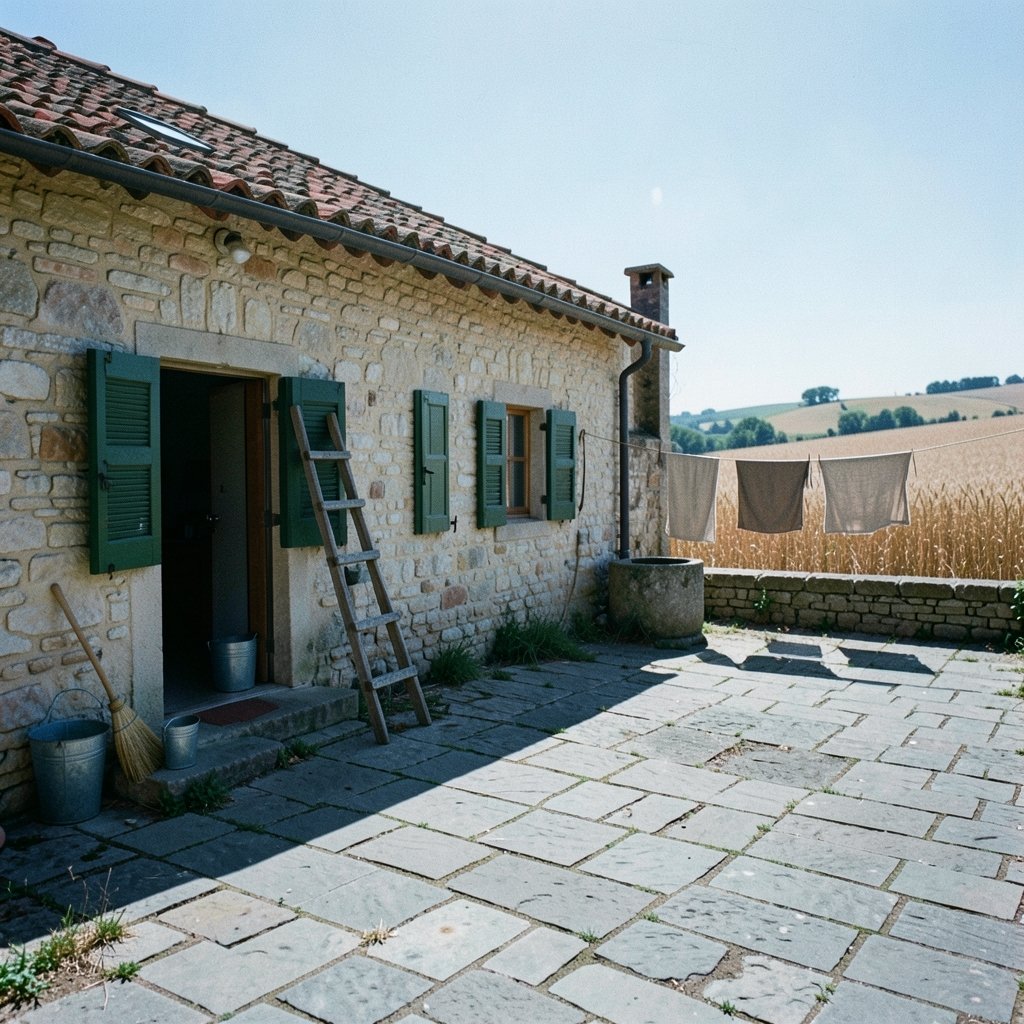
Maria Goretti was born on 16 October 1890 in Corinaldo, a hill town in the Marche region of central Italy. Her parents, Luigi and Assunta Goretti, were poor tenant farmers. The family was large, the work was hard, and money was always short. In a household like that, children grew up fast. Maria was no exception.
Around 1896 or 1897, the Gorettis moved south to the Pontine Marshes near Ferriere di Conca, a low-lying area that was then malarial, impoverished, and difficult to farm. They shared a farmhouse with another family, the Serenellis. The move was meant to improve their fortunes. It did not. In 1900, Luigi Goretti died of malaria, leaving Assunta to raise the children alone. Maria, still a child herself, took on cooking, cleaning, and care of her siblings while her mother labored in the fields. Sources differ slightly on the exact year of the move, but the outline of the family’s hardship is consistent across accounts.
This background matters. Maria’s story is often told as if it floated above ordinary life, but it began in a place of real poverty, illness, and backbreaking agricultural work. She was a working child in a vulnerable family, and that context shapes everything that followed.
The Events of July 1902
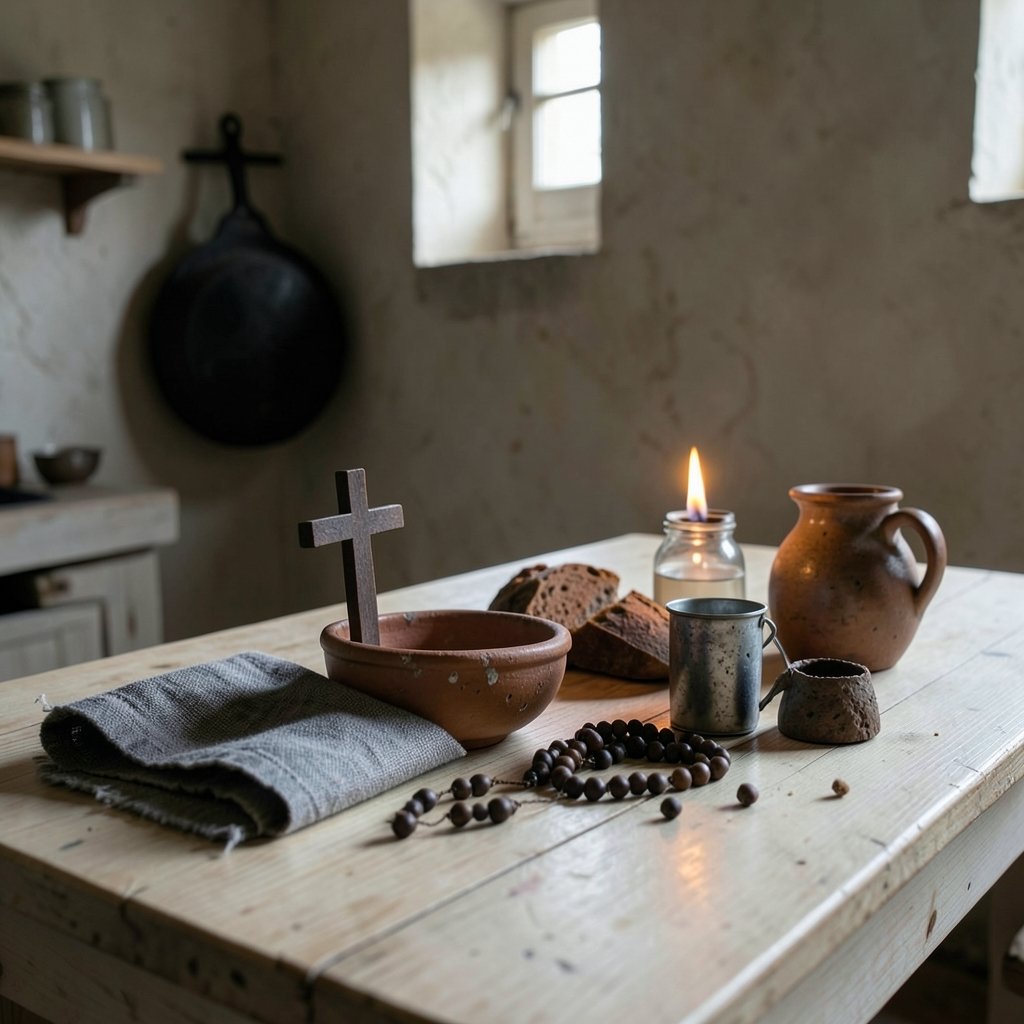
On 6 July 1902, Alessandro Serenelli, a young man from the Serenelli household, attacked Maria when she resisted his sexual advances. Accounts commonly give his age as twenty and hers as eleven, though ages and the exact sequence of events vary slightly between sources. She was stabbed multiple times. She died of her wounds within about a day. Most accounts place her death on 6 July, while some say early on 7 July, so the precise date of death is one detail worth treating with care.
What happened next is the part of the story that made her famous. According to tradition, before she died Maria forgave Alessandro and expressed concern for his soul. This forgiveness narrative is central to her reputation, but it rests largely on later hagiographic accounts rather than contemporaneous records. Readers should treat it as tradition rather than documented fact. That distinction does not make the tradition worthless. It simply means the story has been shaped over time by the people who told it.
Alessandro was convicted and imprisoned. In later accounts, he experienced a dream or vision of Maria, reformed, and after release reportedly sought forgiveness from Assunta Goretti. He eventually became a lay brother in a Capuchin community. Details and dates vary by source, and anyone writing about him should check the specifics before publishing.
From Local Tragedy to Universal Symbol
For a time, Maria’s death was a local horror story. Then devotion began to grow. Pilgrims came. Accounts of her life circulated. Her mother Assunta became a living link to the girl the Church was beginning to venerate.
The formal milestones came quickly by the standards of canonization:
| Milestone | Year |
|---|---|
| Beatification | 1947 |
| Canonization by Pope Pius XII | 24 June 1950 |
Her canonization was a major public event. Assunta reportedly attended, a detail widely cited and deeply moving: a mother watching her daughter declared a saint. Maria was canonized as a virgin and martyr, and her feast day is 6 July in the General Roman Calendar.
Her patronage is usually listed as including youth, young women, and victims of sexual abuse and crime, though patronage lists vary by source. That last association is significant. In recent decades, survivors and their advocates have found in her a figure who understands violation and refuses to let it have the final word.
What the Story Actually Teaches
Strip away the pious language and the story still carries weight. A few lessons stand out.
Forgiveness is a choice, not a feeling
The tradition says Maria forgave Alessandro before she died. Whether or not every detail is historically certain, the tradition makes a claim: forgiveness is something a person decides, not something that happens to them. That is a demanding idea. It does not mean pretending harm did not happen, and it does not mean skipping justice. Alessandro still went to prison. Forgiveness and consequences can coexist.
Purity language needs care
Older devotional writing about Maria leaned heavily on themes of purity and modesty, sometimes in ways that modern readers find uncomfortable or even harmful. A balanced telling acknowledges this. Her story has at times been used to place burdens on young people rather than to protect them. Readers who encounter her in older books should expect language that reflects the assumptions of another era.
Victims are not responsible for their attackers
One of the most important correctives in recent retellings is this: Maria was a child who was attacked. She did not cause it. Any version of her story that implies otherwise has gone wrong. Her resistance was not the problem. The violence was.
Common Mistakes People Make When Researching Her
A few practical cautions, drawn from how her story is usually mishandled:
- Treating hagiography as court record. Devotional biographies and historical records are different kinds of documents. Read both, but know which is which.
- Stating a single death date without qualification. Sources split between 6 and 7 July 1902. Say so.
- Repeating ages as if fixed. The commonly cited ages of eleven and twenty are traditional; some accounts differ.
- Flattening Alessandro into a cartoon villain. His later life, including his reported reform, is part of the story, though details vary and should be verified.
- Ignoring the poverty and disease. Malaria killed her father and shaped her family’s life. Leaving that out makes the story sentimental instead of real.
- Using her story as a weapon. Her memory has sometimes been deployed to shame young people. That is a misuse, not an inheritance.
Where Her Story Lives Today
St. Maria Goretti’s shrine at Nettuno, Italy, draws pilgrims, and churches around the world carry her name. She is remembered in Catholic schools, youth groups, and retreats, often as an example of courage under pressure. Her story also appears in secular discussions of forgiveness, where writers cite her as an extreme case: a child who, by tradition, forgave the person who killed her.
For anyone exploring Catholic saints and devotional history, resources such as the parish and ministry pages at occcy.com can help connect the story to lived practice. Her feast day on 6 July is observed in many parishes, and her name appears in the calendars of numerous religious communities.
Her canonization was unusual. Most saints are canonized decades or centuries after death, and many are clergy or members of religious orders. Maria was a poor, uneducated farm girl. Her elevation says something about how the Church chooses its heroes: not always the prominent, sometimes the small.
A Balanced View for Modern Readers
Some readers will find Maria’s story inspiring. Others will find it troubling, especially when it is told in ways that seem to romanticize suffering or to place adult expectations on a child. Both responses are reasonable. A mature engagement holds the inspiring and the troubling together.
The most honest version of her story includes the malaria, the poverty, the violence, the uncertain details, and the long afterlife of devotion. It also includes the possibility that a child, facing death, chose mercy. Whether that is history or legend, it is a claim worth thinking about.
Conclusion
St. Maria Goretti lived eleven years in poverty and died from wounds inflicted on 6 July 1902. She was beatified in 1947 and canonized on 24 June 1950. Her feast is 6 July, and she is venerated as a patron of youth and of victims of abuse and crime. Around those facts, a tradition grew: a girl who forgave her attacker, a prisoner who repented, a mother who watched her daughter become a saint. Some details are well documented. Others rest on later accounts and should be presented as tradition. What remains, after all the caveats, is a story about a child who refused to let violence define her, and a question every reader has to answer for themselves: what would it take to forgive?
Frequently Asked Questions
When was St. Maria Goretti born and when did she die?
She was born on 16 October 1890 in Corinaldo, Italy. She was attacked on 6 July 1902 and died of her wounds within about a day. Most accounts place her death on 6 July, though some say early on 7 July, so the exact death date is a detail sources do not fully agree on.
Why is St. Maria Goretti famous?
She is known for resisting an attack and, according to tradition, forgiving her attacker before she died. That forgiveness narrative made her a symbol of mercy, and her canonization in 1950 brought her story to a global audience. She is also venerated as a patron of youth and of victims of sexual abuse and crime.
Who was Alessandro Serenelli and what happened to him?
Alessandro Serenelli was a young man from the household where Maria’s family lived. He attacked her on 6 July 1902. He was convicted and imprisoned, and later accounts say he experienced a vision of Maria, reformed, and sought forgiveness from her mother, Assunta. He reportedly became a lay brother in a Capuchin community. Details and dates vary by source.
When was she canonized and by whom?
She was beatified in 1947 and canonized by Pope Pius XII on 24 June 1950. Her mother Assunta reportedly attended the canonization, a detail that is widely cited and often highlighted in retellings of her life.
What is her feast day?
Her feast day is 6 July in the General Roman Calendar, marking the date of the attack in 1902.
Is the forgiveness story historically certain?
Not in the strict sense. The account of Maria forgiving Alessandro before her death rests largely on later hagiographic writings rather than contemporaneous records. It is best described as a strong and longstanding tradition rather than a documented fact. That does not diminish its importance to devotees, but readers should know the difference between tradition and record.
For those who want to go further, a few practical suggestions: read a scholarly biography alongside a devotional one and compare how each handles the disputed details; visit a shrine or parish that holds her memory and observe how the story is actually presented to pilgrims; and, if writing about her, footnote the uncertain claims rather than smoothing them over. Teachers and catechists should consider the age and experience of their audience before introducing the violence central to the story.
None of this requires resolving every question. The Church has declared her a saint; historians continue to weigh the sources; survivors continue to find meaning in her. These are not competing projects so much as different ways of keeping faith with a young girl from Corinaldo. Her memory endures because each generation retells it, and each retelling carries both the gift and the responsibility of getting it as right as we can.



