
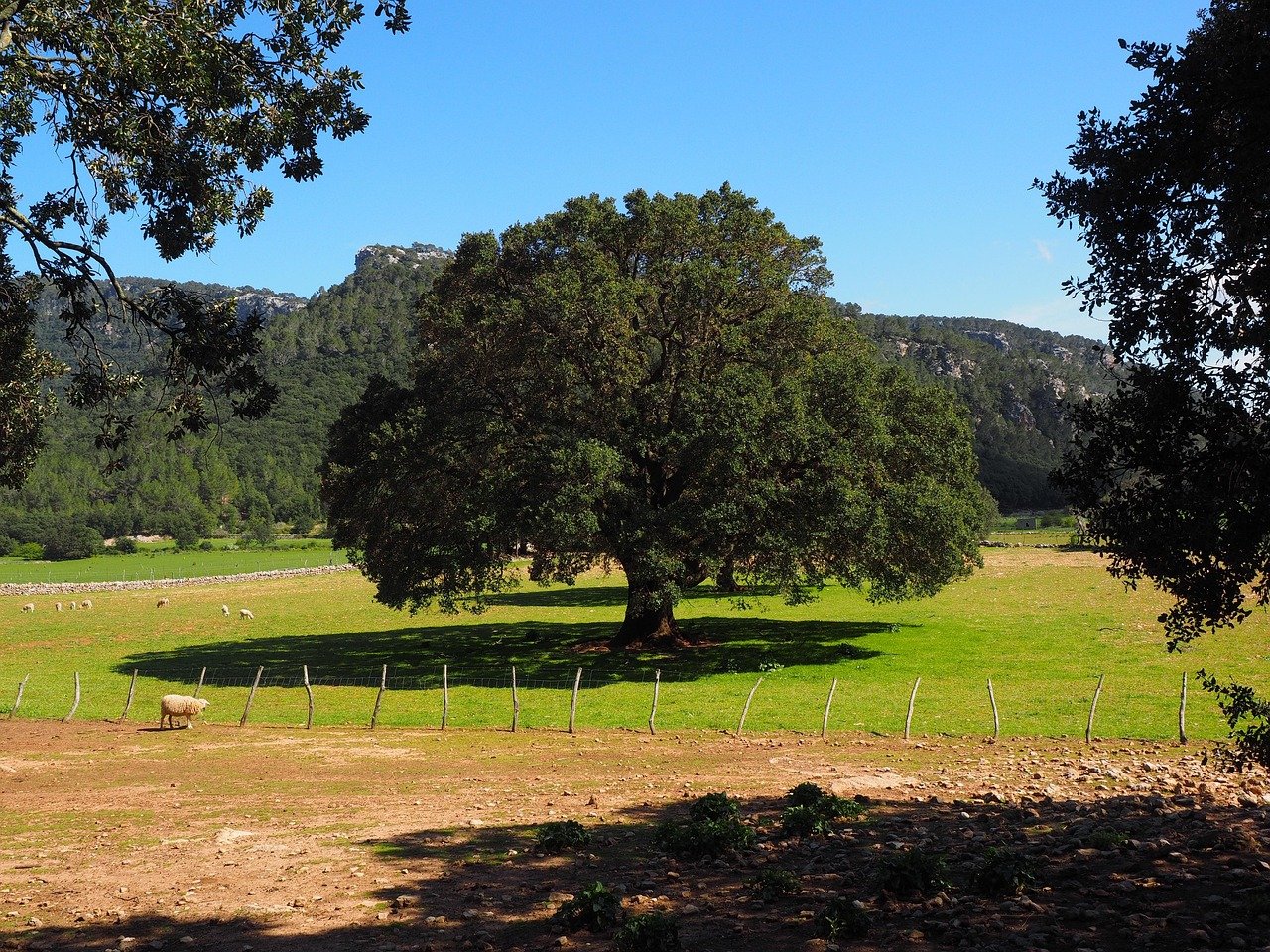
What tree can perfume a whole street after rain, repel moths in a wooden chest, and still get a homeowner fined for planting it? The camphor tree (Cinnamomum camphora) pulls off that strange triple life. It is a beloved shade tree in some places, a regulated invader in others, and the raw material behind a compound that has ended up in medicine cabinets, varnish, and mothballs for generations.
This guide covers what the tree actually is, where it grows well, why it spreads so aggressively, how to grow and manage it, and what makes its oil both useful and risky. If you are deciding whether to plant one, keep one, or remove one, the details below should help you make a solid call.
What Is a Camphor Tree?
Cinnamomum camphora is an evergreen tree in the laurel family (Lauraceae), which places it alongside cinnamon, bay laurel, and sassafras. It is native to East Asia: southern China, Taiwan, southern Japan, Korea, and Vietnam. Humans have moved it far beyond that range as an ornamental and timber tree, and it now grows widely in warm regions of the Americas, Australia, and Africa.
The tree is easy to recognize once you know what to look for:
- Leaves: glossy, oval, and waxy, with three distinct veins running from the base. Crush one and the camphor smell hits you immediately.
- Bark: grayish and roughly fissured on older trunks, often with a slightly reddish tinge in the cracks.
- New growth: young leaves and twigs emerge with a coppery or pinkish flush, which is why the tree reads as “tropical” among the plants around it.
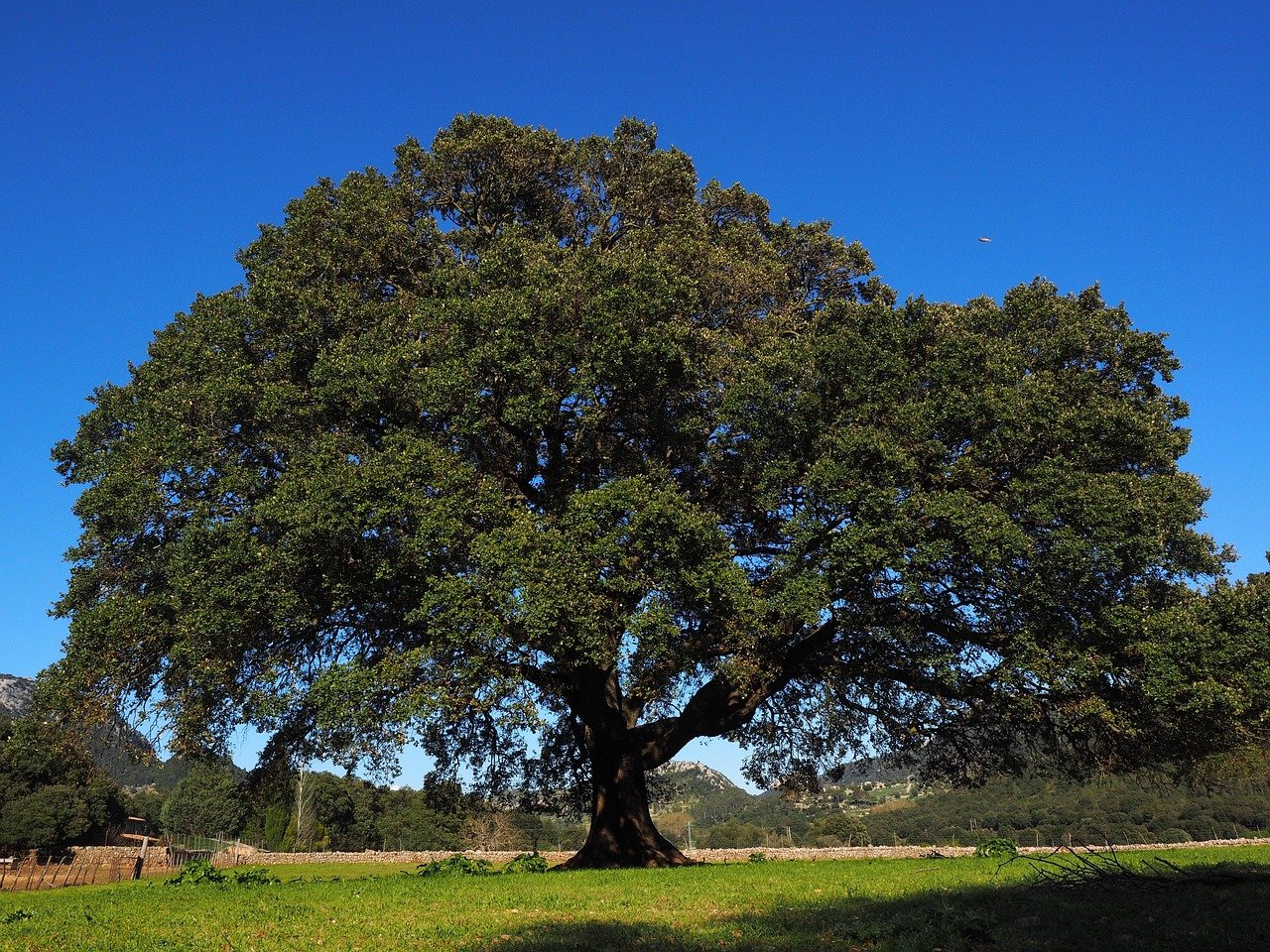
- Habit: a broad, dense, rounded crown on a stout trunk. Mature trees commonly reach 40 to 60 feet, and old specimens can go higher.
- Flowers and fruit: small, pale yellow-green flowers in spring, followed by pea-sized dark berries that birds spread enthusiastically.
That last point matters more than it sounds. The fruit is the engine of the tree’s spread, and birds do the planting for free.
Why the Tree Smells Like Camphor
The scent comes from camphor, a waxy, strongly aromatic terpenoid. Chemically it is a bicyclic ketone, and it builds up in the wood, bark, and leaves. People have distilled it for centuries from wood chips and branches.
Camphor has a long practical history in three areas:
- Medicine and liniments. It creates a cooling, tingling sensation on skin, which is why it shows up in chest rubs and muscle balms.
- Moth and insect repellent. The smell deters many insects, and camphor blocks were a standard closet item long before modern repellents existed.
- Industry. It has been used as a plasticizer and in the production of certain plastics and films.
The same compound that makes the tree useful also makes it a health concern. Camphor is toxic if swallowed in sufficient quantity, and children are especially vulnerable because of their smaller body weight. Products containing camphor carry warnings for exactly this reason, and rules on labeling and concentration vary by country and have changed over time. Treat any camphor product as a medicine, not a fragrance, and keep it out of reach of kids and pets.
Where Camphor Trees Grow Best
This is a warm-climate tree. It handles heat and humidity well and tolerates a range of soils, from sandy to clay, as long as drainage is not terrible. It prefers full sun and established trees are reasonably drought-tolerant. Cold is the real limit: hard freezes knock it back hard, which is why it stays confined to mild-winter regions.
| Factor | What the tree wants | What it tolerates |
|---|---|---|
| Light | Full sun | Light shade when young |
| Soil | Moist but well-drained loam | Sandy or clay soils with decent drainage |
| Water | Regular water while establishing | Short dry spells once mature |
| Cold | Mild winters, frost-free ideally | Brief light frost with damage |
| Salt | Moderate coastal exposure | Sheltered inland sites |
One practical warning: the tree’s roots are vigorous and shallow-spreading. Plant it well away from foundations, driveways, sewer lines, and paving. The same aggressive root system that makes it wind-firm also lifts concrete and finds cracks.
If you enjoy growing woody houseplants and shade trees and want to compare care routines, the approach for a Chinese money tree pachira aquatica that really needs to thrive is a useful contrast: that plant wants bright indoor light and careful watering, while camphor wants outdoor sun and room to sprawl.
How to Plant and Care for a Camphor Tree
If camphor is legal and non-invasive where you garden, here is a routine that works in practice.
- Pick the site first, the tree second. Measure the mature canopy spread and root zone, then double it. Camphor is not a tree you move later.
- Plant in early warm season. Spring to early summer gives roots a full season to settle before cool weather.
- Dig a wide hole, not a deep one. The root flare should sit at or slightly above grade. Planting too deep is the most common way people kill young trees.
- Water deeply but infrequently. Soak the root zone, then let the top few inches dry. Shallow daily sprinkling creates weak, surface-hugging roots.
- Mulch, but keep it off the trunk. A ring of mulch two to three inches deep holds moisture and moderates soil temperature. A mulch volcano against the bark invites rot.
- Skip the fertilizer in year one. Established trees rarely need feeding unless a soil test says otherwise.
Watering is where most tree problems start. Overwatering causes root rot and yellowing foliage, and the same logic applies to container plants. If you keep indoor trees, this guide to a practical watering schedule that prevents rot explains the wet-dry cycle clearly, and the principles transfer well to young camphor trees in pots.
Yellow leaves on a camphor tree usually trace back to soggy soil, cold damage, or a nutrient imbalance. The diagnostic steps in this breakdown of money tree leaves turning yellow, causes and fixes that work apply to most woody plants, including camphor.
The Invasive Problem Nobody Wants to Talk About
Here is the uncomfortable part. In several warm regions outside its native range, the camphor tree is a serious invader. It is listed as invasive in Florida and is a recognized problem in parts of the Gulf South. It also causes trouble in parts of Australia and South Africa.
Why is it so effective at escaping?
- Seed dispersal. Birds eat the berries and drop seeds widely, often into natural areas, fence lines, and hedgerows.
- Root suckers. Cut a camphor tree and it may resprout from the roots, turning one stump into a thicket.
- Shade tolerance. Seedlings can establish under existing canopy, which lets the tree slip into intact forests.
- Long life and heavy fruiting. Mature trees produce seed for decades.
The result is dense camphor thickets that crowd out native plants and reduce forage for wildlife. Because invasive status varies by state and changes over time, check your current local noxious weed or invasive plant list before planting. A tree that is a fine ornamental in one county can be a regulated species in the next.
Managing an Existing Camphor Tree
If you already have one, you have options short of removal.
For a tree you want to keep: prune for structure when young, remove deadwood, and keep the root zone mulched. Watch for the coppery new growth turning brown after cold snaps; that is frost damage, not disease.
For a tree you want to control: cutting alone often fails because of root suckers. Effective control usually combines cutting with treating the stump or using targeted herbicide according to local regulations and label directions. For large specimens near structures, hire a certified arborist. This is not a job for a ladder and a chainsaw.
For a tree you must remove: check local rules first. Some jurisdictions require permits or have disposal requirements for invasive species. Do not dump cuttings in a green space where they can root.
Camphor Wood and Traditional Uses
Camphor wood is genuinely lovely to work with. It carves cleanly, takes a fine finish, and carries its scent for years, which is why it has long been used for chests, trunks, and small boxes meant to protect fabrics. The natural insect resistance is the whole point: a camphor chest is a storage strategy as much as a piece of furniture.
Beyond wood, the tree has a long folk history in its native range, where leaves, twigs, and distilled oil found their way into household remedies and repellents. Modern readers should treat those traditions with respect and caution at the same time. Camphor is not a casual home remedy. Ingesting it can cause serious harm, and skin contact with concentrated oil can irritate. Use commercial products exactly as labeled, and never improvise a homemade concentrate.
For anyone who enjoys the folklore side of useful plants, the appeal is easy to understand. People love a plant with a story, which is why a money tree care guide to keep pachira aquatica thriving indoors draws so much interest, and why even a Kendrick Lamar line about money trees and what it actually means gets searched by plant fans. Camphor sits in that same space: practical, symbolic, and a little bit mythologized.
Common Mistakes to Avoid
Most camphor tree problems come from a short list of errors.
| Mistake | Why it hurts | Better move |
|---|---|---|
| Planting near paving or pipes | Vigorous roots lift and crack hard surfaces | Site it well away from structures |
| Planting in a cold pocket | Frost kills new growth and weakens the tree | Choose a sheltered, mild site |
| Watering shallowly and often | Creates weak roots and rot risk | Soak deeply, then let soil dry |
| Planting without checking local rules | Invasive listings can restrict or ban it | Verify current local status first |
| Cutting a mature tree and walking away | Root suckers return thicker | Use a proper control plan |
| Using camphor oil casually | Toxic if swallowed, irritating to skin | Follow product labels exactly |
Conclusion
The camphor tree is one of those plants that rewards a careful look. It is a handsome, fast-growing evergreen with glossy leaves, a scent you can identify from ten feet away, and a long record of human use in medicine, storage, and woodworking. It is also an aggressive spreader that has worn out its welcome in several warm regions, and its namesake compound is genuinely toxic when misused.
The practical takeaway is simple. Grow it only where it is legal and non-invasive, give it space for its roots and canopy, water it deeply rather than often, and never treat camphor oil as a harmless home remedy. Do those things and the tree earns its place. Skip them and you may spend years fighting suckers or explaining a lifted driveway to a contractor.
Frequently Asked Questions
What is a camphor tree used for?
It is grown as a shade and ornamental tree, harvested for timber used in chests and carving, and distilled for camphor, which has been used in liniments, insect repellents, and industrial products. The wood’s natural scent and insect resistance make it popular for storage furniture.
Is the camphor tree invasive?
In several warm regions outside its native East Asia range, yes. It is listed as invasive in Florida and is a recognized problem in parts of the Gulf South, Australia, and South Africa. It spreads by bird-dispersed seed and root suckers. Status varies by location, so check current local lists.
How fast does a camphor tree grow?
It is a fast grower in warm, moist climates, especially when young. Mature trees commonly reach 40 to 60 feet with a broad, dense crown. Growth slows in cool climates or poor soil, and hard freezes can set it back significantly.
Is camphor toxic to people and pets?
Camphor is toxic if swallowed in sufficient quantity, and children are at higher risk due to lower body weight. Concentrated oil can also irritate skin. Keep camphor products out of reach and follow label warnings exactly. Contact a poison control service if ingestion is suspected.
Can you grow a camphor tree in a pot?
Young trees can grow in large containers for a few years, but the vigorous root system and eventual size make long-term pot culture impractical. Container trees need deep, infrequent watering and a very large pot. Most gardeners treat it as an outdoor garden tree.
How do you get rid of a camphor tree?
Cutting alone usually fails because the tree resprouts from its roots. Effective removal typically combines cutting with stump treatment or targeted herbicide according to local regulations, plus follow-up on suckers. For large trees near buildings, hire a certified arborist and check local disposal rules first.



