
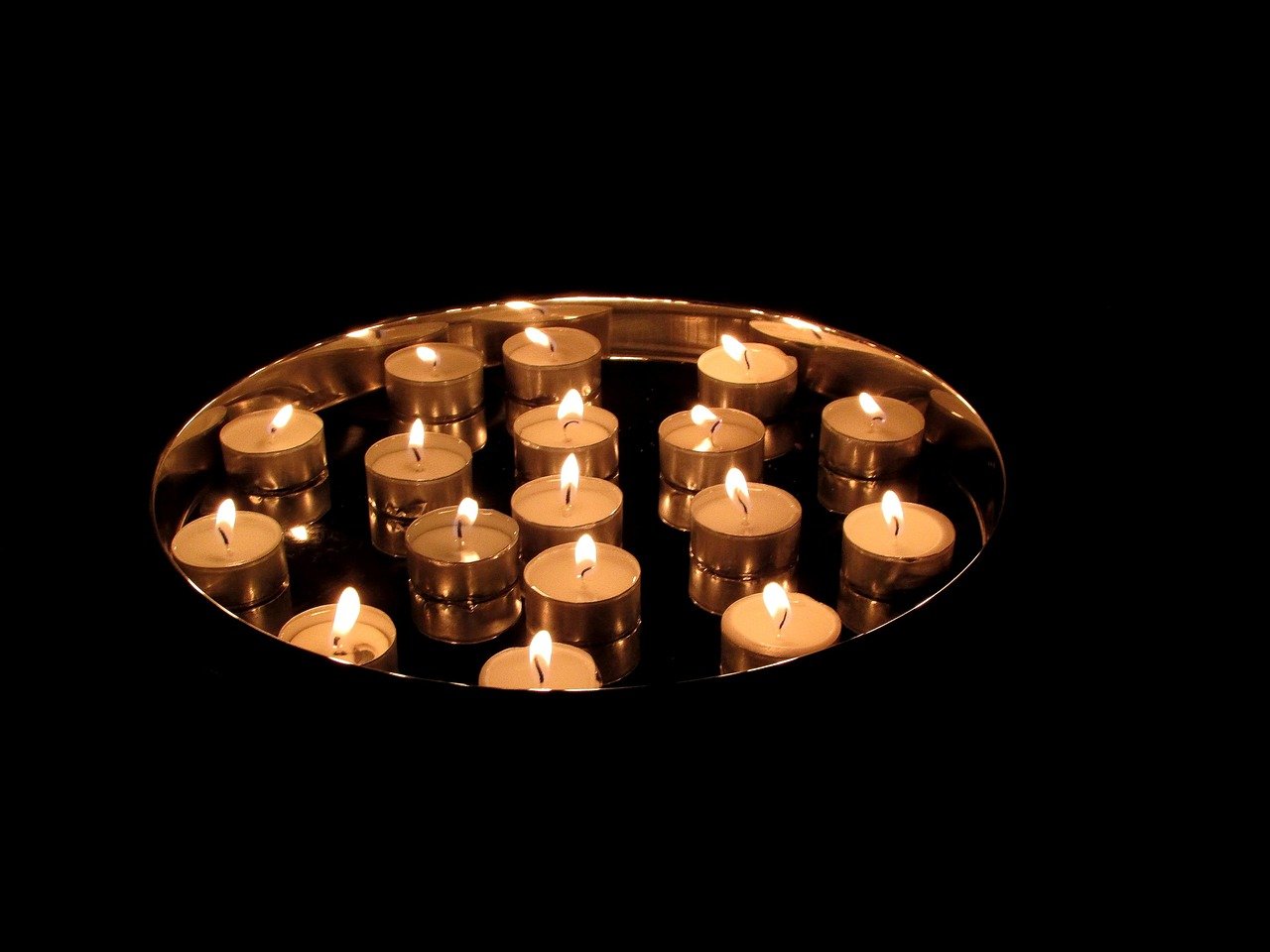
Why do those tiny, cheap candles end up in almost every home, restaurant table, and emergency drawer? Tea light candles look simple, but the details matter more than most people expect. Buy the wrong ones and you get a weak flame, a wick that drowns in wax, or a metal cup hot enough to scorch a shelf. Buy the right ones and you get four hours of steady light for pennies.
This guide covers what tea lights are, how long they really burn, which wax and cup types make a difference, and the safety habits that prevent the most common accidents. It also covers the mistakes people make over and over, from trimming wicks badly to burning candles in the wrong holder.
What Is a Tea Light Candle, Exactly?
A tea light is a small, short cylindrical candle, usually about 38 mm (1.5 inches) across and 16 mm (0.6 inches) tall, sitting in a thin metal or plastic cup. The cup holds the melted wax so the candle keeps its shape as it burns down.
The name is generally traced to tea warmers, small stands that held a teapot over a candle flame. That origin story is widely repeated but not firmly documented, so treat it as likely rather than certain.
The 38 x 16 mm size is often called the standard, but there is no single universal size. Manufacturers vary dimensions slightly, and some sell “maxi” tea lights that are taller or wider. If a holder or warmer has a tight fit, check the listed dimensions before buying a big pack.
How Long Do Tea Light Candles Actually Burn?
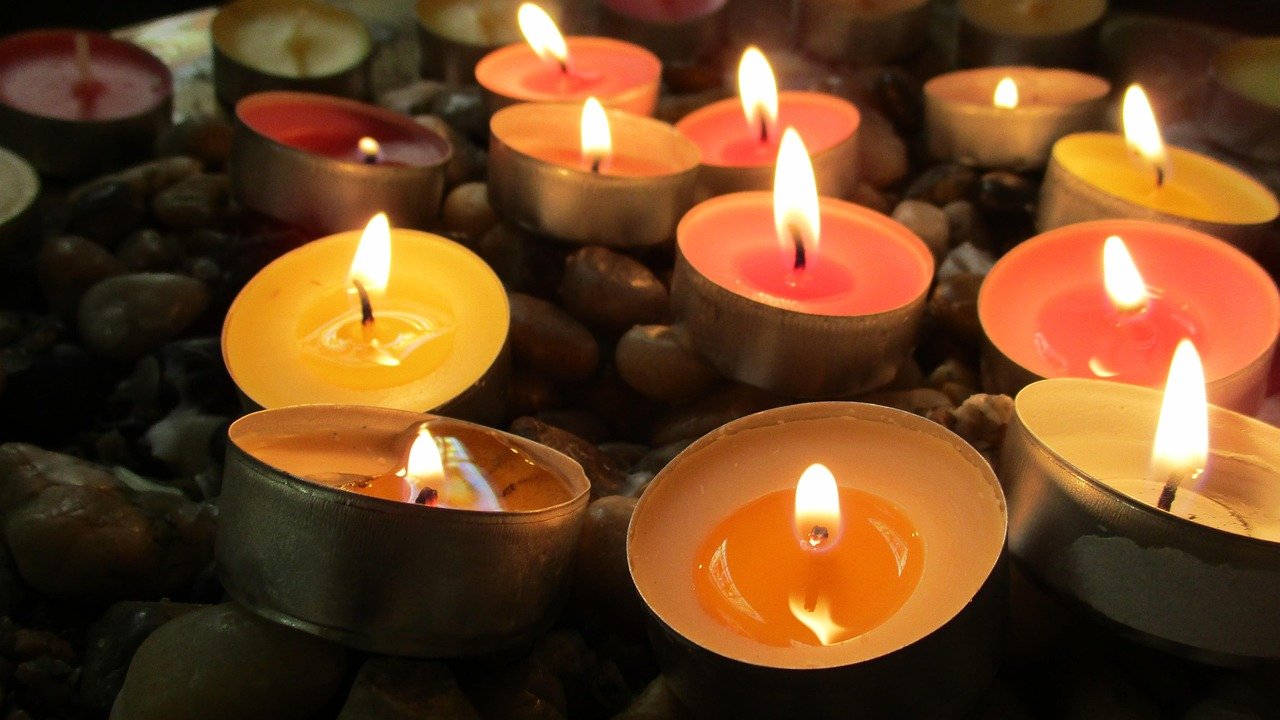
Most tea lights burn for roughly 3.5 to 5 hours, depending on the wax, the wick, the cup, and the conditions in the room. A still, warm room stretches burn time. A drafty windowsill or a ceiling fan shortens it, because the flame consumes wax faster and burns unevenly.
| Factor | Effect on burn time |
|---|---|
| Wax type | Soy and stearin blends often burn slower and cooler than cheap paraffin |
| Wick size | Too thin drowns; too thick burns hot and fast |
| Cup material | Metal contains heat and supports a steadier burn; plastic can soften |
| Room conditions | Drafts and fans cut burn time noticeably |
| Wick trimming | A trimmed wick burns cleaner and lasts longer |
A practical habit: if you need light for a specific window, such as a two-hour dinner or a four-hour bath, test one tea light from the pack first. Cheap multipacks vary wildly between candles, even within the same box.
Wax Types: Paraffin, Stearin, Soy, and What They Mean for You
Tea lights are made from paraffin, stearin, soy, or blends, and the wax affects burn time, soot, and how the candle behaves when it burns low.
Paraffin is the cheapest and most common. It burns brightly but can produce more soot, especially with an untrimmed wick. Stearin is often blended with paraffin to raise the melting point, which helps the candle hold its shape and burn longer. Soy burns cooler and slower in many formulations, but soy tea lights sometimes tunnel or struggle in cold rooms.
One practical note on soot: any candle with a long, unclipped wick will smoke. The fix is mechanical, not chemical. Trim to about 5 mm before each burn and the soot problem mostly disappears, regardless of wax.
Indoor air quality is worth a mention. Some research has looked at particulate emissions from candles, including tea lights, and findings vary by wax and wick. If someone in the household has asthma or sensitivity to smoke, ventilate the room and keep flames away from their breathing zone. The same caution applies to scented tea lights, where fragrance oils add another variable.
Metal Cups vs. Plastic Cups: A Small Choice With Real Consequences
Cup material matters beyond packaging. A metal cup conducts heat, which keeps the wax pool even and the flame steady, but it also means the cup itself gets hot enough to burn fingers or mark furniture. A plastic cup can soften or melt if the flame is not properly contained, and it offers no heat spread.
In practice, metal cups are the safer default for anything involving heat-sensitive surfaces. If you use plastic-cup tea lights, always seat them in a holder or a warmer designed for them, never directly on a shelf or tablecloth. And never move a burning tea light by the cup. Blow it out, wait, then move it.
Common Mistakes People Make With Tea Lights
Most tea light problems come from a short list of habits. Here is what actually goes wrong, and the fix for each.
- Skipping the wick trim. A long wick creates a tall, smoky flame and burns wax faster. Trim to about 5 mm every time.
- Burning on an uneven or flammable surface. Tea lights belong in a holder, on a heat-safe surface, away from paper, fabric, and curtains.
- Letting the candle burn to the very bottom of a plastic cup. The flame can contact the cup directly. Stop when the wax is nearly gone.
- Grouping too many candles too close together. Clustered flames create their own draft and heat. Leave space between them.
- Using tea lights as a night light while sleeping. Fire services consistently advise extinguishing candles before sleep.
- Storing them in a hot car or sunny windowsill. Wax softens and wicks bend, which ruins the burn.
If you are setting up a cozy evening with candles and a warm drink, the same practical mindset applies to the kettle: a good cup of tea needs the right temperature and timing, just like a candle needs a trimmed wick and still air. If you want a deeper look at brewing, this guide to how to make tea practical guide better tasting cups pairs well with a candlelit table. And if a scratchy throat is part of the evening, the best tea for sore throat is a gentler companion than a scented candle in a closed room.
Tea Light Safety: The Rules That Actually Prevent Fires
Candle fires are almost always preventable, and the guidance from fire services is consistent across countries. In the US, candle labeling falls under the ASTM F15.45 candle-products standard and consumer product safety guidance. In the EU, candles are covered by the General Product Safety Regulation (GPSR), which replaced the older General Product Safety Directive and applied from 13 December 2024.
The practical rules are simple:
- Never leave a burning candle unattended.
- Keep candles at least a foot away from anything flammable.
- Extinguish all candles before leaving the room or going to sleep.
- Keep them out of reach of children and pets.
- Use a proper holder that catches drips and won’t tip.
- Don’t burn candles in a draft, near vents, or on unstable surfaces.
A tea light in a metal cup on a wooden table is not automatically safe. The cup can reach temperatures high enough to leave a mark or, over time, scorch a finish. Use a coaster, a glass holder, or a dedicated tea light lantern.
Tea Lights in Everyday Life: Warmers, Lanterns, and Power Cuts
Tea lights earn their place because they are cheap, compact, and predictable. Common uses include:
- Tea warmers and fondue sets, where a single tea light keeps a pot warm for hours.
- Lanterns and holders, which turn a plain tea light into ambient lighting.
- Emergency kits, where a pack of tea lights plus matches is a compact backup light source.
- Craft and holiday projects, from advent arrangements to table centerpieces.
For power cuts, tea lights are useful but limited. They give a small pool of light and a surprising amount of heat in a confined space, but they are a fire risk if used carelessly. A battery lantern is safer for children’s rooms and overnight use.
If you are building a low-light corner at home and want plants that tolerate dim conditions, the same logic applies: choose things that suit the environment rather than fighting it. These low light houseplants that actually thrive in dim rooms are a good match for a softly lit room where candles do the ambient work.
Buying Tea Lights: What to Check Before You Pay
A few checks separate a good pack from a frustrating one.
| Check | Why it matters |
|---|---|
| Cup material | Metal is the safer default for heat and stability |
| Wax listed | Soy, stearin, or blends often burn cleaner and slower |
| Wick type | Cotton wicks are the standard; check for a centered wick |
| Pack size vs. storage | Big packs are cheap but need cool, dry storage |
| Holder compatibility | Confirm dimensions fit your warmer or lantern |
Avoid tea lights with wicks that are visibly off-center or bent. An off-center wick tunnels the candle and wastes half the wax. Also skip packs where the cups are dented, since a dented cup can leak melted wax onto the surface below.
Do Tea Lights Work for Scent and Ambience?
Honestly, weakly. A tea light’s small wax pool limits how much fragrance it can throw, so scented tea lights are best for small spaces like a bathroom or a bedside table. If scent is the goal, a larger jar candle or a wax melt warmer will do more per dollar.
For ambience, though, tea lights are hard to beat. A cluster of them in glass holders gives a warm, low flicker that reads as calm rather than bright. Keep the cluster spaced out and on a heat-safe tray, and never let it burn unattended.
Conclusion
Tea light candles are small, cheap, and easy to underestimate. The best results come from a few unglamorous habits: buy metal-cup tea lights with centered cotton wicks, trim the wick before every burn, always use a heat-safe holder, and put the flame out before you leave the room or fall asleep. Expect 3.5 to 5 hours of burn time from a decent tea light, and test one from a new pack before you rely on the whole box. Treat the cup as hot, treat the flame as unattended the moment you stop watching it, and tea lights stay one of the most useful small things in the house.
Frequently Asked Questions
How long does a tea light candle burn?
Most tea lights burn for roughly 3.5 to 5 hours. The exact time depends on the wax, wick size, cup material, and room conditions. Drafts and fans shorten burn time noticeably, while a still, warm room stretches it.
Are tea light candles safe to leave burning?
No. Fire services consistently advise never leaving a burning candle unattended and extinguishing all candles before sleep or leaving the room. Tea lights are small, but their metal cups get hot and the flame is still an open flame near anything flammable.
What is the difference between metal and plastic tea light cups?
Metal cups conduct heat, keep the wax pool even, and support a steadier burn, but the cup itself gets hot. Plastic cups can soften or melt if the flame is not contained. Metal is the safer default, especially on heat-sensitive surfaces.
Can you reuse tea light cups?
You can reuse a metal cup for a homemade candle, but only if it is clean, undented, and still holds wax without leaking. Most people find it simpler and safer to buy new tea lights rather than refill thin cups that may have weakened.
Why does my tea light keep going out?
The most common causes are an untrimmed or drowning wick, a draft, or a wick that was off-center from the start. Trim the wick to about 5 mm, move the candle out of airflow, and check that the wick stands upright before lighting.
Are scented tea lights worth buying?
For small spaces, yes. A tea light’s small wax pool limits scent throw, so scented tea lights work best in a bathroom or beside a bed. For a whole room, a larger jar candle or wax melt gives more fragrance per dollar.



