

What happens when your dentist says you need a crown? For many people, that sentence lands somewhere between confusing and mildly alarming. A crown sounds expensive, permanent, and a little mysterious. In reality, it is one of the most common and predictable procedures in modern dentistry, and understanding how it works makes the whole experience far less stressful.
This guide walks through what a dental crown actually is, why dentists recommend them, how the procedure unfolds, what materials are used, and what you can realistically expect in terms of lifespan and cost. It also covers the practical details most people only learn halfway through treatment, like why temporary crowns sometimes pop off and why a crowned tooth still needs flossing.
What Is a Dental Crown, Exactly?
A dental crown is a tooth-shaped cap that is cemented over a damaged or weakened tooth. It covers the entire visible portion of the tooth above the gumline, restoring its shape, size, strength, and appearance. Think of it as a protective helmet for a tooth that has lost too much of its own structure to survive on fillings alone.
Crowns are sometimes called caps, and the terms mean the same thing. They differ from veneers, which cover only the front surface of a tooth, and from fillings, which patch a hole rather than encase the whole tooth. A crown is a full-coverage restoration, and that full coverage is exactly why dentists reach for it when a tooth needs serious structural support.
Why Dentists Recommend Crowns
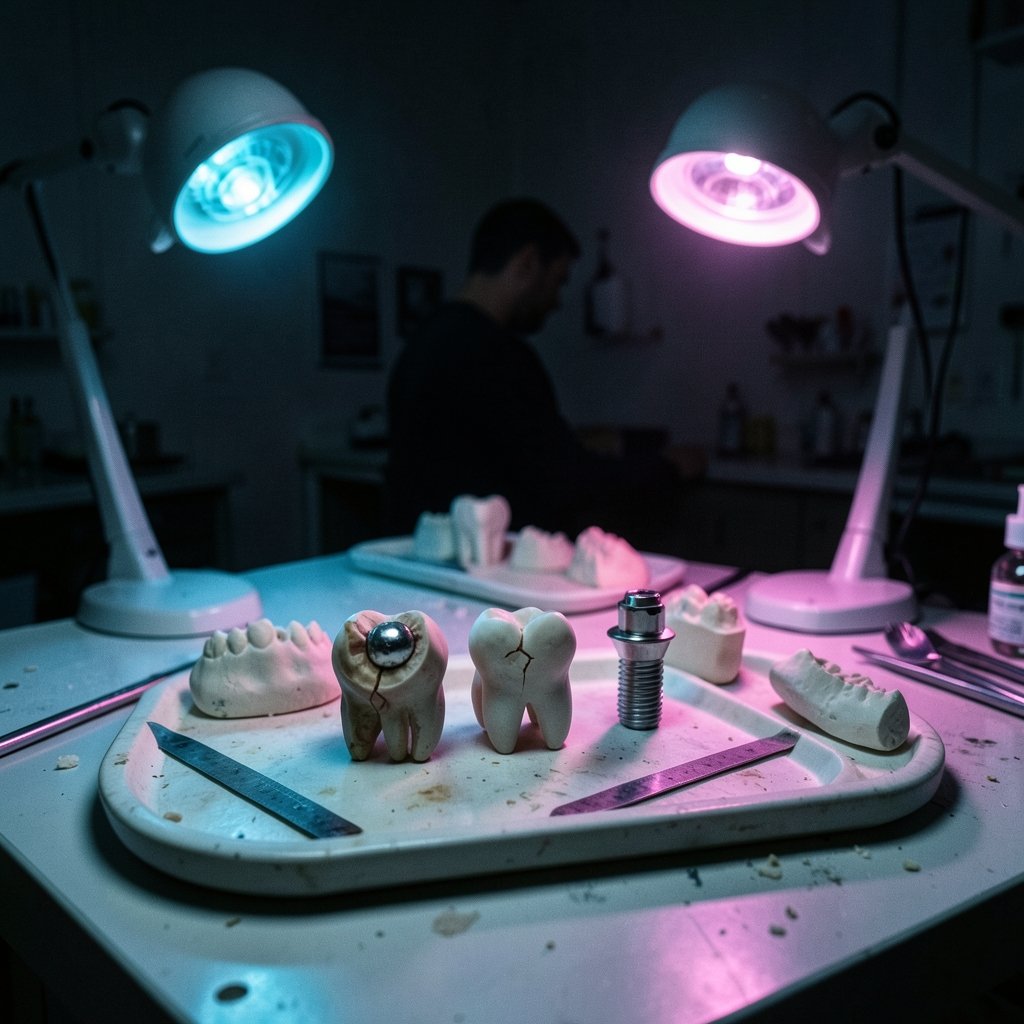
Crowns are not handed out casually. Dentists recommend them when a tooth cannot be reliably repaired any other way. The most common reasons include:
- After root canal treatment. A tooth that has had its pulp removed becomes brittle and is much more prone to fracture. A crown holds it together.
- When a filling is too large. If too little natural tooth remains, a filling can crack the remaining walls. A crown distributes biting force across the whole tooth.
- Cracked or fractured teeth. Cracks that extend below the gumline usually cannot be fixed with bonding alone.
- To protect a dental implant. The crown is the visible “tooth” that sits on top of the implant screw.
- Cosmetic or functional reshaping. Badly worn, discoloured, or misshapen teeth can be rebuilt with crowns when other options fall short.
There is a judgment call built into every one of these situations. A dentist weighs how much healthy tooth structure is left, where the tooth sits in the bite, and how much force it takes during chewing. A back molar that grinds through food all day needs more protection than a front tooth that mostly looks good in photos.
The Two-Appointment Procedure, Step by Step
Most conventional crowns take two visits, usually about two weeks apart. Here is how the process typically unfolds.
- Examination and imaging. The dentist checks the tooth, often with an X-ray, to confirm the diagnosis and plan the shape of the preparation.
- Numbing and shaping. Local anaesthetic is applied, and the dentist reduces the tooth by roughly a millimetre or two around its circumference to make room for the crown. This step is irreversible, which is why the decision deserves a proper conversation first.
- Impression or digital scan. A traditional putty impression or an intraoral scanner captures the exact shape of the prepared tooth and the surrounding bite.
- Temporary crown. A plastic or resin temporary is fitted to protect the tooth and keep it looking normal between visits.
- Fitting the permanent crown. At the second visit, the temporary comes off, the permanent crown is checked for fit, colour, and bite, and then cemented into place.
Some practices offer same-day crowns made with CAD/CAM milling machines. The tooth is scanned, the crown is designed on a computer, and a ceramic block is milled and fitted within a single appointment. Same-day crowns are convenient, but not every case suits them, particularly where the bite needs careful adjustment or the tooth needs to settle first.
Choosing a Crown Material
Material choice is one of the most practical conversations you will have with your dentist. Each option trades off strength, appearance, and cost in different ways.
| Material | Best For | Strengths | Trade-offs |
|---|---|---|---|
| All-ceramic or porcelain | Front teeth, visible areas | Most natural appearance, no metal showing | Can wear opposing teeth slightly more; higher cost |
| Porcelain fused to metal | Both front and back teeth | Good balance of looks and strength | Dark metal line can appear at the gum over time |
| Gold alloy | Back molars | Extremely durable, gentle on opposing teeth | Visible colour; higher upfront cost |
| Base-metal alloy | Back teeth on a budget | Strong and relatively inexpensive | Less natural appearance; possible metal taste |
A practical tip from the chair: if the crown is going on a back molar and you grind your teeth at night, durability should probably outrank perfect colour matching. Nobody sees your second molar in a smile, but everybody feels it when it cracks.
How Long Do Crowns Last?
Crowns are durable but not permanent. Published estimates commonly put the median survival of a crown at around ten years or more, with many lasting considerably longer. The range is wide because survival depends heavily on the material, the skill of the preparation, the patient’s bite, and hygiene habits.
The single biggest factor patients control is gum health around the crown margin. The most common reason a crown fails is not the crown itself breaking, but decay creeping in at the edge where the crown meets the tooth. That edge is a plaque trap if it is not cleaned properly. Flossing around a crowned tooth is not optional maintenance; it is what keeps the restoration alive.
Grinding and clenching also shorten crown life dramatically. If a dentist spots heavy wear patterns, a night guard is often recommended alongside the crown, and it is money well spent.
What About Cost and Coverage?
Costs vary enormously by country, region, material, and whether a specialist is involved. In the United States, crowns sit among the more expensive routine restorative procedures, often running several hundred to over a thousand dollars per tooth depending on the material and the local market. Insurance frequently covers part of the cost, though many plans apply a yearly maximum and a waiting period for major work.
In the United Kingdom, crowns are generally provided on the NHS as Band 3 treatment, which carries the highest of the three NHS patient charge bands. Because that charge is reviewed periodically, it is worth confirming the current figure with your practice rather than relying on an old number.
A sensible approach before committing: ask for a written treatment plan that lists the material, the total cost, and what happens if the crown fails within a warranty period. Many practices offer a guarantee of a year or more on their lab work, and it costs nothing to ask.
Crowns Versus Other Options
A crown is not always the only route. Depending on how much tooth remains, alternatives include:
- A large filling, suitable when enough healthy walls remain to hold it.
- An inlay or onlay, a lab-made piece that covers part of the tooth rather than all of it, often a good middle ground.
- Extraction, sometimes the honest choice when a tooth is fractured beyond repair, followed by an implant, bridge, or denture.
The right answer depends on remaining tooth structure and bite forces, and a good dentist will explain why one option beats another in your specific case. If you have also been quoted for cosmetic dent repairs elsewhere, it helps to know the limits of those techniques. Not every chip or crack can be bonded away, and some damage genuinely needs full-coverage protection. A useful primer on where conservative repair stops working is this explanation of what paintless dent repair can and cannot fix — the same logic of “patch it or cover it” applies surprisingly well to teeth.
Caring for a Crowned Tooth
A crowned tooth is not a fake tooth. The crown is an outer shell; underneath it, the original tooth root and often the nerve are still there. That means the tooth can still decay, and the gum around it can still become inflamed.
Practical care looks like this:
- Brush twice daily with fluoride toothpaste, paying attention to the gumline where the crown meets the tooth.
- Floss or use interdental brushes daily. This is the step most people skip and the one that matters most for crown longevity.
- Avoid chewing ice, hard sweets, or unpopped popcorn kernels, which are common causes of ceramic fractures.
- Keep regular dental check-ups so the margin can be inspected and any early decay caught while it is still small.
- Wear a night guard if you grind. It protects both the crown and the teeth opposing it.
One common mistake: assuming a crown means that tooth is “done” and can be neglected. In practice, crowned teeth need more attention at the margin, not less.
Common Misconceptions Worth Clearing Up
A few myths come up again and again in practice. Crowns do not need to be replaced on a fixed schedule; they are replaced when they fail, and many last well beyond a decade. Crowns are not always obvious to others; modern ceramics match natural teeth closely, especially on front teeth. And a crown does not automatically mean a root canal. Many crowned teeth have healthy nerves, and the root canal decision depends on the state of the pulp, not on the crown itself.
Another point: a temporary crown protects the freshly cut tooth, keeps neighbouring teeth from drifting, and holds the space so the permanent crown fits properly. If a temporary comes loose, call the practice promptly rather than waiting it out.
Conclusion
A dental crown is a well-established, predictable way to save a tooth that would otherwise be at risk. The procedure is straightforward, the materials are well understood, and the outcome depends heavily on things patients can control: hygiene at the margin, protecting the crown from grinding, and showing up for check-ups. The most important step happens before any drilling begins, though. Ask why a crown is needed, what the alternatives are, which material suits the tooth, and what the total cost will be. A dentist who welcomes those questions is usually the one you want holding the drill.
Frequently Asked Questions
Does getting a dental crown hurt?
The procedure itself is done under local anaesthetic, so it should not be painful. Most people report mild sensitivity or gum soreness for a few days afterwards, especially around the prepared tooth. Any sharp or lasting pain should be reported to the dentist, as it can signal a bite that needs adjusting.
How long does a dental crown last?
Estimates commonly put median crown survival at around ten years or more, with many lasting considerably longer. Material choice, the quality of the preparation, gum health at the margin, and whether you grind your teeth all affect how long a crown lasts.
Can a crowned tooth still decay?
Yes. The crown covers the tooth but does not make it immune to decay. Bacteria can collect at the margin where the crown meets the gum, so daily flossing and regular check-ups are essential for protecting the underlying tooth.
Is a root canal always needed before a crown?
No. Many crowned teeth have healthy nerves and need no root canal. The decision depends on the condition of the pulp, not on the crown itself. Teeth that have already had root canal treatment, however, almost always need a crown afterwards for strength.
What is the difference between a crown and a filling?
A filling patches a cavity and leaves most of the natural tooth intact. A crown covers the entire visible tooth and is used when too little healthy structure remains for a filling to hold reliably, or when the tooth needs protection from cracking.
How much does a dental crown cost?
Cost varies widely by country, material, and region. In the United States, crowns often run from several hundred to over a thousand dollars per tooth. In the UK, NHS crowns are generally Band 3 treatment, which carries the highest patient charge band. Always ask for a written treatment plan with the total cost confirmed.



