
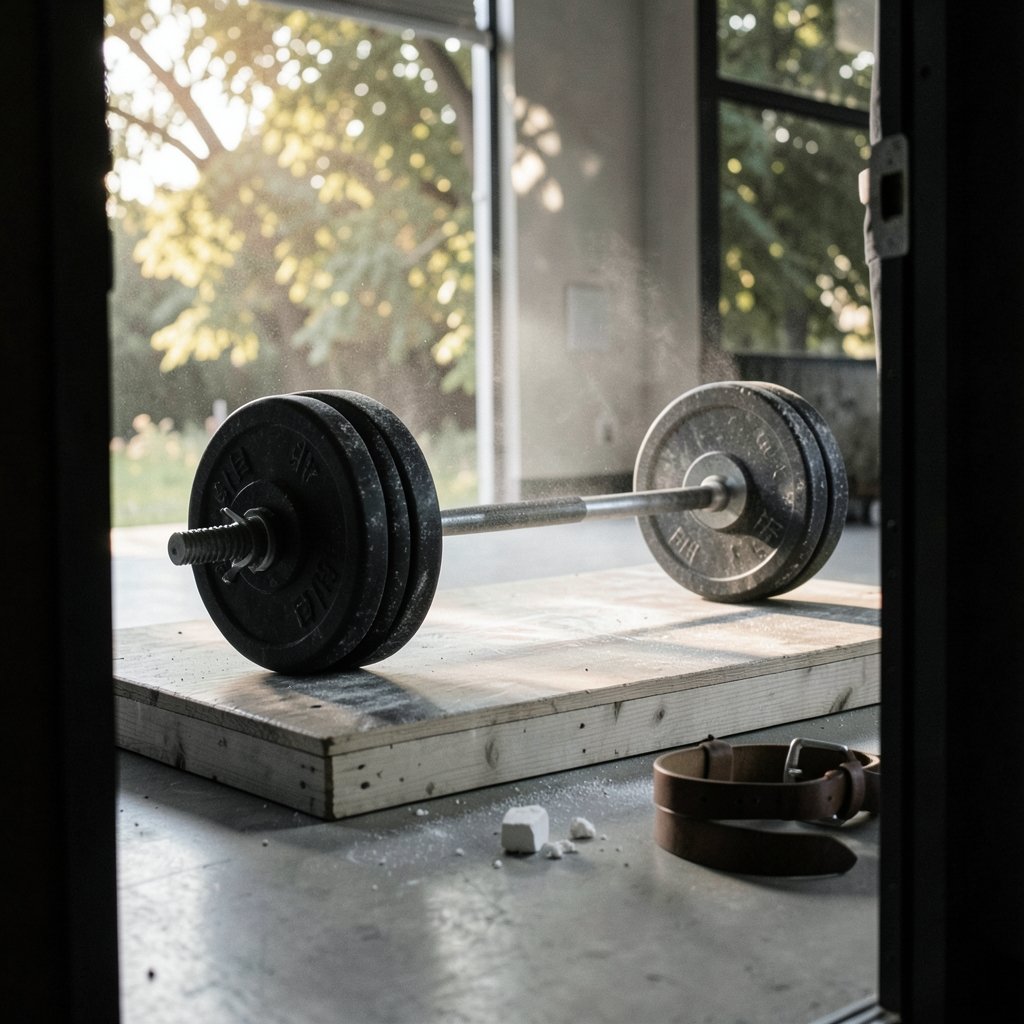
What makes a barbell loaded with more than twice a person’s body weight fly from the floor to locked-out arms in under three seconds? The clean and jerk is the answer, and it is the single heaviest lift contested in Olympic weightlifting. It looks violent. It is actually a precise skill built on timing, positions, and a surprising amount of patience.
This guide breaks down both phases of the lift, the three legal jerk styles, how judges decide what counts, and the mistakes that quietly cost lifters attempts in competition. Whether you are a new lifter trying to understand the movement or a fan watching a meet for the first time, the details below are the ones that actually matter.
What the clean and jerk actually is
Olympic weightlifting has two competition lifts: the snatch and the clean and jerk. An athlete’s total is the sum of their best successful snatch and best successful clean and jerk. That total decides the medal places, which is why a lifter who misses the jerk has effectively thrown away half their competition. (Clean projector lens safely without damaging coating)
The lift splits into two distinct tasks:
- The clean takes the bar from the platform to the shoulders, where it rests in the front rack position.
- The jerk drives the bar from the shoulders to a locked-out position overhead.
In competition, the bar must come to a complete rest at the shoulders before the jerk begins. That pause is not optional, and it is one of the most common places where beginners lose attempts. They rush the transition, the bar never settles, and the jerk goes sideways.
The clean, phase by phase
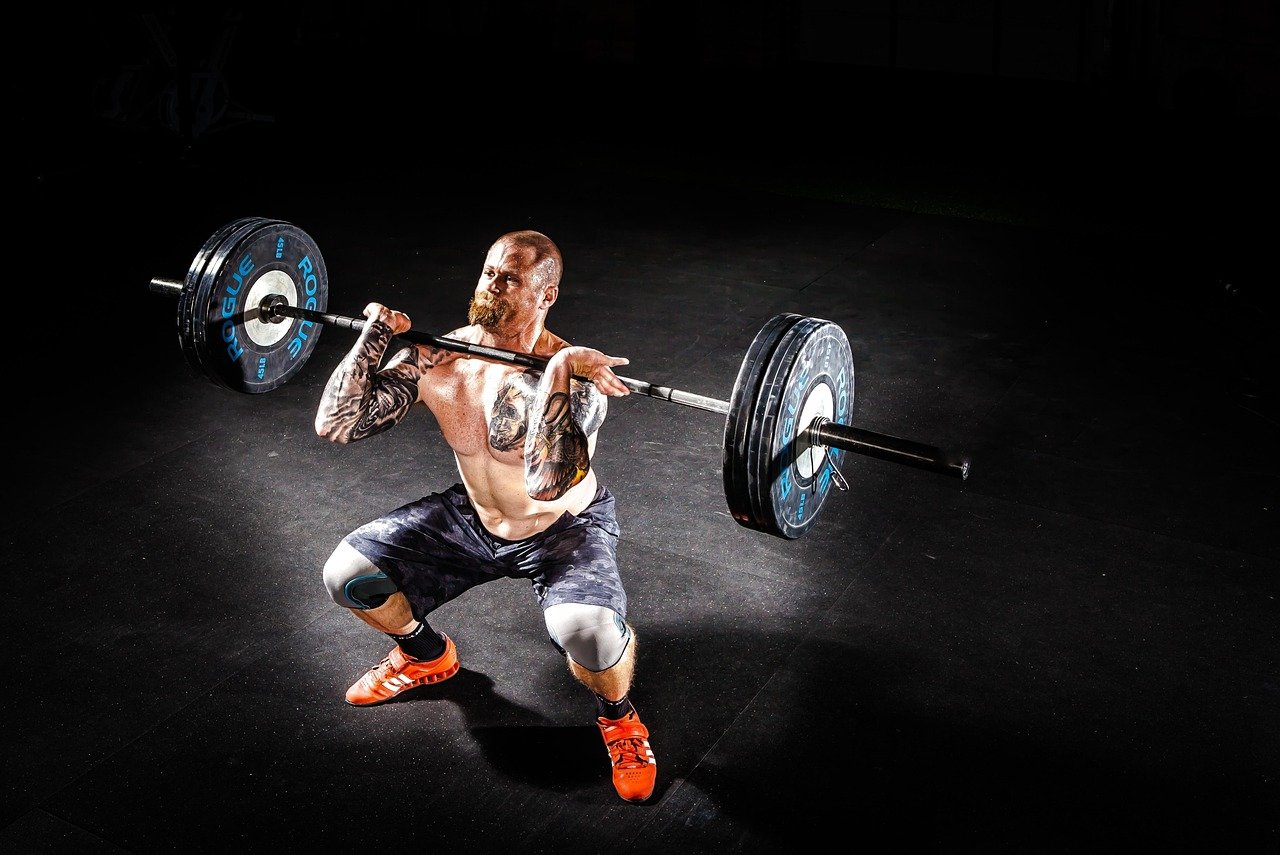
The clean is where most of the technical difficulty hides. It is a fast movement, but coaches teach it in slow pieces.
The setup and first pull
The lifter stands over the bar with feet hip-width apart, shins close to the bar, and shoulders slightly ahead of it. The first pull is a controlled push through the floor. The hips and shoulders rise together, and the bar travels close to the legs. The most common error here is letting the hips shoot up first, which turns the lift into a stiff-legged pull and kills the position needed later.
The second pull and extension
Once the bar passes the knees, the lifter accelerates. Hips, knees, and ankles extend in a coordinated jump-like motion, finishing with a triple extension of the lower body. This is where the power comes from. Lifters who cut the extension short end up muscling the bar up with the arms, which is slow and unreliable.
The turnover and catch
After extension, the lifter pulls the body under the bar rather than pulling the bar higher. The elbows rotate around the bar, and the athlete receives it in a front squat position: bar on the shoulders, elbows high, torso upright. From there, the lifter stands up to complete the clean.
A practical note that surprises many newcomers: the catch position is often the limiting factor, not raw pulling strength. Lifters who can deadlift heavy weights still struggle to stand up from a front squat with a bar on their shoulders. That is a mobility and positioning problem, not a strength problem, and it is fixed with front squat practice and wrist and shoulder work.
The jerk, and the three styles that count
The jerk is a different animal. The bar is already at the shoulders. The question is how to get it overhead and hold it there while the judges count.
The dip and drive is the engine of every jerk. The lifter bends the knees slightly, then drives upward explosively, using the legs to launch the bar off the shoulders. The arms finish the job by locking out.
From there, lifters choose one of three legal styles.
| Style | What happens | Who uses it |
|---|---|---|
| Split jerk | Lifter drives under the bar and lands in a lunge, one foot forward and one back | Most common style at every level, including elite competition |
| Push jerk | Lifter re-bends the knees and catches the bar overhead with feet in place | Lifters with strong overhead stability or limited split mobility |
| Squat jerk | Lifter drops into a deep squat under the bar, feet in place | Rare; associated with Chinese lifters such as Lü Xiaojun |
The split jerk dominates for a reason. Splitting lowers the receiving position, which means the bar does not have to travel as high. That margin matters when the weight gets heavy. The push jerk requires the bar to go higher, and the squat jerk demands extraordinary mobility and balance. Both are legal, and both show up occasionally at the top level, but the split remains the default for good reason.
How judging works: three lights and what they mean
Three referees judge every attempt. Two or more white lights make it a good lift. Two or more red lights make it a no-lift.
The reasons for red lights are specific and worth knowing:
- Pressing out. The elbows must lock out in one continuous motion. If the arms stall and then press to finish, that is a press-out and a no-lift.
- Bending the elbows during the jerk recovery. Once the bar is overhead and the lifter is standing up, the elbows must stay locked.
- Touching the platform with a knee. In the clean, a knee touching the floor is a no-lift.
- Incomplete lockout. The bar must be held overhead with the arms and legs fully extended and the feet in line with the torso.
One practical tip for anyone watching or competing: judges are looking at the elbows and knees, not the face. A lifter who grimaces through a hard lockout but keeps the joints straight gets white lights. A lifter who looks calm but lets the elbows soften gets reds.
Bodyweight classes and how records are organized
Weightlifting divides athletes by bodyweight, and the classes changed in 2018. The old men’s classes of 56, 62, 69, 77, 85, 94, 105, and +105 kg and the old women’s classes of 48, 53, 58, 63, 69, 75, 90, and +90 kg were replaced with new divisions.
The current Olympic classes are:
- Men: 61, 73, 89, 102, and +102 kg
- Women: 49, 59, 71, 81, and +81 kg
World records are kept separately for each class and each lift. That means a clean and jerk record in one class has no bearing on another. For example, Lasha Talakhadze’s clean and jerk record in the superheavyweight class sits in the region of 267 kg, set around 2021. Records move, so the current figures are worth checking against the official record list rather than trusting any article, including this one.
The class structure matters for training, too. Lifters who cut weight aggressively to make a lighter class often lose more strength than they gain from the smaller division. Coaches generally prefer athletes to compete near a natural walking weight, because a hard cut can flatten the very leg drive the jerk depends on.
What changed at Paris 2024
The Paris 2024 medalists show how deep the talent pool has become.
| Class | Men’s gold | Women’s gold |
|---|---|---|
| Lightest | Li Fabin (CHN), 61 kg | Hou Zhihui (CHN), 49 kg |
| Second | Rizki Juniansyah (INA), 73 kg | Luo Shifang (CHN), 59 kg |
| Middle | Karlos Nasar (BUL), 89 kg | Olivia Reeves (USA), 71 kg |
| Heavy | Liu Huanhua (CHN), 102 kg | Solfrid Koanda (NOR), 81 kg |
| Superheavy | Lasha Talakhadze (GEO), +102 kg | Li Wenwen (CHN), +81 kg |
Two things stand out. First, China’s dominance across both genders is structural, not accidental. Second, the middle classes produced breakout performances from outside the traditional powers, including Olivia Reeves in the women’s 71 kg. That kind of result tends to pull more athletes into the sport.
One common error worth correcting: the clean and jerk is not a Paralympic event. Para powerlifting uses only the bench press. Anyone who tells you otherwise is confusing two different sports.
Mistakes that cost lifters attempts
Most failed attempts at the clean and jerk come from a short list of repeat offenders. These show up at local meets and international finals alike.
- Rushing the jerk. The bar must rest at the shoulders. Lifters who jerk the instant the clean finishes often lose balance because their torso has not settled.
- Letting the bar drift forward in the clean. The bar should travel close to the body. A bar that swings out forces the lifter to chase it forward and lose the catch.
- Cutting the drive short. A shallow dip in the jerk produces a weak launch, and the lifter ends up pressing the bar instead of driving it.
- Skipping the split. Lifters who split too shallowly cannot get under the bar, so the bar stalls at eye level.
- Neglecting recovery. The jerk is not finished until the lifter stands up with the bar overhead and the feet back in line. Many attempts are lost in that final step.
The pattern behind all of these is the same: the lift rewards patience in transition and aggression in execution. Lifters who reverse that order struggle.
Training the lift without wrecking yourself
The clean and jerk is a skill, and skill work responds to frequency and quality rather than volume. A few practical habits separate lifters who progress from those who stall.
Train the pieces separately. Cleans from the floor, front squats, jerks from the rack, and overhead holds all build the lift without the fatigue of full attempts. This is standard practice in serious programs.
Film every session. The lift happens too fast to feel accurately. A phone on a tripod catches bar path, footwork, and elbow position in ways that mirrors and coaching cues cannot. Most lifters are shocked the first time they see their own bar drift.
Respect recovery. The clean and jerk loads the wrists, shoulders, and lower back heavily. Wrist wraps and chalk are cheap insurance, and a mobility routine for the front rack pays for itself.
Keep equipment clean. Chalk dust, sweat, and platform grit build up on bars and collars, and a dirty bar spins poorly. The same principle applies to gear and workspaces in general: small maintenance habits prevent big problems. Anyone who has dealt with buildup on equipment knows the drill, whether it is cleaning grout so it actually looks clean again in a gym bathroom or wiping down a bar between sessions.
Watch the details in your workspace. If you film lifts on a laptop or review footage on a screen, keep the display clean so you can actually see the bar path. Learning to clean a laptop screen without damaging the coating is a small skill that saves an expensive repair.
Coaching cues that actually work
Good cues are short and physical. The best ones redirect attention to a single body part at the right moment.
- “Push the floor away” for the first pull, which keeps the hips and shoulders rising together.
- “Elbows high” in the front rack, which keeps the bar on the shoulders instead of the hands.
- “Dip straight down” in the jerk, which prevents the chest from tipping forward.
- “Punch the ceiling” at lockout, which encourages a complete, committed finish.
Cues are personal. What works for one lifter confuses another. The test is simple: does the cue change the movement on the next rep? If not, drop it.
Conclusion
The clean and jerk rewards a strange combination of qualities: explosive power in the pull, patience in the transition, and precision in the lockout. It is the heaviest lift in Olympic weightlifting for a reason, and it is also the most technical. The lifters who succeed are not always the strongest in the room. They are the ones who respect the positions, train the pieces, and stay calm when the bar gets heavy.
For anyone new to the sport, the path is straightforward. Learn the front rack. Learn the dip and drive. Learn to split. Then add weight slowly and film everything. The lift will teach you the rest.



