
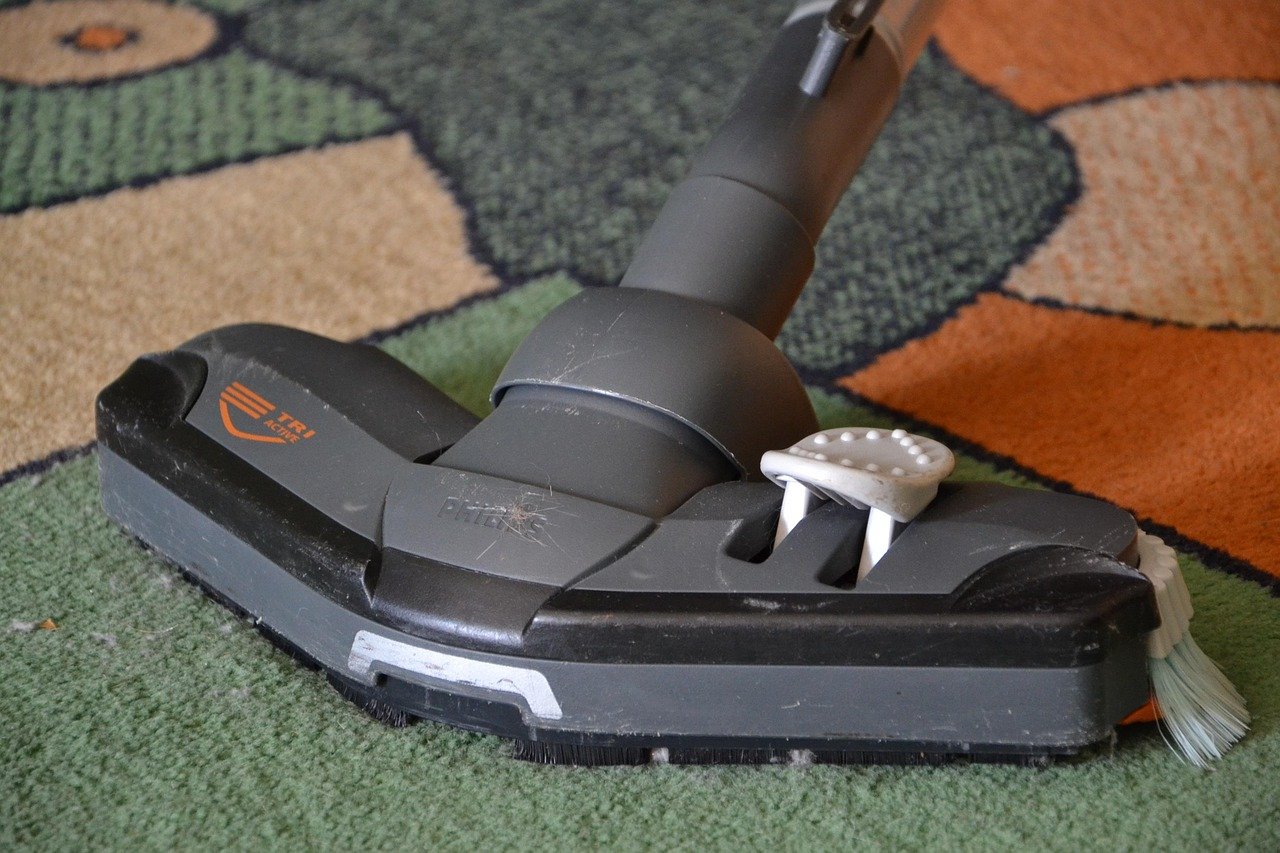
What good is a vacuum if it only skims the surface of your carpet? Most people blame the machine when their rugs still look flat and dull after a pass, but the real problem is usually a mismatch between the vacuum and the carpet. A lightweight stick vacuum that shines on bare tile can barely touch a plush bedroom carpet, while a heavy upright that digs into deep pile may damage a looped Berber or a delicate shag. (Best vacuum for carpet)
This guide cuts through the marketing noise. It explains what separates a vacuum that genuinely cleans carpet from one that just makes noise, which features matter for different pile types, and how to match a machine to your home. Along the way, it flags common mistakes that quietly wreck carpet performance, plus the maintenance habits that keep suction strong for years.
The One Feature That Matters Most on Carpet
If you remember nothing else, remember this: a motorized brush roll. Carpet traps soil deep in the pile, and suction alone pulls mostly from the top. A spinning brush agitates the fibers, loosens embedded grit, and lifts it into the airflow. That mechanical action is why uprights with powered brush rolls have long been the default recommendation for wall-to-wall carpet.
Canisters can match this performance, but only when they come with a powered head rather than an air-driven turbine. Air-driven heads spin from suction alone, and they slow down on dense carpet just when you need them most. A canister with a true electric power head is a legitimate carpet tool; a canister with a passive floor nozzle is not.
Two related specs deserve attention:
- Adjustable height settings. Deep pile needs the brush to float higher; low-pile and looped carpet need it closer. A machine with only one height setting will either skip over plush carpet or chew at low pile.
- Brush-roll shutoff. Essential for hard floors, and a lifesaver on delicate or hand-knotted rugs where a spinning brush can pull threads.
If you are weighing how these machines fit into a broader cleaning routine, it helps to think through whether a single device can genuinely cover both carpet and hard surfaces before you commit to one.
Upright vs. Canister vs. Robot: Matching the Machine to the Carpet
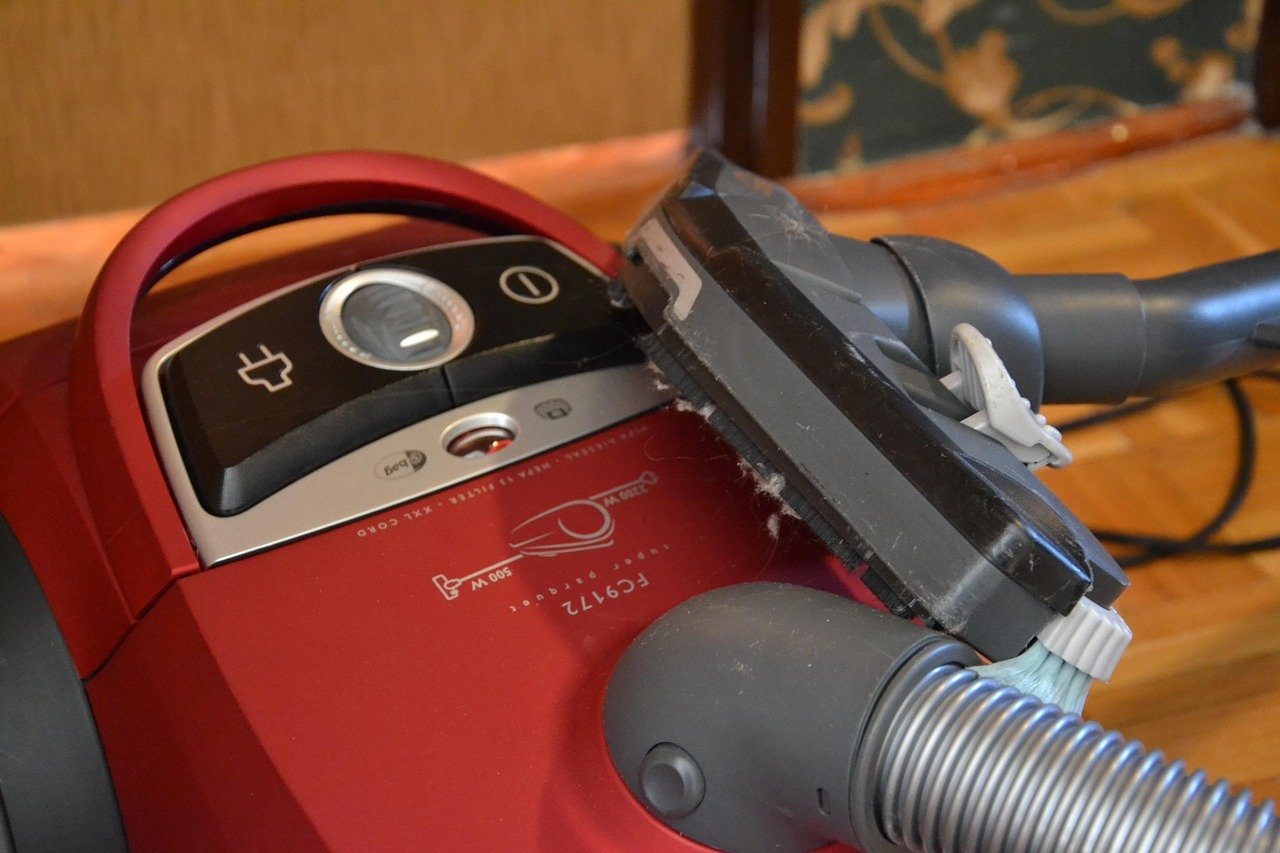
There is no single best vacuum for carpet because carpets differ wildly. Here is how the main formats stack up.
| Format | Best for | Watch out for |
|---|---|---|
| Upright with brush roll | Wall-to-wall carpet, whole-home cleaning | Heavier (often 7 to 9 kg), awkward on stairs |
| Canister with power head | Carpet plus hard floors, stairs, tight corners | Bulkier to store; performance depends on the head |
| Robot vacuum | Daily upkeep on low-to-medium pile | Limited deep-cleaning power; struggles on shag |
| Stick vacuum | Quick touch-ups, low-pile rugs | Small bins; weaker brush rolls on deep pile |
Uprights dominate carpet cleaning for a reason: the weight sits over the brush head, pressing it into the pile. That design also makes them tiring on stairs and in multi-floor homes. A canister flips the trade-off, keeping the heavy motor in a body you tow behind while a light wand reaches under furniture.
Robot vacuums have improved dramatically, but they remain maintenance tools rather than deep cleaners. They are excellent at keeping low-pile carpet free of daily debris, and they pair well with a full-size vacuum used weekly. One practical trap: some robots mistake dark carpet for a drop-off and refuse to enter a room. Knowing why cliff sensors can fail on black carpet, and how to work around it, saves a lot of frustration.
Pile Type Changes Everything
Buying a vacuum without checking your carpet’s pile is the most common mistake in this category. The same aggressive brush roll that rescues a crushed plush carpet can fray a looped wool rug.
Low-pile and Berber (looped) carpet. These need a brush roll you can slow or switch off. Looped fibers catch on stiff bristles and pull into loops, which is how snags start. Look for adjustable height and a gentle brush setting.
Medium-pile (the typical family carpet). This is the sweet spot for most uprights and power-head canisters. A standard brush roll with height adjustment handles it well.
Deep pile and shag. Here, too much brush contact buries the head and stalls the roll. You want a machine that rides higher, and you may need to vacuum in multiple slow passes rather than one fast one. Some shag owners do better with strong suction and a gentle pass than with maximum agitation.
Hand-knotted and delicate rugs. Brush-roll shutoff is non-negotiable. Use suction-only mode with a hard-floor head, and test a corner first.
If you want a deeper breakdown of matching machines to fiber and pile, dedicated carpet-vacuum guides walk through the trade-offs in more detail.
Filtration, Bags, and Air Quality
Carpet is a reservoir. It holds dust, pollen, pet dander, and fine particles that get kicked back into the air with every step. That makes filtration a health feature, not a luxury.
HEPA filtration is defined by capture efficiency: the long-standing benchmark is 99.97% of particles at 0.3 micrometers. On carpet, a sealed HEPA system keeps what the vacuum picks up from blowing back out. Be skeptical of “HEPA-type” and “HEPA-like” labels, which are marketing terms rather than certified standards. Only a genuinely certified filter earns the name.
Bagged vs. bagless is the other big fork:
- Bagged machines contain dust better when you empty them, and the bag acts as a pre-filter that keeps the main filter cleaner longer.
- Bagless machines save on consumables but demand more filter cleaning, and emptying the bin can release a puff of fine dust.
For allergy sufferers, bagged with sealed HEPA is often the calmer choice. For everyone else, it comes down to whether you will actually maintain a bagless machine. A clogged filter kills airflow, and reduced airflow is the number one cause of “my vacuum stopped picking up” complaints on carpet.
Weight, Noise, and the Details That Decide Daily Use
A vacuum you dread hauling out does not clean carpets. Two specs shape that experience.
Weight. Carpet-capable uprights commonly run 7 to 9 kg (roughly 15 to 20 lb). That is fine on one level and miserable on a three-story townhouse. If stairs are part of your routine, a canister or a lighter upright with a hose and stair tool earns its keep.
Noise. Vacuum noise is measured in dB(A), and quieter models are often cited around 70 dB(A) or below, though test methods vary between brands, so comparisons are rough. If you vacuum while a baby sleeps or a partner works from home, check real-world reviews rather than the spec sheet.
Other details that separate a pleasant machine from a chore:
- Cord length. Longer cords mean fewer outlet swaps. Cordless freedom is tempting, but runtime on high power is short, and carpet needs high power.
- Hose and tools. A crevice tool and an upholstery brush matter more than most buyers expect.
- Bin or bag capacity. Large carpets fill small bins fast.
What Independent Testing Actually Shows
Testing bodies such as Which? in the UK and Consumer Reports in the US publish carpet-specific results, and their rankings often disagree. That is not a scandal; it reflects different methods. One lab may weight soil removal heavily, another may emphasize dust containment or ease of use.
The Carpet and Rug Institute runs a Seal of Approval program that tests vacuums for soil removal, dust containment, and carpet wear. Products that pass are listed by the institute. It is a useful starting filter, but the listings change, so check current results rather than trusting an old screenshot.
The practical takeaway: treat any single “best” list, including this one’s guidance, as a starting point. Cross-check two independent sources, then weigh what matters for your carpet type and home layout.
Common Mistakes That Undermine Carpet Cleaning
Even a great vacuum underperforms when used wrong. These are the errors that show up again and again.
- Vacuuming too fast. Brush rolls need dwell time to agitate pile. Slow, overlapping passes remove far more soil than a quick once-over.
- Ignoring the height setting. A brush set too low stalls and scuffs; set too high, it skips the pile entirely.
- Never cleaning the filter. A clogged filter chokes airflow. Rinse or replace per the manual, and let filters dry fully before reinstalling.
- Letting hair wrap the brush roll. Tangled bristles stop agitating. If long hair is a household reality, regular de-tangling beats emergency surgery, and the same discipline applies to full-size machines.
- Skipping the edges and under furniture. Carpet edges collect grit that wears fibers. Use the crevice tool along baseboards monthly.
- Over-wetting during spot cleaning. Too much moisture and cleaner residue attract dirt. Dilution ratios matter, and so does rinsing.
If your machine suddenly stops mid-pass, the problem is often mechanical rather than mysterious. The same troubleshooting logic applies to any vacuum: check the brush, the wheels, and the airflow path before assuming the motor is dying.
Maintenance Habits That Keep Suction Strong
Carpet performance decays quietly. A vacuum that cleaned brilliantly in month one can feel weak by month twelve, not because it broke but because airflow dropped.
- Empty or replace bags at about two-thirds full. A packed bag strangles suction.
- Clean or replace filters on schedule. Foam and felt filters usually want rinsing monthly; HEPA filters last longer but do clog.
- Cut hair and thread off the brush roll every few weeks. Scissors beat pulling, which can stretch bristles.
- Check the belt on belt-driven uprights. A stretched belt slips and the brush slows.
- Inspect the hose for clogs if suction drops suddenly. A coin or sock in the bend is a classic culprit.
Good maintenance also protects the machine’s navigation and sensors if it is a robot. Keeping brushes and sensors clean is the same principle that applies to robot navigation systems of every kind: the hardware only performs as well as its upkeep allows.
How to Choose in Five Steps
- Identify your pile type. Looped, low, medium, deep, or delicate. This single fact narrows the field fast.
- Require a motorized brush roll with adjustable height, plus shutoff if you have delicate rugs.
- Decide bagged or bagless based on whether you will maintain filters honestly.
- Weigh the ergonomics. Stairs, storage, and noise matter as much as cleaning scores.
- Cross-check two independent test sources and confirm current certification listings before buying.
Conclusion
The best vacuum cleaner for carpet is not the most powerful one on a spec sheet; it is the one whose brush roll, height settings, and filtration match your specific carpet and your actual home. Uprights with motorized brush rolls remain the strongest choice for wall-to-wall carpet, canisters with true power heads win on stairs and mixed flooring, and robots make excellent daily helpers on low and medium pile. Get the pile type right, respect the brush roll, and keep the filter and brush clean, and almost any well-chosen machine will keep your carpet looking fuller and cleaner for years. Buy for your carpet, not for the label.
FAQ
What is the best type of vacuum for deep-pile carpet?
An upright with a motorized brush roll and adjustable height settings is usually the safest bet for deep pile. The height adjustment lets the brush float higher so it agitates the fibers without burying the head. A canister with a powered head can work equally well if you prefer the lighter wand and easier stair cleaning.
Do I need a brush roll for carpet, or is strong suction enough?
Suction alone mostly pulls debris from the surface. Carpet traps soil deep in the pile, and a spinning brush roll agitates the fibers to loosen it. For low-pile rugs, strong suction with a gentle brush can be enough. For medium and deep pile, a motorized brush roll makes a clear difference.
Can a robot vacuum replace a full-size vacuum on carpet?
Not for deep cleaning. Robot vacuums are excellent at daily upkeep on low and medium pile, keeping surface debris down between proper cleans. They have smaller motors and bins, and they struggle on shag or very deep pile. The realistic setup is a robot for maintenance plus a full-size vacuum weekly. (Robot vacuum cleaning solution alternatives that actually)
Is a bagged or bagless vacuum better for allergies?
Bagged machines with sealed HEPA filtration generally contain dust better, especially when emptied, and the bag acts as a pre-filter. Bagless machines can release fine dust when you empty the bin. Either type works if maintained well, but bagged tends to be the calmer choice for allergy sufferers.
How often should I clean a vacuum filter on carpet?
Most foam and felt filters want rinsing about once a month with normal carpet use, and more often in homes with pets or heavy foot traffic. Always let filters dry completely before reinstalling. HEPA filters last longer but still clog over time, so check them monthly and replace when airflow drops.
Why does my vacuum stop picking up on carpet even though it runs fine?
Reduced airflow is almost always the cause. Check the bag or bin level, the filter, the hose for clogs, and the brush roll for wrapped hair. A stretched belt on a belt-driven upright also slows the brush. Work through those four points before assuming the motor is failing.



