
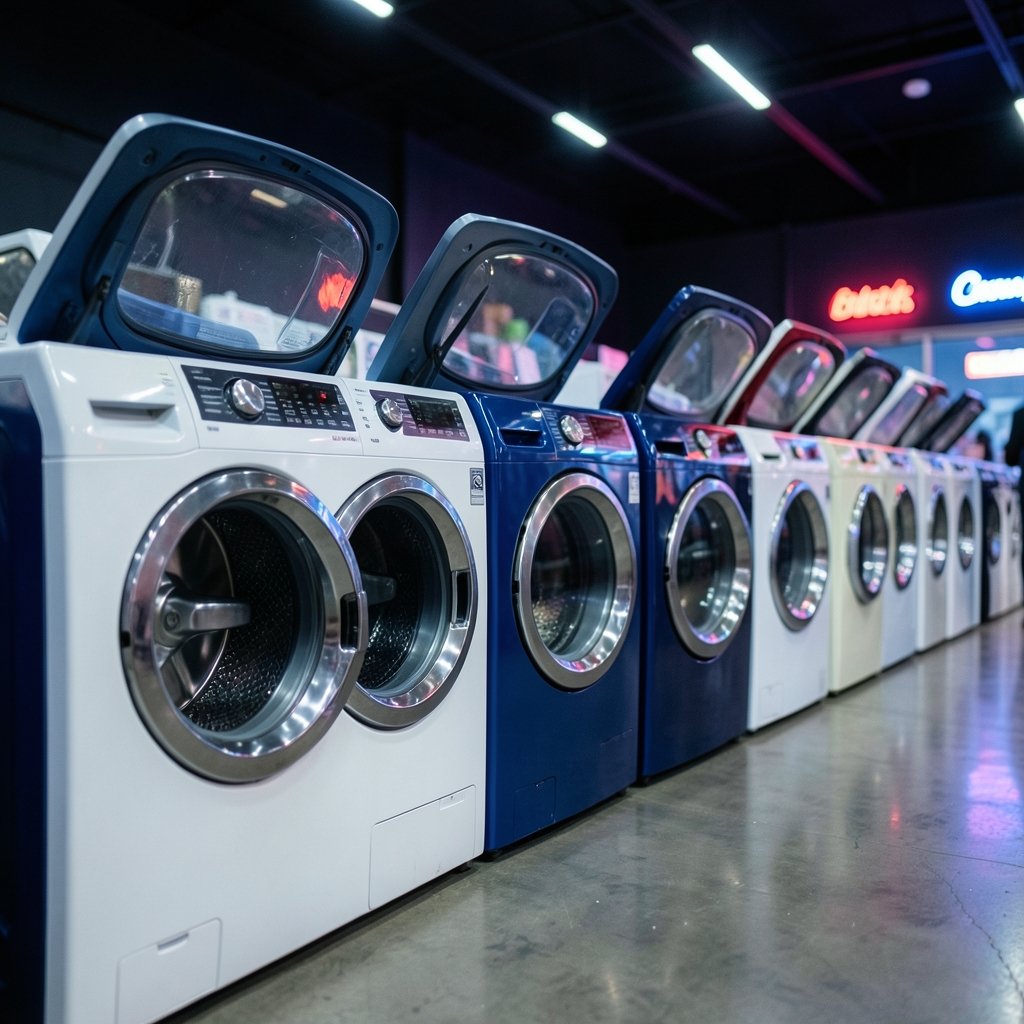
What if the most popular washer style in America is also the one most people buy wrong? Top load washers outsell front loaders in many households, yet the shopping experience is a minefield of marketing claims, confusing capacity numbers, and debates about agitators versus impellers. The “best” machine for a family of five with muddy soccer uniforms is not the same machine that suits a couple living in a small apartment. This guide cuts through the noise with practical selection criteria, honest trade-offs, and the mistakes that trip up even careful buyers.
Why top load washers still make sense
Top loaders have a few structural advantages that no amount of front-loader hype erases. They cost less on average, they let you drop in a forgotten sock mid-cycle, and they do not require bending to load. They also cannot leak through a door seal because there is no door seal. For renters, older homes with uneven floors, or anyone who has watched a front-loader door gasket grow mildew, that simplicity has real value.
The catch is that the category has split into two very different machine types, and most buying advice glosses over the split. Understanding it is the single most useful thing you can do before shopping.
Agitator vs. impeller: the decision that shapes everything else
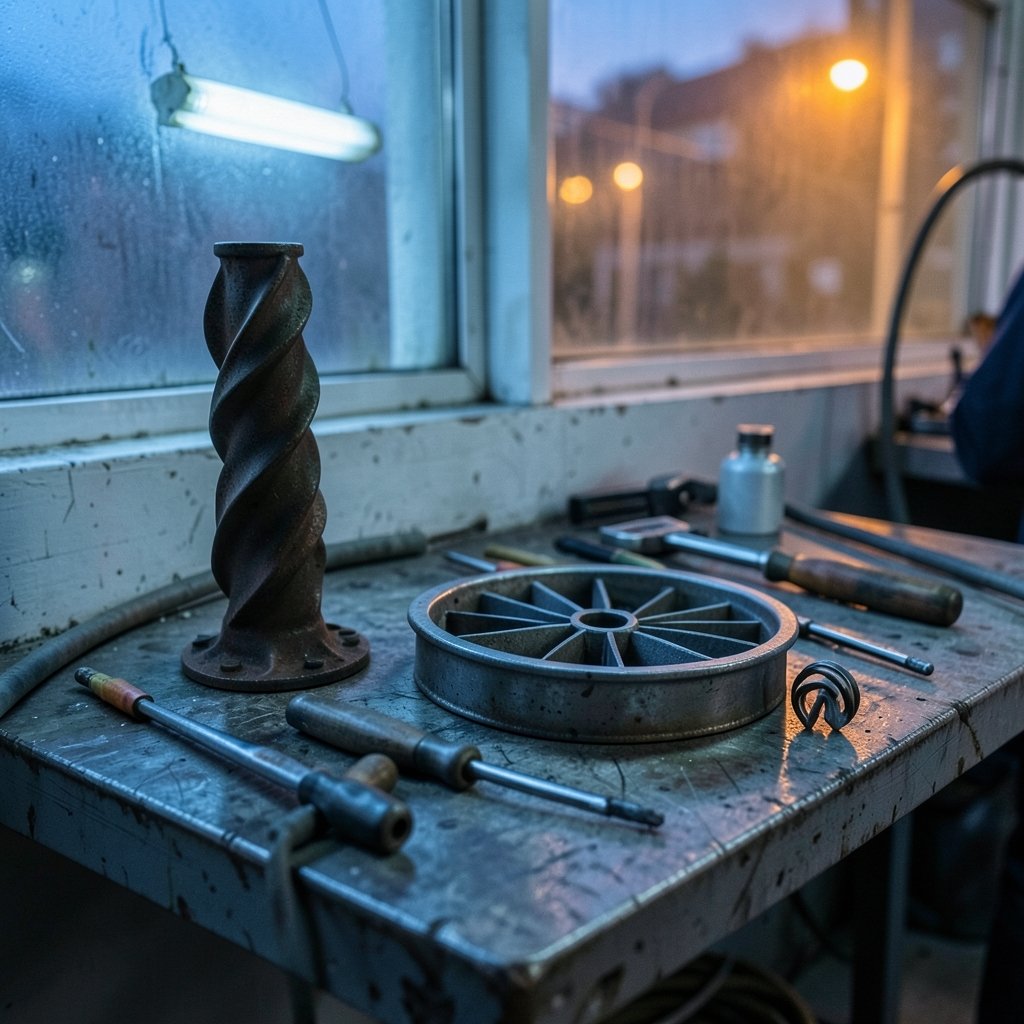
Traditional top loaders use a central agitator, a post that twists back and forth to move clothes through the water. High-efficiency models often use an impeller, a low plate at the bottom of the drum that swirls clothes around. Some machines combine both approaches with a wash plate and a small auger.
| Feature | Agitator models | Impeller models |
|---|---|---|
| Cleaning on heavy soil | Generally stronger | Good, but relies on longer cycles |
| Fabric gentleness | Rougher on delicates | Gentler overall |
| Water use | Typically higher | Typically lower |
| Tangling risk | Lower for large items | Higher for sheets and long sleeves |
| Best for | Work clothes, kids’ laundry, grease | Everyday loads, delicates, efficiency goals |
Testing outlets that run standardized stain tests have long reported that agitator machines handle heavily soiled loads better, while impeller machines are kinder to fabrics and use less water. That consensus is not a regulation or a lab standard, so treat it as a strong practical guideline rather than gospel. What actually works in practice: match the machine to your dirtiest load, not your average one. If half your laundry is gym clothes and gardening gear, an agitator earns its keep. If it is office wear and baby clothes, an impeller is the smarter call.
A common mistake is buying an impeller machine and then overloading it. Impellers need room for clothes to move. Fill the drum more than about three-quarters and you get a wet, tangled lump with detergent pockets. Agitator drums tolerate fuller loads, but stuffing either type past the recommended line shortens motor life.
Capacity: bigger is not automatically better
Top load capacities commonly run from roughly 3.5 to more than 6 cubic feet. The temptation is to buy the biggest drum you can afford “for blankets.” That logic backfires. Oversized drums can under-clean small loads because the machine cannot sense a tiny pile well enough to adjust water and agitation, and some budget models lack good load sensing entirely.
A practical sizing rule that holds up:
- One or two people: 3.5 to 4.2 cubic feet.
- Three or four people: 4.3 to 5.0 cubic feet.
- Five or more, or regular bedding and towels: 5.0 cubic feet and up.
Also measure your space before you fall in love with a model. Top loaders need clearance for the lid to open fully, and most lids open upward and backward, which matters if the machine sits under a shelf or in a tight alcove. Unlike many front loaders, top loaders cannot be stacked, so a laundry closet with vertical ambitions is a dead end. And check the doorways on the delivery path. A 27-inch-wide machine does not fit through a 26-inch doorway no matter how carefully the delivery crew tilts it.
If you are planning the laundry room around the machine, treat the electrical and load side as seriously as the appliance itself. Circuits that share a smart switch can misbehave at low draw, which is why it helps to understand smart switch minimum load explained and how to fix flickering lights before you add anything to the same circuit. It sounds unrelated to laundry, but a flickering utility-room light usually traces back to exactly this kind of load mismatch.
Efficiency labels: read them like a skeptic
Since the U.S. Department of Energy’s 2015 standards took effect, most new top loaders sold in the country are high-efficiency designs, either impeller models or agitator machines without a full central post. Traditional agitator washers generally use more water and energy. That shift is why so many buyers notice their new machine uses less water and wonder whether it is broken. It is not; it is doing what the standard requires.
ENERGY STAR certification, run by the EPA, flags models that meet specified energy and water limits. Those limits get revised over time, so a certification badge means the machine met the version of the spec in effect when it was tested. If efficiency is a priority, compare the yellow EnergyGuide label numbers rather than the badge alone. The label estimates yearly operating cost based on assumed usage, and the gap between a thirsty old agitator and a modern HE machine can be meaningful over a decade.
One non-negotiable: low-water HE top loaders need HE detergent, the low-sudsing kind. Regular detergent in a low-water machine can trigger oversudsing, which forces extra rinse cycles, wastes water, and can leave residue. This is long-standing manufacturer guidance, and ignoring it is one of the most common causes of “my new washer leaves soap spots” complaints.
Noise, vibration, and the floor beneath
Top loaders are generally louder than front loaders, and high spin speeds can shake a machine that is not level. Suspension design varies a lot by model, and a cheap machine on a springy second-floor laundry room will announce every spin cycle to the whole house. Practical fixes that actually work: level the machine with a spirit level on the lid, tighten the lock nuts, and put a rubber anti-vibration mat underneath if the floor is wood. Do not bother with fancy isolation pads on a concrete slab; they do little there.
If your home network shares space with the laundry room and you have noticed video calls stuttering while the washer runs, the culprit is usually congestion rather than the appliance. A quick router bufferbloat test and fix to cut latency under load is worth ten minutes before you blame the washer’s Wi-Fi module.
Smart features: useful or upselling?
Connected washers let you start a load remotely, get cycle-finished alerts, and download specialty cycles. These features are genuinely handy in a two-story house. They are also the first thing to fail when an app goes unsupported. A balanced view: pay for smart features only if remote start solves a real problem for you, such as starting a load on the way home. Otherwise, put that money into a better suspension system or a larger drum.
Similarly, auto-dispensing detergent sounds luxurious but locks you into the manufacturer’s detergent pod or refill ecosystem in some cases. Check before buying.
Reliability, warranties, and what surveys really say
Reliability rankings from testing organizations and consumer surveys shift year to year, and any “most reliable brand” claim should be tied to the specific survey year it came from. Rather than chase a brand name, look at these durable signals:
- Warranty structure. Typical U.S. washer coverage is about one year parts and labor, with longer coverage on the motor or drum, often five to ten years depending on brand. A ten-year motor warranty on a machine with a one-year control board warranty tells you where the manufacturer expects failures.
- Parts availability. A brand with a strong local repair network beats a slightly better spec sheet.
- Control board reputation. Electronic boards are the most common expensive failure. Simpler control panels with physical buttons tend to age better than all-touch panels.
The broader lesson from cloud infrastructure applies here too: single points of failure are what take systems down. The same thinking that drives common cloud load balancing problems that break production applies to appliances, where one failed board takes the whole machine offline. And just as engineers learn to distribute traffic across servers so no single node drowns, a household learns to spread laundry across sensible load sizes so no single cycle gets overloaded.
Installation and setup mistakes to avoid
Getting the machine home is half the battle. The other half is the first week of ownership, where most complaints originate.
- Remove the shipping bolts and packing materials before the first wash. Running with them in can damage the suspension.
- Level the machine front to back and side to side, then lock the feet.
- Connect hoses to the correct taps: hot to hot, cold to cold, and hand-tighten plus a quarter turn, not a wrench.
- Run a self-clean or hot water cycle with no clothes to flush manufacturing residue.
- Wash one small load first to confirm drainage and spin balance before committing a full basket.
A frequent error is over-tightening the water hoses. Rubber washers do the sealing; cranking the coupling with pliers cracks them and causes slow leaks that show up weeks later as warped flooring. Another is ignoring the drain hose height. Most top loaders need the drain outlet at a specified height above the floor, and a hose lying flat on the ground can siphon or fail to drain properly.
If you are also upgrading the surrounding infrastructure, the same discipline pays off. A cloud load balancing tutorial with a practical setup walkthrough is a good reminder that documented, step-by-step setup beats improvisation, whether you are configuring servers or hooking up a washer.
Matching the machine to your actual laundry habits
The best top load washer is the one that fits how you live, not the one with the longest feature list. A few honest questions narrow the field fast.
Do you regularly wash heavy items like comforters and work jeans? Prioritize an agitator or a hybrid wash plate and a drum of at least 4.8 cubic feet. Do you wash mostly light clothing and care about fabric longevity? An impeller machine with a gentle cycle and a good spin balance is the better fit. Is the machine going in a closet? Measure the lid swing and confirm the doorways. Is noise a concern? Look for models with a suspension system described as balanced or vibration-reducing, and read owner reviews that mention second-floor installations specifically.
One underrated factor: cycle time. HE top loaders often run longer cycles than old agitator machines because they use less water and rely on longer agitation and soak time. A “normal” cycle of 60 to 90 minutes is common. If you do multiple loads a day, check the quick-wash cycle time on the model you are considering; some machines offer a 30-minute cycle that handles lightly soiled clothes well.
Also consider detergent format. Powder works well in top loaders and is often cheaper per load, but it dissolves poorly in cold water. Liquid HE detergent is the safer default for cold cycles. Pods are convenient but should go in before the clothes, not on top, so they dissolve fully.
Conclusion
Buying a top load washer comes down to three decisions made in the right order: agitator or impeller, capacity that matches your household, and a model whose warranty and repair network you trust. Efficiency labels tell you what a machine will cost to run, but they do not tell you whether it will clean a mud-caked jacket or tangle a set of sheets. That is where matching the wash action to your dirtiest loads matters more than any badge. Measure the space, level the floor, use HE detergent, and resist the urge to buy the biggest drum on the shelf. Do those things and the machine you choose will keep earning its place in the laundry room for a decade or more.
FAQ
What is the difference between an agitator and an impeller top load washer?
An agitator is a central post that twists to push clothes through water, which cleans heavy soil well but is rougher on fabrics. An impeller is a low plate at the drum bottom that swirls clothes around, using less water and treating delicates more gently but tangling large items more easily. Testing outlets generally find agitators better on heavy stains and impellers better on fabric care.
Do top load washers need special detergent?
Yes, if the machine is a high-efficiency model, which most new top loaders are. HE detergent is low-sudsing, and regular detergent in a low-water machine can cause oversudsing, trigger extra rinse cycles, and leave residue on clothes. Check the label for the HE mark before buying.
How many cubic feet do I need in a top load washer?
A rough guide: 3.5 to 4.2 cubic feet for one or two people, 4.3 to 5.0 for three or four, and 5.0 or more for larger households or frequent bedding and towel loads. Oversized drums can under-clean small loads if the machine’s load sensing is weak, so bigger is not always better.
Why does my new top load washer use so little water?
Since the Department of Energy’s 2015 standards took effect, most new top loaders sold in the U.S. are high-efficiency designs that use less water and energy than traditional agitator machines. The low water level is normal, not a fault, and the machine compensates with longer agitation and soak time.
How long should a top load washer last?
Most washers are built to last roughly a decade with regular use, though that varies by brand and maintenance. Typical warranties cover about one year of parts and labor, with longer coverage on the motor or drum, often five to ten years. Regular cleaning cycles and not overloading the drum are the biggest factors in reaching that lifespan.
Can I stack a top load washer?
No. Top loaders need clearance above for the lid to open and cannot be stacked the way many front loaders can. If space is tight, measure the lid swing and the delivery path doorways before buying, and consider a front loader if vertical stacking is essential.



