
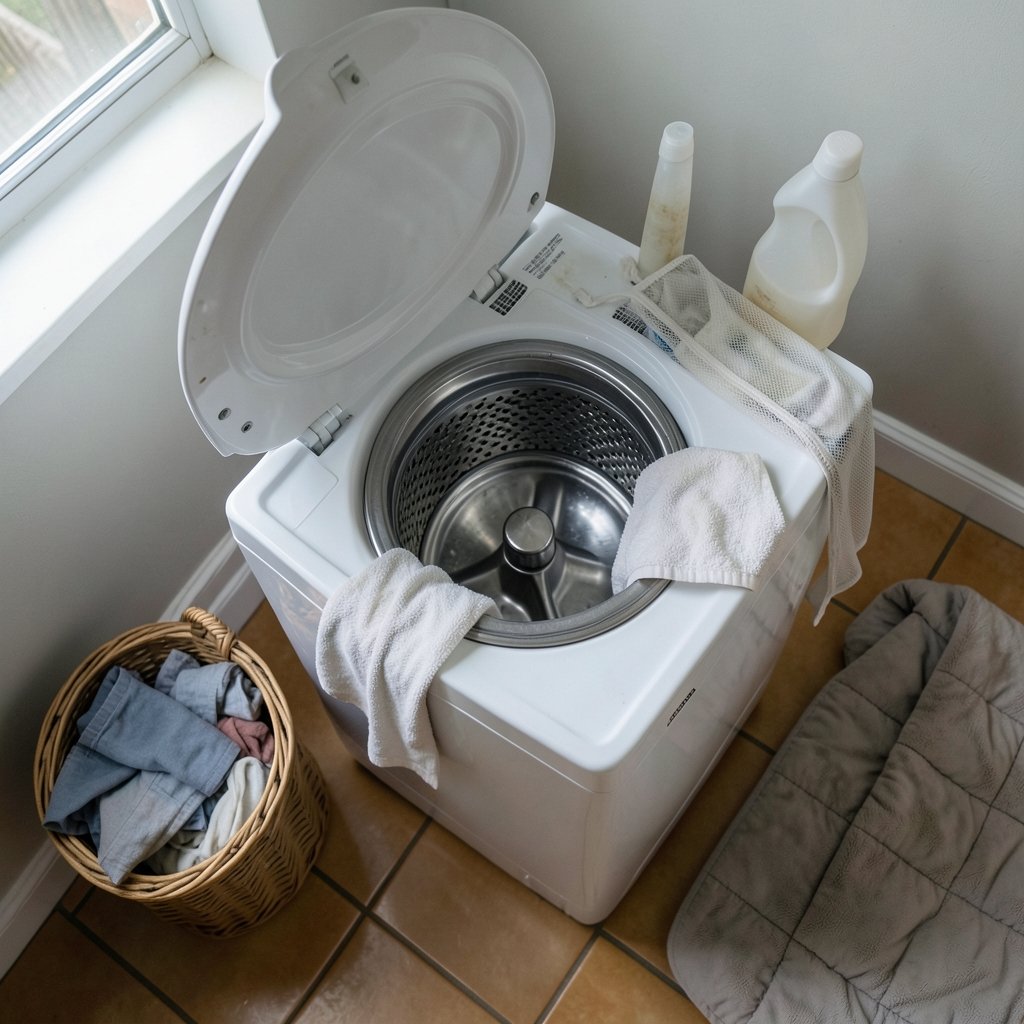
What if the most popular washer design in North America isn’t actually the best one for your laundry room? Top load washers outsell front loaders in many households, yet plenty of buyers end up frustrated by tangled clothes, weak rinsing, or a machine that floods the utility room. The truth is that a good top load washer isn’t defined by brand hype or a flashy control panel. It comes down to matching the wash system, capacity, and efficiency numbers to how you actually do laundry. This guide breaks down what matters, what’s marketing noise, and where people usually go wrong. (Router bufferbloat test fix cut latency under load good)
Start With the Wash System, Not the Brand
The single biggest decision with a top load washer is the wash mechanism, and it shapes everything else: cleaning power, water use, fabric wear, and cycle time.
Agitator models use a tall central post that twists back and forth. They move clothes through the water aggressively, which is why they handle mud, grease, and heavy workwear well. The tradeoff is fabric wear and higher water consumption per load.
Impeller or wash plate models are high-efficiency (HE) designs. A low-profile plate at the bottom creates currents that move clothes through a shallow pool of water. They sip water and are gentler on delicates, but long items like sheets and hoodie strings tend to tangle, and heavily soiled loads may need a pre-wash or a second cycle.
A useful rule of thumb: households with kids in sports, mechanics, or anyone washing greasy shop towels should lean agitator. Households washing mostly everyday clothing, towels, and delicates will be happy with an impeller machine, especially if water bills are a concern.
Why the HE Label Changes Your Detergent
HE top loaders need HE detergent, which is formulated to produce fewer suds in low water. Using regular detergent in an impeller machine is one of the most common mistakes people make. The result is a suds lock: the machine senses excess foam, adds extra rinse water, extends the cycle, and sometimes leaves a residue on clothes. If your new washer takes 90 minutes for a normal load, check the detergent before you blame the machine.
Read the Efficiency Numbers Correctly
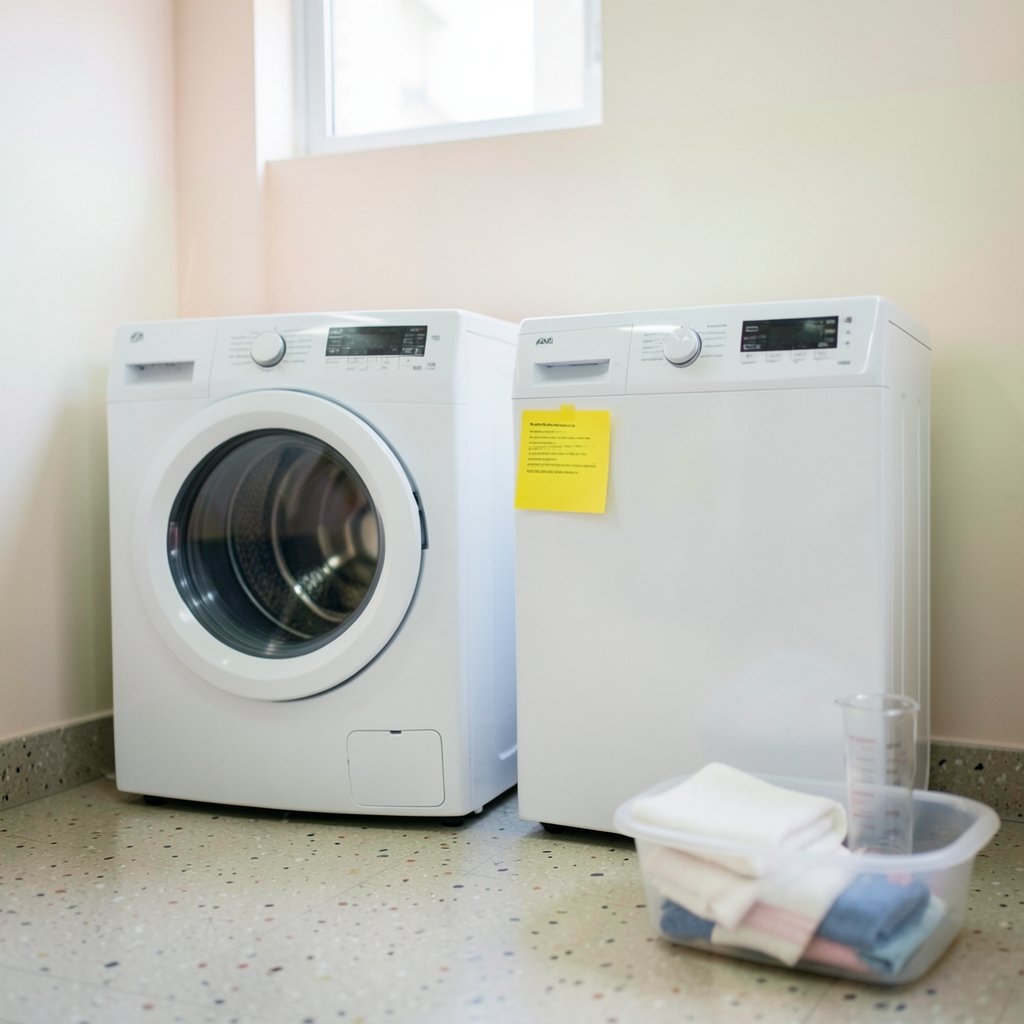
In the United States, washers carry a yellow EnergyGuide label showing estimated annual energy use and cost, and federal efficiency standards set minimum performance. Those standards use technical metrics called integrated modified energy factor (IMEF) and water factor. IMEF measures energy used per cubic foot of capacity per cycle, adjusted for remaining moisture. Water factor measures gallons used per cubic foot per cycle, so a lower number means less water.
ENERGY STAR certification is a helpful filter, but it’s important to understand what it does and doesn’t tell you. Certification confirms the machine meets efficiency criteria. It says nothing about cleaning performance, durability, or how well the machine handles a king-size comforter. Treat it as one checkbox among several, not a quality seal.
Also worth knowing: efficiency rules get updated periodically, and recent federal rulemakings tighten standards for some washer classes with compliance dates a few years out. That means the machine on the floor today may be replaced by a more efficient version later, and clearance prices on older stock aren’t automatically a bargain if water and energy costs matter to you.
Capacity: Bigger Isn’t Automatically Better
Top load washers are sold by drum volume in cubic feet, and the range is wide. The temptation is to buy the largest drum you can afford. But an oversized machine used for small loads wastes water and energy and can wear clothes faster because they tumble with more room and less cushioning.
| Household size | Typical weekly laundry | Sensible capacity range |
|---|---|---|
| 1–2 people | 2–4 loads | 3.5–4.2 cu ft |
| 3–4 people | 5–7 loads | 4.2–4.8 cu ft |
| 5+ people or heavy soil | 8+ loads | 4.8–5.5 cu ft |
Two practical checks before buying: bring your largest comforter or a laundry basket of a typical load and look at the drum in person, and confirm the machine’s lid clearance and door swing in your actual room. Top loaders need vertical space for the lid and, on many models, several inches behind the unit for hoses.
Spin Speed, Vibration, and the Noise Question
Spin speed is quoted in RPM, and higher numbers extract more water, which shortens dryer time. That’s genuinely useful. But spin speed alone doesn’t determine how much a machine shakes. Suspension design and automatic balance systems do most of the work.
What actually helps in practice:
- Place the washer on a level, rigid floor. A second-floor laundry closet with a flexible floor will vibrate no matter what you buy.
- Use the leveling feet and check with a spirit level front to back and side to side.
- Skip the rubber anti-vibration pads on hard floors; they can actually increase walking on some machines. They help mainly on slightly uneven surfaces.
- Don’t overload. An unbalanced load triggers repeated redistribution cycles, which stretch wash time and stress the suspension.
If noise is a priority, look for models with a direct-drive motor and a suspended drum, and read owner reports about spin-cycle noise rather than trusting the decibel rating on the spec sheet.
Reliability, Warranties, and the Data Problem
Here’s an uncomfortable fact: there is no independent government dataset on washing machine reliability. The reliability rankings you see come from subscriber surveys and repair-industry tallies, which are directional at best. That doesn’t mean they’re useless, but it does mean you should weight them alongside warranty terms and parts availability.
Warranty structure tells you where a manufacturer expects problems. A typical top load washer carries one year of parts and labor, with longer coverage on the motor or the wash drum, sometimes ten years. Compare the written warranty document, not the sticker on the showroom floor. Two brands can both advertise a “10-year warranty” when one covers the full machine for a year and the other covers only the motor for a decade.
A few habits that genuinely extend washer life:
- Leave the lid open between loads so the drum dries out.
- Run a cleaning cycle monthly with a washer cleaner or hot water and no clothes.
- Check inlet hoses yearly for bulging or cracking and replace braided hoses every five years.
- Clean the water inlet screens if fill times slow down.
- Avoid overloading and avoid stuffing a single heavy item like a bath mat without balancing it.
The Installation Details People Forget
Top load washers are simpler to install than front loaders, but there are still traps. Most models drain by gravity into a standpipe or utility sink, and the drain hose must sit at the correct height or the machine will siphon water out mid-cycle or fail to drain. The manual specifies the range, and it’s worth reading before delivery day.
Other practical points:
- Measure the doorway, stairwell, and laundry room. A wide machine that won’t fit through a basement door is a costly return.
- Confirm the electrical outlet is a grounded, dedicated circuit, and check whether the model needs a standard 120-volt outlet.
- Check that the water supply valves actually turn off. A seized shutoff valve discovered during installation turns a one-hour job into a plumber visit.
- If you have hard water, plan for mineral buildup. A whole-house softener or a regular cleaning routine keeps the drum and dispenser from scaling. The same mineral issue shows up in other appliances, which is why humidifier owners deal with a fine white dust problem in hard water areas.
Matching the Machine to Your Actual Life
The best top load washer for one household is a mediocre choice for another, and the differences are usually about use patterns rather than specs. (Takeout food near me find good food fast)
Choose an agitator top loader if: you wash work clothes, heavily soiled kids’ clothing, or pet bedding regularly; you want shorter, more predictable cycles; you don’t mind higher water use.
Choose an impeller top loader if: your loads are mostly everyday clothing and towels; water efficiency and lower utility bills matter; you wash delicates and want less fabric wear; you have a modern HE-compatible detergent routine already.
Consider a commercial-grade or semi-commercial model if: you do multiple loads daily, run a rental property, or have repeatedly burned through consumer machines. Heavier-duty construction, metal gearing, and simpler controls are the reasons commercial-grade units last longer, and the same logic applies to any appliance you plan to run hard for years, much like the durability argument behind commercial-grade laundry equipment generally.
Whatever you choose, budget for the full picture: machine, delivery and haul-away, new hoses, and possibly a drain pan if the laundry area is above a finished ceiling. That total is the number to compare, not the sale price.
Common Mistakes That Make a Good Washer Feel Bad
Even a well-chosen machine can disappoint if it’s used wrong. These come up again and again:
- Overdosing detergent. More soap does not mean cleaner clothes in an HE machine. Use the recommended amount for load size and water hardness.
- Overloading. Clothes need room to move. A drum packed to the top won’t clean well and stresses the suspension.
- Washing everything on cold with the same cycle. Heavily soiled items need warmer water and a longer cycle; delicates need a gentle one.
- Ignoring the drain hose height. A low-hanging hose causes drain and spin faults that look like machine failures.
- Skipping maintenance. A monthly cleaning cycle and an annual hose check prevent most of the problems that lead to early replacement.
If you’re troubleshooting performance rather than shopping, start with load size and detergent, then check water temperature and cycle selection. Most “my washer stopped cleaning” complaints trace back to one of those three.
Conclusion
A good top load washer is the one whose wash system, capacity, and efficiency profile match how you actually live. Decide between agitator and impeller first, size the drum to your household rather than your ambitions, read the EnergyGuide and warranty documents instead of the marketing copy, and set the machine up correctly with a level floor and the right drain height. Do that, and a mid-priced top loader will often outperform a premium model that was never suited to your laundry in the first place. The specs matter, but fit matters more.
Frequently Asked Questions
Is a top load washer better than a front load washer?
Neither is universally better. Top loaders are typically cheaper to buy, easier to load, and simpler to repair. Front loaders generally use less water, spin faster, and stack with a dryer. For heavy soil and simple maintenance, a top loader with an agitator is hard to beat. For water efficiency and gentle fabric care, a front loader often wins.
How many cubic feet do I need in a top load washer?
Match capacity to household size. One or two people usually do fine with 3.5 to 4.2 cubic feet. Three to four people generally want 4.2 to 4.8 cubic feet. Larger households or anyone washing bulky bedding regularly should look at 4.8 cubic feet and up. Oversizing wastes water and energy on partial loads. (3d printer retraction settings guide stop stringing good)
Do I have to use HE detergent in a top load washer?
If the machine is a high-efficiency impeller model, yes. HE detergent is formulated for low-water washing and produces fewer suds. Regular detergent in an HE machine can cause excess foam, longer cycles, and residue on clothes. Agitator models with higher water levels are more forgiving, but HE detergent still works well in them.
What does ENERGY STAR certification actually tell me?
It confirms the washer meets efficiency criteria for energy and water use. It does not measure cleaning performance, durability, or reliability. Use it as a filter alongside the EnergyGuide label, the warranty document, and owner reports about how the machine handles real loads.
Why does my top load washer take so long to finish a cycle?
Modern HE top loaders use sensors that weigh the load and adjust water and time, and they add rinse cycles if they detect suds. Long cycles usually trace back to too much detergent, an oversized load, or a cold water setting. Check detergent dosage and load size before assuming the machine is faulty.
How long should a good top load washer last?
Most top load washers are built for roughly a decade of typical household use, though heavy daily use shortens that. Lifespan depends more on load habits, leveling, and maintenance than on brand alone. Leaving the lid open to dry the drum, running a monthly cleaning cycle, and replacing inlet hoses every five years are the habits that make the biggest difference.



