
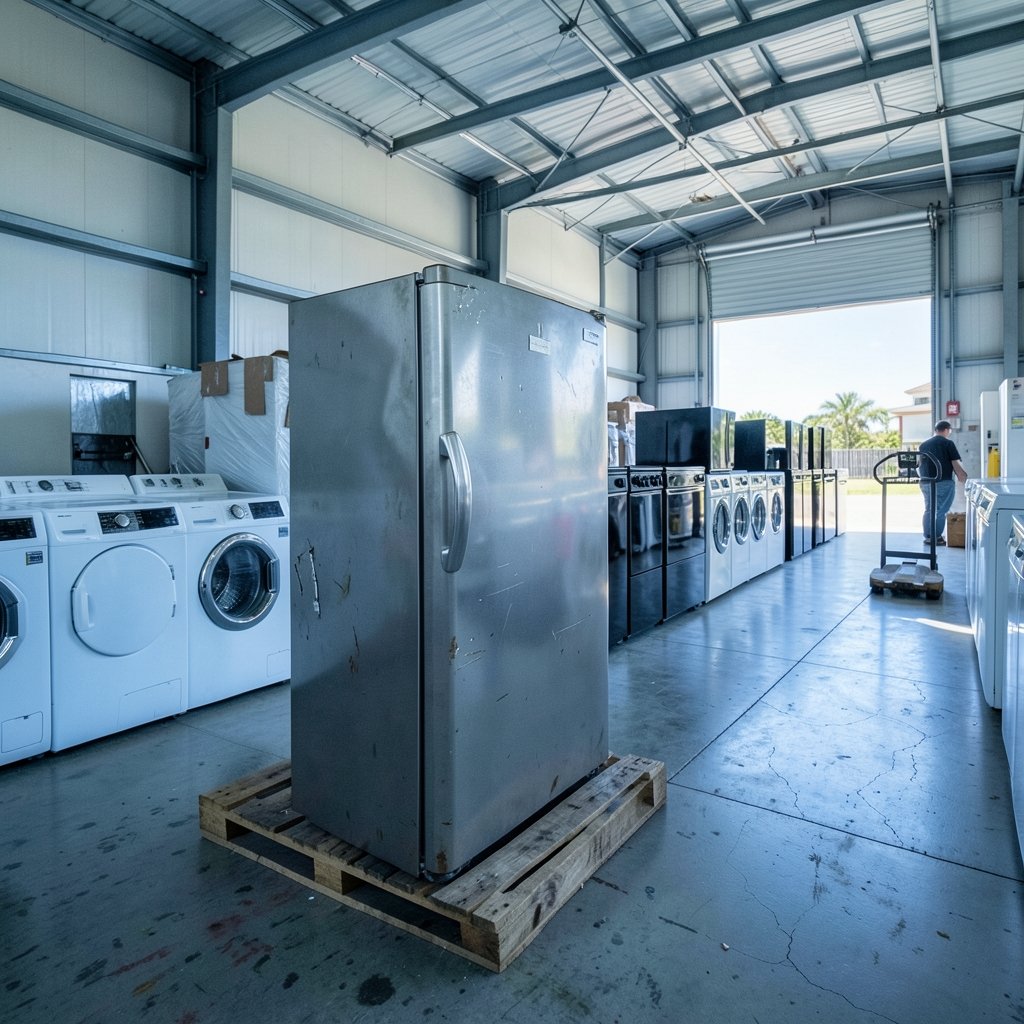
What if the dent on the side of a $1,400 refrigerator could knock $500 off the price without changing how it keeps your food cold? That’s the basic promise of scratch and dent appliances, and in a metro area as fast-growing as Orlando, the category has become a genuine budget strategy rather than a niche hobby. New housing, constant rental turnover, and a steady stream of returns from big-box stores keep a rotating supply of cosmetically imperfect washers, dryers, ranges, and fridges moving through local warehouses and dealer back rooms. (Read orlando magic vs detroit pistons match player stats)
But the category has real traps. Some units are steals. Others are final-sale headaches with warranty gaps the buyer never asked about. This guide walks through what scratch and dent actually means, how Orlando’s market differs from other cities, what to inspect before paying, and how to negotiate like someone who has done it before.
What Scratch and Dent Appliances Actually Are
A scratch and dent appliance is typically a new or open-box unit with cosmetic damage: a dent in a door panel, a scuff on a side that faces a cabinet, a paint chip on a corner, or a bent handle. The appliance still functions. It just doesn’t photograph well.
Most units in this category come from three sources:
- Returns. A buyer ordered the wrong size, changed their mind, or rejected a delivery after spotting damage.
- Transit damage. Forklifts, loading docks, and tight stairwells cause dents before the unit ever reaches a kitchen.
- Floor models. Display units get handled, leaned on, and bumped for months.
That matters because the label “scratch and dent” describes appearance, not condition history. A floor model that ran continuously for a year is a different purchase than a fridge that was unboxed, dented, and returned within a week. A smart buyer asks which one they’re looking at, and gets the answer in writing.
Why Orlando Has a Particularly Active Scratch and Dent Market
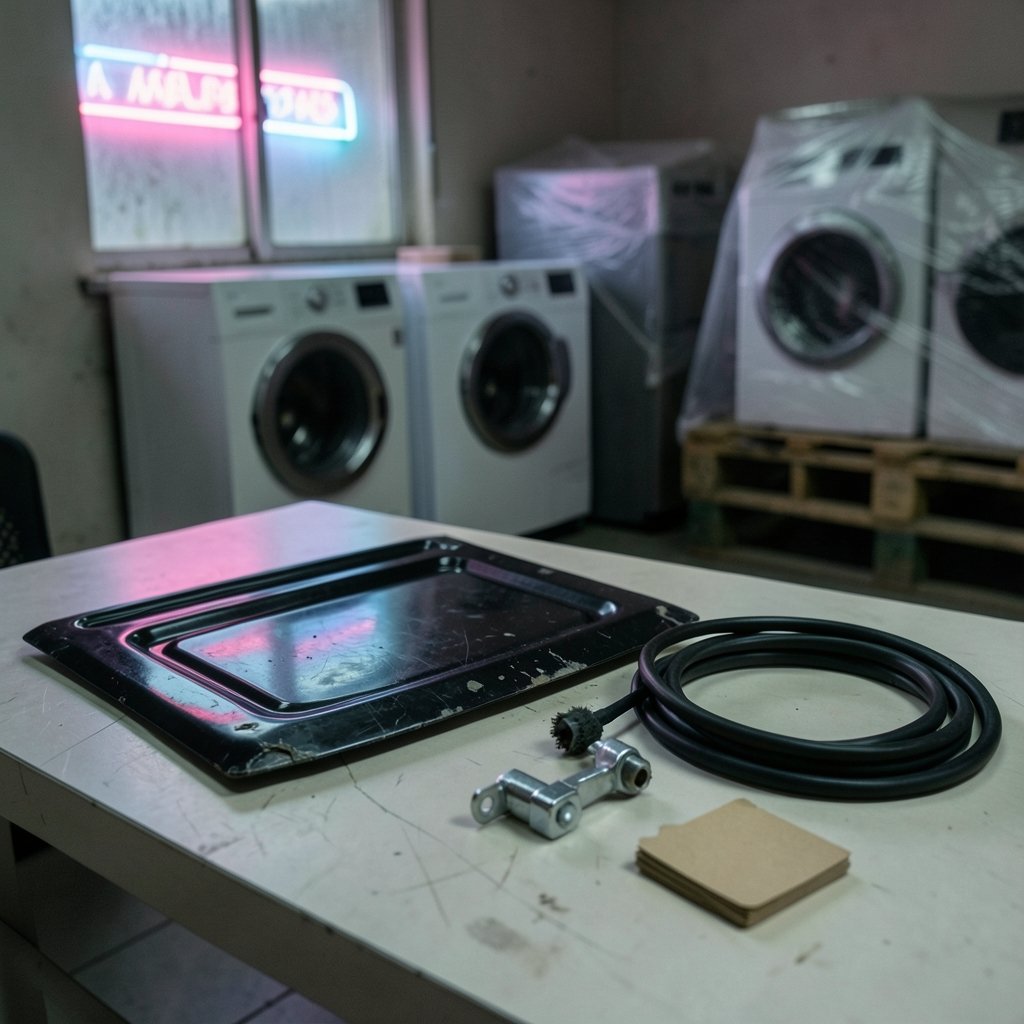
Central Florida’s appliance churn is unusually high. The region adds residents quickly, rental properties turn over constantly, and short-term rental operators replace equipment on tight schedules. Every one of those moves creates returns, cancelled deliveries, and trade-ins.
There’s also a practical local factor: delivery logistics in a metro with toll roads, gated communities, and long drive times from warehouse districts mean more units get damaged in transit and then resold rather than scrapped. That keeps inventory flowing.
The result is a market where selection varies week to week. Someone hunting for a specific 30-inch gas range in a specific finish may wait weeks. Someone flexible on brand or color can often walk out the same day with a substantial discount. If you’re already comfortable with practical, cost-driven decisions, this is the same mindset that makes a realistic college money management plan work for students who want to stretch every dollar, applied to a bigger purchase.
Big-Box Stores vs. Independent Warehouses
Both channels sell scratch and dent units, but the experience differs sharply.
| Factor | Big-box retailer | Independent scratch and dent warehouse |
|---|---|---|
| Inventory depth | Shallow, model-specific | Deep, mixed brands and ages |
| Pricing transparency | Listed discount, limited haggling | Often negotiable, especially on multiple units |
| Warranty | Usually manufacturer coverage, cosmetic exclusions | Varies widely; confirm in writing |
| Return policy | Standard policy may still apply | Frequently as-is and final sale |
| Delivery | Scheduled, fees may apply | Often cheaper, sometimes informal |
| Paperwork | Detailed receipts and warranty docs | Quality varies; ask for everything |
Neither channel is automatically better. The big-box route offers more predictable recourse if something goes wrong. The warehouse route offers better prices and more room to negotiate. The mistake people make is assuming the two are interchangeable and skipping the questions that separate them.
The Inspection Checklist That Saves Real Money
Buying scratch and dent is mostly a discipline problem. People fall in love with the discount and stop looking. Here’s what actually works in practice.
- See the unit in person or demand detailed photos. “Minor cosmetic damage” can mean a hairline scuff or a door that no longer seals. Photos of the exact unit, not a stock image, are non-negotiable.
- Open and close everything. Doors, drawers, lids, dispensers, and the oven door. A dented hinge can cause a seal failure you won’t notice until your energy bill spikes.
- Check the seal with the dollar-bill test. Close the door on a dollar bill and tug. If it slides out easily, the gasket is compromised. Repeat at several points around the perimeter.
- Look for water lines and rust. In a washer or dishwasher, rust near the base or staining on the tub suggests a leak history rather than only a cosmetic flaw.
- Ask for the serial number and check for recalls. Recalls are public and searchable. A five-minute check beats discovering a safety notice later.
- Read the EnergyGuide label. Older and floor-model units can cost noticeably more to run. A $200 discount evaporates fast if the appliance uses significantly more power than a modern equivalent.
- Confirm what “as-is” means at that store. Get the return window, restocking fees, and warranty status in writing before you pay.
That last point is where most regret originates. Many scratch and dent sales are final. If the compressor fails in month three, the return policy you never asked about becomes the whole story.
Warranty Reality: What’s Usually Covered and What Isn’t
Here’s the nuance that trips up buyers: manufacturer warranties commonly exclude cosmetic damage while still covering functional defects. But this is not a universal rule. Terms vary by brand, by model, and by whether the unit was sold as new, open-box, or as-is.
The practical approach is to stop guessing and start documenting:
- Ask the seller to state in writing whether the manufacturer warranty is intact and whether it’s transferable to you.
- Ask specifically whether cosmetic damage is excluded and whether functional coverage applies to a unit with pre-existing dents.
- Keep the receipt, the serial number, and any condition disclosure form.
- Register the product with the manufacturer if the warranty is valid.
If a seller can’t or won’t put warranty status in writing, treat the unit as having no warranty and price your offer accordingly. That single habit prevents most of the bad outcomes in this category.
Florida law adds a layer here. The state’s Deceptive and Unfair Trade Practices Act generally prohibits deceptive sales practices, which bears directly on how damage and condition must be disclosed. A seller who describes a unit as “new” while concealing known functional problems is on shaky ground. Buyers who document what they were told have far more leverage if a dispute arises.
Delivery, Installation, and the Hidden Costs
The sticker price is rarely the final number. Orlando buyers should budget for:
- Delivery fees, which may be higher for damaged units excluded from free-delivery promotions.
- Haul-away charges for the old appliance.
- Installation, especially for gas ranges, dishwashers, and over-the-range microwaves that need venting or plumbing work.
- Doorway and stair measurements. A discounted fridge is worthless if it won’t fit through the door. Measure the opening, the hallway, and the turn radius before you buy.
A common mistake is buying a unit that fits the kitchen but not the path to the kitchen. Another is assuming delivery includes hookup. Ask both questions before swiping a card.
For anyone comparing the cost of repairs versus replacement on an existing appliance, it helps to know where the real money goes. The same logic that explains identity threat detection’s real costs and where the money goes applies here: the headline price is only one line item, and the ongoing costs often decide the outcome.
How to Negotiate and What Discounts to Expect
Discounts in this category range from modest to substantial depending on how visible the damage is and how long the unit has sat. A dent on a side panel that faces a wall commands a smaller markdown than a creased door front. A unit that’s been on the floor for two months is a better negotiation target than one that arrived yesterday.
Timing matters. Inventory pressure builds at the end of a month or quarter, and warehouse operators would rather move a unit than store it. Buying two or more appliances at once is one of the strongest levers available, because it converts a marginal sale into a bulk one.
What actually works in practice:
- Point at the specific flaw. “This dent on the door is why I’m asking for another $75 off” lands better than a vague request for a discount.
- Bring cash or a ready card and be prepared to walk. Urgency is expensive.
- Ask about the delivery fee as part of the deal. Waiving delivery is often easier for a seller than cutting the price further.
- Get the final out-the-door number in writing before committing.
The same discipline applies whether you’re buying a discounted range or sorting out a complicated service decision, like knowing what an auto dent removal service‘s paintless repair can and cannot fix. Cosmetic damage is cosmetic until it isn’t, and the value of the discount depends entirely on whether the flaw stays cosmetic.
Matching the Appliance to the Room and the Job
A scratch and dent purchase works best when the flaw is genuinely hidden. A side-panel dent on a fridge flanked by cabinets is invisible. A scratched top on a washer tucked into a closet rarely matters. A dented front door on a range facing the middle of an open kitchen will bother you every day.
Buyers should also think about resale and rental scenarios. Landlords furnishing units in high-turnover Orlando rentals often benefit most from this category, because tenants care about function and cleanliness far more than a scuff on a side panel. Homeowners planning to sell within a year may want to weigh appearance more heavily.
There’s a useful parallel in other high-stakes purchase decisions where timing and incident history matter, such as the way a man trapped in a self-driving car during robotaxi incidents in 2026 raised questions about disclosure and trust. The lesson transfers: what a seller tells you, and what they leave out, shapes the real risk you’re taking on.
Common Mistakes That Turn a Deal Into a Regret
- Buying sight unseen based on a phone description. Always see the exact unit.
- Skipping the measurement check. Width, depth, height, and the path to the install spot.
- Ignoring the energy rating. Efficiency gaps compound monthly.
- Assuming the return policy is standard. Many scratch and dent sales are final.
- Forgetting to ask about warranty transferability.
- Not testing the unit before it leaves the lot. Ask the seller to plug it in and run it.
- Losing the paperwork. Keep everything in one folder, digital or physical.
Conclusion
Scratch and dent appliances in Orlando can be one of the smartest purchases a household makes, provided the buyer treats it as an inspection exercise rather than a bargain hunt. The discount is real, but so are the trade-offs: limited returns, warranty questions that need written answers, and cosmetic flaws you’ll live with for years. See the exact unit, test what can be tested, measure before you commit, and get every promise in writing. Do that, and a dented door becomes a story about saving money instead of a story about a mistake.


