
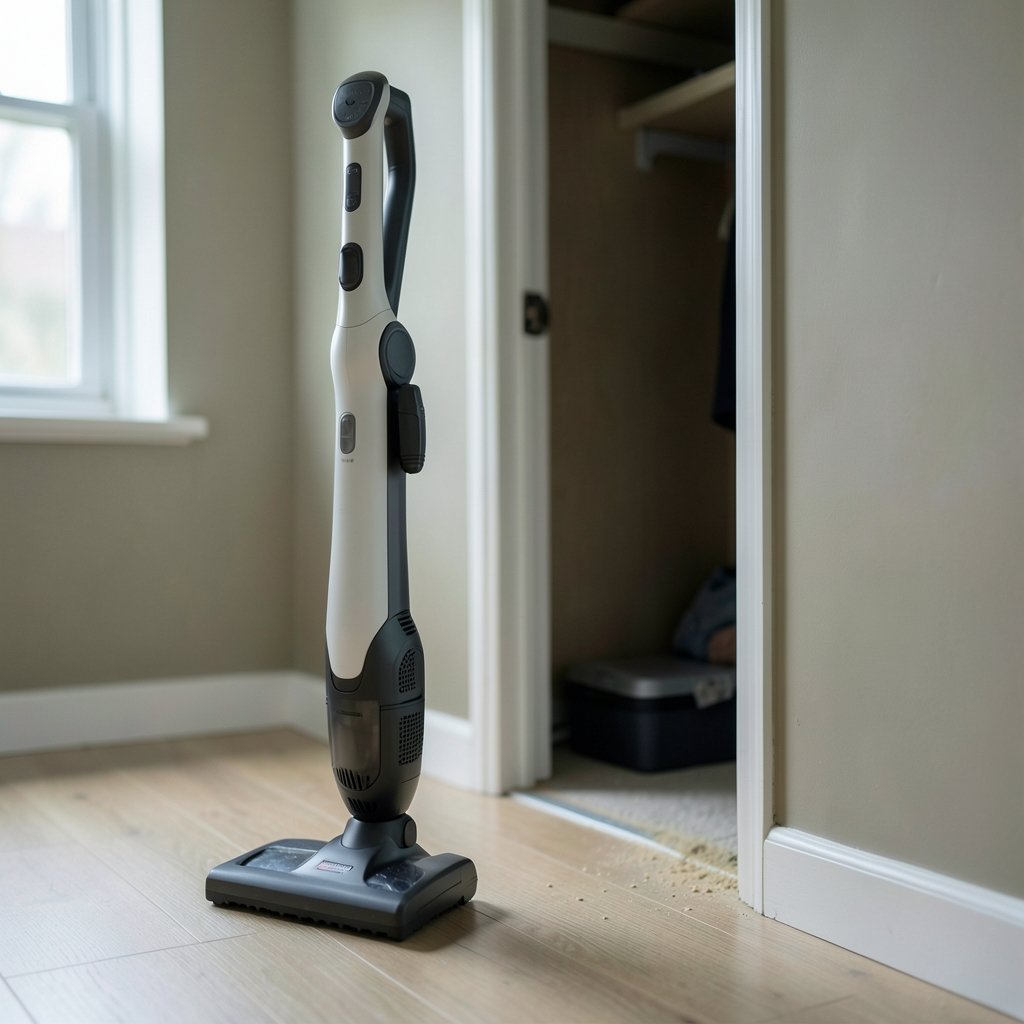
Is a vacuum that fits in a closet worth owning if it quits halfway through a hallway? That question sits at the heart of every compact vacuum decision, and most shoppers only discover the answer after the return window closes. Compact vacuums trade size for something, and knowing exactly what gets traded away is the difference between a tool you reach for daily and one that gathers dust behind the broom. (Best robot vacuum mop combos actually cleans floor)
This guide cuts through the spec-sheet noise. It covers how suction is really measured, why battery claims deserve skepticism, which features earn their space on a small machine, and how to match a compact vacuum to the floors and messes in an actual home.
What “Compact” Really Means in a Vacuum
Compact is not one category. It is at least three, and they behave very differently.
Stick and cordless vacuums are the most common interpretation. They usually weigh roughly 1.5 to 3 kg and run on batteries. They excel at quick cleanups, stairs, cars, and crumbs, but their dust bins are small, typically around 0.3 to 0.7 liters, so emptying is frequent.
Canister vacuums separate the motor and bin from the wand and floor head. A small canister can be lighter to pull around than it looks, because the weight rides on wheels rather than in your wrist. These suit homes with a mix of hard floors and rugs.
Handheld and spot vacuums are the smallest of all. They are not whole-home machines, but they win on reach: sofa cushions, keyboard crannies, the car footwell, the pile of cereal under the high chair.
The mistake people make is buying a stick vacuum expecting canister performance, or buying a handheld expecting to clean a whole apartment. Decide which job you actually have before comparing models.
Suction Numbers Are Mostly Noise Unless You Know the Units
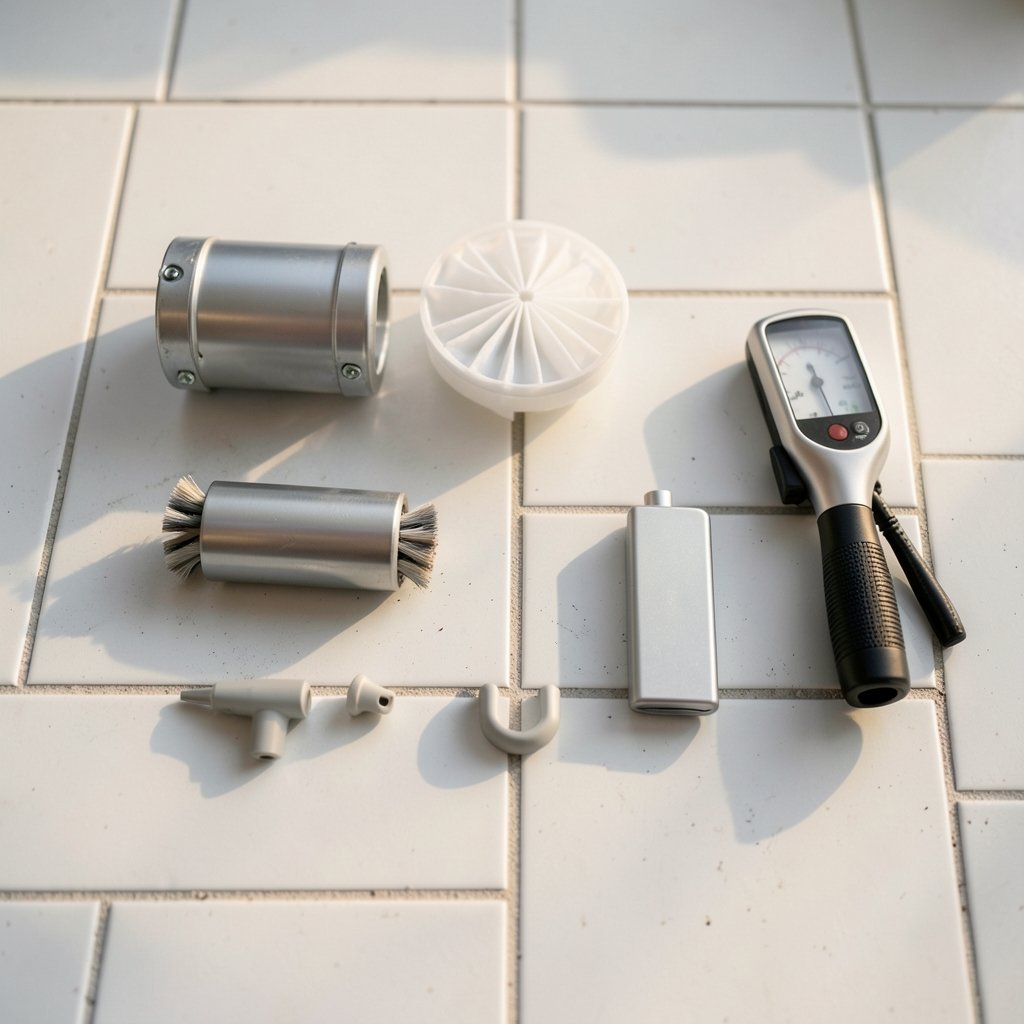
Here is where most buying decisions go wrong. A vacuum box shouting “600 watts” tells you almost nothing useful. Input watts measure electricity drawn, not cleaning power. Air watts (AW) measure suction output, combining airflow and pressure. The two numbers are routinely conflated in marketing, and a high input wattage can even signal an inefficient motor.
There is also a standards problem. IEC 62885-2 is the international standard that defines how vacuum cleaner performance, including cordless models, should be measured. When two brands both test to that standard, comparisons are meaningful. When one brand quotes a proprietary “airflow score” and another quotes air watts, you are comparing apples to a number someone made up in a conference room.
Practical rule: compare air watts to air watts, and treat any other suction figure as decoration. If a spec sheet does not state the standard or the unit, assume the number is there to impress rather than inform.
For carpet-heavy homes, suction alone is not the whole story either. Agitation matters. A brush roll that digs into pile lifts more embedded grit than raw airflow ever will, which is why the best vacuum for carpet is rarely the smallest one on the shelf. (Robot vacuum cliff sensors fail black carpet works)
Battery Runtime Claims: Read the Fine Print
Every cordless vacuum advertises a runtime figure, and almost every one of those figures was measured in the lowest power mode with a non-motorised tool attached. High-power mode often delivers a fraction of the quoted time. That is not a scandal, but it is a trap for anyone who buys based on the box.
Three habits fix this:
- Look for a second runtime figure listed for boost or high mode, and assume that is your realistic cleaning window.
- Check whether the battery is removable. A swappable battery turns a 20-minute vacuum into a 40-minute one.
- Price a replacement battery before you buy. Cordless batteries are consumables, and replacement cost can be a meaningful share of the purchase price.
If a vacuum cannot finish your home on one charge in normal mode, it is a supplement, not a primary machine. Be honest about square footage before falling for a headline runtime.
Weight, Reach, and the Physics of Small Machines
A compact vacuum’s real advantage is not raw power. It is the fact that you will actually use it. A machine that lives on a hook and takes eight seconds to grab gets used daily. A heavy upright that needs a cord untangled gets used monthly.
Weight matters most at the wrist and shoulder. Stick vacuums concentrate weight in the hand, so a 2.5 kg stick can feel heavier after ten minutes than a 6 kg canister rolling behind you. Test the balance if you can, and pay attention to where the motor sits.
Reach matters just as much. Floor-to-ceiling cleaning, stair treads, and the gap between the fridge and the wall all demand a wand that extends and a head that swivels. A compact vacuum with a short wand and a stiff neck will frustrate you on stairs, which is exactly where small machines should shine.
Storage is the final piece. Wall-mount docks save floor space but need a nearby outlet. Freestanding designs are more flexible but bulkier. Measure the closet before you commit.
Filtration: HEPA Labels Deserve a Second Look
A vacuum labeled HEPA sounds like a guarantee. It usually is not one.
HEPA H13 and H14 ratings under EN 1822 describe filter media performance, not whole-machine performance. A vacuum can contain a genuine HEPA filter and still leak unfiltered air around the bin seal, the hose joint, or the exhaust housing. Whole-machine sealing is a separate engineering problem, and only some manufacturers address it properly.
For allergy sufferers, this distinction matters. Look for language about a sealed system, not just a filter grade. Also check that filters are washable or cheap to replace, because a clogged filter quietly destroys suction and can overwork the motor.
One more filtration note: bagged compact canisters often beat bagless sticks on fine dust containment, simply because emptying a small bagless bin sends a puff of dust back into the room. If dust sensitivity is your main concern, a bagged canister is worth considering even if it is slightly less convenient.
Matching the Vacuum to Your Floors
The right compact vacuum for a carpeted bedroom is not the right one for a tile kitchen. Here is a rough guide.
| Floor type | What to prioritize | What to avoid |
|---|---|---|
| Wall-to-wall carpet | Motorized brush roll, strong agitation, decent air watts | Suction-only heads with no brush |
| Hardwood and tile | Soft roller or brush-off mode, good edge pickup | Aggressive stiff brushes that scatter debris |
| Mixed floors | Adjustable brush roll, decent bin size | Single-mode heads that can’t adapt |
| Stairs and cars | Light weight, handheld mode, crevice tool | Heavy canisters with short hoses |
| Pet hair | Tangle-resistant brush, strong airflow | Brush rolls that wrap hair instantly |
Pet hair deserves its own warning. Long hair and pet fur wrap around brush rolls with depressing reliability, and a compact vacuum with a poorly designed roll will need scissors every week. Machines built with anti-tangle combs or rubber fins handle this far better, and it is worth reading up on which designs actually cope with long human hair before buying.
Features That Earn Their Space (and Ones That Don’t)
Compact vacuums are short on space, so every feature has a cost. Some are worth it.
Worth having: a removable, washable filter; a swappable battery; a crevice tool that stores onboard; a soft roller for hard floors; a bin release that does not require two hands and a prayer.
Usually skippable: app connectivity that adds nothing to cleaning; LCD screens that drain battery; proprietary tool fittings that lock you into one brand’s accessories; “smart” mapping on a machine you push by hand.
Navigation technology is a different matter for robot vacuums, where lidar versus camera systems genuinely change performance. On a manual compact vacuum, that debate does not apply. If you are cross-shopping robot and manual options, keep the categories separate in your head. (Robot vacuum cleaning solution alternatives that actually)
One feature people underestimate: edge cleaning. A vacuum that leaves a centimeter of dust along every baseboard is not saving you time, no matter how light it is.
Common Mistakes Buyers Make
A few patterns show up again and again in compact vacuum purchases.
Buying on suction claims alone, without checking the measurement standard. Trusting the maximum runtime figure without checking the mode. Ignoring bin size until the third week of emptying it twice per room. Skipping the replacement battery price. Assuming a HEPA label means a sealed machine. And perhaps most common: buying a compact vacuum as the only vacuum for a large, carpeted home, then discovering it cannot keep up.
The fix is simple. Compact vacuums are excellent second machines and decent primary machines for small, hard-floored homes. They struggle as sole machines for large spaces with deep pile. If your home is mostly carpet, a full-size machine with strong agitation will outperform any stick, and it is worth comparing dedicated carpet vacuums before committing to a compact form factor.
How to Test a Compact Vacuum in the Store
Ten minutes in a shop tells you more than an hour of spec sheets.
- Pick it up by the handle and hold it at shoulder height for thirty seconds. Note the strain.
- Extend the wand fully and check the reach against your own height.
- Press the bin release and open it one-handed.
- Spin the brush roll by hand and check whether hair would wrap easily.
- Run it on boost mode and listen. Sound levels for cordless vacuums often land around 70 to 85 dB(A), and prolonged exposure above 85 dB(A) is a recognized hearing-risk threshold, so a screaming motor is a real drawback, not a macho selling point.
- Check where the tools store and whether they rattle loose.
If the shop will not let you do these things, that tells you something too.
Conclusion
The best compact vacuum cleaner is not the one with the biggest number on the box. It is the one whose trade-offs match your home. A light stick with a swappable battery and a tangle-resistant brush will beat a more powerful machine that stays in the closet. A small canister with a sealed system and a real brush roll will beat a featherweight stick in a carpeted house every time.
Start with your floors, your storage space, and your honest cleaning habits. Then compare air watts to air watts, read the fine print on runtime, and treat HEPA labels as a starting question rather than an answer. Do that, and the compact vacuum you buy will be the one you actually use, which is the only spec that ever really mattered.
Frequently Asked Questions
Are compact vacuums as powerful as full-size ones?
Generally no, and that is by design. Compact cordless models trade motor size and bin capacity for weight and convenience. A good compact vacuum handles daily crumbs, hard floors, and stairs well, but deep carpet in a large home usually needs a full-size machine with a motorized brush roll. Compare air watts rather than input watts to judge real suction.
How long do cordless vacuum batteries actually last?
Quoted runtimes are typically measured in the lowest power mode with a non-motorized tool. Expect high-power mode to deliver a fraction of the advertised figure. Battery lifespan is separate: most cordless packs degrade over a few years of regular use and are designed to be replaced, so check the replacement price before buying.
Is a HEPA filter worth paying extra for?
It depends on why you want it. HEPA H13 and H14 ratings under EN 1822 describe the filter media, not the whole machine. If allergy relief is the goal, look for a sealed system where air cannot bypass the filter, and check that filters are affordable to replace. A HEPA filter in a leaky housing helps less than the label suggests.
What size dust bin should a compact vacuum have?
Compact and cordless models typically hold around 0.3 to 0.7 liters, which means frequent emptying in a busy home. If you have pets or shed a lot of hair, lean toward the larger end of that range or accept that you will empty mid-clean. Bagged canisters sidestep the issue but add ongoing bag costs.
Can a compact vacuum handle pet hair?
Yes, if the floor head is designed for it. Look for tangle-resistant brush rolls, rubber fins, or anti-hair combs rather than standard bristle rolls that wrap fur within minutes. Strong airflow helps, but agitation and a hair-shedding brush design matter more than raw suction on carpet.
What is the most important spec to compare?
Air watts, measured to the IEC 62885-2 standard, is the most meaningful suction figure. Everything else, including input watts and proprietary airflow scores, is hard to compare across brands. After suction, weigh bin size, battery replaceability, weight in the hand, and whether the tools you need store onboard.



