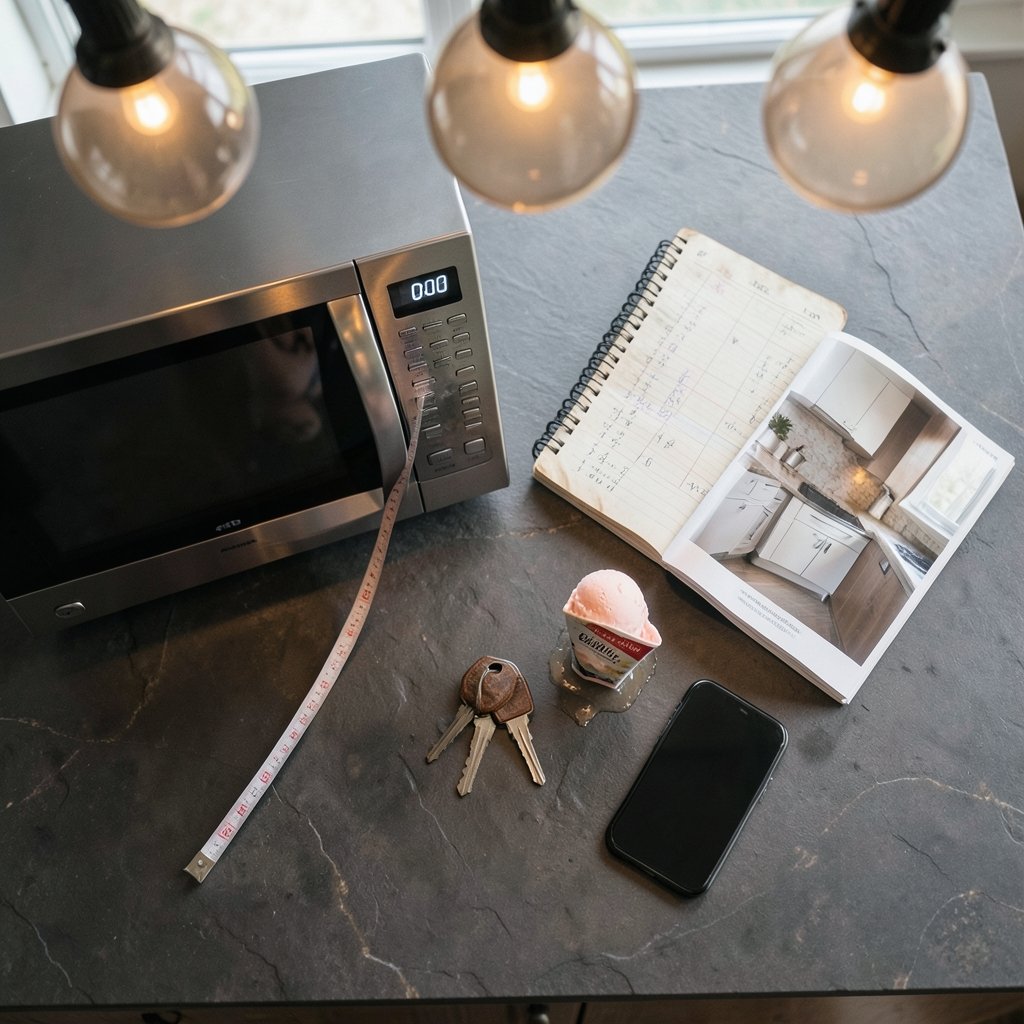
What happens when your refrigerator dies on a Tuesday night and the ice cream is already softening on the counter? Most people grab their phone, type “kitchen appliance stores near me,” and click the first result. That works, but it often leads to a store that has the model in stock but not the service, delivery terms, or price you actually want. A smarter approach takes about ten extra minutes and can save hundreds of dollars and weeks of frustration.
This guide walks through how local appliance shopping really works in the United States: which types of stores show up in a “near me” search, how to compare them fairly, what to ask before you pay, and the mistakes that trip up even careful buyers.
Why “Near Me” Results Look Different for Everyone
Local search results are not a neutral ranking of the best stores. They are shaped by proximity, prominence, and relevance, which is how Google’s own Business Profile documentation describes local ranking. In plain terms: a store two miles away with lots of reviews and accurate hours will usually outrank a better store ten miles away with a thin profile.
That has three practical consequences for appliance shoppers:
- Your results are not your neighbor’s results. Search from home, not from work across town.
- Hours and inventory feeds matter. A listing that says “open now” but has stale holiday hours wastes a trip.
- Reviews reflect service as well as product. Delivery crews and repair follow-up show up in reviews more than showroom polish does.
A useful habit is to run the search twice: once with location services on, and once in Google Maps with the map dragged to cover a wider radius. Big-box chains dominate the first screen, but the second search often surfaces independents that never appear in the top three.
The Four Types of Appliance Stores You Will Find

Almost every “near me” search returns a mix of four store categories. Each has a distinct strength, and the right pick depends on whether you value price, speed, service, or selection most.
Big-box home improvement and electronics chains
These are the default results in most US metro areas. The largest home improvement and electronics chains each operate roughly 1,000 to 2,000 US stores, and all of them sell refrigerators, ranges, dishwashers, and microwaves. Their advantages are predictable pricing, easy returns, and same-week delivery in many zip codes. Their weakness is that floor staff are generalists, and installation is usually an add-on fee with terms set store by store.
Regional appliance chains
Appliance-specific chains still exist and often beat big-box stores on depth of inventory and delivery logistics. Familiar examples include P.C. Richard & Son in the New York and New Jersey metro, Nebraska Furniture Mart in the Midwest, and Appliance Factory & Mattress Kingdom in the Mountain West. Coverage is regional, so results swing sharply by state. If you live in one of these chains’ territories, it is worth checking them before defaulting to a national retailer.
Independent dealers
Independent dealers are the most overlooked option in a “near me” search. Many belong to buying groups such as BrandSource and Nationwide Marketing Group, which give small stores national purchasing power and shared delivery networks. Their member-dealer locators are a practical way to find local independents by zip code. Independents often include delivery within a radius, handle warranty paperwork themselves, and will match a competitor’s price to keep the sale.
Specialty and luxury showrooms
Sub-Zero, Wolf, Bosch, and similar brands publish “where to buy” dealer locators that list authorized local dealers, including showrooms that never appear in general searches. These are the right stops for built-in refrigeration, pro-style ranges, and panel-ready dishwashers. Expect longer lead times and a design consultation rather than a grab-and-go purchase.
| Store type | Best for | Watch out for |
|---|---|---|
| Big-box chain | Fast delivery, easy returns, broad stock | Add-on install fees, generalist staff |
| Regional chain | Inventory depth, local delivery crews | Limited geography |
| Independent dealer | Personal service, bundled delivery, price matching | Smaller showroom selection |
| Specialty showroom | Built-ins, pro ranges, design help | Long lead times, higher prices |
Cross-Check With Manufacturer Dealer Locators
One of the most reliable moves a shopper can make is to check the brand’s own dealer locator before buying. Most major manufacturers publish a “where to buy” tool that lists authorized local dealers, including independents that general searches miss.
This matters for two reasons. First, authorized dealers are set up for warranty registration and service dispatch, which simplifies life if something fails in month seven. Second, it reveals stores that stock the specific model line you want. A store can be five minutes away and still not carry the brand you have researched for two weeks.
The same logic applies to buying-group locators. Searching a dealer network by zip code takes a minute and often produces three or four local names you have never seen in a search result.
What to Ask Before You Pay
The sticker price is only part of the cost. Delivery, haul-away, installation kits, and extended warranties can add a few hundred dollars, and the terms differ dramatically between stores a mile apart.
Here is a checklist worth carrying into any showroom or using on a phone call:
- Is delivery included, and what is the radius? Ask about stairs, elevators, and narrow doorways. A “free delivery” promise can turn into a fee at the door.
- Is haul-away of the old unit included? Some stores charge separately, and some require the old appliance to be empty and disconnected.
- Who installs it? In-house crews, third-party contractors, and “you install it” are three very different experiences. Ask whether the installer handles water lines for refrigerators and dishwashers.
- What is the return window, and does it cover opened appliances? Restocking fees on large items are common.
- Who handles warranty service? The store, the manufacturer, or a local repair firm. Get the answer in writing on the receipt.
- What is the lead time on the exact model? In-stock floor models and special orders can differ by weeks.
A practical tip from the sales floor: photograph the model and serial number plate before the delivery crew leaves. If a repair is needed later, that photo saves a phone call and a service visit.
Energy Ratings and Long-Term Costs
Price tags tell you what an appliance costs today. Energy ratings tell you what it costs for the next decade. The federal Energy Star program sets efficiency criteria that are updated periodically, so a model’s rating depends on the specification version in force when it was certified.
Two refrigerators with the same capacity can differ noticeably in annual electricity use. Over ten to fifteen years, that gap can exceed the price difference between the models. Ask the salesperson for the yellow EnergyGuide label estimate, and compare it against your current unit’s age and efficiency.
This is also where local stores can add real value. A good independent dealer will walk through operating costs rather than just pushing the marked-down floor model.
Warranty Rights Most Shoppers Do Not Know
US buyers have more protection than they realize. The Magnuson–Moss Warranty Act, enacted in 1975, governs written warranties on consumer products costing more than $15 and generally prohibits tying warranty coverage to the use of branded parts or branded service in most cases. In practice, that means a store cannot usually void your warranty because a local technician performed a repair.
Separately, several states, including Massachusetts, Minnesota, New York, Oregon, and California, have enacted right-to-repair laws covering consumer electronics and, in some cases, appliances. Scope and effective dates vary by state, so it is worth checking your state legislature’s site or a repair advocacy tracker before assuming a manufacturer must supply parts to an independent shop.
Why does this matter for a “near me” search? Because it widens your repair options. If a local independent can service the unit without voiding coverage, you are not locked into a single national service network with a two-week wait.
Mistakes That Cost Shoppers Money
A few patterns show up again and again among appliance buyers, and each is avoidable.
The biggest is buying the floor model without asking about its history. Floor units are often discounted, but they may have been running continuously for months or have cosmetic damage hidden on the side facing the wall.
The second is skipping the measurement check. Standard refrigerators may not fit a space designed for a 30-inch unit, and counter-depth models have different clearance needs. Measure the opening, the doorway, and the turn into the kitchen before ordering.
The third is ignoring the delivery date in writing. Verbal promises of “next Tuesday” evaporate quickly. Get the date on the order confirmation.
The fourth is assuming all stores price-match the same way. Some match only identical models with proof of a current local ad; others match online prices from authorized dealers only.
Finally, shoppers often forget that the same research habits that work for appliances apply elsewhere. If you are also hunting for deals on household goods while you wait for delivery, a guide to the best thrift stores near me can fill an afternoon productively. And if a kitchen refresh is part of the plan, budget-friendly ideas for a small kitchen remodeling ideas budget smart upgrades that layout can help you decide whether a new range hood or a full cabinet swap makes sense before you buy the appliances that go around them.
Timing Your Purchase Around Sales Cycles
Appliance pricing follows predictable rhythms. Major promotional periods, including holiday weekends and end-of-year clearance, tend to produce the deepest discounts on outgoing models. New model years typically arrive in late winter and spring, which pushes last year’s inventory down in price.
Two counterintuitive tips that work in practice:
- Ask about discontinued finishes. A stainless model in a less popular color can be hundreds of dollars cheaper than the same unit in the trending finish.
- Buy the bundle, but verify the math. Package discounts on a fridge, range, and dishwasher are real, but only if you actually need all three and the per-unit prices still beat buying separately.
Also check whether your local utility offers a rebate on efficient appliances. Many do, and the store may not mention it unless you ask.
How Delivery and Installation Really Work
Delivery is where most appliance purchases go sideways. The logistics vary more than the products do.
Big-box chains commonly offer haul-away and installation for a fee, and the terms are store-specific. Independents often include delivery within a set radius and may handle installation in-house. Specialty showrooms frequently coordinate with contractors, which means scheduling around a renovation timeline rather than a delivery window.
A few practical details worth confirming:
- Whether the crew will disconnect and remove the old unit, and whether the water line or gas line must be shut off first.
- Whether the delivery window is a two-hour slot or an all-day promise.
- Whether the crew will move the unit through a tight doorway or stop at the threshold.
If the purchase is part of a bigger project, it helps to line up other trades early. The same way you would verify a garage door repair near me find trustworthy pro fast service before a project starts, confirm the appliance installer’s insurance and scheduling before the delivery truck is booked.
Conclusion
Finding kitchen appliance stores near you is easy. Finding the right one takes a little method. Start with a location-enabled search, then widen the map to catch independents and regional chains. Cross-check the manufacturer’s dealer locator and a buying-group locator to find authorized local dealers you would otherwise miss. Then compare on the things that actually cost money: delivery terms, haul-away, installation, return windows, warranty service, and lead time on the exact model.
The stores that score well on all of those are rarely the first result on the page, but they are the ones you will still be happy with two years later, when the ice cream is frozen solid and nobody has had to make a phone call.
Frequently Asked Questions
How do I find a good appliance store near me?
Run a location-enabled search, then cross-check the results against manufacturer “where to buy” locators and buying-group dealer locators such as BrandSource and Nationwide Marketing Group. Those tools surface authorized independents that general searches often miss. Compare at least three stores on delivery, installation, and warranty service before deciding.
Are independent appliance dealers more expensive than big-box stores?
Not usually. Independents often match competitor prices and bundle delivery within a radius, which can offset a slightly higher sticker price. Their real advantage is service: in-house delivery crews, help with warranty paperwork, and a named person to call when something goes wrong.
Does buying from a local store affect my warranty?
Generally no. The Magnuson–Moss Warranty Act, enacted in 1975, governs written warranties on consumer products over $15 and generally prohibits tying coverage to branded parts or service in most cases. Buying from an authorized local dealer does make warranty registration and service dispatch simpler, so it is still worth confirming authorized status.
What should I check before scheduling delivery?
Confirm whether delivery and haul-away are included, the delivery radius, who performs installation, and whether the crew handles water lines for refrigerators and dishwashers. Measure the doorway, the turn into the kitchen, and the appliance opening. Get the delivery date in writing on the order confirmation.
Is it worth waiting for a sale on kitchen appliances?
Often yes. Holiday weekends and end-of-model-year clearance tend to produce the deepest discounts, and new model years usually arrive in late winter and spring. Ask about discontinued finishes and check whether your utility offers a rebate on efficient models.
How much can energy efficiency save on a new refrigerator?
It depends on the model and your electricity rate, but two units of the same capacity can differ noticeably in annual use, and that gap compounds over ten to fifteen years. Check the yellow EnergyGuide estimate and note that Energy Star criteria are updated periodically, so ratings reflect the specification version in force at certification.