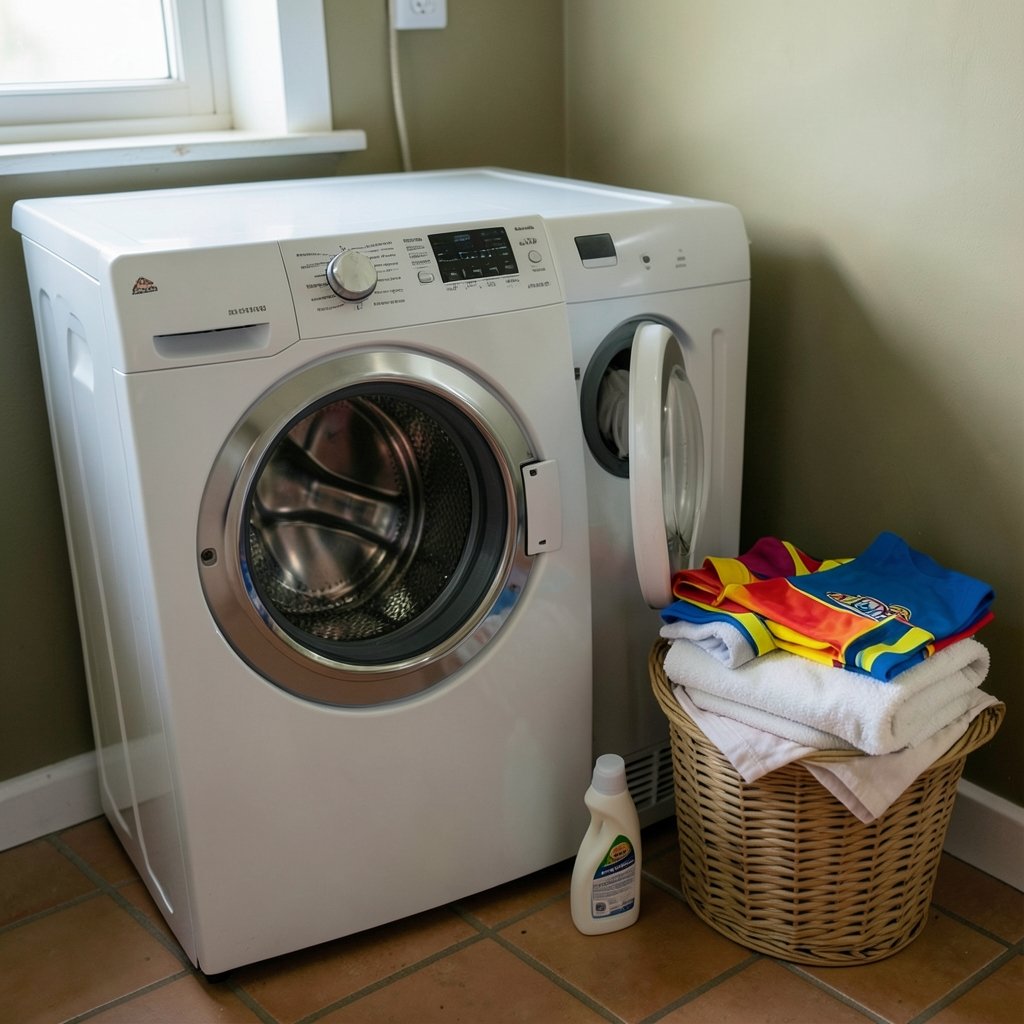
What if the best washing machine for your home is the one that doesn’t try to be clever? Top-load washers have a stubborn fan base for one simple reason: you drop clothes in from above, you don’t bend, and you don’t wrestle a wet drum door. But “good” is doing a lot of work in that sentence. Two machines that look identical on a showroom floor can behave completely differently once a family of four starts feeding them soccer kits and beach towels.
This guide walks through what actually separates a good top-load washer from a frustrating one. It covers the two designs on the market, the specs that matter versus the ones that are marketing noise, the mistakes buyers make most often, and how to match a machine to your laundry habits rather than to a sticker price.
Start With the Design, Not the Brand
The single biggest decision in top-load shopping is the wash mechanism, because it shapes everything downstream: water use, cycle length, fabric wear, and how much detergent you can safely add.
Traditional top-loaders use a central agitator, a tall finned column that twists back and forth. They fill with a lot of water, clean heavily soiled work clothes aggressively, and tolerate non-HE detergent better. The trade-offs are higher water consumption, more fabric wear, and less usable drum space because the agitator occupies the middle.
High-efficiency (HE) top-loaders use an impeller or low-profile wash plate at the bottom of the drum. The drum or plate moves clothes through a shallow pool of concentrated detergent water. These designs became the dominant U.S. top-load format through the 2010s. They use less water and energy, handle bulky items like comforters more easily, and are gentler on fabric. They also demand low-sudsing HE detergent, and they clean by mechanical action in a small water volume rather than by soaking.
Neither is universally better. If someone in the house works with grease, mud, or engine oil, an agitator model still has real advocates. If the laundry is mostly everyday clothing and bedding, an impeller machine is usually the more efficient pick.
Capacity Ratings Are Not Comparable Across Brands
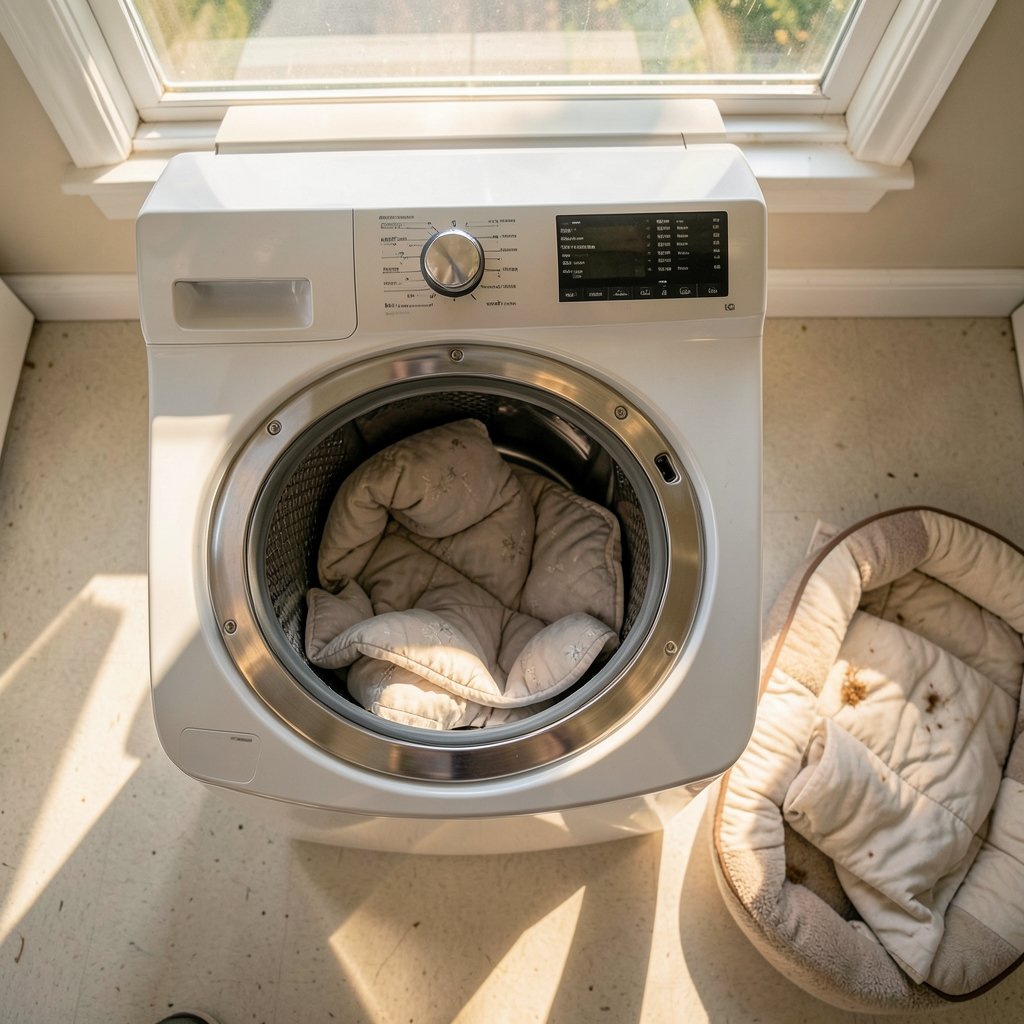
Top-load capacities are quoted in cubic feet, and residential models typically range from roughly 3.5 to more than 5 cubic feet. Here is the catch: capacity ratings are not standardized in a way that guarantees comparable usable volume. A 4.5 cu. ft. drum from one brand may not hold the same load as a 4.5 cu. ft. drum from another, because the measurement method and drum shape differ.
Practical approach: ignore the number as a ranking tool and think about what you actually wash. A 4.0 to 4.5 cu. ft. machine handles a queen comforter and a normal family load without drama. A 5+ cu. ft. machine is worth it if you routinely wash king bedding, dog beds, or several days of laundry for a big household. Oversizing has a cost: large drums encourage half-full loads, which waste water and energy no matter how efficient the machine is. (Water leak sensor under washing machine where place it it)
Water, Energy, and the Rules Behind the Numbers
In the United States, clothes washers are covered by federal energy-conservation standards under 42 U.S.C. § 6291 et seq., with the technical requirements set out in 10 C.F.R. Part 430. The Department of Energy tightened standards for top-loading residential washers in a final rule published in 2012, with compliance arriving later. The practical effect is that any new top-loader sold today is already a relatively efficient machine, which is why the gap between a “good” and “great” model is less about raw efficiency and more about how well the machine uses what it consumes.
Energy Star is a joint EPA–DOE labeling program, and its clothes-washer criteria have been revised several times, with Version 8.0 taking effect in 2018 and later versions possible. If the certification matters to you, check the current criteria version rather than trusting an old badge photo on a retailer page.
One underused money-saver: many U.S. utilities offer rebates for Energy Star washers, and eligibility varies by local program. It is worth ten minutes of checking before you buy, because a rebate can quietly change which model is the better value.
Features That Earn Their Keep
Sales floors are crowded with features. Some genuinely improve the experience; others exist to fill a spec sheet.
| Feature | Verdict | Why |
|---|---|---|
| Extra rinse option | Worth having | Helps households with sensitive skin or heavy detergent use |
| Deep fill / water level override | Worth having | Useful for bulky or heavily soiled loads on HE machines |
| Delay start | Nice to have | Shifts running time to off-peak electricity hours |
| Steam refresh | Marginal | Handy for wrinkles, rarely a reason to choose a model |
| Wi-Fi app control | Marginal | Convenient, but adds a failure point and little cleaning benefit |
| Automatic detergent dispenser | Depends | Reduces guesswork but adds a component that can clog |
| Soft-close lid | Small joy | You will notice it every single day |
The pattern is that mechanical and water-control features tend to matter more than connectivity. A washer’s job is cleaning; anything that does not improve cleaning, rinsing, or reliability is a bonus, not a requirement.
Noise, Vibration, and the Suspension Rod Reality
Top-loaders hang their drum on suspension rods, and those rods are sensitive to unbalanced loads. A single heavy towel wrapped around a light shirt can send a machine into a thumping walk across the floor. This is not a defect; it is the physics of the design. Front-loaders are generally quieter but bring their own well-known mold and odor issues around the door gasket.
If your laundry room sits next to a bedroom or above a living space, prioritize a model with a proven vibration-damping reputation and plan to balance loads properly. If noise is a genuine household problem, it is worth reading up on how machines behave under load before you commit, just as you would check a router’s latency behavior before blaming your internet provider for lag.
The Detergent Mistake Almost Everyone Makes
Using regular detergent in an HE top-loader is the most common self-inflicted problem in laundry. HE machines require low-sudsing HE detergent. Regular detergent produces too much foam for the small water volume, which can trigger oversudsing and cycle faults, leave residue on clothes, and force extra rinses that erase the efficiency you paid for.
A few practical habits that separate people who love their top-loader from people who regret it:
- Use the detergent dose for your load size and water hardness, not the cap’s maximum line.
- Run a cleaning cycle monthly with a washer cleaner or hot water and a dedicated tablet.
- Leave the lid open between loads so the drum and dispenser dry out.
- Wipe the dispenser drawer and the rim of the drum, where lint and residue collect.
- Don’t pack the drum; clothes need room to tumble through the wash plate’s current.
That last point matters more on impeller machines than most buyers expect. An overloaded HE top-loader cannot move clothes through the water, and cleaning performance drops sharply. If your machine starts smelling musty, the fix is usually a cleaning routine rather than a repair visit.
Matching the Machine to Your Household
The right top-loader depends on who is doing the laundry and what they are washing. A few profiles:
Renters and small households benefit from a mid-size impeller machine around 4.0 to 4.5 cu. ft. It handles weekly clothing loads efficiently, fits tighter spaces, and costs less to run than a oversized unit.
Families with young children should prioritize capacity, an extra rinse option, and a stain-friendly cycle. A deep fill or water level override is genuinely useful here, because kid laundry is unpredictable.
People with physical limitations often choose top-loaders specifically to avoid bending. Look for a machine with a reachable control panel, a lid that stays open on its own, and a drum depth you can reach the bottom of without strain.
Households washing workwear or pet bedding may still prefer an agitator model, or an impeller machine with a heavy-duty cycle and a deep fill option.
If you are also outfitting a laundry space with other appliances, it helps to think about the whole room at once rather than one purchase at a time. A washer that fits the doorway but not the drying routine is a common and expensive oversight, and it is the same logic that makes people compare a washer-dryer combo carefully before buying.
Reliability, Warranties, and What the Data Can Tell You
Independent reliability surveys rank washer brands by repair rates, and those rankings shift from year to year, so the most recent survey is the only one worth reading. The general pattern across testing organizations is that brand-level reliability varies meaningfully, and that the cheapest model in a lineup is not automatically the least reliable one.
Warranty norms in the U.S. run about one year for parts and labor, with longer coverage on the motor or drum, often five to ten years. Terms vary by brand and model, so read the actual warranty document rather than the badge on the machine. A ten-year drum warranty sounds generous until you learn it covers only the part, not the labor to replace it.
Mistakes That Turn a Good Purchase Into a Bad One
Buying a washer is easy to get wrong in predictable ways. These are the ones that come up again and again:
- Buying by capacity number alone. Drum shape and usable volume differ, so compare physical dimensions and load claims rather than cubic feet alone.
- Skipping the delivery measurements. Measure the doorway, the hallway turn, and the hookup clearance before ordering. Top-loaders are tall and awkward.
- Ignoring the lid height. A machine that sits too low or too high turns laundry into a chore.
- Assuming all cycles are equal. A “quick wash” that takes 45 minutes is not quick. Check cycle times in the manual or in reviews.
- Forgetting the drain and hose setup. A washer needs a standpipe or drain hose height that matches the machine’s pump requirements.
- Buying the biggest drum available. Oversizing encourages underloading, which wastes water and energy.
There is a parallel here with other appliance purchases: the spec that looks impressive on the box is rarely the one that determines daily satisfaction. The same principle applies when comparing money counting machines, where accuracy and build quality matter far more than a long feature list.
Conclusion
A good top-load washing machine is not the one with the longest feature list or the biggest drum. It is the one whose wash mechanism matches your laundry, whose capacity matches your household, and whose controls you can reach without thinking about it. Impeller machines win on efficiency and fabric care; agitator machines win on heavy soil and simplicity. Both can be excellent, and both can disappoint if the buyer ignores water levels, detergent type, and load balancing.
Do the boring work first: measure the space, check the current Energy Star criteria, look up local rebates, and read the most recent reliability data rather than a five-year-old review. Then buy the machine that fits the laundry you actually do, not the laundry you imagine doing. That is what separates a washer people keep for a decade from one they complain about on the internet.
Frequently Asked Questions
Is a top-load or front-load washer better?
Neither wins outright. Top-loaders are easier on the back, cost less up front, and handle bulky items well. Front-loaders are generally quieter and gentler on fabric but bring door-gasket mold and odor issues. The right choice depends on your laundry habits and your space.
Do I have to use HE detergent in a top-load washer?
If the machine is a high-efficiency impeller model, yes. HE machines use a small water volume, and regular detergent creates excess suds that can cause cycle faults and leave residue. Agitator models are more forgiving, but HE detergent is still the safer habit.
How many cubic feet do I need in a top-load washer?
For most families, 4.0 to 4.5 cubic feet is enough for everyday clothing and a queen comforter. Go larger only if you regularly wash king bedding, pet beds, or several days of laundry at once. Capacity ratings are not standardized across brands, so compare drum dimensions too.
Why does my top-load washer shake and walk across the floor?
Top-loaders hang the drum on suspension rods, which are sensitive to unbalanced loads. A heavy item wrapped around lighter ones can cause thumping and movement. Redistributing the load and leveling the machine usually solves it. Persistent shaking may point to worn suspension parts.
How long should a good top-load washer last?
Most washers are built for roughly a decade of normal household use, though actual lifespan depends on load frequency, water hardness, and maintenance. Running a monthly cleaning cycle and not overloading the drum are the two habits that most reliably extend life.
Are Energy Star top-load washers worth the extra cost?
Often, yes, especially if a local utility rebate applies. Federal standards already make new washers relatively efficient, so the Energy Star label mainly signals above-average performance within that group. Check the current criteria version and your local rebate program before deciding.