
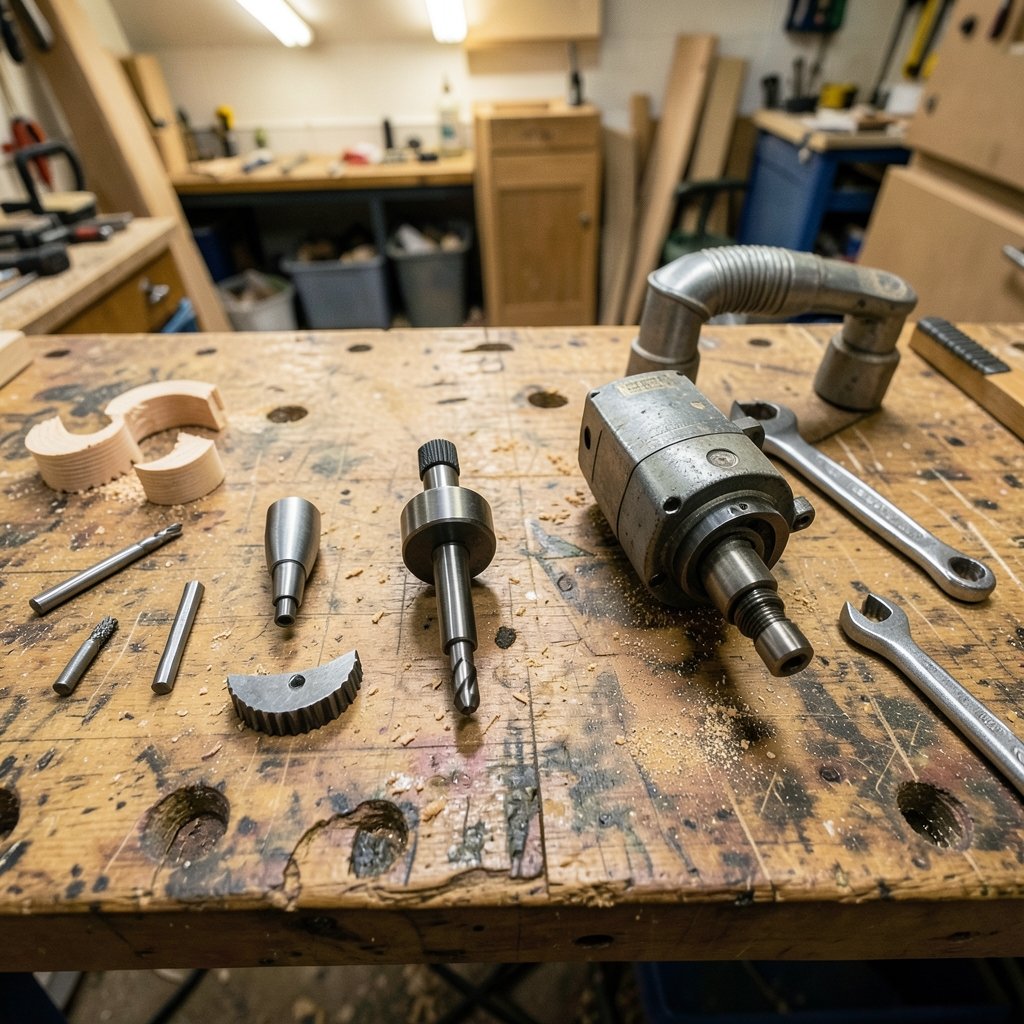
Quick Answer: Are expensive woodworking routers worth it?
It depends. Premium routers are worth it when the tool lives in a router table, cuts raised panels and hardwoods, or runs large-diameter bits that demand variable speed and steady torque. For light edge work and occasional trim jobs, a mid-priced router delivers nearly the same cut quality. (Wi fi router worth buying beginners everyday use)
The distinction matters because price tiers bundle features differently. A $300 plunge router and a $700 production router may share a 1/2-inch collet, yet only one is built to run eight hours a day. Combo kits with fixed and plunge bases sit in the middle and cover more use cases than either extreme.
Before spending more, compare motor power, variable speed, collet size and runout, soft-start, base type, dust collection, and serviceability.
Why Router Prices Climb So Fast
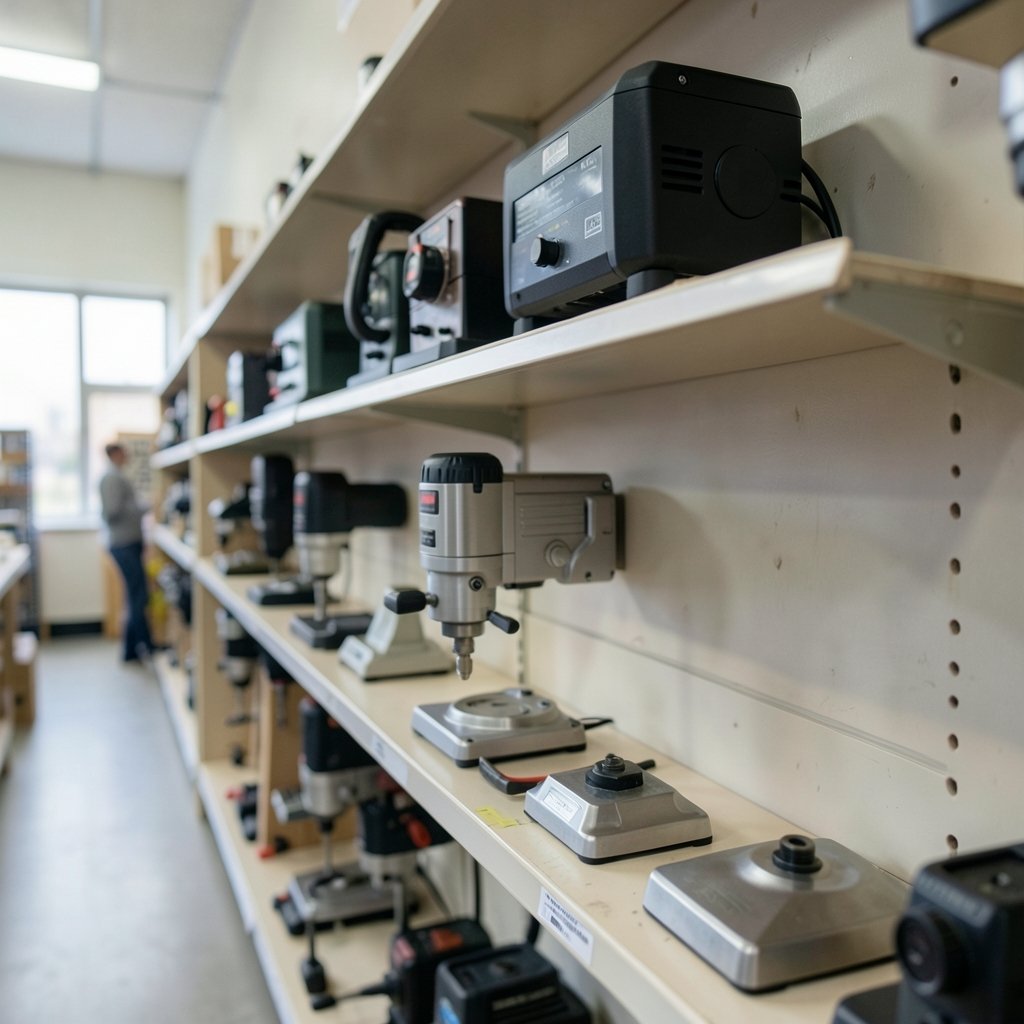
Walk into any woodworking store and the router aisle looks like a ladder. Entry-level fixed-base models sit near the bottom, mid-tier plunge routers occupy the middle, and production-grade panel routers anchor the top. The jump between rungs is rarely one feature. It is a bundle: more horsepower, electronic speed control, better bearings, a machined collet, and a sturdier base casting.
That bundling is exactly why the “worth it” question has no single answer. A buyer who needs one feature from the premium bundle often pays for five they will never use. A buyer who needs three of them usually finds the math flips in favor of spending more. (State quarters worth money which ones actually hold value)
The honest starting point is to name the job. Routing is not one task. It is edge profiling, joinery, panel raising, template work, and table-mounted production, and each one pulls value from different parts of the price ladder.
What Extra Money Actually Buys
Power and torque
Hobby-tier fixed-base and plunge routers commonly land around 1.5 to 2.25 horsepower. Mid-tier plunge routers typically run 2.25 to 3.25 horsepower, and production or panel routers start at 3 horsepower and climb. The meaningful jump is roughly 1.75 to 3 horsepower, where raised panels in oak or maple stop bogging down. The jump from 2.25 to 2.5 horsepower is marketing, not performance.
One caution: horsepower ratings are inconsistent across brands. Some publish peak output, others continuous. Comparing numbers across manufacturers is unreliable, so treat spec-sheet horsepower as a rough tier indicator rather than a precise measurement.
Variable speed
This is the feature most often mistaken for a luxury. It is not. Large-diameter bits such as panel raisers and big roundovers need lower RPM to limit heat and burning. Small bits need higher RPM for clean shearing cuts. A router locked at a single speed forces the operator to compromise, and compromise in routing usually shows up as burn marks or chatter.
Most mid-tier and premium routers include electronic variable speed. Many entry-level fixed-base routers do not. If large bits are anywhere in the plan, this single feature justifies a tier upgrade on its own.
Soft-start and electronic feedback
Soft-start ramps the motor up instead of slamming it to full speed, which reduces the startup kick that catches people off guard. Electronic feedback maintains RPM under load, so the bit does not slow in hard grain and leave a gouge. Both appear more often as price rises, though some mid-priced models include them. Check the spec sheet rather than assuming.
Collet quality and runout
Here is the quiet one. A well-machined 1/2-inch collet with low runout produces cleaner cuts and longer bit life than raw horsepower does for many users. Cheap routers can show measurable runout, which manifests as a slightly oversized groove or a fuzzy edge that no amount of sanding fully fixes.
The frustrating part is that manufacturers rarely publish runout figures, so objective comparison is nearly impossible. The practical workaround is to buy from a seller with a return window and test a straight bit with a dial indicator, or simply judge the first cuts on scrap.
1/2-inch versus 1/4-inch collets
Mid- and high-tier routers standardize on 1/2-inch collets. Entry models often ship with 1/4-inch only. A 1/2-inch shank is stiffer and safer for large bits, and many premium routers accept both sizes through a collet change. If a router cannot take 1/2-inch bits, its ceiling for panel work is low no matter what the motor says.
Conveniences that do not change cut quality
Dust collection and above-table bit adjustment improve workflow and air quality, but they do not make a better cut. They are worth paying for if the router lives in a table. They are close to irrelevant for handheld edge work.
The Table Question Changes Everything
A router used mainly in a table benefits from power, variable speed, and above-table bit changes. A router used mainly for handheld edge work benefits from low weight and good ergonomics. Spending premium money on a heavy production router for handheld trim work is a classic mismatch: the buyer pays for torque and carries the weight.
| Use case | Premium router worth it? | Why |
|---|---|---|
| Router table, raised panels, hardwoods | Usually yes | Power, variable speed, 1/2-inch collet, above-table adjustment |
| Regular joinery and mortising | Often yes | Plunge base precision, soft-start, steady RPM |
| Occasional edge profiling | Rarely | Mid-tier fixed-base covers it at half the cost |
| Template and pattern work | Sometimes | Depends on bit size and how often the tool runs |
| Trim and light roundovers | No | Weight and price both work against the buyer |
Plunge versus fixed base is a use-case distinction rather than a price one. Plunge routers suit stopped cuts, mortising, and template work. Fixed-base routers suit table mounting and edge work. Combo kits bundling both bases are common in the mid-to-upper range and often represent the best value for someone whose work spans both.
When the Premium Router Pays for Itself
The math is easiest when the tool earns money. A cabinet shop running raised panels daily will burn through a budget router’s bearings in a season or two, and downtime costs more than the price gap. In that setting, bearing quality, switch durability, and serviceability matter more than any spec-sheet number, because reliability is what keeps the work moving.
For hobbyists, the calculation is about repetition. A router that runs two hours a month will outlive its owner regardless of tier. A router that runs two hours every weekend on hardwood is a different machine under load, and the premium tier starts earning its keep.
Price is a weak proxy for reliability, though. Longevity depends on bearings, switches, and whether parts are available in five years. Some budget routers have long service lives, and some premium models have known switch or bearing complaints. Community forums are the main source of reliability data, but that data is anecdotal, so treat strong claims in either direction with suspicion.
Practical Tips and Common Mistakes
Match the bit to the speed. Running a large panel raiser at full RPM is the most common cause of burning and shortened bit life. Slow down for diameter, speed up for small bits.
Do not buy horsepower you cannot use. A 3-horsepower router in a lightweight table vibrates. The table, plate, and fence need to match the motor.
Test the collet early. Mount a straight bit, check for visible wobble, and make a test cut in scrap before the return window closes. This catches runout problems that no review will mention.
Budget for the bits and the router. A premium router with cheap bits cuts worse than a mid-tier router with quality bits. The bit is the part touching the wood.
Skip the upgrade if the main job is handheld. Weight matters more than torque when the tool is in your hands at chest height.
Check the standards box. Routers sold in the US fall under the UL 62841 family of hand-held tool standards, with a dedicated part covering routers and trimmers. European sales follow the EN 62841 series. Compliance is required for sale and does not separate tiers much, but it confirms the tool meets basic safety requirements.
Where a Mid-Priced Router Wins
The mid-tier is the sweet spot for most buyers, and it is worth saying plainly. A plunge router in the 2.25 to 3.25 horsepower band with variable speed, soft-start, and a 1/2-inch collet covers the overwhelming majority of hobby and small-shop work. It runs raised panels if pushed, handles joinery comfortably, and mounts in a table without drama.
The same logic applies outside the workshop. People ask whether a budget gaming router is worth buying, and the answer follows the same shape: match the tool to the actual job, then spend where the job demands it. The same goes for choosing a Wi-Fi router for beginners and everyday use, where the premium tier mostly buys features the average household never touches. Router buying is router buying, whether the bit spins in wood or data.
Where the mid-tier falls short is sustained production and very large bits in very hard wood. If that describes the work, the premium tier is not indulgence. It is the correct tool.
How to Decide in Ten Minutes
- Write down the three routing tasks you did most in the last year.
- Note the largest bit diameter you use or plan to use.
- Decide whether the router will live in a table or in your hands.
- Check whether variable speed and a 1/2-inch collet appear on the spec sheet.
- Compare bearing and switch serviceability alongside horsepower.
- Set a budget that leaves room for two or three quality bits.
If steps one through three point to table work and large bits, spend up. If they point to occasional handheld edge work, save the difference and put it into bits and a decent fence.
Conclusion
Expensive woodworking routers are worth it in specific, predictable situations: table-mounted work, raised panels, hardwoods, large-diameter bits, and any setting where downtime costs money. They are poor value for light handheld work, where weight and price both work against the buyer. The features that actually justify the price are variable speed, a quality 1/2-inch collet, soft-start, and electronic feedback, not the badge on the housing.
The smart move for most buyers is the mid-tier plunge or combo kit, paired with good bits and an honest assessment of what the tool will actually do. Spend where the work demands it, save where it does not, and test the collet before the return window closes.
FAQ
Is a 3-horsepower router too much for a hobby shop?
Usually yes, unless the router lives in a sturdy table and runs large bits. Extra power in a light table produces vibration, and vibration shows up in the cut. A 2.25 to 3.25 horsepower plunge router covers most hobby work comfortably.
Do I really need variable speed?
If you use bits larger than about an inch in diameter, yes. Large bits need lower RPM to avoid heat and burning, and small bits need higher RPM for clean cuts. A single-speed router forces a compromise that shows in the finish.
Is a 1/4-inch collet good enough?
For small bits and light edge work, it is fine. For large bits and hardwoods, a 1/2-inch shank is stiffer and safer. Many premium routers accept both through a collet change, which is the most flexible arrangement.
Can a cheap router cut as cleanly as an expensive one?
Sometimes, especially with small bits and light passes. Cut quality depends heavily on collet runout and bit condition, and runout varies between individual units rather than strictly by price. Test early and return if the cut disappoints.
Plunge or fixed base for a first router?
A combo kit with both bases covers the most ground. If only one is possible, choose plunge for joinery and template work, and fixed base for table mounting and edge work. Plunge is the more versatile single choice for most beginners.
How long should an expensive router last?
Longevity depends on bearings, switch durability, and parts availability rather than price alone. A hobbyist running a few hours a month may never wear out any tier. A shop running daily will notice the difference in service life, which is where the premium price earns back.



