
Quick Answer: Are expensive bike repair tool kits worth it?
It depends. Premium kits are worth it if you ride often, service carbon components, or plan to keep wrenching for years, because hardened steel and tight tolerances prevent costly damage. For occasional riders, a mid-priced set plus a few quality individual tools delivers most of the benefit at a fraction of the cost.
The gap between budget and premium kits shows up in three places: steel hardness, tolerance, and warranty support. A cheap hex key that rounds out a bolt head can turn a ten-minute job into a frame repair. The key factors to compare are material quality, fit accuracy, warranty terms, which tools you actually use, and whether the kit includes a torque wrench.
Why Tool Quality Matters More Than Most Riders Think
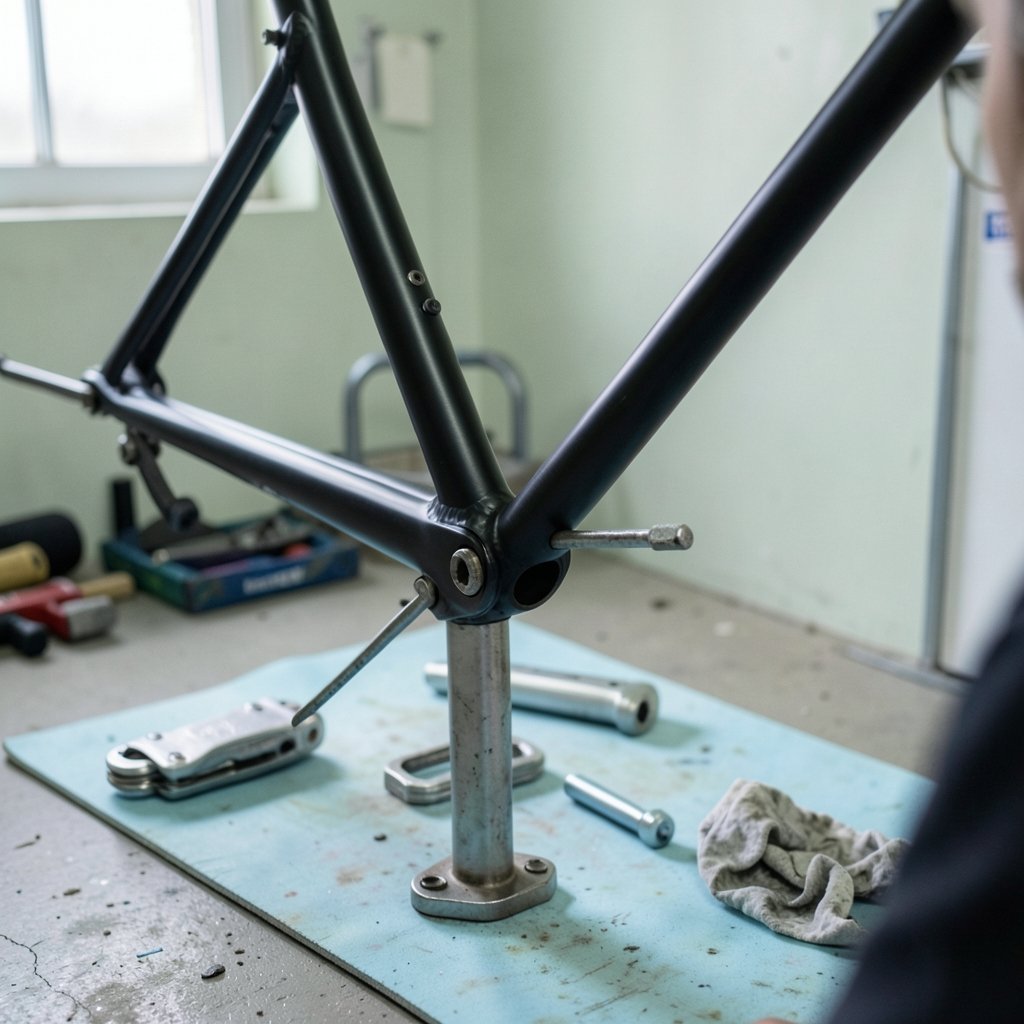
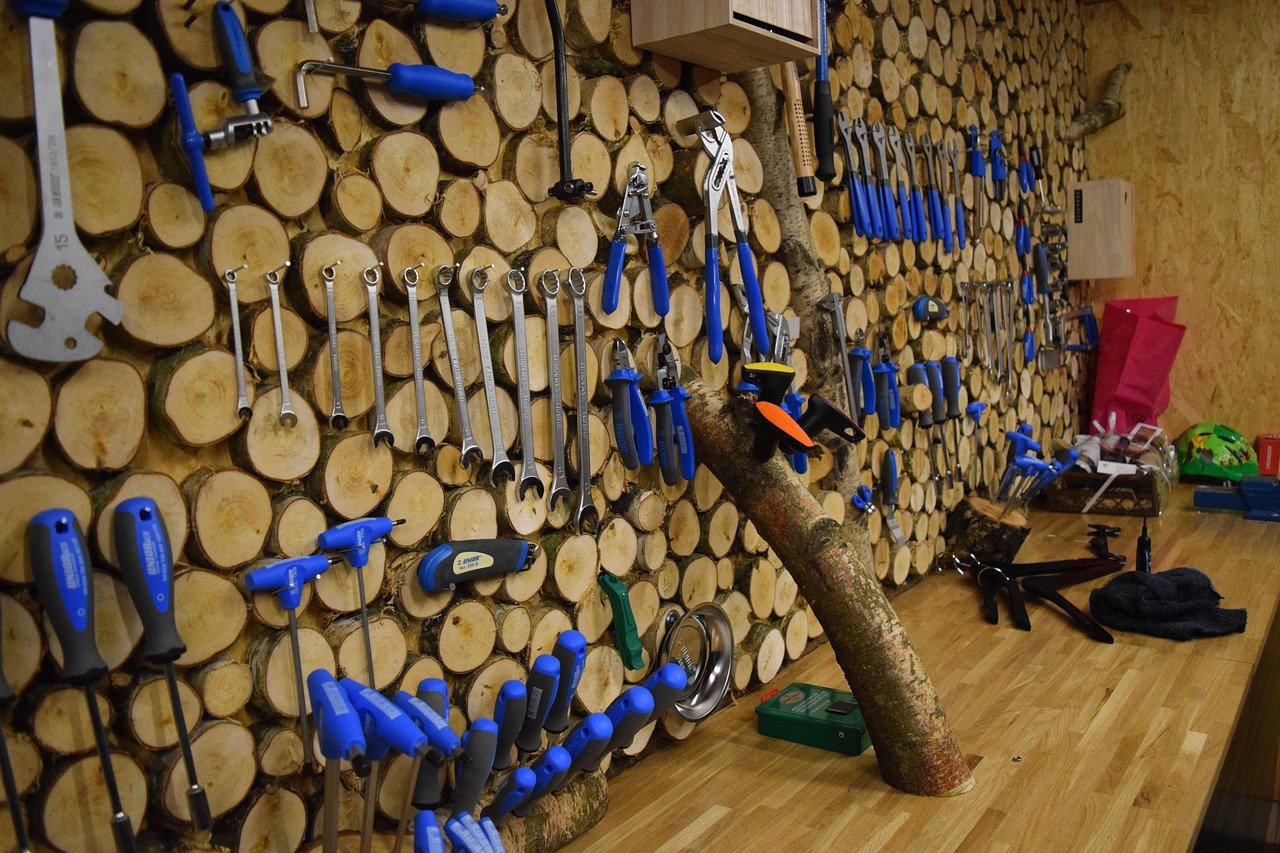
Bicycle repair is unforgiving work. Bolts are small, threads are soft, and modern frames mix aluminum, carbon fiber, and titanium in the same bike. A tool that fits loosely feels bad in the hand and chews up fastener heads; a rounded bolt on a carbon seatpost clamp can mean an expensive trip to a shop.
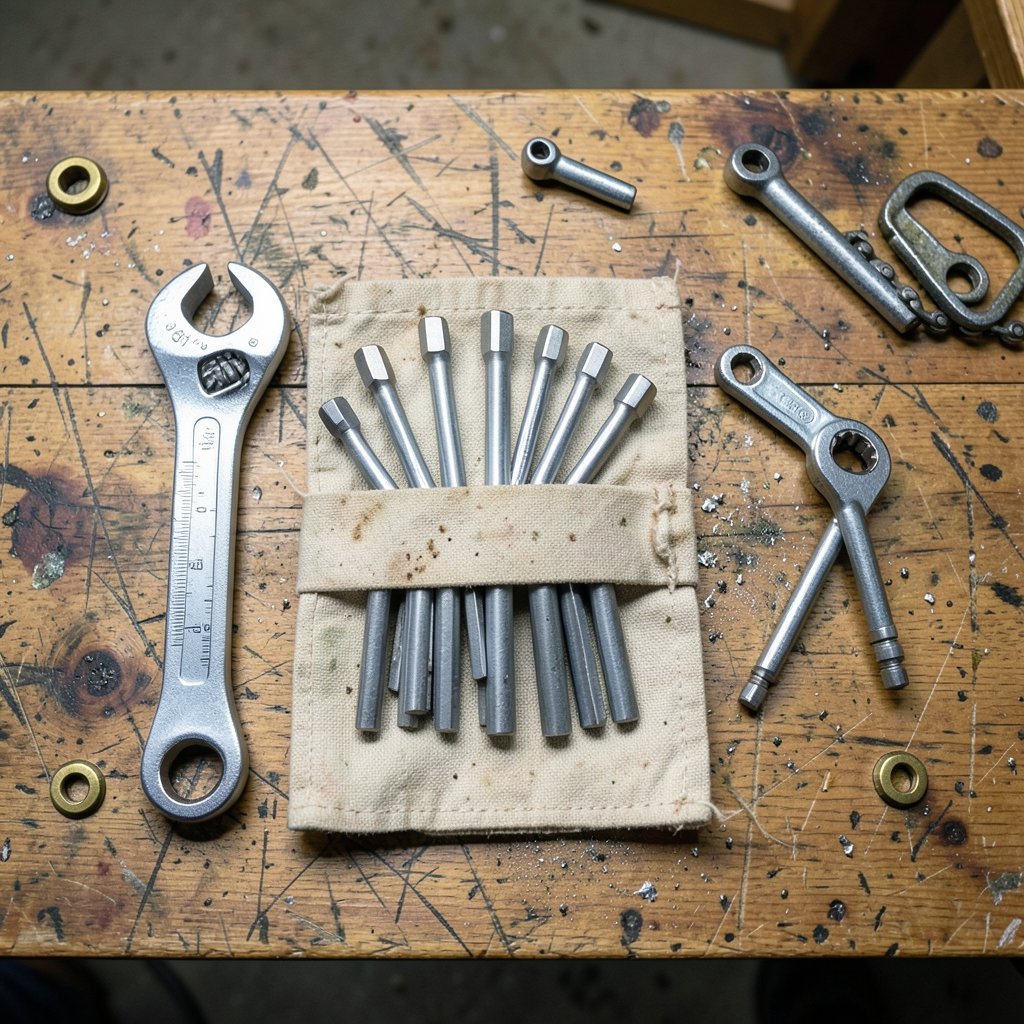
The technical difference between cheap and premium tools comes down to two things: steel hardness and tolerance. Hardened tool steel resists deformation under load, while soft alloys bend and round off at the corners. Tolerance is the gap between the tool and the fastener. A well-made 4mm hex key engages the full depth of the bolt head; a sloppy one contacts only the top edges.
There is no single mandatory standard for consumer bike repair tools, so quality claims are hard to verify from a label alone. That is why material specs, warranty length, and reputation matter more than marketing language. It is a similar logic to deciding whether a dead motherboard is worth fixing: the answer depends on whether the repair preserves the value of what you already own.
What Expensive Kits Actually Give You
Premium kits from established brands cost more for concrete reasons. Here is where the money goes.
| Feature | Budget Kit (under $50) | Premium Kit ($150+) |
|---|---|---|
| Hex key steel | Soft alloy, bends under load | Hardened steel, holds shape |
| Fit accuracy | Loose, rounds bolt heads | Tight tolerance, full engagement |
| Torque wrench | Often absent or inaccurate | Calibrated, repeatable |
| Warranty | 30 to 90 days | Lifetime on many hand tools |
| Case and layout | Thin plastic, tools shift | Molded case, labeled slots |
| Specialty tools | Missing or poor copies | Chain whip, cassette tool, bearing press |
The lifetime warranty point deserves attention. Established brands often back hand tools for life, which changes the math on a $200 kit spread over a decade of use. Warranty terms differ by brand and region and do change over time, so read the current terms before buying rather than trusting an old review.
A calibrated torque wrench is arguably the single most valuable item in a premium kit. Manufacturers publish torque specifications in newton-metres (N·m) because over-tightening can crack carbon fiber or strip alloy threads. A cheap but accurate torque wrench beats an expensive inaccurate one every time. Unit confusion is a real hazard too; mixing up N·m and inch-pounds is a common error, and official unit-conversion references exist precisely because people get it wrong.
When a Premium Kit Pays for Itself
The math favors a premium kit in specific situations.
If a rider services their own bike several times a year, the cost per use drops fast. A $200 kit used twenty times a year costs $10 per session, less than a single shop visit in most cities. Add in avoided shop labor for simple jobs like brake pad swaps, chain replacement, and derailleur adjustment, and the kit often breaks even within a season or two.
Carbon components push the calculation further. A torque wrench that prevents a cracked carbon seatpost or handlebar pays for itself in one avoided replacement. The same logic applies to threaded parts: chasing a stripped bottom bracket thread costs more than the tool that would have prevented it.
Frequent riders also benefit from specialty tools that budget kits skip or copy badly. Cassette removal, bottom bracket service, and bearing presses all demand tools with correct engagement. A poor copy of a cassette tool can slip and scar the lockring, creating a problem that did not exist before.
There is a broader trend worth noting. Right-to-repair rules are expanding access to parts and documentation in some regions, which gradually reduces the value of proprietary or brand-locked tools. If a rider can source standard parts and public service information, a good general kit becomes more useful, not less. The same principle shows up in other repair decisions, like weighing whether to fix a device or replace it, where access to good tools and documentation often decides the outcome. (Samsung tablet repair near me find shop worth trusting)
When a Cheap or Mid-Range Kit Makes More Sense
Not everyone needs a rolling workshop. Occasional riders, commuters with one bike, and people who mostly ride in fair weather can do nearly everything with a modest set.
Public-sector and non-profit cycling organizations routinely teach maintenance with basic tools, which is a strong signal that most routine jobs do not require premium equipment. Changing a tube, adjusting a derailleur, tightening a stem, and replacing brake pads are all low-torque tasks that a decent mid-range kit handles fine.
The smarter budget strategy is a hybrid approach: buy a mid-priced kit for the common tools, then upgrade the two or three items used most often. A quality set of hex keys and one accurate torque wrench cover the majority of home maintenance. Riders who also handle home repairs know this pattern well; the same reasoning applies when deciding between paid and free software tools, where the free option covers most needs and paid tools only make sense for heavy users.
Price is also not a reliable proxy for quality in hand tools. Consumer-testing bodies have repeatedly found budget tools performing comparably in some categories, so paying more does not automatically buy better. The lesson is to buy based on the specific tool, not the price tag on the box.
How to Judge a Kit Before You Buy
A few practical checks separate good kits from bad ones, and they take only minutes in a shop or while reading a listing.
- Check the steel specification. Look for hardened steel or tool steel in the product details. Vague claims like “premium material” with no grade are a warning sign.
- Test the fit if you can. A hex key should slide into a bolt head with no wobble and no force.
- Confirm the torque wrench range. It should cover the values printed on your components, typically low ranges for cockpit parts.
- Read the warranty terms in full, including what voids coverage.
- Count the tools you will actually use. A 37-piece kit with 20 pieces you never touch is worse value than a focused 12-piece set.
- Check for consumables and case quality. A molded case that holds tools in labeled slots saves time on every job.
A common mistake is buying the biggest kit available. Another is skipping the torque wrench to save money, then over-tightening a carbon part. A third is trusting a cheap hex key on a stubborn bolt and rounding it. Each of these errors costs more than the upgrade would have.
The Legal and Warranty Side of the Decision
Buying tools is also a consumer-law question, and it varies by region. In the EU, the Sale of Goods Directive (EU) 2019/771, applicable from January 2022, sets minimum legal guarantee rules for goods, including durability and conformity. That gives EU buyers a baseline of protection regardless of brand claims.
In the US, warranty language is governed by federal rules that define what terms like “lifetime warranty” actually mean legally. A lifetime warranty on a hand tool is a meaningful promise, but it covers defects, not wear from misuse. Riders should read the fine print on both sides of the Atlantic before assuming a premium price buys unlimited replacement.
Right-to-repair legislation is a moving target. EU ecodesign rules for repair have been rolling out for certain product categories since 2025, and US state laws continue to expand. Whether these rules cover bicycles specifically is not settled, so riders should not assume that access to parts and service documentation is guaranteed. The practical takeaway is to favor standard, non-proprietary tools that stay useful no matter how the rules evolve. (Garage door repair near me find trustworthy pro fast)
A Simple Decision Framework
The choice comes down to three questions, and honest answers point to the right kit.
| Your situation | Best choice | Why |
|---|---|---|
| Ride weekly, service your own bike, own carbon parts | Premium kit | Torque accuracy and tolerance protect expensive components |
| Ride occasionally, one bike, alloy frame | Mid-range kit plus a good torque wrench | Covers routine jobs without overspending |
| Just starting out, unsure about commitment | Basic kit, upgrade as you go | Avoids a large outlay before skills develop |
| Own several bikes or restore old ones | Premium kit with specialty tools | High use and varied jobs justify the investment |
The pattern is consistent. Premium kits reward heavy use and high-value components. Casual riders get better value from a focused mid-range set with a couple of quality upgrades. Neither choice is wrong; they simply match different riding lives.
Conclusion
Expensive bike repair tool kits are worth it for riders who service their bikes often, work on carbon or high-value components, and plan to keep their tools for years. Hardened steel, tight tolerances, accurate torque, and lifetime warranties turn a premium price into a long-term saving. For occasional riders, a mid-range kit plus a quality torque wrench and good hex keys covers nearly everything at a fraction of the cost. The real mistake is not spending too little or too much; it is buying tools that damage the parts they are meant to protect. Match the kit to the riding, check the steel and warranty, and upgrade the tools you use most.
Frequently Asked Questions
How much should I spend on a first bike tool kit?
Most beginners do well in the $60 to $120 range. That buys a functional set of hex keys, screwdrivers, a chain tool, and tire levers. Add a separate accurate torque wrench, since that is the one item worth buying at a higher quality tier from day one.
Do I really need a torque wrench for a carbon bike?
Yes. Carbon fiber can crack from over-tightening, and manufacturers publish torque values in newton-metres for a reason. A calibrated wrench in the low range covers stem, seatpost, and handlebar bolts. Skipping it risks a repair bill far larger than the tool.
Are cheap hex keys actually dangerous to my bike?
They are not dangerous to the rider, but they can damage the bike. Soft alloy keys round off at the corners and strip bolt heads, especially on tight or seized fasteners. Replacing a stripped bolt is annoying; damaging a frame thread is expensive.
Does a lifetime warranty make an expensive kit worth it?
It can, if the brand honors it and you keep the receipt. A lifetime warranty spreads the cost over years of use and covers manufacturing defects. It does not cover wear, misuse, or damage from using the wrong tool for the job, so read the terms carefully.
Can I build a good kit by buying individual tools instead of a set?
Often yes, and it is the better route for riders who know what they work on. Buying individual quality tools for the jobs you actually do avoids paying for filler pieces. The trade-off is convenience: a set arrives ready to use with a case that keeps everything organized.
Is it cheaper to just take my bike to a shop?
For one or two repairs a year, a shop is usually cheaper. Once you service your own bike regularly, the kit pays for itself in avoided labor. The break-even point typically arrives within a season or two for riders who do routine maintenance themselves.



