
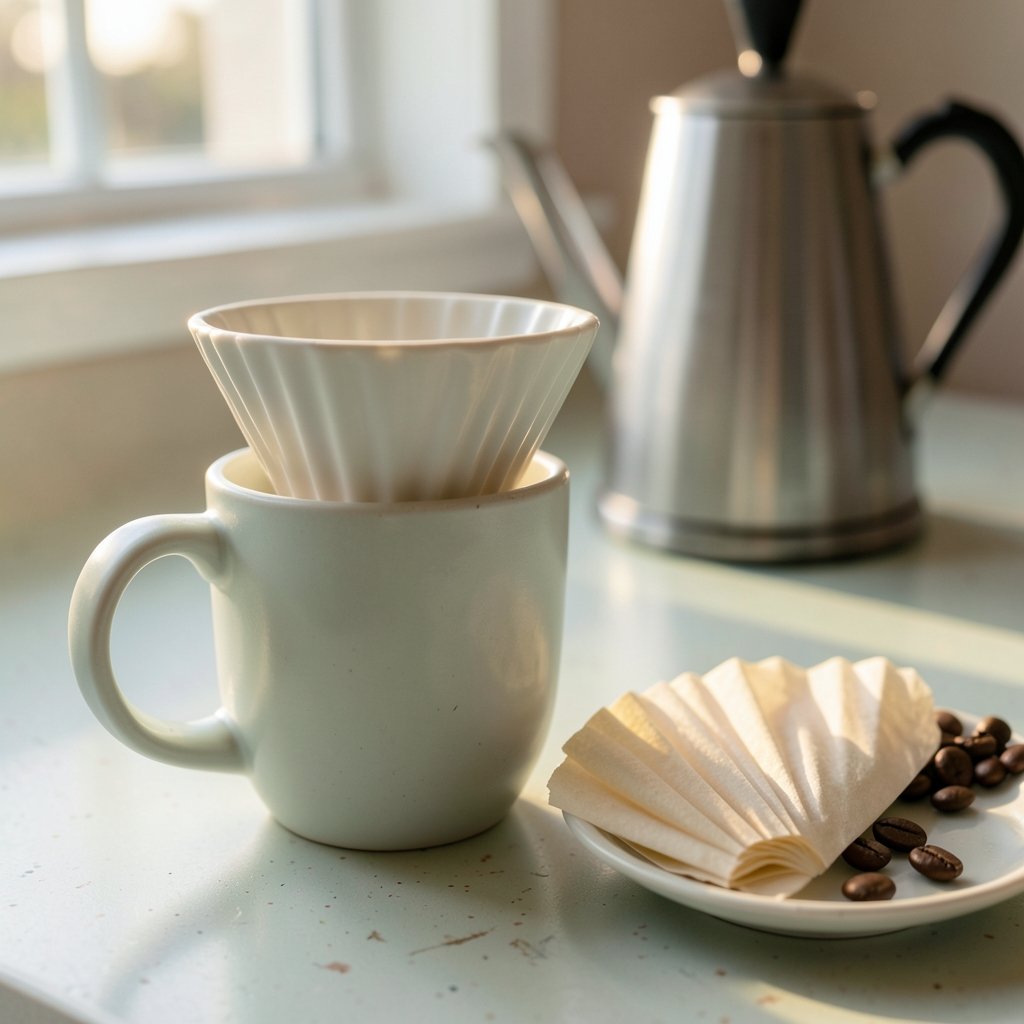
What if the best cup of coffee in your kitchen costs less than a nice dinner out? Pour-over brewing has a reputation for being fussy and expensive, but the truth is simpler: most of the gear that makes café-quality coffee costs between $20 and $90. The brewer itself is often the cheapest part of the setup.
This roundup covers six specific pour-over options under $100, from a $20 cone that baristas keep recommending to an automatic machine that does the pouring for you. Each pick includes who it suits, what it does well, and one honest limitation. Prices come from published reviews and retailer listings, so check current pricing before you buy. (10 best ai chatbots gpt 5 claude under hood 2027)
Comparison Table: Six Pour-Overs Under $100
| Brewer | Best for | Brew style | Typical price |
|---|---|---|---|
| Hario V60 | Beginners who want to learn technique | Cone dripper | Around $20 to $27 |
| Chemex Classic 6-Cup | Small groups and clean, bright coffee | Hourglass glass brewer | Around $65 with filters |
| Kalita Wave | Forgiving flat-bottom brewing | Flat-bed dripper | Under $100 |
| Clever Coffee Dripper | No-technique brewing | Immersion cone with valve | Under $100 |
| OXO Brew Pour-Over | Hands-off automatic brewing | Automatic | Under $100 |
| TRU Automatic Pour-Over | Push-button convenience | Automatic | Under $85 |
Hario V60: The Best Starting Point for Most People
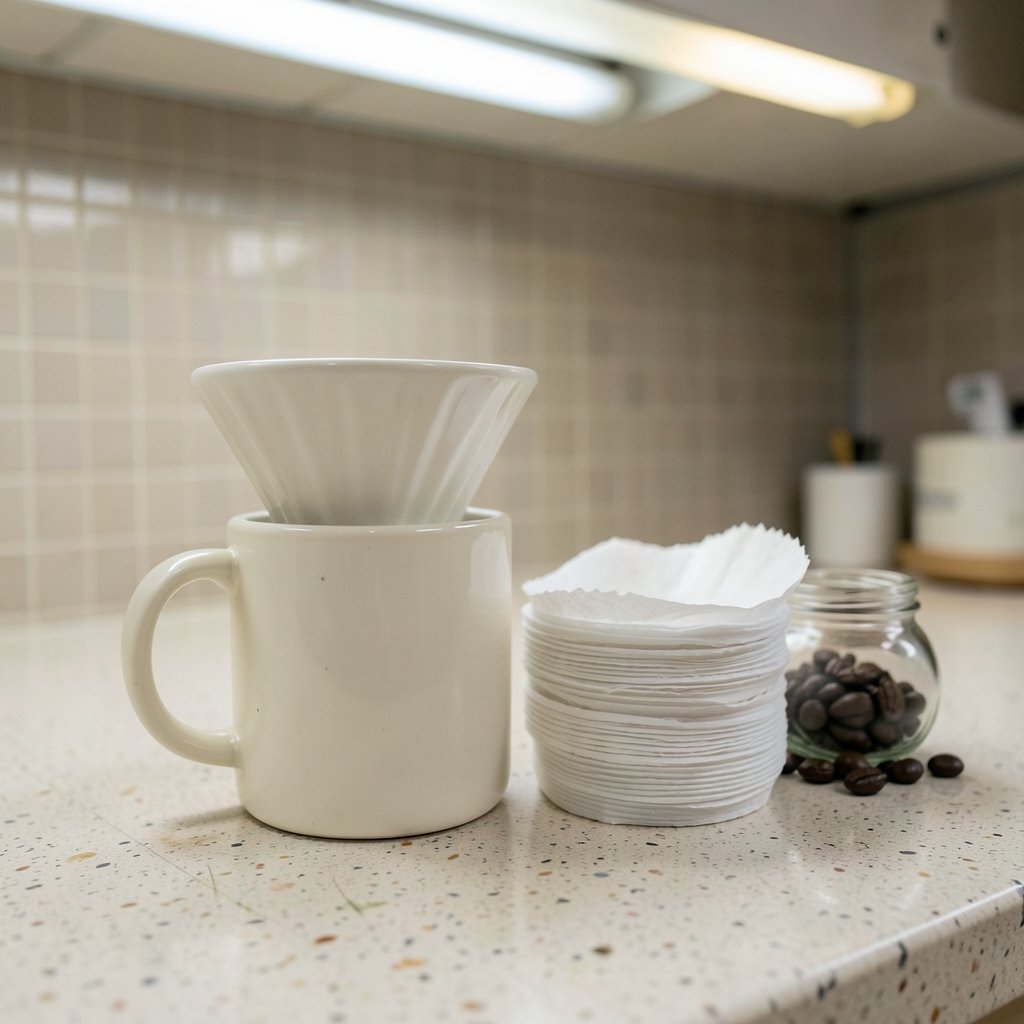
The Hario V60 is the default recommendation for a reason. It is a cone-shaped dripper with a 60-degree angle, spiral ribs, and a single large hole at the bottom. The design is simple, the price is low, and the results reward a little practice.
According to baristas interviewed by The Kitchn, the V60 and the Chemex are the two pour-over brewers professionals keep coming back to. One former barista noted that it is hard to find a pour-over dripper that cannot make tasty coffee, which takes some pressure off your first purchase.
Who it suits: Anyone who wants to learn pour-over without spending much. The V60 works with a mug you already own, so you do not need a separate carafe.
What it does well: The standard dripper runs about $20, and filters cost just a few dollars more. You can buy filters in bulk or find generic versions. It comes in ceramic, glass, and plastic versions, so you can match your kitchen or your budget.
The limitation: The V60 is not forgiving. The single large hole means your pour speed and grind size matter. If you rush, the water drains too fast and the cup tastes thin. If you want a brewer that hides mistakes, look at the Kalita or the Clever instead.
Chemex Classic 6-Cup: Best for Small Groups and Clean Flavor
The Chemex is the design-forward option. The hourglass glass brewer sits in the Museum of Modern Art’s collection, and it doubles as a serving carafe. It is also one of the best non-toxic picks if you want to keep plastic out of the brewing path, since it is made from non-porous borosilicate glass that does not absorb odors or chemical residues.
Who it suits: Two to four people, or one person who wants a carafe to share. The 6-cup model brews about 30 ounces.
What it does well: Thick bonded paper filters remove oils and sediment, producing a bright, clean cup. A bundle with 100 square filters costs around $65, which leaves plenty of room under the $100 line.
The limitation: Chemex measures a cup as 5 ounces, not 8, so do not expect six full mugs. The thick filters also mute some of the heavier, oilier notes that French press fans love. And like all manual brewers, it takes a few minutes of attention and a kettle.
Kalita Wave: The Forgiving Flat-Bottom Dripper
The Kalita Wave uses a flat bed of coffee rather than a deep cone. That shape evens out an uneven pour, so beginners get a good cup without perfect technique. If you have ever watched water channel through one side of a cone and wondered what went wrong, this is the fix.
Who it suits: People who want pour-over flavor without a steep learning curve, and anyone brewing for two. The 185 size handles two cups comfortably.
What it does well: The flat bed and three small drainage holes slow the flow and stabilize extraction. You get more consistency cup to cup, even on mornings when you are half awake.
The limitation: The Wave uses its own proprietary paper filters, so you cannot grab cheap supermarket cones in a pinch. Factor that recurring cost in.
Clever Coffee Dripper: The Most Forgiving Brewer Here
The Clever Coffee Dripper is a cone with a valve in the bottom. You add coffee and water, the grounds steep like a French press, and then you set the dripper on your mug to open the valve and let it drain through a paper filter. There is no pouring technique to learn: pour, wait about four minutes, set it down. (Coffee maker overflows filter basket it happens fix it)
Who it suits: Anyone who wants pour-over clarity with zero fuss, including people who have tried a cone and given up.
What it does well: It is the most forgiving brewer in this roundup. You get the body of an immersion brew plus the clean finish of a paper filter, and the 18-ounce size covers a generous single serving or two smaller cups.
The limitation: The valve and plastic body need regular cleaning, and the brew leans closer to French press texture than to the delicate brightness of a V60. If you want the classic pour-over profile, this is not quite it.
OXO Brew Pour-Over: Automatic Brewing Without the Kettle
The OXO Brew Pour-Over Coffee Maker takes the skill out of the process. It handles the water delivery for you, which means no gooseneck kettle and no timing your pours. It is one of the few automatic pour-over machines that stays well under $100.
Who it suits: People who like pour-over coffee but not the ritual. It is also a good fit for anyone with limited mobility or a rushed morning routine.
What it does well: Consistent results with minimal input. The machine mimics the bloom-and-pour pattern that makes manual pour-over taste good.
The limitation: You trade control for convenience. If you enjoy tweaking grind size and pour patterns, an automatic machine removes the part you like. Check the current price and filter requirements before buying, since automatic models vary by retailer.
TRU Automatic Pour-Over: Push-Button Pour-Over for Under $85
The TRU Automatic Pour-Over Digital Control Coffee Maker consolidates the whole process into one compact gadget. You put a filter in the dripper, fill the tank in the back, and press the water droplet button on the display. A reviewer who tested it noted that it costs less than a popular pod machine and does the hard work of pour-over for you.
Who it suits: Beginners who are curious about pour-over but hesitant about the technique, and anyone who wants a compact machine that replaces a dripper, kettle, and scale.
What it does well: It brings pour-over within reach for people who would otherwise never try it. Setup is fast, and the machine handles the water delivery.
The limitation: It is still a machine, so there is a water tank to fill and clean, and you are locked into its brewing pattern. At under $85, it also sits close enough to the $100 ceiling that you should confirm the price before ordering.
How to Choose a Pour-Over Under $100
Start with how much attention you want to give your morning coffee. That single question narrows the list faster than any spec sheet.
- Pick manual if you want control. A V60, Chemex, or Kalita gives you room to experiment with grind size, water temperature, and pour speed. The trade-off is time and a learning curve.
- Pick forgiving if you want consistency. The Kalita Wave and Clever Dripper smooth over sloppy pours. The Clever removes technique from the equation entirely.
- Pick automatic if you want speed. The OXO and TRU machines do the pouring for you. You lose some control but gain repeatable results on busy mornings.
- Budget for filters along with the brewer. Filters are a recurring cost, and they are not universally interchangeable. A cheap brewer with expensive proprietary filters can cost more over a year than a pricier brewer with standard ones.
- Check the cup math. A “6-cup” Chemex brews about 30 ounces because it counts a cup as 5 ounces. Always look at fluid ounces or milliliters rather than the word cup.
- Think about water quality. Even a great brewer struggles with hard water. Mineral buildup dulls flavor and shortens the life of any machine, so a simple filter pitcher is a worthwhile add-on.
Care Tips That Keep Cheap Gear Brewing Well
A $20 dripper can outlast a $200 machine if you treat it right. Rinse ceramic and glass brewers with hot water after every use, and skip the dishwasher for anything with a valve. Paper filters should be rinsed before brewing to remove papery taste. For automatic machines, descale on the schedule in the manual. Hard water is the quiet killer of coffee gear, so if your tap water leaves spots on glass, it is leaving scale inside your brewer.
One more practical note: buy filters in bulk when you find a size you like. Running out of filters is the most common reason a perfectly good pour-over setup ends up in the back of a cabinet.
Conclusion
The best pour-over under $100 depends on the kind of morning you actually have. If you want to learn a craft and spend the least, the Hario V60 is the smart first buy at around $20. If you brew for a small group and love a clean cup, the Chemex bundle at roughly $65 is hard to beat. If technique is the thing standing between you and good coffee, the Kalita Wave or Clever Dripper will forgive you, and the OXO or TRU machines will do the work for you. None of these options requires a big budget. They just require knowing which trade-off you are happy to make.
Frequently Asked Questions
What is the best pour-over coffee maker under $100 for beginners?
The Hario V60 is the most common starting point because it costs around $20 and teaches you the fundamentals. If you want something more forgiving, the Kalita Wave or Clever Coffee Dripper hides an uneven pour and still delivers a clean cup.
Do I need a gooseneck kettle to make pour-over coffee?
Not strictly, but it helps with manual brewers like the V60 and Chemex. A gooseneck gives you control over pour speed and direction, which matters most with cone drippers. If you buy an automatic machine like the OXO or TRU, you do not need a kettle at all.
How much does a good pour-over setup cost in total?
A manual setup can come in well under $100. The V60 dripper runs about $20, filters cost a few dollars, and you can brew straight into a mug you already own. A Chemex with 100 filters costs around $65. Add a kettle and a scale if you do not have them, and you are still inside most budgets.
Is an automatic pour-over machine worth it?
It is worth it if convenience matters more than control. Automatic machines handle water delivery and timing, so you get consistent results without learning technique. The trade-off is that you cannot adjust pour patterns or experiment the way you can with a manual dripper.
Why does my pour-over taste weak or bitter?
Weak coffee usually means the water drained too fast, often from a grind that is too coarse or a rushed pour. Bitter coffee usually means over-extraction from a fine grind or water that stayed in contact with the grounds too long. A flat-bottom brewer like the Kalita Wave reduces both problems by evening out the flow.
Can I use any paper filter with any pour-over brewer?
No. Filter shapes are not universal. The Chemex uses thick square filters, the V60 uses conical 02-size filters, and the Kalita Wave uses its own flat filters. Always match the filter to the brewer, and check the size before buying in bulk.



