When was the last time you hung from a bar by your hands and swung your whole body forward? For most adults, the answer is “grade school.” Yet monkey bars remain one of the most recognizable pieces of equipment on any playground, and they have quietly become a serious training tool for obstacle racers, calisthenics athletes, and outdoor fitness parks. That gap between childhood memory and adult reality is exactly where the interesting story lives.
What Are Monkey Bars, Exactly?
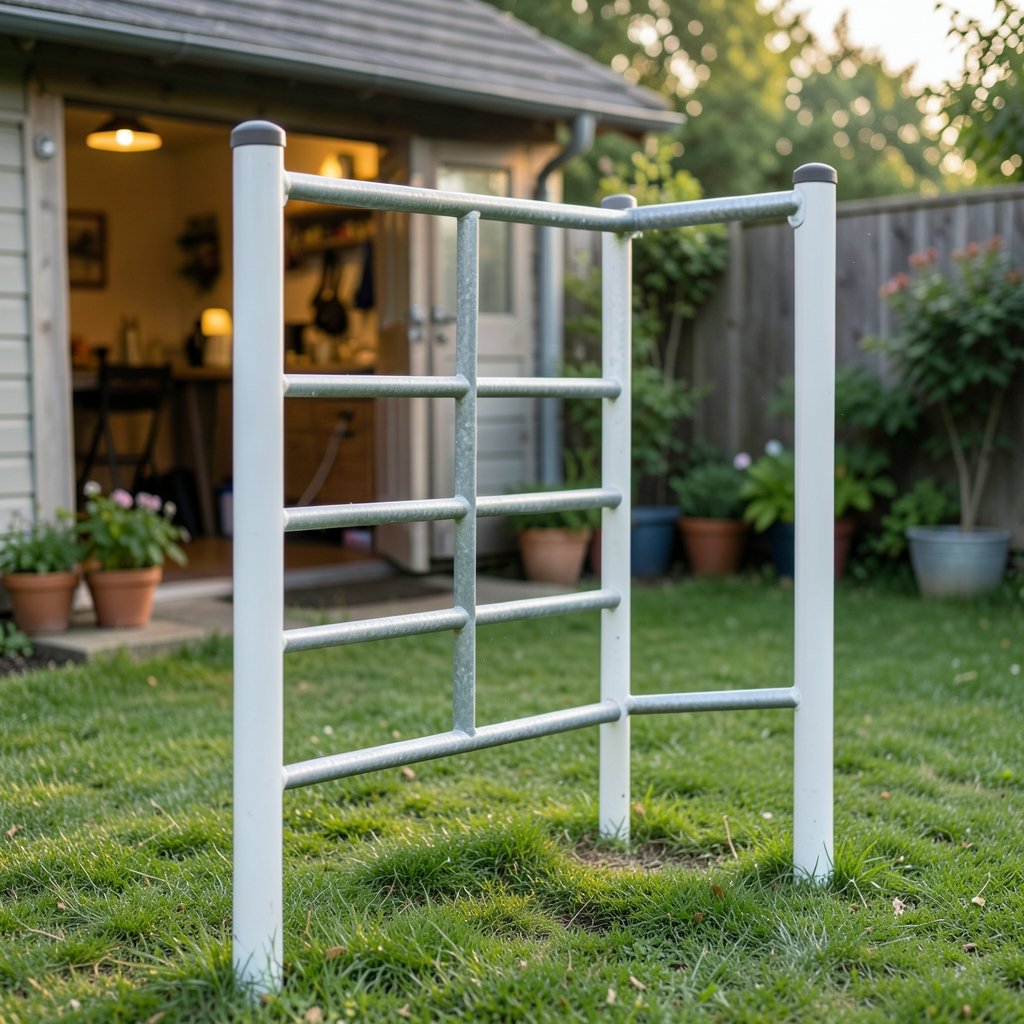
At the simplest level, monkey bars are a row of horizontal rungs suspended above the ground, spaced so a person can grip one bar with each hand and move across by swinging from one to the next. A standard dictionary definition describes them as any of numerous arrangements of horizontal and vertical bars used as playground equipment for children to climb on and swing from.
That definition is broad on purpose, because the category covers a lot of ground. A wooden backyard playset with metal rungs, a steel overhead ladder in a public park, and a wave-shaped wall rig in an outdoor gym all count. The common thread is the movement: hands overhead, body hanging, forward travel powered by grip and momentum.
The equipment also shows up in places people do not expect. In trading software, “Monkey Bars” is the name of a chart mode that displays price action over a time period at specified price levels, assigning a digit to each aggregation period so traders can see when a given price was traded. Same phrase, completely different world. For the rest of this article, the focus is on the physical kind.
Why Monkey Bars Matter More Than They Look
A monkey bar traverse looks easy from the ground. It is not. The obstacle demands rock-solid grip strength, which is not exactly the focus of most run training programs, plus efficient use of bodyweight momentum. That combination is why the obstacle humbles so many otherwise fit adults.
Think about what a single traverse requires:
- Grip endurance. Each hand must hold body weight while the other hand releases, reaches, and re-grips.
- Shoulder stability. The shoulders work in an overhead position, a range most desk-bound adults rarely load.
- Coordination and rhythm. Move too fast and the swing dies; move too slow and the grip fails.
- Confidence. Hesitation mid-traverse costs more energy than commitment does.
For children, the benefits are just as real. Monkey bars are excellent for building a child’s upper body strength and agility, and they have stood the test of time because children genuinely love using them. That enthusiasm is the engine. Kids hang, swing, and problem-solve without ever thinking of it as exercise.
The Main Types of Monkey Bars
Not all monkey bars are built the same, and the differences matter for safety, difficulty, and who can actually use them.
| Type | Typical Setup | Best For | Watch Out For |
|---|---|---|---|
| Playground overhead ladder | Straight row of rungs, fixed height | Children roughly 6 and up | Height too tall for smaller kids |
| Inclined monkey bars | Bars rise or fall along the run | Progressive difficulty, adults | Changing rhythm mid-traverse |
| One-level outdoor rig | Fixed-height steel frame | Parks, calisthenics areas | Limited height options |
| Wave or wall-mounted rig | Undulating bars plus pull-up stations | Strength training, group workouts | Higher skill entry point |
| Backyard playset | Pine or metal frame with rungs | Home use, younger children | Weight limits and surface prep |
Outdoor fitness manufacturers have pushed the category well beyond the playground. One inclined model, for example, stands 2,100 to 2,500 mm tall with 33.7 mm tubes and a 1,500 mm free height of fall, and it lists hanging and moving forward as the main exercise while supporting many alternative movements. A one-level version sits at 2,200 mm with a similar tube diameter and a 1,200 mm free height of fall. The incline is not decoration. It changes the angle of pull on every reach, which keeps the movement fresh and forces constant micro-adjustments.
Commercial playground versions take a different approach. A wide overhead ladder marketed as a monkey bar includes four stepping pods at varying heights so users of different statures can reach the first bar, and it carries instructional signage with a QR code linking to a fitness app. That accessibility detail is worth noting: the hardest part of monkey bars for many people is not the traverse, it is getting onto the bars in the first place.
There are also ceiling-mounted options for home gyms and climbing setups, with compact footprints, modest clearance requirements, and stated weight capacities. These are a different product category from playground equipment, so check the rated load before buying.
How to Get Across Without Falling
The most common mistake is treating the traverse as a pulling exercise. It is not. It is a swinging exercise with pulling mixed in.
- Set your grip first. Wrap the thumb around the bar rather than leaving a false grip. A closed hand is more secure and less fatiguing over a long run.
- Start with a small swing. Generate gentle forward momentum from the hips and legs before you release the first hand. A dead hang start wastes energy.
- Reach with rhythm, not panic. Release one hand as your body swings forward, grab the next bar, and let the momentum carry you. Rushing breaks the rhythm; dawdling kills it.
- Keep your body long but not stiff. A locked-out, rigid body swings poorly. Slight knee bend and a relaxed core let the momentum travel.
- Breathe. Sounds trivial. People hold their breath on the first traverse and wonder why they feel wrecked at the third rung.
For obstacle course racing specifically, strategy matters as much as strength. Courses often set bars at varying heights over a long flight, and touching the ground means a penalty of burpees. Racing a traverse is a mistake. Pacing it is not.
Safety: Where Most Injuries Actually Come From
Monkey bars are well represented in injury data, for two reasons: they get heavy use because children love them, and some children use bars that are simply too high for them. That is the honest picture, and it points to solutions rather than scare tactics.
Risks associated with falls can be substantially reduced when:
- Appropriate soft undersurfacing is installed and regularly maintained.
- A choice of heights is available so smaller children can build skills progressively. If only one height is possible, install the lowest recommended height.
- Wide landing platforms sit at each end of the run.
- Clearances between fixed overhead rungs are checked and kept adequate.
The height advice deserves emphasis. A child who cannot reach the first bar safely will find a way to jump for it, and that jump is where trouble starts. Stepping pods, a lower first rung, or a nearby platform solve the problem cheaply.
For adults training on outdoor rigs, the risk profile shifts. Grip failure is the main hazard, and it tends to happen on the last two rungs when confidence outpaces hand strength. Stop a traverse one rung early rather than pushing to failure at height.
Building the Strength Before You Need It
The good news is that monkey bar ability is trainable, and you do not need monkey bars to train for monkey bars.
Dead hangs are the foundation. Hang from any bar for time, building toward longer holds. This teaches the hands and shoulders to tolerate load without movement.
Active hangs add a shoulder-blade pull, engaging the back rather than dangling passively.
Bar-to-bar transitions on the ground build the reach pattern. Even practicing the hand-over-hand motion while standing under a low bar helps.
Pull-ups and chin-ups build the pulling base, though they are not a substitute for grip endurance. A person who can do ten pull-ups may still fail a traverse, because the traverse is a repeated single-arm hang, not a two-arm pull.
Farmer carries and thick-grip work round out the hands. Grip is the limiter for most first attempts.
Practical tip: train the traverse in short sets with full recovery rather than long grinding attempts. Grip endurance responds better to quality reps than to exhaustion.
Buying and Maintaining Monkey Bars
For a backyard set, the details that matter are materials, weight limits, and surface preparation. Wooden playsets using northern European pine are common, often with anti-slip and anti-rotation metal bars, climbing nets, ladders, and ground anchors, and typically rated for a maximum user weight around 50 kg with an age recommendation starting at 6 years. Read the rated load carefully, because it is usually lower than parents assume.
Maintenance is unglamorous but decisive. Wipe metal parts with a damp cloth and light detergent, brush off dirt, and treat timber at the end of each season with a water-based stain suitable for children’s play equipment. Loose anchors, rust at the welds, and splintered timber are the three failures to check for every spring.
For public or commercial installations, the free height of fall and required movement area are specified per product, and undersurfacing must match. Skipping that step is the single most common installation shortcut, and it is the one that shows up in injury statistics.
Conclusion
Monkey bars have survived decades of playground fashion for a simple reason: they work. They build grip, shoulder strength, coordination, and confidence in a way few other pieces of equipment can, and they do it while feeling like play. The same qualities that make them beloved by children make them a legitimate training tool for adults, whether the goal is a Spartan-style obstacle or simply the ability to cross a rig without dropping.
The practical takeaways are straightforward. Choose equipment with height options and proper undersurfacing. Train grip before you need it. Pace the traverse instead of racing it. And if you are an adult who has not hung from a bar since childhood, start with a dead hang and see how humbling twenty seconds can be. For more practical guides on movement, equipment, and outdoor training, visit
What Does “Monkey Bars” Mean?
Monkey bars are a row of horizontal rungs set above the ground, used for climbing, hanging, and swinging across hand over hand. The term also covers broader arrangements of horizontal and vertical bars used as playground equipment. In a completely different context, it is the name of a chart mode in trading software that marks which price levels were traded during each period.
Are Monkey Bars Good Exercise?
Yes. A traverse demands grip strength, overhead shoulder stability, coordination, and momentum control. It is an excellent complement to running or cycling because it trains the upper body and grip in a way those sports do not. Children gain upper body strength and agility from regular use, which is a big part of why the equipment has remained popular for so long.
At What Age Can Children Use Monkey Bars?
Many backyard playsets carry an age recommendation starting at 6 years, and commercial playground equipment is often rated for ages 13 and up depending on the design. The more useful rule is reach and height: a child should be able to grip the first bar safely without a risky jump. If only one height is available, choose the lowest recommended one.
How Do You Get Better at Monkey Bars?
Build grip endurance with dead hangs and active hangs, practice the hand-over-hand pattern on a low bar, and train short quality sets rather than long exhausting attempts. On the traverse itself, start with a small swing, keep a rhythm, and stop one rung before failure. Most failed traverses come down to grip fatigue and rushed timing, not lack of pulling strength.
Are Monkey Bars Dangerous?
They carry real injury risk, mostly from falls, and they appear frequently in injury data because they get heavy use. That risk drops substantially with soft undersurfacing that is regularly maintained, a choice of bar heights for different ages, wide landing platforms at each end, and adequate clearance between rungs. The equipment is not inherently unsafe; poor installation and mismatched heights are the problems.
How Much Space Do Monkey Bars Need?
It depends on the product. Outdoor fitness rigs commonly specify a movement area in the range of 22 to 23 square meters along with a defined free height of fall, while compact ceiling-mounted home units need far less room but require adequate clearance below. Always check the manufacturer’s stated movement area and fall height before installing, and match the undersurfacing to those figures.